Are you looking for a fun and creative way to make your toddler’s bedtime more exciting? Building a toddler bed house could be the perfect solution.
Imagine turning your child’s bed into a cozy little hideaway where they can sleep, play, and dream. It’s not just a bed—it’s a special space that sparks imagination and comfort. In this guide, you’ll discover simple steps to create a safe and charming bed house that your toddler will love.
Ready to transform your child’s room and make bedtime something to look forward to? Let’s get started!
Choosing The Right Materials
Choosing the right materials is key to building a safe and sturdy toddler bed house. The materials affect the bed’s strength, look, and safety. Picking the best wood and tools helps make the project easier and more fun. Budget also plays a big role in deciding what to buy.
Wood Types And Safety
Softwoods like pine are easy to cut and shape. They are light and usually cost less. Hardwoods such as oak or maple are stronger but heavier and pricier. Choose wood that has no splinters or knots. Sand all surfaces smooth to protect your child from scratches. Avoid treated wood that may contain harmful chemicals. Use non-toxic paint or finish to keep the bed safe.
Essential Tools
You need a saw, drill, screwdriver, and measuring tape. A sander or sandpaper will smooth rough edges. Clamps help hold pieces firmly while you work. Use safety glasses and gloves to protect yourself. Simple, easy-to-use tools make the building process quicker and safer.
Budget-friendly Options
Reuse old wood or pallets to save money. Check local hardware stores for discounts or scrap wood. Pine wood is a good choice for low-cost projects. Buy only tools and materials you will use. Simple designs reduce material waste and cost less. Planning ahead prevents buying extra supplies.

Credit: www.instructables.com
Designing Your Toddler Bed House
Designing your toddler bed house is a fun step in creating a special space. It helps make bedtime exciting and safe. Careful design can turn a simple bed into a little adventure spot. Think about comfort, safety, and play as key parts of your design.
Simple Layout Ideas
Start with a clear and easy bed shape. A square or rectangle works well. Keep the bed low to the ground to prevent falls. Add a small ladder or steps if the bed is raised a little. Avoid sharp corners to protect your child from bumps. Use soft, cozy bedding to make the space inviting.
Incorporating Playful Features
Add fun elements like a small window or a door. These features make the bed feel like a real house. Use bright colors or stickers to decorate the walls. Include shelves for toys or books inside the bed house. A chalkboard wall can encourage creativity. Make sure play items do not block the sleeping area.
Measuring For Comfort And Safety
Measure the bed area to fit your toddler’s size. Leave extra space around the bed for movement. Check that the bed sides are tall enough to stop rolling out. Use safe, non-toxic materials for all parts. Ensure the bed frame is strong and steady. Leave enough room for air to flow around the bed.
Step-by-step Building Process
Painting and decorating a toddler bed house makes it special and inviting. It turns a simple bed into a fun play area your child will love. Bright colors and fun designs bring joy and spark imagination. Careful choices help keep the bed safe and beautiful for years.
Choosing Safe Paints
Use paints that are non-toxic and safe for kids. Look for labels that say “child-safe” or “low VOC.” Avoid paints with strong smells or harmful chemicals. Water-based paints work well and dry quickly. Test a small area first to check for any issues.
Creative Decoration Tips
Use stencils or stickers for easy, neat designs. Add shapes like stars, animals, or clouds to make it fun. Use soft brushes or sponges for gentle patterns. Try combining two or three colors for a playful look. Keep the design simple to match the room’s style.
Personalizing The Bed House
Add your child’s name or initials on the bed house. Use letters made of wood or paint them directly. Include favorite colors or characters your child loves. Attach small shelves or hooks for toys and books. Personal touches make the bed house feel like their own space.
Painting And Decorating
Building a toddler bed house is fun and rewarding. Safety and durability must be top priorities. A secure bed keeps your child safe every night. Strong materials and careful checks create a lasting bed. This section explains how to ensure safety and durability.
Checking Stability
Test the bed frame for wobbling or shaking. Tighten all screws and bolts firmly. Use corner brackets for extra support. Place the bed on a flat surface to avoid tipping. Check stability regularly as your child grows.
Using Non-toxic Materials
Choose paints and finishes labeled non-toxic and child-safe. Avoid materials that release harmful chemicals or odors. Use natural wood or certified safe boards. Sand all edges smooth to prevent splinters. These choices protect your child’s health.
Maintenance Tips
Inspect the bed weekly for loose parts or damage. Clean with mild soap and water only. Avoid harsh chemicals that wear out finishes. Fix small cracks or chips immediately. Keep the bed dry to prevent wood warping or mold.
Ensuring Safety And Durability
Making a toddler bed house cozy is important. It creates a safe and warm space for your child. Comfort helps toddlers feel relaxed and sleep well. Small details can make a big difference. Here are some easy ways to make the bed cozy and inviting.
Selecting Comfortable Bedding
Choose soft sheets made from cotton or bamboo. These fabrics feel gentle on sensitive skin. Pick bedding with fun colors or simple patterns. A soft blanket adds extra warmth. Avoid heavy or rough materials that might irritate your child.
Adding Soft Lighting
Soft lights create a calm and soothing atmosphere. Use a small nightlight or string lights around the bed. Avoid bright or harsh lights that can disturb sleep. Warm white or yellow tones work best for bedtime. Soft lighting helps children feel safe in their bed house.
Incorporating Storage Solutions
Keep toys and books nearby but organized. Use small shelves or baskets to store items. This keeps the bed area neat and clutter-free. Easy access to favorite items makes the space more inviting. Storage solutions also teach toddlers to keep their space tidy.
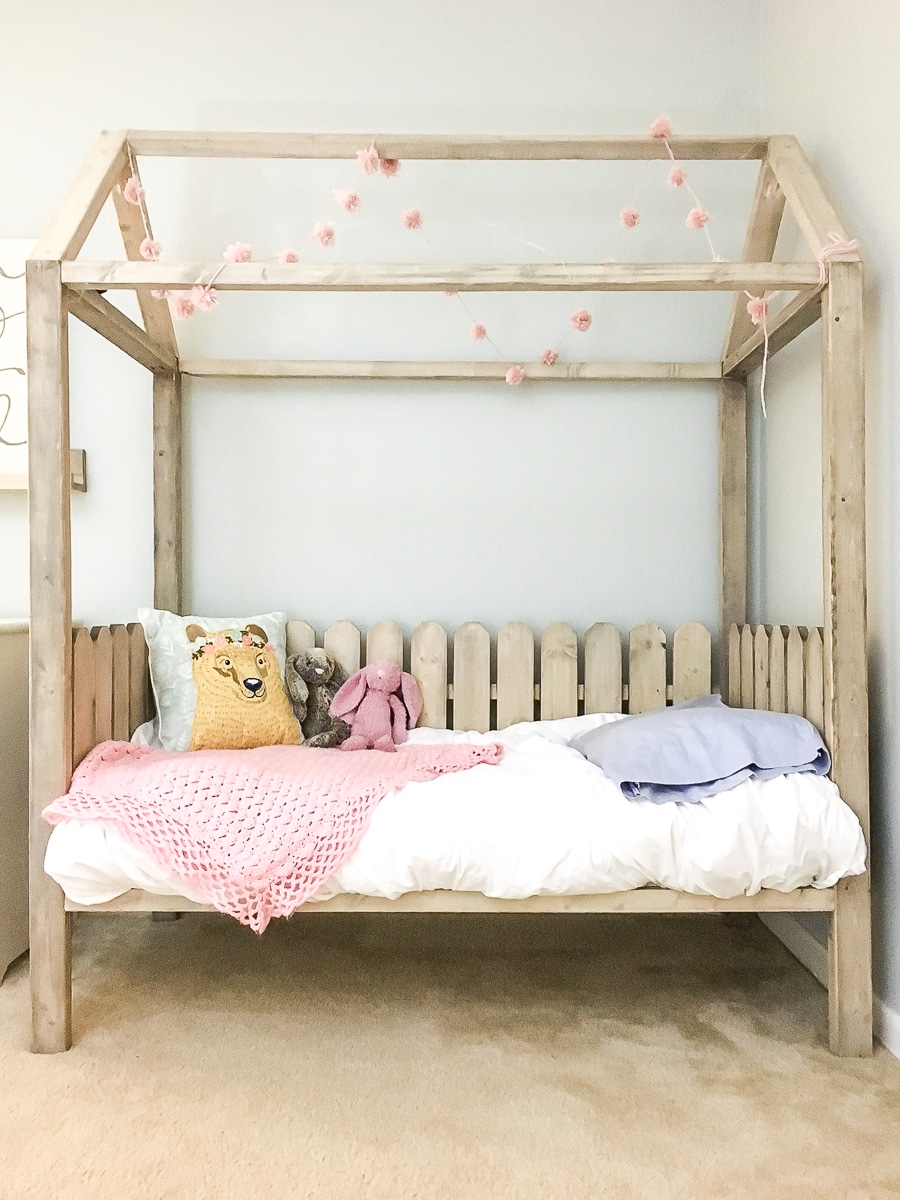
Credit: jenwoodhouse.com
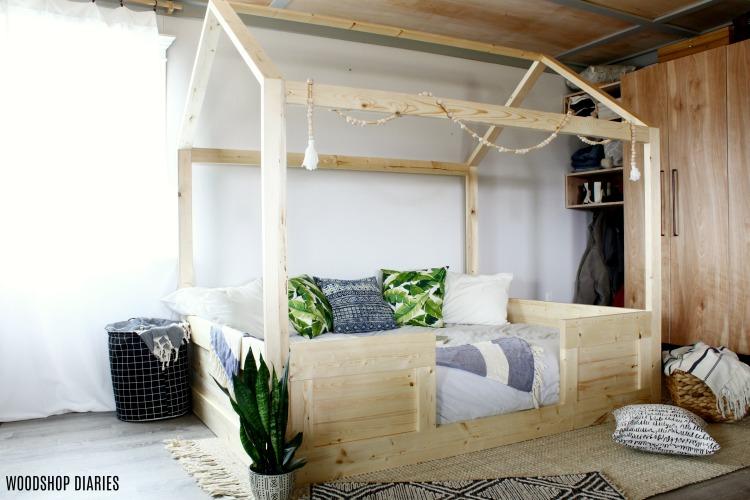
Credit: learn.kregtool.com
Frequently Asked Questions
What Materials Are Best For Building A Toddler Bed House?
Use sturdy wood like pine or plywood for durability. Choose non-toxic paint to keep it safe and kid-friendly. Soft cushions or mattresses enhance comfort. Avoid sharp edges by sanding all surfaces smooth to prevent injuries.
How Long Does It Take To Build A Toddler Bed House?
Typically, building a toddler bed house takes 4 to 8 hours. Time depends on your woodworking skills and tools. Complex designs may require more time. Planning and preparation can speed up the process significantly.
What Safety Features Should A Toddler Bed House Include?
Include guardrails to prevent falls during sleep. Ensure all edges are rounded and smooth. Use non-toxic finishes and secure all parts tightly. Avoid small detachable parts that could cause choking hazards.
Can I Customize The Design Of A Toddler Bed House?
Yes, you can customize colors, shapes, and themes. Add windows, doors, or shelves for extra fun. Personalize with your child’s favorite characters or colors. Customization makes the bed house unique and engaging.
Conclusion
Building a toddler bed house can be fun and rewarding. It creates a special space for your child to sleep and play. Use simple materials and follow clear steps for safety. Customize the design to fit your room and style.
Your toddler will love having a cozy, creative bed. Enjoy the process and the smiles it brings!