Are you tired of waking up with your toddler snuggled right next to you every night? You’re not alone.
Many parents struggle with getting their little ones to sleep in their own beds. It can feel like a never-ending battle, leaving you exhausted and wondering if there’s an easier way. But don’t worry—there are simple steps you can take to gently guide your toddler back to their own space.
Keep reading, and you’ll discover practical tips that actually work, helping both you and your child enjoy a better night’s sleep.
Credit: www.deltachildren.com
Why Toddlers Share Beds
Toddlers often want to sleep with their parents. This habit can be surprising for many families. Understanding why toddlers share beds helps parents handle this phase better. It is not just about comfort. It is about feelings, security, and habits. Knowing the reasons can guide parents to make choices that work for everyone.
Common Reasons Kids Co-sleep
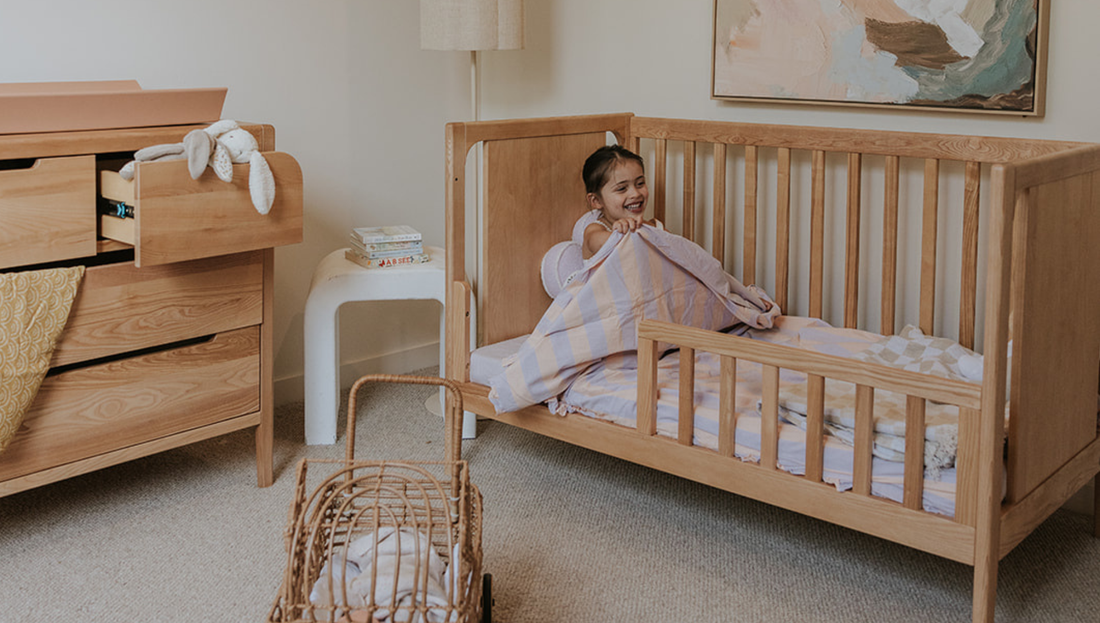
Toddlers share beds for many reasons. They feel safe near their parents. New experiences or fears can make them seek comfort. Sometimes, illness or nightmares bring them closer. Parents’ presence helps them relax and sleep better. Co-sleeping can also be a habit started from birth. Toddlers enjoy warmth and closeness. It is their way to feel loved and protected.
Benefits And Drawbacks
Co-sleeping has clear benefits. Toddlers feel secure and calm. Parents can easily check on their child. It may improve bonding between parent and child. On the other side, co-sleeping can cause sleep disturbances. Parents might lose sleep due to movements or noises. Toddlers may develop a strong dependence on parents. This makes moving to their own bed harder. Balancing these benefits and drawbacks is key for families.
Credit: babyrest.com
Signs Your Toddler Is Ready
Knowing when your toddler is ready to sleep alone helps make the transition smooth. Toddlers show clear signs that tell you they can try their own bed. These signs come from their behavior and feelings. Paying attention to these clues helps you decide the right time to move them out of your bed.
Behavioral Clues
Your toddler may start wanting space at night. They might resist crawling into your bed or ask to sleep in their room. Some toddlers show less fear of sleeping alone. They stay calm when left in their own bed. Watching their reaction to bedtime routines gives good hints.
Emotional Readiness
Emotional readiness means your toddler feels safe and confident. They can handle small fears without needing you nearby. Your child might talk about sleeping alone or show pride in their bed. This readiness helps them sleep better and feel secure all night.
Preparing Your Toddler’s Room
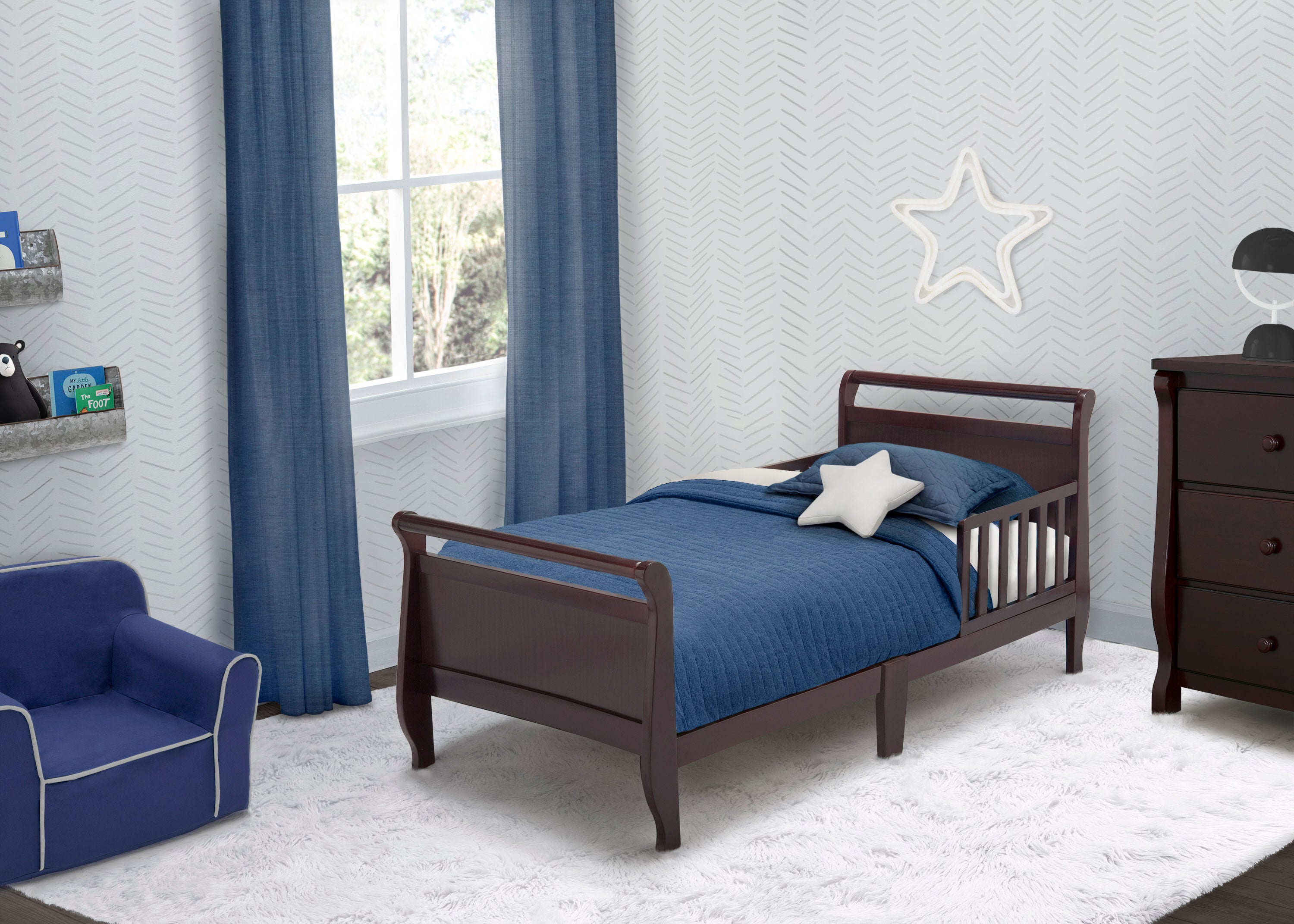
Preparing your toddler’s room is the first step to moving them out of your bed. A cozy and safe space helps your child feel comfortable. This makes the transition easier. The room should invite your toddler to rest and play. Creating a warm and friendly environment encourages good sleep habits.
Making The Space Inviting
Start by choosing soft lighting. A nightlight can help your toddler feel safe. Use bright colors on walls or curtains to make the room cheerful. Add favorite toys or books to the space. These small touches make the room familiar and fun. Keep the room tidy to avoid distractions at bedtime.
Choosing The Right Bed
Pick a bed that suits your toddler’s size and age. A toddler bed or a small twin bed works well. Make sure the bed is low to the ground for safety. Use soft bedding with your child’s favorite colors or characters. This makes the bed more appealing and cozy. A secure bed builds your toddler’s confidence to sleep alone.

Credit: www.careitout.com
Establishing A Bedtime Routine
Establishing a bedtime routine helps your toddler feel safe and ready for sleep. A routine creates a clear signal that bedtime is near. This reduces anxiety and makes it easier for your child to stay in their own bed. Consistency is key to making the routine work well.
Consistent Sleep Schedule
Set the same bedtime and wake-up time every day. This helps your toddler’s body clock adjust. Avoid big changes on weekends or holidays. Consistency trains their brain to expect sleep at the same time. Your child will fall asleep faster and sleep better.
Calming Activities Before Bed
Choose quiet activities to do before bedtime. Reading a short story or listening to soft music works well. Avoid screens and loud noises that can excite your toddler. A warm bath or gentle cuddles can also calm your child. These activities prepare your toddler’s mind and body for sleep.
Gradual Transition Techniques
Moving your toddler out of your bed can be gentle and calm. Gradual transition techniques help your child feel safe and ready for change. These steps make the new sleeping space familiar and comforting. Patience and consistency are key during this process. Small changes help your toddler adjust without stress.
Starting With Naps
Begin by having your toddler nap in their own bed. Naps are shorter and feel less scary than overnight stays. Stay nearby until your child falls asleep. This shows your presence while encouraging independence. Slowly reduce your time in the room during naps. This builds trust and comfort in the new space.
Using Comfort Objects
Introduce a favorite toy or blanket in your toddler’s bed. These objects give a sense of security and familiarity. Let your child hold or touch the comfort item at bedtime. It helps soothe fears and makes the bed inviting. Over time, the comfort object becomes a bedtime friend. This eases the move from your bed to theirs.
Handling Nighttime Challenges
Handling nighttime challenges is a key step in moving your toddler out of your bed. Nights can be tough for both you and your child. Toddlers often wake up or feel scared of being alone. Understanding these challenges helps you find gentle solutions.
Dealing With Night Wakings
Toddlers wake up at night for many reasons. Hunger, thirst, or a bad dream can cause waking. When your child wakes, stay calm and quiet. Avoid turning on bright lights or talking much. Help them feel safe with a soft voice or gentle touch. Guide your toddler back to their own bed every time they come to yours.
Managing Separation Anxiety
Separation anxiety is common for toddlers at night. They want to feel close and safe with you. Create a bedtime routine that comforts your child. Read a story or sing a lullaby before sleep. Give them a favorite toy or blanket for comfort. Show patience and kindness. Let your toddler know you are near, even if they sleep alone.
Positive Reinforcement Strategies
Positive reinforcement helps guide toddlers toward good habits. It focuses on praising and rewarding desired behavior. This approach encourages toddlers to stay in their own beds. It builds trust and makes bedtime a happy time. Using positive reinforcement takes patience and consistency. The goal is to make your toddler feel proud and safe.
Reward Systems
Reward systems motivate toddlers to stay in their beds. Simple rewards work best. Stickers, small toys, or extra storytime are good choices. Create a chart to track nights spent in their bed. Praise your child when they earn a reward. This shows them their good behavior matters. Over time, rewards can be less frequent. The habit stays strong with fewer treats.
Verbal Encouragement
Words matter a lot for toddlers. Use kind and clear praise often. Say things like, “Great job sleeping in your bed!” or “You did so well tonight.” Your voice helps your child feel safe. Avoid scolding or showing frustration. Gentle encouragement boosts your toddler’s confidence. Repeat positive phrases nightly to build routine. This helps your child want to follow bedtime rules.
When To Seek Help
Knowing when to seek help for your toddler’s sleeping habits is important. Some challenges may be normal at first but can become harder over time. Early support can help both you and your child sleep better. Here are signs that show it might be time to get professional advice or support.
Consulting Pediatricians
Pediatricians understand children’s health and behavior well. They can check if any medical issues affect your toddler’s sleep. Sometimes, sleep problems link to allergies or breathing troubles. Doctors can give advice on healthy sleep routines. They also guide you on how to safely transition your child to their own bed.
Professional Sleep Support
Sleep specialists focus on sleep habits and routines. They offer strategies for children struggling to sleep alone. These experts suggest gentle methods to ease your toddler’s fears or anxiety. They help create a consistent bedtime plan that works for your family. Seeking their help can make the process smoother and less stressful.
Frequently Asked Questions
How Can I Transition My Toddler From Bed To Crib?
Start by making the crib inviting with favorite toys and blankets. Establish a consistent bedtime routine. Gradually reduce co-sleeping time to help your toddler feel secure in their own bed.
What Are Effective Ways To Stop Toddler Bed Sharing?
Set clear boundaries and gently guide your toddler back to their bed. Praise them for sleeping independently. Use positive reinforcement and maintain a calm, consistent approach to bedtime.
When Is The Best Age To Move Toddler Out Of Bed?
Most experts suggest transitioning between 18 months and 3 years. This depends on your toddler’s readiness and family situation. Look for signs like climbing out or needing more space.
How Do I Create A Toddler-friendly Sleep Environment?
Use a comfortable mattress and soft bedding. Keep the room dark and quiet. Add a nightlight if your toddler fears the dark. Make the space safe and inviting for sleep.
Conclusion
Getting your toddler to sleep alone takes time and patience. Keep a calm and gentle approach every night. Create a cozy and safe space just for them. Celebrate small wins and stay consistent with the routine. Remember, toddlers need love and comfort as they adjust.
Soon, your child will enjoy their own bed and better sleep. This change helps both of you rest well and feel happy. Stay positive and trust the process. Your efforts will bring peaceful nights ahead.