Are you struggling to find the exact part of your bunk bed that needs fixing or replacing? You’re not alone.
Knowing how to identify and locate the right part can save you time, money, and frustration. Whether it’s a loose ladder, a missing bolt, or a worn-out guardrail, finding the right piece is key to keeping your bunk bed safe and sturdy.
In this guide, you’ll discover simple, step-by-step tips to help you spot and find the exact part you need—so you can get your bunk bed back in perfect shape without any hassle. Keep reading, and you’ll never have to guess about bunk bed parts again.

Credit: www.morfurniture.com
Common Bunk Bed Parts
Identifying damaged components of a bunk bed is key to safety and durability. Regular checks keep the bed sturdy and secure. Spotting damage early prevents accidents and costly repairs. This section explains how to find signs of damage effectively.
Signs Of Wear And Tear
Look for cracks, chips, and scratches on wooden parts. Metal frames may show rust or bending. Check for faded or peeling paint. Worn-out surfaces often indicate long use and possible weakness. Notice any loose or missing screws and bolts. These are common signs of wear and tear.
Checking Structural Integrity
Test the bed by gently shaking it. A strong bunk bed stays firm without creaking. Listen for unusual noises during movement. Warped or bent parts reduce the bed’s strength. Check if the mattress fits well without gaps. A secure fit supports safe use.
Inspecting Joints And Connections
Examine where parts join together closely. Loose joints cause instability and risk collapse. Tighten any screws or bolts found loose. Look for cracks near joints that may spread. Check metal brackets and fasteners for rust or damage. Strong joints keep the bunk bed safe and lasting.

Credit: www.ebay.com
Identifying Damaged Components
Finding the right replacement parts for your bunk bed can be simple. Knowing where to search saves time and effort. Many places offer parts that fit well and last long. Below are some good options to find what you need.
Manufacturer Websites
Start with the bunk bed maker’s official website. They often sell exact parts made for your model. This ensures the parts will fit perfectly. Some sites let you enter your bed’s model number for quick results. Customer support can help if you cannot find the part.
Local Furniture Stores
Nearby furniture shops may carry spare parts or order them for you. Visit stores that sell bunk beds or bedroom furniture. Staff can guide you to the right parts or suggest alternatives. Buying local helps you check parts before paying.
Online Marketplaces
Websites like Amazon, eBay, and others offer many bunk bed parts. You can compare prices and read user reviews. Use clear keywords like “bunk bed ladder” or “bed frame bolt.” Check seller ratings to avoid poor quality parts.
Specialty Hardware Shops
Stores that focus on hardware and fasteners often have useful bunk bed parts. Look for screws, brackets, and connectors that match your bed. Staff can help find compatible sizes and types. These shops are great for small or unusual parts.
Where To Find Replacement Parts
Measuring for accurate replacement is key when finding the right part for your bunk bed. Accurate measurements save time and avoid buying parts that do not fit. Taking careful notes of each dimension ensures the new part matches perfectly. This step protects the bed’s safety and stability.
Taking Precise Dimensions
Use a tape measure to get exact lengths and widths. Measure the damaged part carefully from all sides. Write down each number clearly. Double-check measurements to avoid mistakes. Measure the thickness and any holes or slots too. Small errors can cause big fitting problems.
Matching Material Types
Identify the material of your bunk bed part. It could be wood, metal, or plastic. Choose a replacement part made from the same material. Matching materials keep the bed strong and consistent. Different materials may not fit well or last long.
Confirming Compatibility
Check the model or brand of your bunk bed. Find parts made for that specific model. Look for parts with similar design and fixing points. Compatibility means the new part will fit right away. Avoid parts that look different or have different connections.
Measuring For Accurate Replacement
Ordering the right bunk bed parts can be tricky. Knowing what to check saves time and money. Follow these simple tips to make smart buying choices.
Verifying Part Numbers
Always check the part number before buying. This number matches your bunk bed model. It ensures the part fits perfectly. Find the number on the original manual or label. Double-check it on the seller’s website. Avoid guessing to prevent wrong orders.
Reading Reviews And Ratings
Look at customer reviews to learn about the part’s quality. High ratings mean many people trust the product. Read comments to see real experiences. Pay attention to problems others mention. This helps avoid poor quality parts.
Comparing Prices
Compare prices from different sellers before buying. Some offer better deals on the same part. Check shipping costs too. Sometimes a low price plus high shipping is not a good deal. Choose the best overall value to save money.
Ordering And Buying Tips
Fixing a bunk bed needs a few simple tools. These tools help you find and replace broken parts. Having the right tools saves time and effort. It also makes the repair safer and stronger.
Screwdrivers And Wrenches
Screwdrivers are a must for loosening or tightening screws. Use flathead or Phillips types depending on the screw head. Wrenches help turn nuts and bolts. They come in adjustable or fixed sizes. These tools fit most bunk bed fasteners.
Drills And Power Tools
Drills speed up the repair process. They make holes or drive screws quickly. Cordless drills offer flexibility and ease of use. Use a drill with adjustable speed for better control. Power tools reduce hand strain and save effort.
Replacement Hardware Kits
Hardware kits include screws, bolts, and nuts. They replace worn or missing parts. Kits match the original bunk bed hardware. Using the right size and type keeps the bed stable. Always choose kits made for bunk beds.
Basic Repair Tools Needed
Repairing a bunk bed requires careful steps to ensure safety and durability. Follow this simple guide to replace parts properly. Each step helps keep the bed strong and safe for use.
Removing Old Or Damaged Parts
First, clear the area around the bunk bed. Remove bedding and any loose items. Use a screwdriver or wrench to detach screws and bolts. Take off the broken or worn parts carefully. Keep all hardware for reuse if possible. Check for hidden damage under panels and joints.
Installing New Components
Match new parts with the old ones for correct fit. Align the new pieces in place gently. Secure them tightly with screws or bolts. Avoid overtightening to prevent cracks. Use the original hardware or new fasteners if needed. Make sure all parts fit snugly without gaps.
Testing Stability And Safety
Push and shake the bunk bed lightly to check stability. Look for any movement or loose parts. Tighten any screws that feel loose. Test weight support gradually before full use. Confirm ladders and guardrails are secure. Safety first to prevent accidents.
Step-by-step Repair Process
Maintaining a bunk bed helps keep it safe and strong for years. Small care steps stop damage before it starts. Regular care also saves money on repairs.
Regular Inspections
Check your bunk bed often for any signs of wear or damage. Look for cracks, splinters, or bent metal parts. Catching problems early prevents bigger issues. Use a flashlight to see hard spots clearly.
Tightening Loose Fasteners
Loose screws or bolts make the bed unsafe. Use a screwdriver or wrench to tighten all fasteners regularly. Focus on joints where the frame connects. Tight fasteners keep the bed sturdy and quiet.
Protecting Wood And Metal Surfaces
Wood can crack and metal can rust without care. Use a soft cloth to clean surfaces regularly. Apply wood polish to wooden parts to keep them smooth. For metal, use a rust protector or paint if needed. This keeps the bed looking good and lasting longer.
Credit: www.aptdeco.com
Frequently Asked Questions
What Are The Main Parts Of A Bunk Bed?
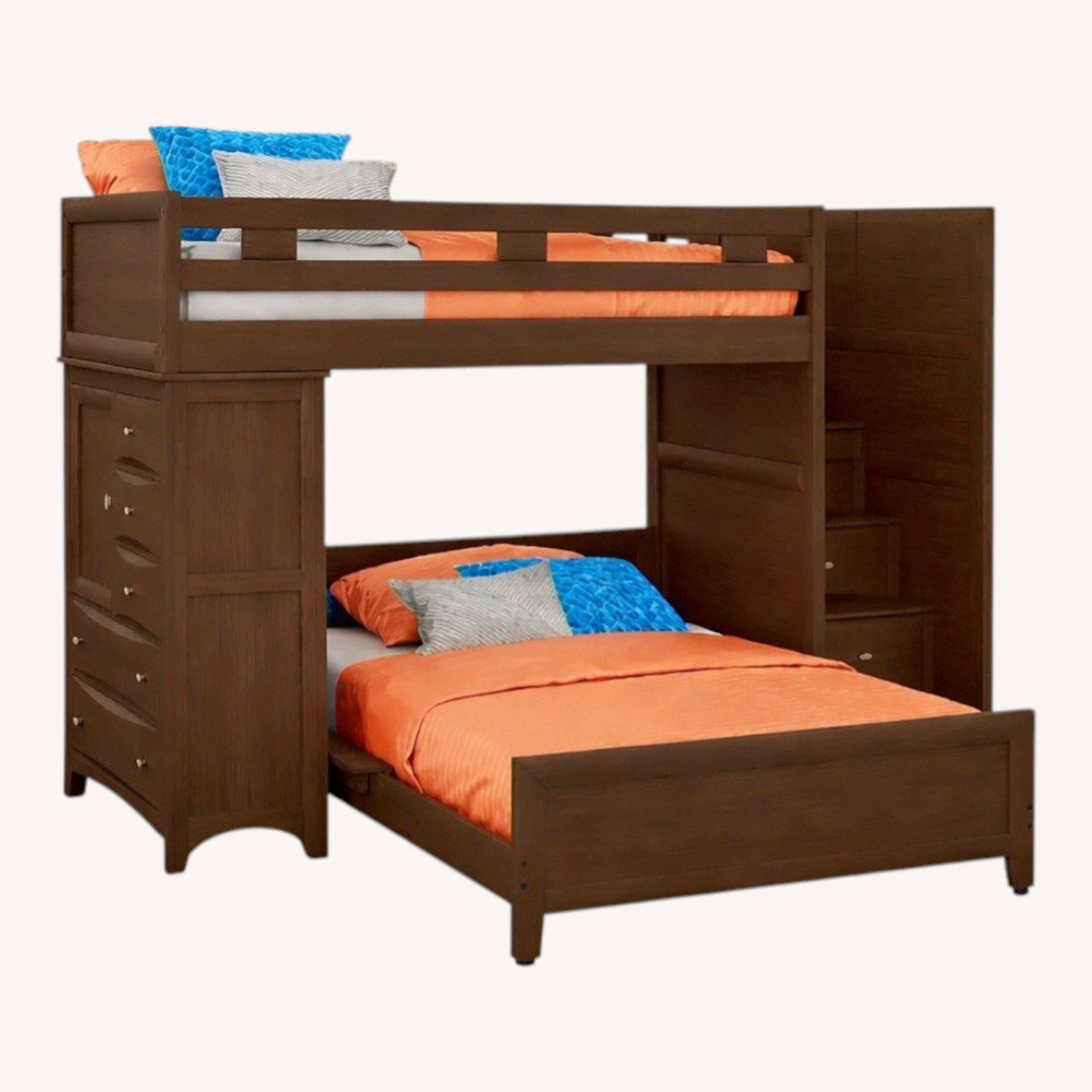
A bunk bed has key parts: frame, mattress supports, guardrails, ladder, and slats. Each part ensures safety and stability.
How To Identify The Top Bunk Part?
The top bunk includes guardrails and mattress supports. It is elevated and usually requires a ladder for access.
Where To Find Replacement Parts For Bunk Beds?
Replacement parts are available from manufacturers, furniture stores, or online retailers. Always check compatibility with your bed model.
How To Measure Bunk Bed Parts Accurately?
Use a tape measure to note length, width, and height of each part. Accurate measurements ensure proper fitting and safety.
Conclusion
Finding the right bunk bed part takes patience and a clear plan. Start by knowing the exact piece you need. Check online stores and local shops for availability. Always compare prices and read reviews before buying. Keep your bunk bed safe by choosing quality parts.
A well-maintained bed lasts longer and stays sturdy. Now, you can fix or upgrade your bunk bed with confidence. Simple steps make the process easier and stress-free.