Are you ready to create a cozy, fun space for your kids or guests? Building a cabin bunk bed might sound challenging, but with the right steps, you can make it happen yourself.
Imagine your room transformed with a sturdy, stylish bunk bed that feels like a mini cabin retreat. In this guide, you’ll discover easy-to-follow tips and tricks to build a cabin bunk bed that’s safe, durable, and perfect for your home.
Keep reading, and you’ll soon have a project that brings comfort and creativity together in one amazing piece of furniture.
Materials And Tools
Building a cabin bunk bed starts with the right materials and tools. Quality wood and proper tools make the project easier and safer. Choosing the right supplies helps ensure a strong and lasting bunk bed.
Choosing The Right Wood
Pick wood that is strong and easy to work with. Pine and cedar are good choices. They are light but sturdy. Avoid soft woods that may bend or break. Check for smooth surfaces and no cracks. This wood will hold the bed’s weight safely.
Essential Tools Checklist
Gather all tools before starting your project. You will need a saw for cutting wood. A drill helps make clean holes for screws. Screwdrivers are needed to tighten fasteners. Sandpaper smooths rough edges. A tape measure ensures precise cuts and fitting.
Safety Gear
Protect yourself during the building process. Wear safety glasses to shield your eyes from dust and splinters. Use gloves to protect your hands from sharp tools. Ear protection reduces noise from power tools. A dust mask keeps you from breathing sawdust.
Design And Measurements
Design and measurements form the base of your cabin bunk bed project. Careful planning saves time and materials. Clear ideas help create a strong, safe bed. Precise measurements ensure a perfect fit in your space.
Determining Bed Size
Start by choosing the right bed size. Consider who will use the bunk bed. Measure the mattress size you want. Twin size is common for cabins. Make sure there is enough headroom between beds. Leave space for comfortable sitting and sleeping.
Sketching The Layout
Draw a simple plan of the bunk bed. Include top and side views. Mark all measurements clearly on your sketch. Show where the ladder and guardrails will go. Use a ruler to keep lines straight. This helps avoid mistakes during building.
Planning Storage Options
Think about adding storage under or around the bunk bed. Draw shelves, drawers, or cubbies in your layout. Measure their space carefully. Storage adds function without extra furniture. It keeps the cabin tidy and organized.
Cutting The Wood
Cutting the wood is a key step in building your cabin bunk bed. Precise cuts ensure the bed is strong and fits together well. Take your time to measure, mark, and cut each piece carefully. This process sets the foundation for a safe and sturdy bunk bed that lasts for years.
Measuring And Marking
Measure twice to avoid mistakes. Use a tape measure to get exact lengths for each part. Mark the wood clearly with a pencil. Draw straight lines for accurate cutting. Double-check all measurements before moving on.
Making Precise Cuts
Use a saw that suits your wood type. Cut along the marked lines carefully. Keep your hand steady and follow the line closely. Smooth, straight cuts help the pieces fit well. Take breaks if needed to stay focused.
Sanding The Pieces
Sand all cut edges to remove splinters. Use medium-grit sandpaper first, then fine-grit for smoothness. Sanding makes the wood safe to touch. It also prepares the surface for finishing or painting. Take your time to get a smooth finish on every piece.

Credit: www.nicfaisalabad.com
Assembling The Frame
Assembling the frame is the key step in building a cabin bunk bed. This step shapes the bed’s strength and safety. Start with a clear workspace and all parts ready. Follow each instruction carefully to ensure a solid frame. Take your time. A well-built frame lasts for years and keeps sleepers secure.
Building The Bed Base
Begin with the bed base. Use strong wood like pine or oak. Cut the side rails and end pieces to size. Connect them using wood screws and glue for extra strength. Add slats evenly across the base to support the mattress. Space slats close enough to avoid mattress sagging. Check corners for square angles before tightening screws.
Constructing The Guardrails
Guardrails prevent falls from the top bunk. Measure the sides carefully to fit the bed length. Use sturdy wood pieces and attach vertical posts at intervals. Secure horizontal rails between the posts with screws. The rails should be high enough to block any rolling out. Sand all edges smooth to avoid splinters. Test the rails for firmness before use.
Attaching The Ladder
The ladder gives safe access to the top bunk. Choose a ladder design that fits your bed style. Cut side rails and steps from strong wood. Space steps evenly for easy climbing. Attach steps securely to the side rails with screws. Fix the ladder to the bed frame at a stable angle. Check that the ladder does not wobble or shift. Add grip pads to the bottom for floor safety.
Adding Support And Slats
Adding support and slats is key to making your cabin bunk bed strong and safe. Support beams hold the weight of the mattress and people. Slats spread the weight evenly across the bed frame. Together, they stop the mattress from sagging or falling through.
This part is important for long-lasting comfort and safety. Use good wood and measure carefully. Secure everything tightly to avoid any movement or noise later.
Installing Support Beams
Start by measuring the inside width of the bed frame. Cut two support beams to fit snugly between the side rails. Place them evenly spaced along the length of the bed. Use screws to fasten the beams firmly to the side rails. Check that the beams do not wobble or shift.
Placing Mattress Slats
Cut slats to fit across the bed frame width. Space slats about two to three inches apart. Lay them across the support beams for extra strength. Use enough slats to support the mattress without gaps. Avoid placing slats too far apart to stop mattress sagging.
Securing All Components
Use wood screws to fix slats to support beams. Make sure screws are flush with the wood surface. Double-check that all beams and slats are tight and stable. Tighten any loose screws to prevent noise and movement. Test the bed frame by pressing down gently on the slats.

Credit: www.ana-white.com
Finishing Touches
Finishing touches make your cabin bunk bed look complete and inviting. They protect the wood and add charm. Taking time on these steps ensures a safe and beautiful bed. Focus on smooth surfaces, color, and small details that show care.
Sanding For Smoothness
Sanding removes rough spots and splinters. Use fine-grit sandpaper for the best finish. Sand all surfaces, including edges and corners. This step makes the bed safe for children. Wipe dust away with a damp cloth after sanding.
Applying Stain Or Paint
Choose stain or paint to match your style. Stain highlights the wood grain and adds warmth. Paint gives a fresh and colorful look. Apply thin, even coats and let each dry fully. Seal with a clear finish for protection and durability.
Adding Decorative Elements
Decorate with simple touches like stencils or decals. Use soft cushions or themed bedding for comfort. Add safety rails or ladders that match the design. Personal details make the bunk bed unique and fun. Keep decorations safe and child-friendly.
Safety Checks
Safety checks are essential when building a cabin bunk bed. They protect users from accidents and injuries. Each part needs careful inspection to ensure the bed is secure and safe to use. Follow these steps to keep safety a top priority.
Testing Stability
Start by checking how steady the bunk bed is. Press down on different corners and sides. The bed should not wobble or shake. Tighten all screws and bolts firmly. Use a level tool to make sure the bed is even. A stable bunk bed prevents falls and accidents.
Checking For Sharp Edges
Look closely at all the wooden parts. Run your hand gently over corners and edges. Sand down any rough or sharp spots. Smooth edges prevent cuts and scrapes. Pay special attention to areas near the ladder and guardrails.
Ensuring Ladder Safety
Inspect the ladder for strength and secure attachment. Check each rung for firmness and spacing. The ladder should not move or creak when used. Add non-slip pads to the bottom to avoid slipping. Proper ladder safety helps prevent falls during climbing.
Maintenance Tips
Keeping your cabin bunk bed in good shape is important for safety and comfort. Regular care helps the bed last longer and stay strong. Follow these simple maintenance tips to protect your investment and enjoy your cabin bunk bed for years.
Regular Inspections
Check all parts of the bunk bed often. Look for loose screws, bolts, or nails. Tighten anything that feels wobbly. Pay close attention to joints and ladders. Early checks stop small problems from growing bigger.
Cleaning And Upkeep
Dust the bunk bed regularly using a soft cloth. Clean spills quickly to avoid stains or damage. Use mild soap and water for stubborn dirt. Avoid harsh chemicals that can harm the wood or finish. Keeping the bed clean prevents wear and keeps it looking new.
Repairing Wear And Tear
Fix scratches and dents with wood filler or touch-up markers. Replace broken slats or parts immediately. Use the same wood type to match the original. Sand rough edges to prevent splinters. Timely repairs keep the bed safe and sturdy.
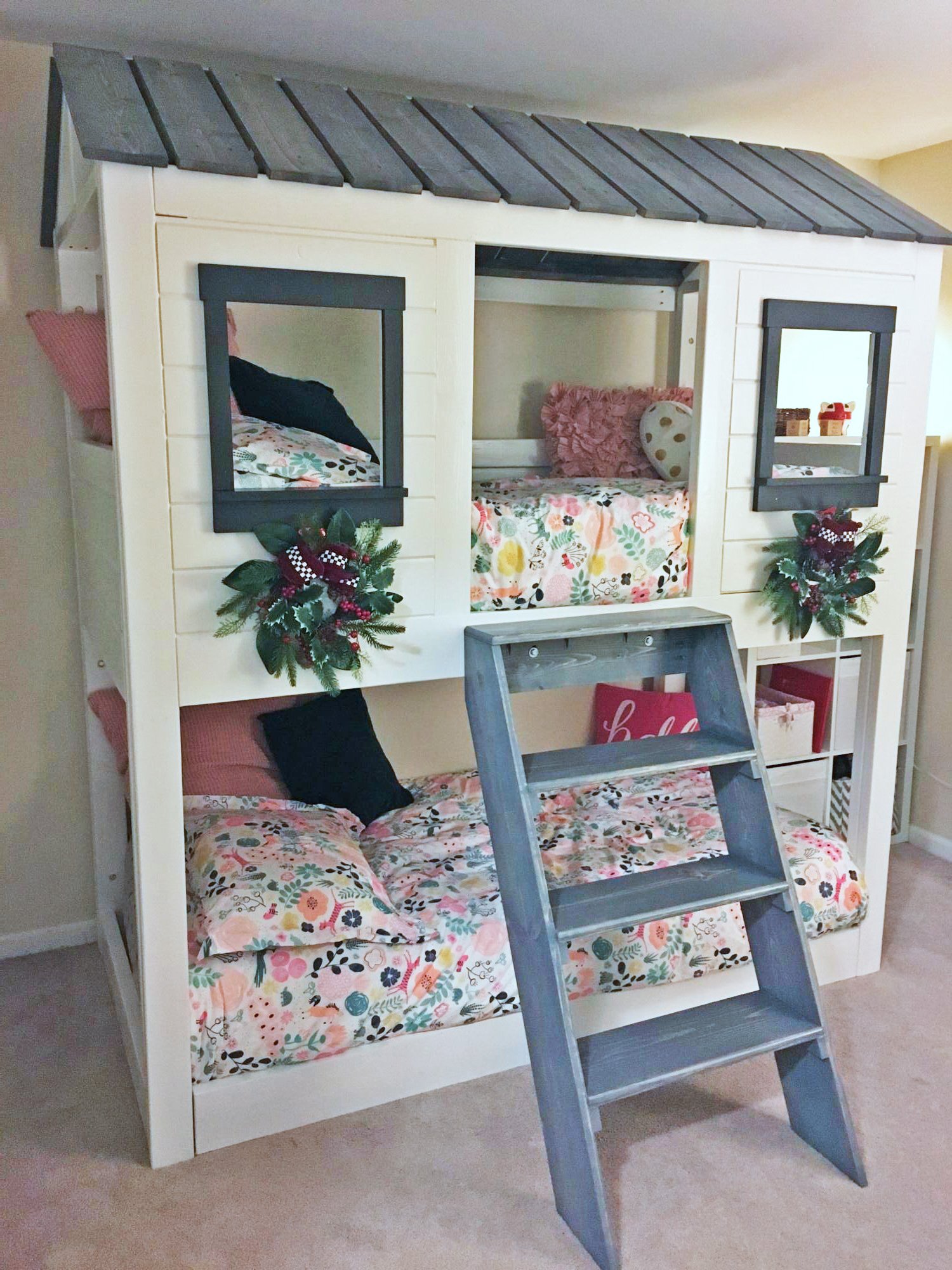
Credit: www.ana-white.com
Frequently Asked Questions
What Materials Are Needed To Build A Cabin Bunk Bed?
You need wood planks, screws, nails, wood glue, sandpaper, and a saw. Choose sturdy, quality wood for durability and safety. Also, consider a wood finish or paint for protection and aesthetics.
How Long Does Building A Cabin Bunk Bed Take?
Building a cabin bunk bed typically takes 1 to 3 days. Time varies based on skill level, tools, and design complexity. Proper preparation and following instructions can speed up the process efficiently.
What Safety Features Are Essential For Cabin Bunk Beds?
Include guardrails on the top bunk to prevent falls. Ensure ladder rungs are secure and spaced properly. Use smooth sanded wood to avoid splinters. Check all joints for stability and strength.
Can I Customize The Design Of A Cabin Bunk Bed?
Yes, you can customize size, shape, and finishes. Add storage drawers or shelves for functionality. Personalize with paint colors or themed decorations to match your cabin style.
Conclusion
Building a cabin bunk bed takes time and patience. Follow each step carefully for best results. Use quality wood and sturdy tools to stay safe. A well-made bunk bed saves space and adds charm. Enjoy the process and learn as you build.
Your effort will create a cozy place to sleep. Keep your workspace clean and organized for ease. Soon, you will have a strong, beautiful bunk bed. A simple project that brings comfort and style home.