Have an attic door that’s an eyesore or just doesn’t blend with your room? What if you could turn that awkward space into something stylish and useful?
Building a bookshelf to hide your attic door is a smart way to add charm and storage without any expensive renovations. In this guide, you’ll discover simple steps to create a seamless, hidden bookshelf that fits perfectly in your home.
Ready to transform your space and impress your guests? Let’s get started!
Planning Your Hidden Bookshelf
Planning your hidden bookshelf is the first step to a successful project. Careful planning helps the bookshelf blend well and function properly. This section guides you through the key points to consider before building.
Measuring The Attic Door
Start by measuring the attic door size. Measure the height, width, and depth carefully. Note any trim or molding around the door. Check if the door opens inward or outward. Accurate measurements ensure the bookshelf fits perfectly.
Choosing The Right Materials
Pick materials that match your room’s style. Use wood that is strong and easy to work with. Pine and plywood are good choices for beginners. Consider paint or stain to match other furniture. Make sure the materials can hold books safely.
Designing The Bookshelf Frame
Plan a frame that hides the door completely. The frame should be sturdy but not too heavy. Include shelves that fit your books and decorations. Design the bookshelf so it swings open or slides easily. Keep the door handle or latch accessible but hidden.
Gathering Tools And Supplies
Gathering the right tools and supplies is the first step to build a bookshelf that hides an attic door. Having everything ready makes the project smoother and faster. You will avoid interruptions and stay focused on building.
Choose tools and materials that fit your skill level and budget. Quality supplies help create a sturdy and attractive bookshelf. Safety gear protects you from accidents during the work.
Essential Tools List
Start with basic tools like a measuring tape, pencil, and level. A saw is needed to cut wood pieces accurately. Use a drill to make holes and drive screws. Sandpaper or a power sander smooths rough edges. Screwdrivers and clamps help hold parts together. A hammer and nails may also be required for extra support.
Selecting Wood And Hardware
Choose wood that matches your room’s style and strength needs. Pine and plywood are common and easy to work with. Hardwood offers durability but costs more. Pick screws and hinges that fit your wood type. Consider hidden hinges for a seamless look. Finish with paint or stain to protect and beautify the shelf.
Safety Gear Recommendations
Wear safety glasses to shield your eyes from dust and wood chips. Use ear protection if you work with loud power tools. Gloves protect your hands from splinters and sharp edges. A dust mask stops you from breathing harmful particles. Proper clothing keeps you safe and comfortable during the build.
Building The Bookshelf Frame
Building the bookshelf frame is the first big step in hiding your attic door. This frame supports the shelves and keeps everything sturdy. Careful planning and precise work create a strong foundation. A well-built frame ensures the bookshelf looks natural and holds weight safely.
Cutting The Wood Pieces
Start by measuring the space around the attic door. Mark the wood pieces according to these measurements. Use a saw to cut the wood carefully. Straight, clean cuts help the frame fit together well. Label each piece to avoid confusion during assembly.
Assembling The Frame
Lay out the cut wood pieces on a flat surface. Join the vertical and horizontal pieces with wood screws. Use a drill to make pilot holes first. This prevents the wood from splitting. Check that corners are square before tightening screws fully.
Ensuring Structural Stability
Add extra support with braces or corner blocks inside the frame. This stops wobbling and adds strength. Use wood glue on joints for better hold. Check the frame with a level to keep it straight. A stable frame holds shelves and hides the door perfectly.

Credit: iliketomakestuff.com
Creating The Hidden Door Mechanism
Creating the hidden door mechanism is the key step in building your bookshelf. It makes the door blend perfectly with the rest of the shelf. This section explains how to attach hinges, add a latch, and hide the door edges. Each step helps keep the door secret and easy to use.
Attaching Hinges Invisibly
Choose small, strong hinges that fit inside the shelf frame. Mortise the wood slightly to hide the hinge parts. Attach hinges on the inside edge of the door and frame. This way, they stay out of sight when the door is closed. Test the door to make sure it opens smoothly without gaps.
Adding A Magnetic Or Push Latch
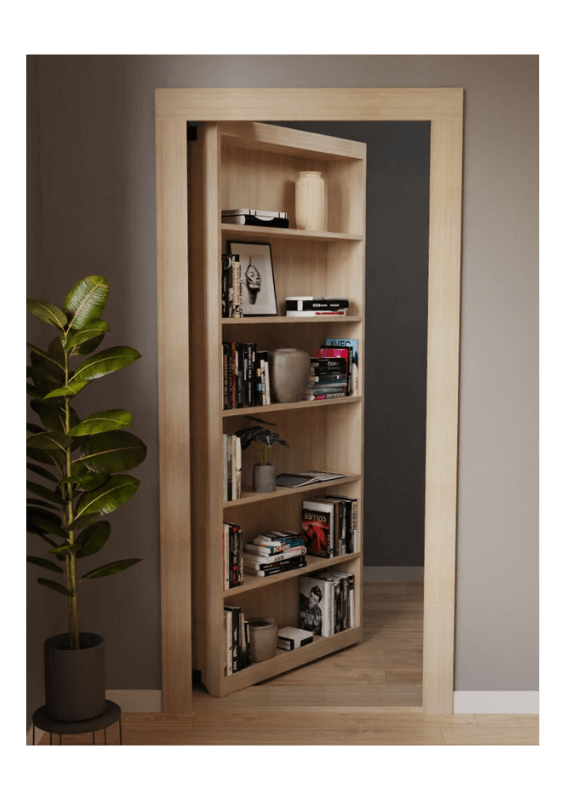
A magnetic or push latch keeps the door closed without a handle. Mount the latch inside the door and the shelf frame. The magnetic latch pulls the door tight and holds it firmly. The push latch lets you open the door by pressing it gently. Both options keep the door neat and hidden.
Camouflaging The Door Edges
Hide the door edges by aligning the wood grain or paint color. Use thin strips of wood or trim to cover any gaps. Fill small cracks with wood filler and sand smooth. This step stops light or shadows from revealing the door. The edges should look like part of the shelf, not a door.
Finishing Touches
The finishing touches make your hidden bookshelf look complete and neat. This step improves both the look and function of your project. Small details create a polished, professional appearance. Follow these easy steps to finish your bookshelf perfectly.
Sanding And Painting
Start by sanding the wood to smooth rough spots. Use fine-grit sandpaper for a soft finish. Wipe off dust with a clean cloth. Choose paint or stain to match your room’s style. Apply thin, even coats for best results. Let each coat dry fully before adding another. Sand lightly between coats for a smooth surface.
Installing Shelves
Measure shelf spaces carefully to fit your items. Attach brackets securely to support the shelves. Place shelves evenly for a balanced look. Test shelves for stability before loading them. Adjust shelf height if needed for books or decor. Secure shelves tightly to prevent slipping or sagging.
Styling With Books And Decor
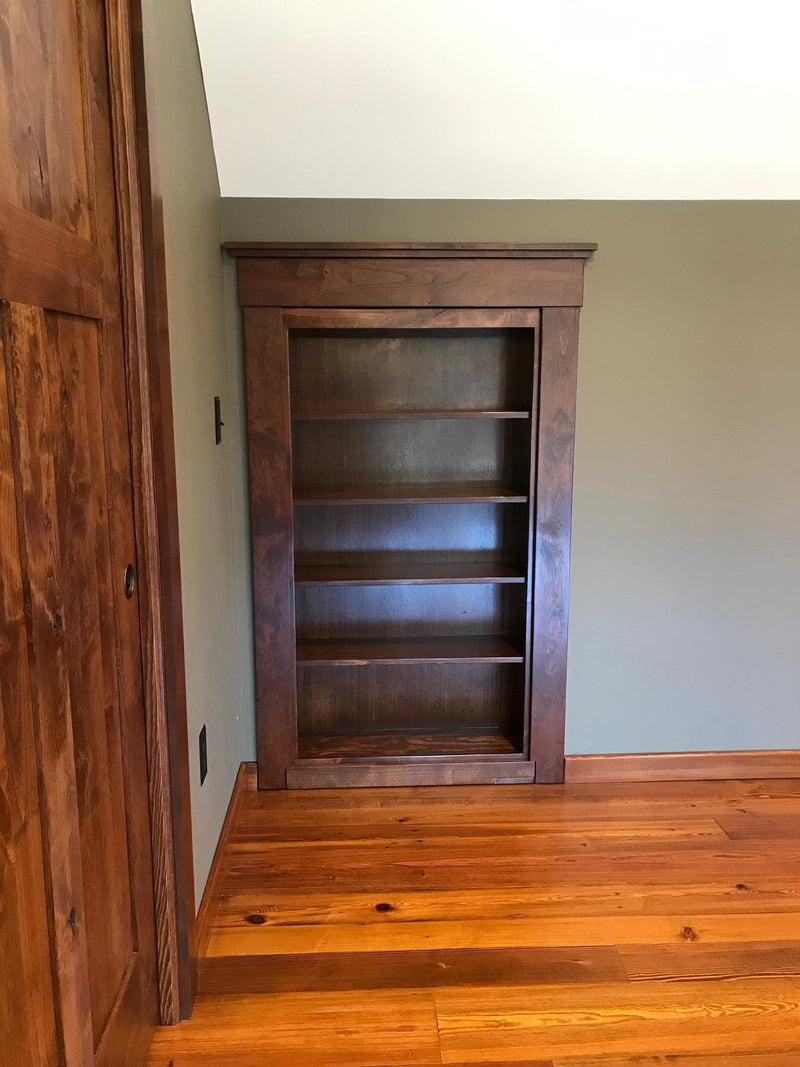
Arrange books by size, color, or theme for a neat look. Mix books with decorative items like plants or pictures. Use small objects to fill empty spaces and add interest. Avoid overcrowding shelves to keep the hidden door accessible. Change decor seasonally to refresh your space. Keep the area clean to enhance the shelf’s appeal.
Credit: www.hideawaydoors.com
Maintenance Tips
Maintaining your bookshelf that hides an attic door keeps it working well and looking great. Regular care helps avoid damage and keeps the door easy to open. Small checks and cleaning go a long way in preserving the shelf’s function and style.
Checking Hinges Regularly
Look at the hinges every month. Make sure they are tight and not loose. Loose hinges can cause the door to sag or stick. Use a screwdriver to tighten screws if needed. Listen for any squeaking sounds. A little oil on the hinges stops noise and helps smooth movement.
Cleaning And Upkeep
Dust the bookshelf often to keep it neat and fresh. Use a soft cloth to wipe all surfaces gently. Avoid wet cloths that may damage the wood. Clean the door edges and corners too. Keeping the shelf clean prevents dirt buildup, which can cause problems over time.
Adjusting The Door Mechanism
Check the door’s alignment to make sure it opens easily. If the door sticks or rubs, adjust the hinges or latch. Small tweaks fix most problems quickly. Test the door after adjustments to ensure smooth operation. Proper alignment saves effort and prevents wear on the door and shelf.
Credit: hiddendoorstore.com
Frequently Asked Questions
How Do I Measure For A Bookshelf To Hide An Attic Door?
Measure the attic door’s height, width, and depth accurately. Add extra space for door clearance and shelf thickness. This ensures the bookshelf fits perfectly and opens without obstruction.
What Materials Are Best For Building A Hidden Attic Door Bookshelf?
Use sturdy plywood or hardwood for durability. Choose quality hinges and magnetic catches for smooth door operation. Paint or stain the bookshelf to match your room decor.
How Can I Make The Bookshelf Door Blend With My Room?
Use matching paint, stain, or wallpaper on the bookshelf. Add books and decorative items to disguise the door. Ensure shelf edges align with adjacent walls for seamless integration.
What Tools Are Needed To Build A Hidden Bookshelf Door?
Basic tools include a saw, drill, screwdriver, measuring tape, and level. Clamps and sandpaper help with assembly and finishing. Having these tools ensures precise construction and easy installation.
Conclusion
Building a bookshelf to hide an attic door adds charm and function. It keeps your space neat and offers extra storage. Follow simple steps, measure carefully, and use the right tools. Choose materials that match your room style. Take your time and enjoy the process.
Soon, you will have a clever, stylish solution for your attic door. This project fits well in many homes and improves room flow. Try it yourself and see the difference it makes.