Are you ready to create a bookshelf that’s as fun as it is functional? Making a Lego bookshelf might sound tricky, but with the right steps, you can build a unique piece that shows off your creativity and keeps your books organized.
Imagine having a colorful, sturdy shelf that’s completely your own design. In this guide, you’ll discover simple tips and tricks to turn ordinary Lego bricks into a bookshelf you’ll be proud to display. Keep reading, and let’s build something amazing together!
Materials Needed
Building a Lego bookshelf is fun and creative. The right materials make the project easier and stronger. Gather all supplies before starting. This helps keep the work smooth and fast.
Types Of Lego Bricks
Choose strong and large Lego bricks for the base. Regular 2×4 and 2×2 bricks work well. Use flat plates for shelves to hold books firmly. Corner and edge pieces add stability. Transparent bricks can make your shelf look unique. Pick bricks that fit tightly together to avoid wobbling.
Additional Tools And Supplies
Prepare a flat surface to build on. A small Lego brick separator helps fix mistakes quickly. Use a ruler or tape measure to check shelf sizes. Soft cloth can protect bricks from scratches. Keep small containers to sort bricks by color and size. These tools make building neat and simple.
Planning Your Bookshelf
Planning your Lego bookshelf is the first step to a successful build. You need a clear idea before starting. This helps avoid mistakes and saves time. A good plan makes your bookshelf sturdy and useful.
Think about what you want your bookshelf to hold. Books, toys, or decorations? The size and shape depend on this. Careful planning makes the building process smooth and fun.
Choosing The Size And Shape
Decide how big your bookshelf should be. Measure the space where it will stand. Small shelves fit tight spaces. Large shelves hold more items.
Pick a shape that fits your room style. Rectangles and squares are easy to build. Creative shapes can make your shelf stand out. Choose one that suits your needs and skills.
Designing The Structure
Plan the structure carefully for strength and balance. Use sturdy Lego bricks for the base. Make sure shelves have support on both sides.
Think about how many shelves you want. Space them to fit different book sizes. Add extra bricks for stability if needed. A strong structure keeps everything safe.
Building The Base
Building the base is the first step to making a strong Lego bookshelf. It supports the entire structure. A good base keeps the bookshelf steady and safe for your books.
Focus on making the base wide and flat. This helps balance the weight of the books above. Use enough pieces to avoid gaps and weak spots.
Creating A Stable Foundation
Start with a large, flat Lego plate. This acts as the floor of your bookshelf. Attach bricks tightly to cover the plate fully. Use bricks that fit well together without gaps.
Place the base on a flat surface. Check for any wobbling or uneven spots. Fix these by adding more bricks or adjusting the plate.
Reinforcing The Bottom Layer
Add extra layers of bricks on top of the base plate. Overlap joints between bricks for better strength. This makes the base less likely to break under weight.
Use longer Lego bricks for the bottom layer. They help hold the structure together. Press all bricks firmly to avoid loose connections.
Constructing The Shelves
Constructing the shelves is a key step in making a Lego bookshelf. The shelves hold your books and need to be sturdy. Planning the layers and spacing carefully helps create a strong structure. Thoughtful building ensures the shelves can support weight without bending or breaking.
Layering And Spacing
Start by deciding how many shelves you want. Think about the height of your books. Each shelf should have enough space between layers. Use flat Lego plates for the base of each shelf. Stack bricks to build the sides and back. Leave gaps wide enough for books to fit easily. Keep shelves evenly spaced for a neat look.
Ensuring Strength And Support
Use overlapping bricks to make shelves stronger. Avoid stacking bricks in straight lines. Connect bricks across layers for better hold. Add extra support beams under each shelf. Reinforce corners with strong Lego pieces. Test the shelf by placing a few books. Adjust if it feels weak or wobbly.
Adding Decorative Elements
Adding decorative elements to your Lego bookshelf makes it unique and fun. Decorations bring life and style to the basic structure. They help your bookshelf stand out and match your room’s look. Small touches can make a big difference in the final design.
Color Patterns And Themes
Choose colors that match your room or favorite styles. Use blocks in repeating patterns for a clean, organized look. Mix bright colors for a playful, eye-catching shelf. Stick to one color theme for a calm and simple design. Patterns add rhythm and balance to the bookshelf’s appearance.
Personalizing With Custom Pieces
Add custom Lego pieces that show your personality. Use mini figures, special bricks, or nameplates. Custom pieces can tell a story or highlight hobbies. They make your bookshelf feel truly yours. Small, personal touches create a special connection with your creation.

Credit: www.youtube.com
Final Assembly Tips
Final assembly is the last step in building your Lego bookshelf. It ensures your creation stays strong and looks great. Careful attention here makes your shelf safe and useful.
Securing Loose Bricks
Check every brick for tightness. Press down gently but firmly on loose pieces. Use small Lego plates to lock weak spots. This stops bricks from falling off over time. Focus on corners and edges, as they take more weight.
Testing Stability
Place the shelf on a flat surface. Push it lightly from different sides. The shelf should not wobble or lean. Add extra support bricks if it moves. Test with a few books to see if it holds well. A stable shelf is safe for daily use.
Maintenance And Upkeep
Maintaining your Lego bookshelf keeps it strong and looking great. Regular care helps avoid damage and keeps it clean. Simple steps can extend the life of your Lego creation. Small efforts make a big difference in keeping your shelf neat.
Cleaning Your Lego Bookshelf
Dust can build up quickly on Lego shelves. Use a soft brush or cloth to remove dust gently. Avoid using water directly on the Lego bricks. For deeper cleaning, wipe bricks with a damp cloth and dry immediately. Keep the shelf away from direct sunlight to prevent colors from fading.
Repairing Damaged Sections
Bricks may loosen or break over time. Check your shelf regularly for loose pieces. Press bricks firmly back into place if they come loose. Replace any broken bricks with new ones of the same size and color. Keep extra Lego pieces handy for quick repairs.
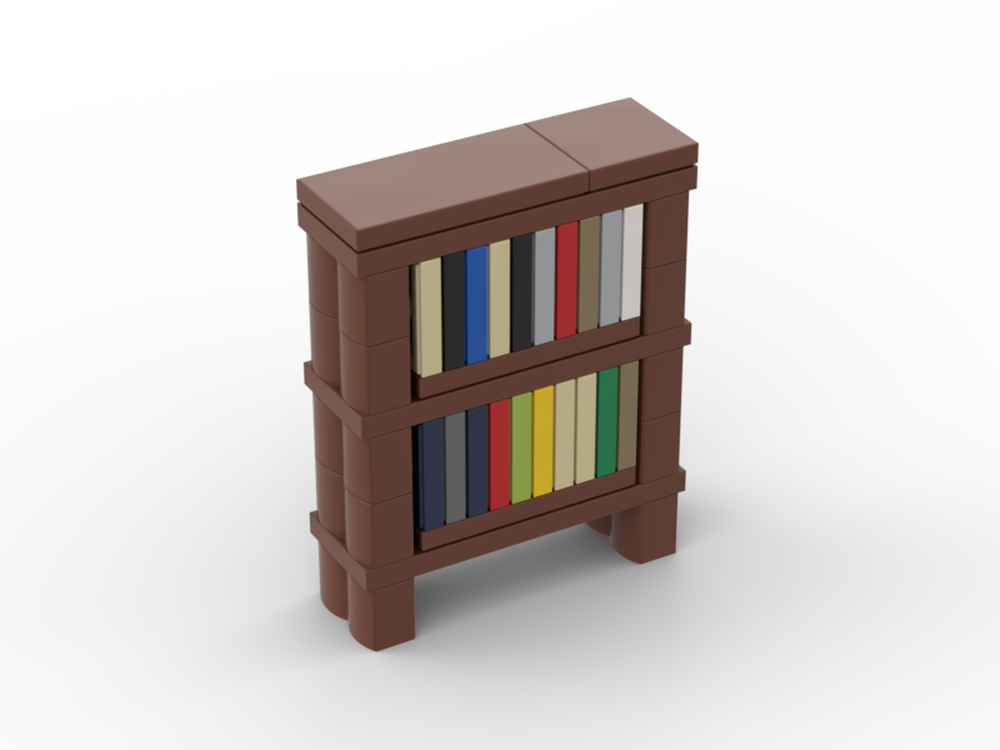
Credit: rebrickable.com

Credit: www.reddit.com
Frequently Asked Questions
How Do You Start Building A Lego Bookshelf?
Begin by designing the bookshelf size and shape. Gather enough Lego bricks, and build a sturdy base. Stack bricks layer by layer, ensuring stability. Use flat pieces for shelves to support books evenly.
What Materials Are Needed For A Lego Bookshelf?
You need a variety of Lego bricks, including base plates, flat pieces, and standard blocks. Choose bricks that fit well together. Optionally, use a Lego separator tool to adjust pieces easily during construction.
How Long Does It Take To Build A Lego Bookshelf?
Building time varies based on design complexity and size. A small bookshelf may take 1-2 hours. Larger or intricate designs can take several hours. Planning ahead speeds up the building process.
Can A Lego Bookshelf Hold Heavy Books?
A Lego bookshelf can hold light to medium-weight books. Use sturdy base plates and reinforce shelves with extra bricks. Avoid placing very heavy books to prevent structural damage or collapse.
Conclusion
Building a Lego bookshelf is simple and fun. It lets you use creativity and your hands. You can make shelves just the right size for your books. This project adds a personal touch to any room. Plus, it is a great way to recycle old Lego pieces.
Try different colors and shapes to make it unique. Enjoy building and showing off your new Lego bookshelf!