Are you looking to create a beautiful cabinet bookshelf that fits perfectly in your space? Building your own bookshelf gives you the freedom to design it exactly the way you want—sturdy, stylish, and just the right size.
Imagine having a custom piece that holds your favorite books and looks great in your room. In this guide, you’ll discover simple steps and expert tips to build a cabinet bookshelf with confidence, even if you’re new to woodworking. Keep reading, and by the end, you’ll be ready to start your project and enjoy the satisfaction of making something truly your own.
Choosing The Right Materials
Choosing the right materials is the first step in building a strong, lasting cabinet bookshelf. Materials affect the strength, look, and cost of your project. Good choices make the building process easier and the final product better.
Selecting Wood Types
Wood type changes the bookshelf’s style and durability. Hardwoods like oak and maple are strong and last long. Softwoods such as pine are easier to cut and cheaper but less durable. Plywood is a good choice for shelves because it resists warping. Choose wood with a smooth finish for easy painting or staining. Always pick wood that is straight and free of cracks.
Picking Hardware And Accessories
Hardware includes hinges, screws, knobs, and handles. Pick screws that fit the wood thickness well. Use metal hinges for strong cabinet doors. Knobs and handles add style and function. Select pieces that match the wood color and your room’s style. Don’t forget shelf supports to hold the weight. Choose quality parts to avoid repairs later.
Planning Your Design
Good planning is the first step in building a cabinet bookshelf. It saves time and avoids mistakes. You get a clear idea of what you want and how to build it.
Start by thinking about the space where the bookshelf will go. Consider the style and how many books or items it should hold.
Measuring Space And Dimensions
Measure the wall space carefully. Note the height, width, and depth available. Check for any obstacles like switches or vents.
Keep in mind the walking space around the bookshelf. Leave enough room for doors or furniture nearby. Accurate measurements help create a good fit.
Sketching The Layout
Draw a simple sketch of your bookshelf design. Include shelves, doors, and any special features. Use graph paper for better scale.
Label each part with dimensions. This makes it easier to build and buy materials. Change the sketch if needed before starting construction.
Gathering Tools And Supplies
Gathering the right tools and supplies is the first step to build a sturdy cabinet bookshelf. Having everything ready saves time and avoids frustration. This preparation helps you work safely and efficiently. Focus on quality tools that fit your project size. Here are the main items you need.
Essential Power Tools
A few power tools make building a cabinet bookshelf easier. A cordless drill helps to make holes and drive screws fast. A circular saw cuts wood pieces to exact sizes. A jigsaw is useful for cutting curves or shapes. A sander smooths rough edges and surfaces. These tools speed up your work and improve results.
Safety Equipment
Safety must be a priority in any woodworking project. Use safety goggles to protect your eyes from dust and debris. Wear ear protection to avoid damage from loud tools. Gloves protect your hands from splinters and sharp edges. A dust mask keeps you from breathing sawdust. Keep a clean workspace to prevent accidents.

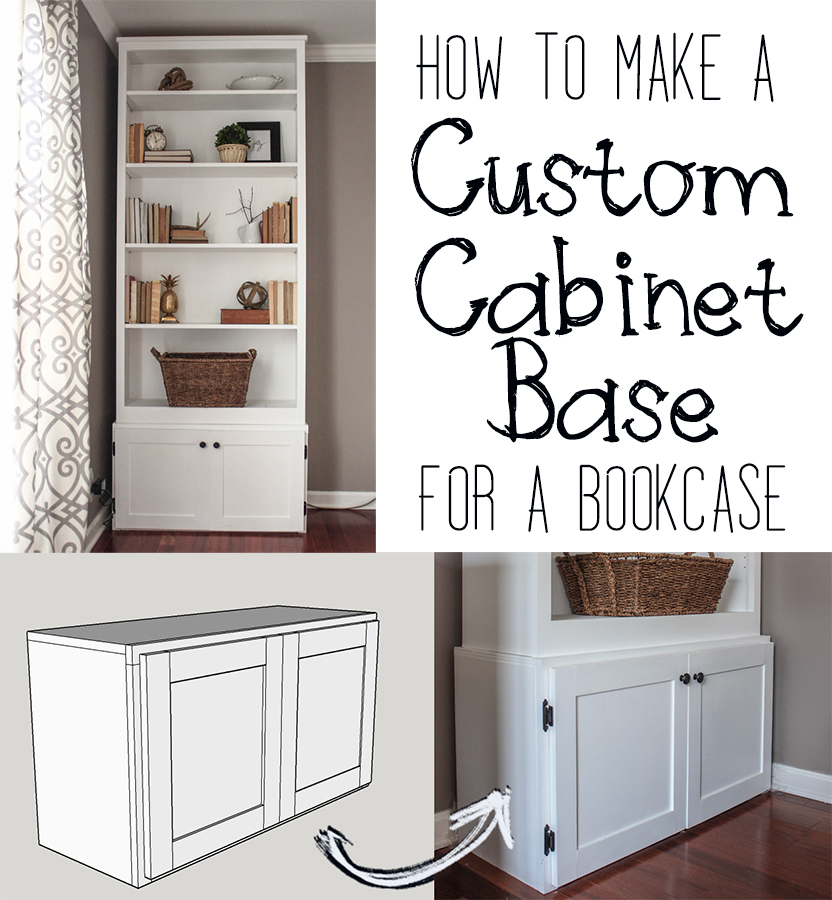
Credit: www.thriftydecorchick.com
Cutting And Preparing Wood
Assembling the frame is the first step in building a sturdy cabinet bookshelf. It creates the main shape and holds all parts together. A strong frame ensures your bookshelf will last for years. Focus on accuracy and use the right tools for better results.
Joining Panels
Start by joining the side panels to the bottom panel. Use wood glue along the edges for extra hold. Clamp the panels tightly to avoid gaps. Next, drill pilot holes to prevent wood from splitting. Secure the panels with screws for a firm fit. Check that all edges line up straight before tightening the screws fully.
Securing The Structure
Add the top panel after the sides and bottom are joined. Use the same glue and screw method for strength. Attach a back panel to square the frame and add support. Use nails or screws, depending on your tools. Make sure the frame does not wobble. Tighten all screws and remove clamps carefully. The frame should feel solid and steady before moving on.
Assembling The Frame
Adding shelves and cabinet doors completes your bookshelf’s look and function. Shelves hold your books neatly. Doors protect them from dust and dirt. Both parts need careful installation for a sturdy finish.
Installing Adjustable Shelves
First, measure the inside width of your cabinet. Mark where you want each shelf to sit. Use shelf pins or brackets to hold shelves in place. Drill small holes on the sides for pins. Make sure holes are level on both sides. Slide the shelf onto the pins gently. Check the shelf for balance and adjust if needed.
Attaching Door Hinges
Choose hinges that fit your door size and style. Place the hinge on the door edge and mark screw holes. Drill pilot holes to avoid splitting the wood. Attach hinges to the door using screws. Hold the door against the cabinet frame. Mark where the hinges meet the frame. Screw the hinges into the frame securely. Test the door to open and close smoothly. Adjust hinge screws for perfect alignment.

Credit: www.youtube.com
Adding Shelves And Cabinet Doors
Finishing touches give your cabinet bookshelf a polished look. They protect the wood and improve its appearance. Proper finishing makes the bookshelf last longer and feel smooth to touch. Follow these simple steps to complete your project.
Sanding And Smoothing
Start by sanding the entire surface of the bookshelf. Use medium-grit sandpaper first, then switch to fine-grit for a smooth finish. Sand in the direction of the wood grain to avoid scratches. Wipe away dust with a clean cloth before moving to the next step. Sanding creates a perfect base for paint or stain to stick.
Applying Paint Or Stain
Choose paint or stain that suits your style and wood type. Use a brush or cloth to apply it evenly on all surfaces. Apply thin coats and let each dry fully before adding another. Paint gives a solid color, while stain shows the wood’s natural beauty. Finish with a clear protective layer for durability and shine.
Finishing Touches
Maintaining your cabinet bookshelf keeps it looking fresh and lasting longer. Regular care prevents dirt buildup and damage. Follow simple steps to clean and fix small problems quickly. This saves time and money in the long run.
Cleaning Methods
Dust your bookshelf weekly using a soft cloth or duster. Avoid wet cloths on wood surfaces. For deeper cleaning, use a mild soap mixed with water. Dip a cloth in the mix, wring it well, then wipe the shelves gently. Dry the surface immediately with a clean, dry cloth. Never use harsh chemicals or abrasive cleaners. These can damage the finish and wood.
Repairing Minor Damages
Small scratches or dents can be fixed easily. Use a wood filler or wax stick matching your shelf’s color. Apply it gently to the damaged area. Let it dry, then smooth it with fine sandpaper. For loose screws or hinges, tighten them with a screwdriver. Check your bookshelf regularly to catch issues early. This keeps your cabinet sturdy and looking good.
Credit: www.shadesofblueinteriors.com
Frequently Asked Questions
What Materials Are Needed To Build A Cabinet Bookshelf?
To build a cabinet bookshelf, you need plywood, wood screws, wood glue, paint or stain, hinges, and handles. Also, gather tools like a saw, drill, measuring tape, and sandpaper for smooth finishes.
How Long Does It Take To Build A Cabinet Bookshelf?
Building a cabinet bookshelf typically takes 6 to 10 hours. This depends on your experience and the bookshelf’s complexity. Proper planning and preparation can help speed up the process.
What Is The Best Wood Type For Cabinet Bookshelves?
Plywood and hardwoods like oak, maple, or birch are best. They offer strength, durability, and a smooth finish. Choose wood based on your budget and desired look.
How Do I Ensure My Bookshelf Cabinet Is Stable?
Use sturdy materials, secure joints with screws and glue, and add a back panel. Level the base and anchor it to the wall for extra stability.
Conclusion
Building a cabinet bookshelf is a rewarding project anyone can try. Start with a clear plan and gather all materials first. Take your time cutting and assembling each part carefully. Use simple tools and follow safety steps closely. This DIY project adds both style and storage to your space.
Enjoy the satisfaction of creating something useful with your own hands. Keep practicing, and your skills will improve. Ready to build your next piece? Give it a go!
