Struggling to find space for your books in a small room? You’re not alone.
Creating a bookshelf that fits perfectly without crowding your space can feel tricky. But what if you could turn a tight corner or an empty wall into a stylish, practical storage spot? You’ll discover simple, clever ways to build a bookshelf that makes your room feel bigger, not smaller.
Keep reading, and you’ll soon have a cozy, organized space where your books truly belong.
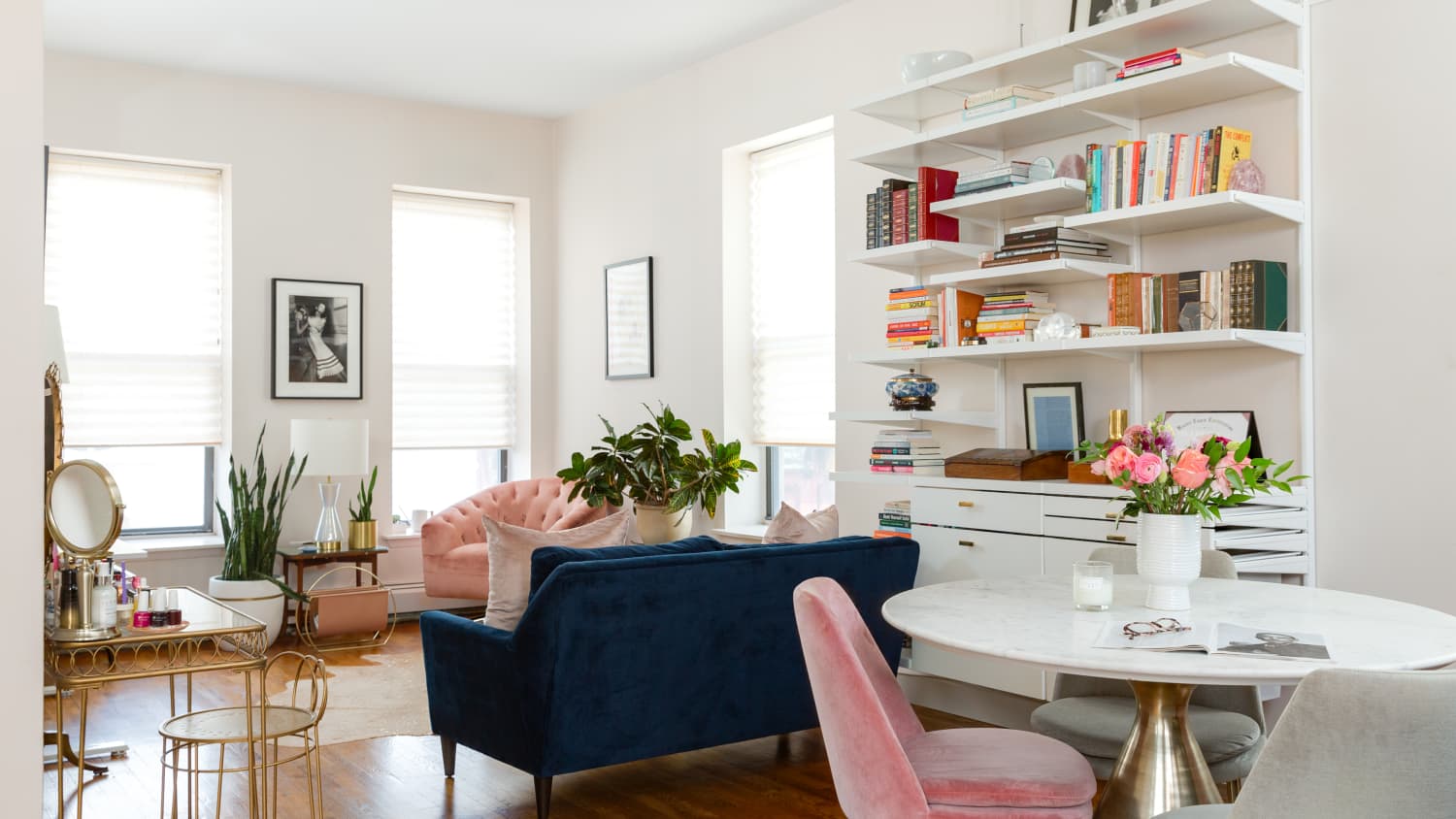
Credit: www.apartmenttherapy.com
Choosing The Right Bookshelf
Choosing the right bookshelf is important for a small room. It helps you save space and keep things tidy. The right shelf fits your room size and style. It also holds your books without crowding the area. Consider size, shape, and function before buying. This makes your small room look bigger and organized.
Compact Designs For Small Spaces
Compact bookshelves are perfect for small rooms. They take up less space while holding many books. Look for narrow shelves or tall, slim units. These fit into corners or small wall areas. Some shelves have open backs to create a light, airy feel. Choose a design that does not block light or walkways.
Multi-functional Shelves
Multi-functional shelves add extra value to small rooms. They combine storage with other uses. Some shelves include desks, drawers, or seating areas. These pieces save space by serving more than one purpose. A shelf with a built-in desk is great for work and storage. Think about how you can use the shelf for different needs.
Materials And Durability
Material affects how long a bookshelf lasts. Wood shelves are strong and classic. Metal shelves often look modern and are sturdy. Plastic shelves are lightweight and easy to move. Choose a material that suits your room style and budget. Check for quality to avoid shelves that break or wobble. Durable shelves keep your books safe and look good.
Creative Placement Options
Creative placement options help you fit bookshelves in small rooms without crowding. These ideas use space smartly and add style to your room. Small rooms need smart design to keep things neat and open. Clever placement keeps your books handy and your room bright.
Utilizing Vertical Space
Use tall shelves to save floor space. Shelves that go up to the ceiling hold many books. Install shelves above doors or windows for extra storage. Vertical shelves draw the eye up, making the room feel taller. This trick uses empty wall space well.
Corner Shelves
Corners often stay empty but hold great potential. Corner shelves fit snugly and use hidden space. They can hold small books, plants, or decor. Floating corner shelves keep the floor free and open. This option adds storage without stealing room.
Under Window Storage
The space under windows is often unused. Build low shelves or cabinets here for books and things. This spot gets natural light, making reading cozy. Under window storage works as a bench too. It blends function with comfort in small rooms.
Diy Bookshelf Ideas
Creating a bookshelf in a small room can save space and add style. DIY bookshelf ideas let you build shelves that fit your space and needs. These ideas use simple materials and easy steps. You can make your room look neat and organized. Here are some popular DIY bookshelf styles for small rooms.
Floating Shelves
Floating shelves are fixed to the wall without visible brackets. They give a clean, modern look and save floor space. You can place them at any height to fit your room’s layout. Use wood or metal for a sturdy shelf. Paint the shelves to match your room colors. They hold books, plants, or small decorations.
Ladder Shelves
Ladder shelves lean against the wall like a ladder. They have several tiers for storing books and items. These shelves are easy to move and install. Ladder shelves take less space than traditional bookcases. Choose a narrow design for tight corners. Use wood or metal to suit your room style. They add charm and function to small rooms.
Recycled Materials
Use recycled materials to make unique bookshelves. Old crates, pallets, or boxes work well. Sand and paint them to create fresh shelves. Stack crates for a flexible and cheap bookshelf. This approach is good for small budgets and eco-friendly homes. Recycled shelves add character and save money. Customize the design to fit your room perfectly.
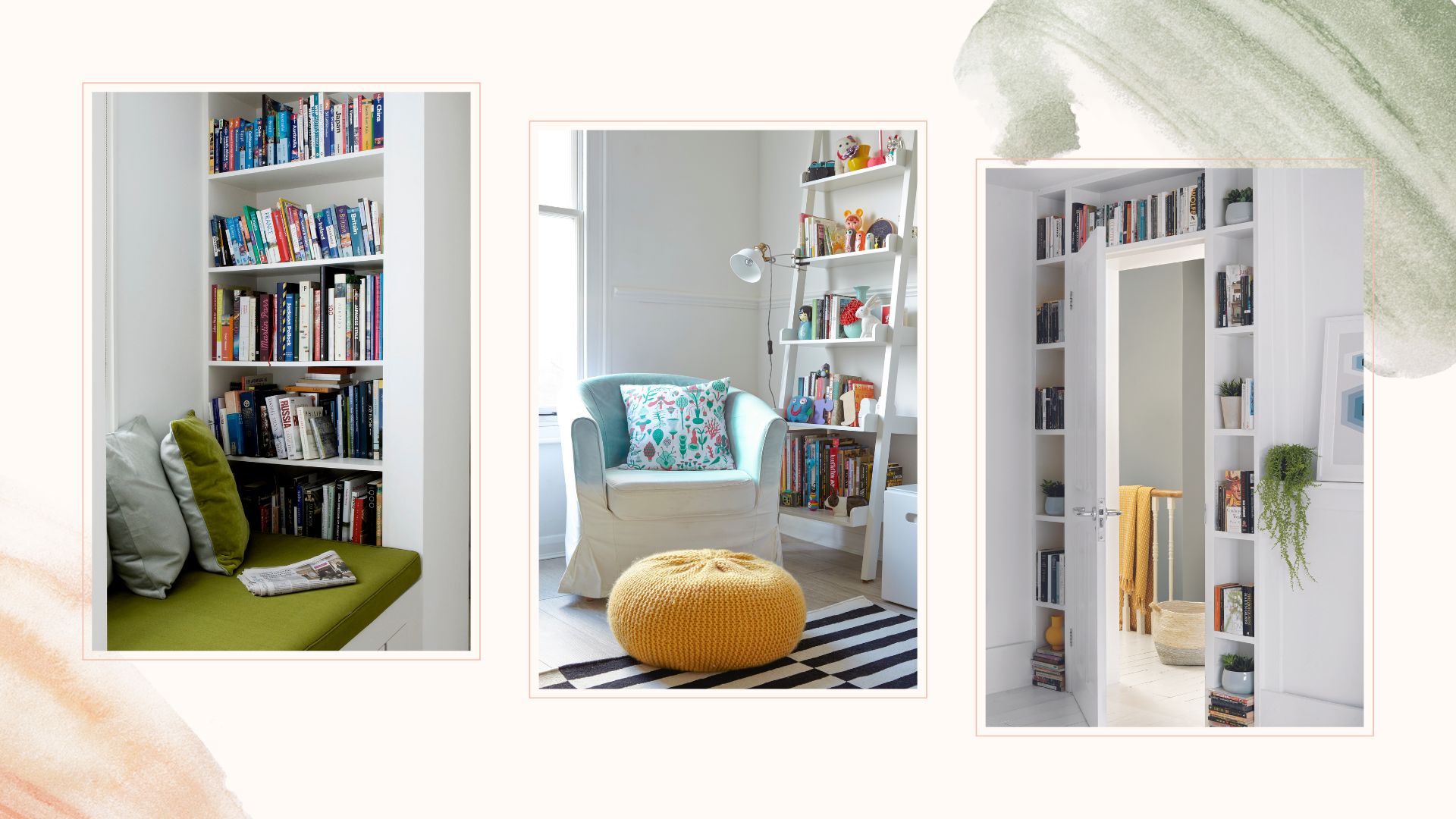
Credit: www.womanandhome.com
Organizing Books Efficiently
Organizing books efficiently makes a small room feel tidy and spacious. It saves time when finding a book. A well-arranged shelf looks neat and inviting. Simple methods help keep books in order without clutter.
Categorizing By Size And Genre
Group books by size to create a balanced look. Place tall books together and stack smaller ones. This avoids uneven shelves and wasted space. Sorting by genre helps find books fast. Keep fiction, non-fiction, and reference books separate. Use labels if needed for quick access.
Using Bookends And Dividers
Bookends keep books upright and prevent falling. Choose sturdy ones that match your room style. Dividers separate different sections on the shelf. They stop books from mixing and maintain order. Both tools save space and keep shelves clean.
Incorporating Decorative Items
Add small decor pieces between books to break monotony. Use plants, photo frames, or small sculptures. These items add personality and charm. Keep decorations minimal to avoid clutter. This mix of books and decor enhances the room’s look.
Maximizing Space With Built-ins
Maximizing space in a small room can be a challenge. Built-in bookshelves offer a smart solution. They fit perfectly into your room’s shape. They use space that might otherwise go wasted. Built-ins create more storage without taking extra floor space. They keep your room tidy and stylish. Here are some ideas to make the most of built-ins.
Custom Wall Units
Custom wall units fit your room exactly. They use every inch of space on your walls. You can design shelves to hold your books and decor. Built-in cabinets below add hidden storage for clutter. Tall units draw the eye upward, making the room feel bigger. Custom units create a clean, organized look.
Shelving Around Doors
Shelving around doors is a clever use of small spaces. Narrow shelves fit beside or above door frames. These spots often stay empty and unused. Use them for books, plants, or small items. This frees up other areas for bigger furniture. Shelving around doors adds charm and function.
Integrated Seating And Storage
Combine seating with storage to save space. A built-in bench under a window can hold books inside. The top acts as a cozy reading spot. Drawers or cabinets below keep things neat. This dual-purpose design adds comfort and order. It makes a small room feel warm and practical.

Credit: www.theprettycitygirl.com
Maintaining A Clutter-free Shelf
Maintaining a clutter-free shelf in a small room is key to keeping the space neat and inviting. A clean shelf makes the room feel larger and more organized. It also helps you find books and items easily without stress.
Simple habits and smart storage choices keep your shelf tidy. The right balance between books and decor creates a pleasant look without overcrowding. Let’s explore practical ways to maintain a clutter-free shelf.
Regular Decluttering Tips
Set a schedule to review your shelf every few weeks. Remove books you no longer read or need. Donate or recycle old magazines and papers. Keep only the items that bring value or joy. This routine stops clutter from building up.
Use a small box or bag to collect things for removal. This makes the process quick and easy. Decluttering often saves space and refreshes the shelf’s look.
Storage Baskets And Boxes
Use baskets or boxes to store small items neatly. They hide clutter and keep similar things together. Choose containers that fit your shelf size well. Label them for easy access. This method prevents items from scattering and keeps the shelf clean.
Clear boxes also help you see what’s inside without opening them. Use fabric baskets for a soft, cozy feel. Storage solutions add style and function at once.
Balancing Books And Accessories
Arrange books both vertically and horizontally for visual interest. Leave space for a few accessories like plants or photo frames. Avoid overcrowding by limiting decorative items. Balance adds charm without chaos.
Group books by size or color to create order. Place heavier items on lower shelves for safety. A balanced shelf looks tidy and inviting, improving the room’s overall feel.
Frequently Asked Questions
How To Maximize Space For A Bookshelf In A Small Room?
Use vertical shelves to save floor space. Choose wall-mounted or corner units. Keep books organized by size or category. Add multi-functional furniture with built-in storage to optimize room space effectively.
What Materials Work Best For Small Room Bookshelves?
Lightweight materials like plywood or MDF suit small rooms well. They are sturdy and easy to customize. Avoid bulky wood that can overwhelm the space. Glass shelves create an airy, open feel while supporting light items.
Can Floating Shelves Improve Small Room Aesthetics?
Yes, floating shelves enhance room aesthetics by freeing up floor space. They provide a clean, modern look and allow creative book displays. Use them to highlight favorite books or decor without cluttering the room.
How To Organize Books Efficiently On A Small Shelf?
Group books by size, genre, or color for neatness. Use bookends to keep them upright. Mix books with decorative items to break monotony. Regularly declutter to maintain an organized, functional bookshelf.
Conclusion
Creating a bookshelf in a small room saves space and adds style. Choose shelves that fit your wall size and room shape. Use vertical space well to keep the floor clear. Mix open and closed shelves for books and storage.
Keep the design simple to avoid clutter. This way, your small room stays neat and cozy. Enjoy your new, organized space every day.