Are you wondering when the right time is to move your toddler from a crib to a bed? It’s a big step for both you and your little one.
Making this change at the right age can help your child feel safe and comfortable, and it can also make your life easier. But how do you know when that moment has arrived? Keep reading, because we’ll guide you through the signs to watch for and the best age to make this important transition smooth and stress-free for your whole family.
When To Move Your Toddler
Deciding the right time to move your toddler to a bed can feel tricky. Each child grows at their own pace. Watching your toddler closely helps you know when they are ready. Some signs can guide your decision. Understanding typical age ranges also helps set realistic expectations. This way, you can make the change smoother for your child and yourself.
Signs Your Toddler Is Ready
Your toddler climbing out of the crib shows readiness. They may ask for a “big kid” bed. Growing too tall or uncomfortable in the crib is another sign. If your child wakes often from bumping into crib bars, it’s time. Showing interest in sleeping in a bed also matters. Safety is key; consider their mobility and awareness.
Common Age Ranges
Most toddlers move to a bed between 18 months and 3 years. Some children switch earlier, others later. The average age is around 2 years old. This fits many children’s physical and emotional growth stages. Trust your child’s behavior and comfort more than the calendar. Making the change too soon or late can cause stress.

Credit: annainthehouse.com
Choosing The Right Bed
Choosing the right bed for your toddler is a big step. It affects their comfort and safety. The bed should fit their size and needs. It also helps them feel secure and happy in their new sleeping space.
Parents often wonder whether to keep the crib or switch to a toddler bed. Understanding the differences helps make the best choice.
Crib Vs Toddler Bed
Cribs are designed for babies and younger toddlers. They have high sides to stop your child from falling out. Toddlers usually outgrow cribs by age two or three. Toddler beds are smaller than regular beds. They have low rails to prevent falls but allow easy climbing in and out. Toddler beds often use the same crib mattress. This makes the change easier for your child. Moving to a toddler bed encourages independence and helps build confidence.
Safety Features To Consider
Safety is the top priority when picking a bed. Check for smooth edges and no sharp corners. The bed should be sturdy and not wobble. Look for guardrails on both sides to stop falls. Avoid beds with gaps where your child can get stuck. The mattress should fit snugly inside the bed frame. Non-toxic paint and materials keep the bed safe. Make sure the bed is low to the ground. This reduces injury risk if your child falls out. Sleep safety is vital for peace of mind.
Preparing The Bedroom
Preparing the bedroom is a key step in moving your toddler to a big bed. A comfortable and safe space helps your child feel calm and ready to sleep. The room should invite rest and make bedtime a positive experience. Small changes can make a big difference in how your toddler adapts to the new bed.
Creating A Cozy Sleep Space
Choose soft bedding that feels good on your toddler’s skin. Use blankets and pillows that are safe and age-appropriate. Keep the room temperature cool and comfortable. Add a favorite stuffed animal or a small nightlight to make the space inviting. A cozy bed helps your toddler relax and look forward to bedtime.
Minimizing Distractions
Remove toys or objects that might keep your toddler awake. Turn off screens and loud noises before bedtime. Use blackout curtains to block outside light. Keep the room quiet and calm. A peaceful environment helps your child fall asleep faster and sleep better.

Credit: busytoddler.com
Establishing A Routine
Establishing a bedtime routine helps toddlers feel safe and ready for sleep. A steady routine signals the body that it is time to rest. This makes moving your toddler to a bed easier and smoother. Consistency is key. Repeating the same steps each night builds a strong habit. Toddlers thrive on predictability and calmness before sleep.
Consistent Bedtime Rituals
Create simple, clear steps for bedtime. Start with changing into pajamas, brushing teeth, and reading a story. Keep the order the same every night. This routine helps your toddler know what to expect. A familiar pattern reduces fussiness and bedtime resistance. It sets the tone for a peaceful night. Avoid surprises that might cause stress or excitement.
Calming Activities Before Sleep
Choose quiet activities to help your toddler relax. Reading a book, singing soft songs, or gentle cuddling work well. Avoid screens and loud play. These can make your toddler more awake. Dim the lights to create a cozy atmosphere. Soft voices and slow movements help slow down energy. Calm activities prepare the mind and body for rest.
Managing Resistance And Fear
Moving a toddler to a big bed can bring many challenges. One common issue is resistance and fear. Toddlers may feel scared or unsure about this new change. They might worry about sleeping alone or leaving their familiar crib. Helping them manage these feelings is key to a smooth transition.
Dealing With Bedtime Anxiety
Bedtime anxiety happens when toddlers feel nervous about sleeping in their new bed. This fear can cause crying or refusal to sleep. Stay calm and patient. Use a soft voice and gentle touch to comfort your child. Create a bedtime routine that feels safe and predictable. Reading a favorite story or using a nightlight helps. Avoid rushing or forcing the child to stay in bed. Instead, offer reassurance and small rewards for bravery.
Positive Reinforcement Techniques
Positive reinforcement encourages good bedtime behavior. Praise your toddler for trying to sleep in the big bed. Use simple words like “good job” or “I’m proud of you.” Small rewards like stickers or extra storytime work well. Celebrate each success, no matter how small. This builds confidence and reduces fear. Keep rewards consistent and clear to avoid confusion. Positive words and rewards make toddlers feel safe and happy about bedtime.
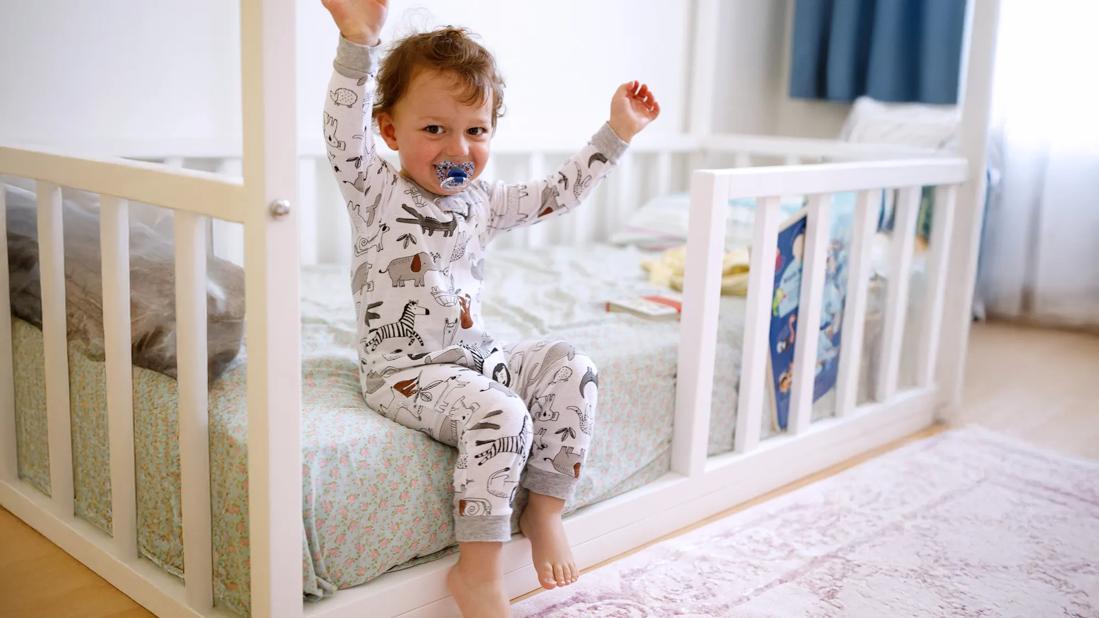
Credit: health.clevelandclinic.org
Handling Nighttime Wakings
Toddlers often wake at night, causing parents to wonder when to switch to a big bed. Most children move between 18 months and 3 years old. Watching your child’s readiness helps make the change smoother for better sleep.
Toddlers often wake up during the night. This is normal as they adjust to new sleep routines. Parents must handle these wakings with care. How you respond affects your child’s sleep habits. Patience and consistency are key. Helping your toddler feel safe encourages better sleep.
Responding To Calls For Parents
When your toddler calls out at night, stay calm. Go to them quietly and speak softly. Avoid turning on bright lights or making loud noises. This keeps the room calm and sleepy. Comfort them without picking them up too often. This helps your child feel safe and calm. Over time, reduce how much you stay with them. This teaches your toddler to settle back to sleep alone.
Encouraging Independent Sleep
Encourage your toddler to fall asleep alone. Create a bedtime routine that feels safe and soothing. Use a favorite toy or blanket for comfort. Put your child to bed when drowsy but awake. This helps them learn to fall asleep without help. Praise small steps toward sleeping independently. Consistent routines and gentle encouragement build confidence. Independent sleep leads to fewer nighttime wakings over time.
Tips For A Smooth Transition
Moving your toddler to a big bed can feel like a big step. It takes time and patience. A smooth change helps your child feel safe and happy. Small actions can make a big difference.
Focus on comfort and routine. This helps your toddler adjust without stress. Try to keep bedtime calm and positive. This way, your child looks forward to sleeping in the new bed.
Gradual Change Strategies
Start by letting your toddler play or rest in the new bed during the day. This helps them get used to the space. Move bedtime routines slowly from the crib to the bed. Do not rush the change in one night.
Use familiar blankets and toys in the new bed. This adds comfort and security. Stay close during bedtime at first. Gradually spend less time until your toddler feels safe alone.
Involving Your Toddler In The Process
Let your toddler help choose the new bed or bedding. This makes the bed feel special and exciting. Talk about the big bed positively. Use simple words your child understands.
Allow your child to share feelings about the change. Listen and give gentle answers. This builds trust and reduces fear. Celebrate small successes to encourage your toddler.
Frequently Asked Questions
When Is The Best Age To Move A Toddler To A Bed?
Most toddlers transition to a bed between 18 months and 3 years. This depends on their readiness and safety factors. Watch for signs like climbing out of the crib or showing interest in a bed.
How To Know If Toddler Is Ready For A Big Bed?
Signs include climbing out of the crib, expressing interest in beds, and improved sleep patterns. Also, toddlers who can follow simple instructions and stay in bed are usually ready for the switch.
What Are Safety Tips When Moving Toddler To A Bed?
Use bed rails to prevent falls and keep the room toddler-proofed. Remove sharp objects and ensure the bed is low to the ground for safety.
How To Make Toddler’s Bed Transition Smooth And Easy?
Introduce the bed gradually and maintain a consistent bedtime routine. Use comfort items like favorite blankets or stuffed toys to ease anxiety and encourage positive sleep habits.
Conclusion
Choosing the right age to move your toddler to a bed takes patience. Every child grows at their own pace. Watch for signs like climbing or showing interest. Safety and comfort matter most during this change. Keep bedtime routines steady to help your toddler adjust.
Trust your instincts and stay calm through the process. This transition can be smooth with love and care. Your toddler will enjoy their new bed soon enough.