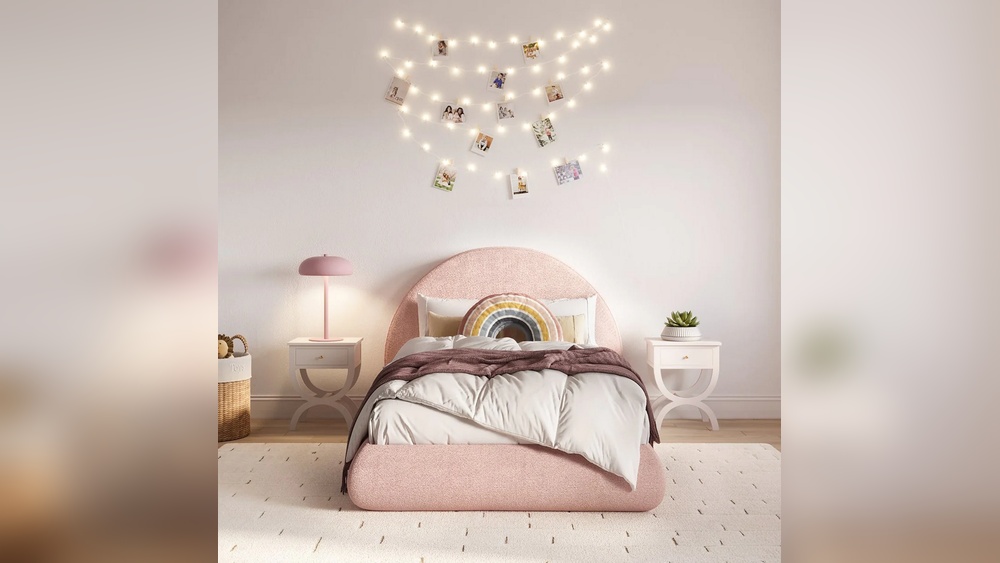
You want the best for your child’s space—a place that’s safe, healthy, and kind to the planet. Making sustainable kids furniture lets you create just that.
Imagine crafting pieces that not only look great and last long but also protect your little one from harmful chemicals and reduce waste. In this guide, you’ll discover simple, practical ways to choose eco-friendly materials and build furniture that fits your family’s values.
Ready to transform your child’s room with furniture that truly cares? Keep reading, and learn how easy it can be to make a difference with every chair, table, and shelf you create.

Credit: nofred.com
Eco Materials For Kids Furniture
Choosing eco materials for kids furniture helps protect the environment. These materials reduce waste and avoid harmful chemicals. Sustainable kids furniture also lasts longer and stays safe for children. Using natural and recycled resources supports a healthier planet and home.
Reclaimed And Sustainable Wood
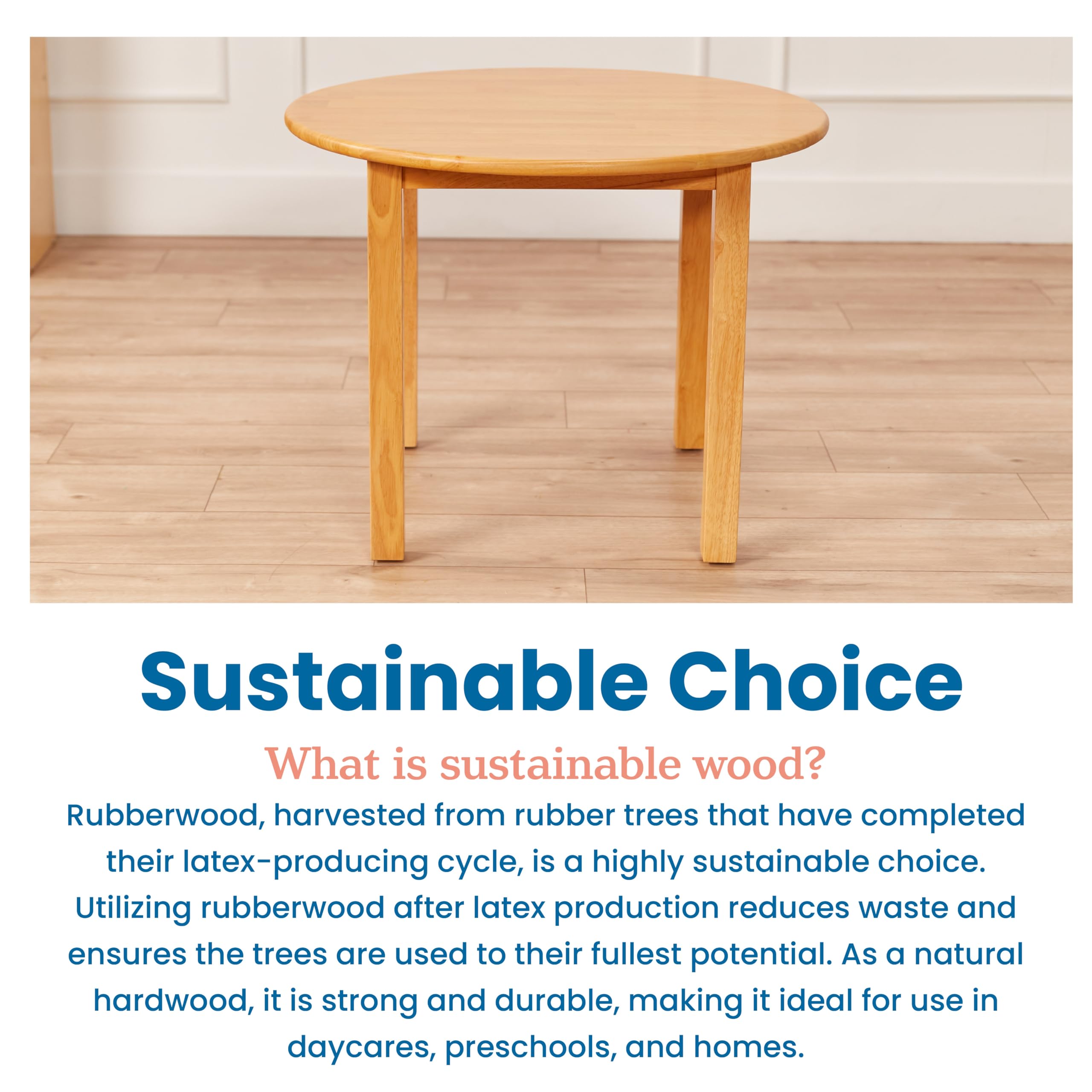
Reclaimed wood comes from old buildings or furniture. It saves trees by reusing existing wood. Sustainable wood comes from forests managed to regrow trees quickly. Both options reduce deforestation and lower carbon footprints. Wood is strong, durable, and perfect for kids furniture.
Bamboo And Natural Fibers
Bamboo grows fast and needs little water. It is a renewable resource that replaces hardwood. Natural fibers like cotton, wool, and hemp add softness to furniture pieces. These materials are biodegradable and free from harmful chemicals. Bamboo and fibers create safe, eco-friendly furniture for kids.
Recycled Metals And Plastics
Recycled metals use scrap steel or aluminum to make sturdy parts. This reduces mining and energy use. Recycled plastics come from bottles and containers, avoiding new plastic production. Both materials help keep waste out of landfills. They offer durability and modern design for children’s furniture.
Safe Finishes And Treatments
Choosing safe finishes and treatments is vital when making sustainable kids furniture. These finishes protect the wood and keep children safe from harmful substances. Using the right products ensures the furniture lasts longer and remains eco-friendly.
Low-voc And Non-toxic Paints
Low-VOC paints release fewer harmful gases into the air. They reduce indoor pollution and protect children’s health. Non-toxic paints contain no heavy metals or dangerous chemicals. These paints create a safer environment and keep furniture vibrant.
Natural Oils And Waxes
Natural oils and waxes nourish wood without harmful effects. They enhance the wood’s natural beauty and provide a smooth finish. Options like linseed oil and beeswax are renewable and biodegradable. They create a safe, gentle surface for kids to touch.
Avoiding Harmful Chemicals
Avoid finishes with formaldehyde, lead, or phthalates. These chemicals can cause health problems over time. Check labels carefully to ensure products are free from toxins. Choosing natural and certified safe treatments protects children and the environment.
Simple Diy Techniques
Making sustainable kids furniture can be simple and fun. With easy DIY techniques, anyone can create safe, eco-friendly pieces for children. These methods save money and reduce waste. Using basic skills and creative ideas helps build durable furniture that lasts.
Basic Woodworking Skills
Start with simple woodworking skills. Learn how to measure, cut, and sand wood properly. Use hand tools like saws, hammers, and screwdrivers. Practice making joints such as butt joints or dowels. These basics help create strong furniture frames. Choose sustainable wood like pine or bamboo. Work carefully to avoid splinters and sharp edges. Finish with non-toxic paint or natural oil to protect the wood safely.
Upcycling Old Furniture
Give old furniture a new life by upcycling. Find worn-out chairs or tables and repair them. Sand rough surfaces to smoothen. Paint or stain to refresh the look. Change knobs or handles for a fresh style. This method saves materials and lowers waste. Upcycled furniture has a unique charm kids love. It also teaches kids about reusing and caring for items.
Creating Modular Designs
Modular furniture offers flexibility and growth. Make pieces that can be rearranged or expanded. Use simple connectors like screws or clips. Design shelves or desks with removable parts. This adapts to changing needs as children grow. Modular designs reduce the need for new furniture. They save space and make cleaning easier. Kids enjoy customizing their own furniture setup.
Designing For Durability
Designing kids furniture for durability helps create pieces that last longer and reduce waste. Durable furniture withstands rough use and adapts to changing needs. This approach supports sustainability by lowering the need for frequent replacements. Focus on smart design and strong materials to achieve lasting kids furniture.
Choosing Long-lasting Materials
Select materials that resist wear and tear. Solid wood like oak or maple offers strength and longevity. Bamboo is a fast-growing, eco-friendly option that is also durable. Avoid materials that chip, crack, or degrade quickly. Low-VOC finishes protect children and the environment. Durable materials reduce waste and save money over time.
Building For Growth And Change
Create furniture that adapts as children grow. Adjustable shelves and extendable tables fit different ages and uses. Modular designs allow parts to be replaced or upgraded easily. Multi-functional pieces serve several purposes, reducing the number of items needed. This flexibility extends the furniture’s life and usefulness.
Easy Maintenance Tips
Design furniture for simple cleaning and upkeep. Smooth surfaces without sharp corners help avoid damage and injuries. Use finishes that resist stains and scratches. Teach kids to clean spills quickly to prevent permanent marks. Regularly check and tighten screws or bolts to keep furniture stable. Easy maintenance ensures furniture stays safe and attractive longer.
Incorporating Recycled Elements
Incorporating recycled elements transforms ordinary kids furniture into eco-friendly pieces. It reduces waste and gives new life to old materials. This approach saves resources and sparks creativity. Using recycled materials also teaches children about sustainability early on.
Using Cardboard And Paper
Cardboard and paper are lightweight and easy to work with. They can form the base for small chairs or storage boxes. Thick, layered cardboard offers strength and durability. Adding non-toxic paint or sealant protects the furniture from wear. This method uses materials often discarded after packaging.
Repurposing Plastic Toys
Old plastic toys can become colorful accents or functional parts. Broken toys turn into knobs, handles, or decorative inlays. Sorting and cleaning toys ensure safety and hygiene. This reduces plastic waste and creates unique designs. Children enjoy furniture that includes familiar toy pieces.
Combining Mixed Materials
Mixing wood, fabric scraps, and recycled metals adds texture and strength. Using different materials balances function and style. Fabric can cover cushions or panels made from reclaimed wood. Metal parts from old furniture provide support or decorative details. Combining materials creates durable and attractive kids furniture.
Credit: www.amazon.com
Eco-friendly Assembly And Tools
Choosing eco-friendly assembly methods and tools is vital for sustainable kids furniture. This approach reduces environmental impact and protects children’s health. Small changes in assembly can make big differences. Focus on using energy-saving tools, safe adhesives, and careful construction techniques.
Energy-efficient Tools
Use tools that consume less power during assembly. Cordless drills with long-lasting batteries are a smart choice. They reduce electricity use and allow easy movement. Hand tools like screwdrivers and hammers save energy completely. Keep tools well-maintained for better performance and less waste.
Non-toxic Adhesives
Select adhesives free from harmful chemicals. Low-VOC or water-based glues are safer for kids and the environment. Avoid adhesives with strong fumes or toxic ingredients. These can cause allergies and pollution. Always read labels to ensure the glue is child-friendly and eco-safe.
Safe Construction Practices
Build furniture with safety and sustainability in mind. Sand all edges smoothly to prevent splinters. Use non-toxic finishes like natural oils or waxes. Assemble pieces securely to avoid loose parts. This ensures the furniture lasts longer and stays safe for children.
Sustainable Kids Room Ideas
Designing a sustainable kids room means choosing materials and decor that are safe and kind to the planet. This approach reduces waste and supports a healthier lifestyle for children. Sustainability in kids’ spaces involves careful selection of furniture and textiles that last longer and avoid harmful chemicals.
A sustainable room also teaches children the value of caring for the environment. Simple changes create a positive impact. Here are some ideas to make a kids’ room eco-friendly and cozy.
Matching Furniture With Eco Decor
Select furniture made from reclaimed or FSC-certified wood. These options reduce deforestation and use existing resources wisely. Choose pieces with non-toxic finishes to keep air clean. Match furniture with decor made from recycled or natural materials. This creates a unified, eco-friendly look. Avoid plastic decor items that pollute the environment.
Natural Textiles And Upholstery
Use organic cotton, linen, or wool for bedding and curtains. These fabrics are grown without harmful pesticides and break down naturally. Select upholstery made from natural fibers instead of synthetic ones. Natural textiles are breathable and safer for kids’ sensitive skin. Avoid chemical treatments that can cause allergies or irritation.
Creating A Healthy Environment
Keep the room well-ventilated to reduce indoor air pollution. Use paints and finishes with low or zero VOCs (volatile organic compounds). Add houseplants to improve air quality naturally. Choose furniture and decor that are easy to clean without harsh chemicals. A healthy environment supports children’s growth and wellbeing every day.

Credit: nofred.com
Frequently Asked Questions
How Will You Create An Eco-friendly Furniture?
Create eco-friendly furniture using sustainable materials like reclaimed wood, bamboo, or recycled metals. Apply low-VOC finishes and use energy-efficient processes. Design for durability to minimize waste and frequent replacements, ensuring long-lasting, environmentally responsible furniture.
What Is The Most Sustainable Material For Furniture?
Bamboo is the most sustainable furniture material due to its rapid growth, renewability, and minimal environmental impact. Reclaimed wood also offers eco-friendly benefits by reducing waste. Choose natural, durable materials like hemp, cork, or FSC-certified wood to ensure sustainability and longevity in furniture.
What Are Eco-friendly Toys Made Of?
Eco-friendly toys use natural, biodegradable, or recycled materials like wood, bamboo, organic cotton, and cardboard. They avoid harmful chemicals and feature recyclable packaging.
What Is The Most Sustainable Wood For Furniture?
The most sustainable wood for furniture is bamboo, reclaimed wood, and FSC-certified hardwoods. They grow quickly and minimize deforestation.
Conclusion
Making sustainable kids furniture helps protect our planet and kids’ health. Use natural, recycled materials that last long and are safe. Choose simple designs to reduce waste and make repairs easy. This way, you save money and support a greener future.
Small changes in furniture choices can make a big difference. Start creating eco-friendly pieces today and inspire others to follow. Caring for the environment begins with thoughtful choices for children’s spaces.