Are you ready to create your own bookshelf speaker box that delivers great sound and matches your style? Building your own speaker box might seem tricky, but with the right steps, you can do it yourself—and enjoy the satisfaction of a custom audio setup.
In this guide, you’ll learn simple, clear instructions that anyone can follow, even if you’re new to DIY projects. By the end, you’ll have the skills to build a sturdy, high-quality speaker box that makes your music come alive. Keep reading, and let’s get started on turning your sound dreams into reality!
Choosing The Right Materials
Choosing the right materials is key to building a strong, good-sounding bookshelf speaker box. The materials affect the box’s durability and the sound quality. Picking the best wood and tools helps create a solid, neat speaker box.
Selecting Wood Types
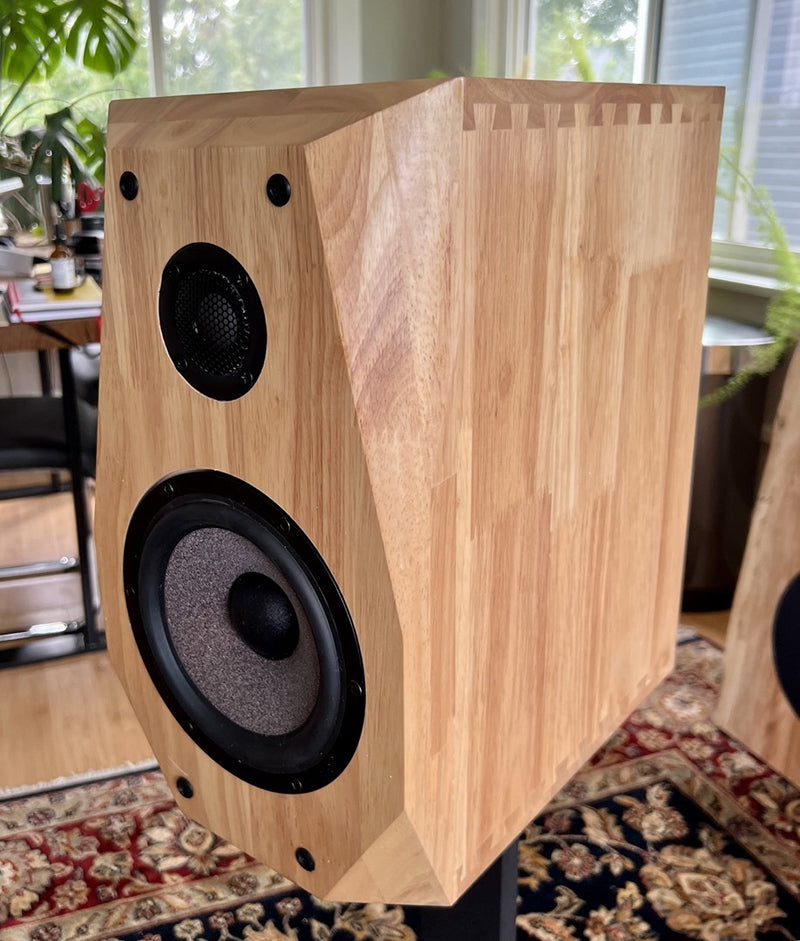
Wood choice impacts sound and strength. MDF (Medium Density Fiberboard) is popular for speaker boxes. It is dense and smooth, which helps reduce sound vibrations. Plywood is another option. It is lighter and easy to work with but may need extra sealing to stop sound leaks. Solid wood looks nice but can cause unwanted vibrations, affecting sound quality. Choose wood that is sturdy and easy to cut. Avoid soft woods that can warp or crack over time.
Essential Tools Needed
Having the right tools makes building easier and safer. A saw is a must for cutting wood pieces accurately. A drill helps in making holes for screws and speaker wires. Use clamps to hold pieces together while gluing or screwing. Sandpaper smooths rough edges and surfaces for a clean finish. Measuring tools like a tape measure and square ensure precise cuts and angles. Use these tools carefully for the best results.
Credit: iwistao.com
Designing Your Speaker Box
Designing your speaker box is a key step in building great bookshelf speakers. The box shape and size affect sound quality. A well-designed box helps speakers perform better. It reduces unwanted noise and improves bass response. Careful planning ensures your speakers will sound clear and balanced.
Start by deciding the right box size. The dimensions impact how sound waves move inside the box. Next, calculate the volume to match the speaker’s needs. This keeps the sound natural and powerful. A good design balances size, sound, and style.
Determining Dimensions
Measure your speaker driver to find the best box size. The width, height, and depth depend on the speaker parts. Leave space for the speaker cone to move freely. The box must be sturdy and avoid vibrations. Use thick wood or MDF for strong walls. Keep the shape simple for easy building and good sound.
Calculating Volume For Sound
Calculate the inside volume for correct sound tuning. Use the speaker’s manual for recommended volume. Measure the internal space, subtract wood thickness and bracing. The volume affects bass strength and clarity. Too small or too large can weaken sound quality. Adjust the size to fit your room and needs.
Cutting And Preparing Wood Panels
Cutting and preparing wood panels is a key step in building a bookshelf speaker box. It shapes the parts that hold everything together. Accurate cuts ensure the box fits well and sounds great. Taking time here saves problems later.
Choosing the right wood and cutting it carefully helps the speaker box last long. Clean edges and smooth surfaces make assembly easier. This section guides you through measuring and cutting safely.
Measuring And Marking
Start by measuring your wood panels carefully. Use a tape measure for exact lengths. Mark the cut lines with a pencil. Draw clear, straight lines for easy cutting. Double-check measurements before marking. Measure twice, cut once is a good rule. Mark all panels before cutting any piece.
Safe Cutting Techniques
Wear safety goggles and gloves before cutting wood. Use a stable work surface to prevent slips. Cut slowly along the marked lines for accuracy. Keep your hands away from the blade at all times. Use clamps to hold panels steady. Clean up sawdust often to see lines clearly. Follow tool instructions to avoid accidents.
Assembling The Speaker Box
Assembling the bookshelf speaker box is the step where your project takes shape. This phase requires care and precision to ensure a solid and durable enclosure. Proper assembly affects the sound quality and lifespan of your speaker. Focus on joining panels tightly and sealing every edge. These actions prevent air leaks and improve audio performance.
Joining Panels Securely
Start by aligning the panels carefully. Use clamps to hold pieces in place. Apply wood glue along the edges before joining them. Press firmly to create a strong bond. Screws or nails add extra support. Drill pilot holes to avoid splitting the wood. Check for square corners to maintain the box shape. Tight joints reduce vibrations and unwanted noise.
Sealing Edges For Air Tightness
Seal all internal edges with silicone or wood sealant. This step blocks air leaks that harm sound quality. Spread the sealant evenly with a small brush or finger. Pay special attention to corners and joints. Let the sealant dry fully before testing the box. An airtight box enhances bass response and clarity. Proper sealing also protects the speaker components from dust and moisture.
Installing Speaker Components
Installing the speaker components is a key step in building a bookshelf speaker box. This process sets the foundation for clear sound and a strong audio performance. Proper installation ensures the drivers work well inside the box. It also prevents issues like rattling or poor sound quality.
Careful handling and correct placement of each part make a big difference. The drivers must fit tightly without gaps. Wiring must connect securely and neatly to avoid shorts or loose signals. A clean setup helps the speaker last longer and sound better.
Mounting Drivers
Start by aligning the drivers with the pre-cut holes in the box. Use screws designed for speaker drivers to avoid damage. Tighten the screws evenly to hold the drivers firmly in place. Avoid over-tightening, which can crack the frame or wood. Check that the drivers sit flush against the box surface. This keeps vibrations low and sound clear. Foam or rubber gaskets between the driver and box help seal the fit and reduce air leaks.
Wiring And Connections
Use quality speaker wires for strong connections. Strip the wire ends carefully to expose enough metal for a good contact. Connect the positive and negative wires to the matching terminals on the drivers. Markings or colors on wires and terminals help prevent mistakes. Secure the wires so they do not touch moving parts. Soldering the connections adds strength and reduces signal loss. Double-check all connections before closing the box. Proper wiring keeps sound crisp and prevents shorts or damage.

Credit: everestkitchennc.com
Finishing Touches
Finishing touches give your bookshelf speaker box a polished look. They protect the wood and improve sound quality. Small details make a big difference in appearance and durability.
Sanding And Painting
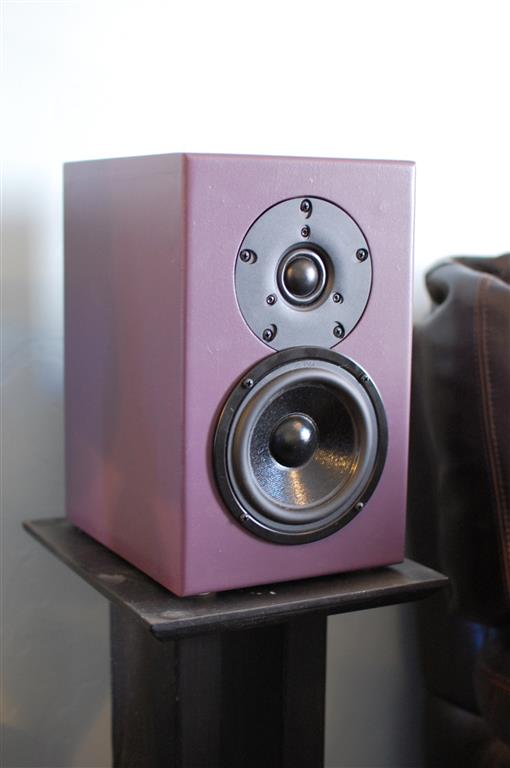
Sanding smooths the surface and removes rough spots. Use fine-grit sandpaper for the best finish. Wipe away dust before painting. Choose paint that suits wood and room style. Apply thin, even coats. Let each coat dry fully. Sand lightly between coats for smoothness.
Adding Grills And Feet
Speaker grills protect drivers from dust and damage. Pick grills that fit your box size. Attach grills securely but gently. Feet raise the speaker off the floor. They reduce vibrations and improve sound. Use rubber or felt feet for stability. Attach feet firmly to the bottom corners.
Credit: projectgallery.parts-express.com
Frequently Asked Questions
What Materials Are Needed To Build A Bookshelf Speaker Box?
You need plywood or MDF, wood glue, screws, speaker terminals, acoustic foam, and speaker drivers. These materials ensure durability and good sound quality.
How Do I Design The Size Of A Bookshelf Speaker Box?
Design the box size based on speaker driver specifications and desired sound output. Use online calculators for precise internal volume.
Can I Build A Bookshelf Speaker Box Without Special Tools?
Basic tools like a saw, screwdriver, drill, and clamps are enough. Special tools can improve precision but aren’t mandatory.
How To Improve Sound Quality In A Diy Bookshelf Speaker Box?
Use acoustic foam inside the box and seal all joints tightly. Proper driver placement and sturdy construction reduce vibrations and distortions.
Conclusion
Building your own bookshelf speaker box is a rewarding project. It lets you enjoy better sound at home. You can choose the size and style that fits your space. Using simple tools and clear steps makes the process easy. Take your time to measure and assemble carefully.
Your speakers will sound great with a solid box. Now, you have a custom speaker that matches your taste. Try it out and enjoy music like never before!