Are you ready to transform your space with a sleek, modern look? Hanging a large floating bookshelf might sound tricky, but with the right steps, you can do it yourself—and make your room look stunning.
Imagine your favorite books and decor artfully displayed, without bulky furniture taking up floor space. In this guide, you’ll discover simple, clear instructions that save you time and frustration. Keep reading, and you’ll soon have a stylish, sturdy floating bookshelf that impresses everyone who visits.
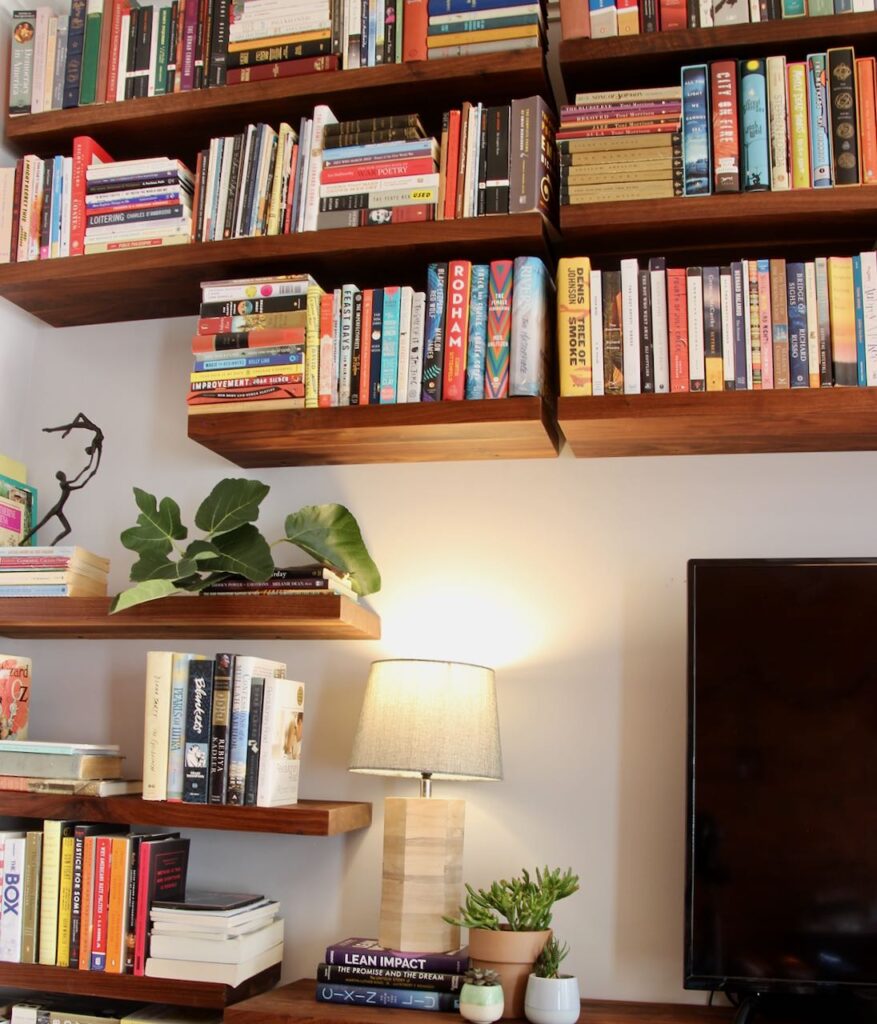
Credit: southhousedesigns.com
Choose The Right Bookshelf
Choosing the right floating bookshelf is key for a strong and stylish setup. The shelf must hold your books safely. It should also match your room’s look. Think about the shelf’s material, size, and style. These factors affect both function and appearance. A good choice makes your space neat and nice.
Material And Weight Considerations
Pick a material that supports your books well. Wood shelves are popular and strong. Metal shelves offer a modern look and great support. Some shelves use MDF or particleboard. These are lighter but may hold less weight. Check the shelf’s weight limit. Make sure it can hold all your books safely. A heavy shelf needs strong wall anchors too.
Size And Style Options
Measure the space before choosing a shelf size. Large shelves hold more books but need more wall space. Small shelves work in tight spots. Choose a style that fits your room’s design. Simple shelves suit modern rooms. Decorative shelves add charm to classic spaces. Balance size and style for a perfect look.
Gather Necessary Tools
Gathering the right tools is the first step to hang a large floating bookshelf safely. Having everything ready saves time and keeps the process smooth. Missing tools can cause delays or poor installation.
Essential Hardware And Equipment
Start with a sturdy drill and drill bits for wall anchors. Use a stud finder to locate wall studs. A level is key to keep the shelf straight. Screwdrivers and screws must fit the shelf’s brackets. Tape measure helps to mark exact spots. A pencil is useful for marking positions on the wall.
Safety Gear Recommendations
Wear safety glasses to protect your eyes from dust and debris. Gloves shield your hands from sharp edges and splinters. Use a dust mask if drilling creates a lot of dust. Closed-toe shoes protect your feet from dropped tools. Keep a first aid kit nearby for minor injuries.
Find The Ideal Location
Finding the ideal location for your floating large bookshelf is key. It affects both safety and style. Choose a spot that can hold the shelf’s weight. Also, pick a place that suits your room’s layout and use.
Good placement makes the shelf look balanced. It keeps your books easy to reach. Careful planning saves time and effort later.
Wall Type And Stud Detection
Check the type of wall before hanging your shelf. Drywall, plaster, and concrete walls need different anchors. Use a stud finder to locate wooden studs behind the wall.
Studs give strong support for heavy shelves. Mark the stud positions with a pencil. Avoid hanging on weak spots like drywall only. The right wall and studs keep your shelf secure.
Measuring And Marking Spots
Measure the shelf width and height carefully. Mark the spots on the wall where brackets will go. Use a level tool to keep marks straight and even.
Double-check all measurements before drilling holes. Accurate marks make installation smooth and prevent mistakes. Proper measuring ensures your shelf sits perfectly on the wall.

Credit: www.amazon.com
Prepare The Wall
Preparing the wall is the first step to hang a large floating bookshelf safely. It helps make sure the shelf stays strong and steady. Taking time to prepare the wall correctly prevents damage and keeps your books secure.
Start by clearing and cleaning the wall. This makes the surface ready for installation. Next, install anchors to support the weight of the shelf and books. Proper preparation gives the best results and long-lasting support.
Clearing And Cleaning
Remove any decorations, nails, or screws from the wall area. Clean the wall with a damp cloth to remove dust and dirt. A clean surface helps the anchors stick better. Let the wall dry completely before moving to the next step.
Installing Anchors For Support
Choose anchors that fit your wall type and shelf weight. Use a drill to make holes for the anchors. Push or screw the anchors into the holes firmly. Anchors hold the screws tightly and prevent the shelf from falling. Make sure the anchors are level and spaced properly for good balance.
Mount The Brackets
Mounting the brackets is a key step in hanging a large floating bookshelf. It gives the shelf support and keeps it steady. Proper bracket mounting ensures safety and durability. Take care to place and secure brackets correctly for the best results.
Aligning Brackets Evenly
Start by measuring the wall space for the brackets. Mark points where each bracket will go. Use a level to keep marks straight and even. Even spacing balances the shelf and avoids tilting. Check marks twice before drilling holes.
Securing Brackets Firmly
Use strong screws and anchors to fix the brackets. Drill holes at your marked points carefully. Insert anchors if the wall is drywall or plaster. Tighten screws fully to hold the bracket tight. Test each bracket’s firmness by gently pulling it.
Attach The Bookshelf
Attaching a large floating bookshelf is a key step. It holds all the weight and keeps the shelf steady.
Proper attachment prevents accidents and ensures your books stay safe. Follow these steps carefully for the best results.
Positioning The Shelf Correctly
Start by holding the shelf against the wall. Check that it is level using a spirit level. Mark the wall where the shelf will sit. Make sure the shelf is at a comfortable height for use.
Check for wall studs behind the marks. Studs provide the strongest support. Avoid placing the shelf only on drywall, as it may not hold the weight.
Final Fastening Tips
Use heavy-duty screws and wall anchors made for your wall type. Drill pilot holes to make screwing easier. Tighten screws firmly but avoid over-tightening.
Double-check the shelf for levelness after fastening. Gently test the shelf’s strength by applying light pressure. Secure any loose parts before placing books on the shelf.
Check Stability And Finish
After hanging your large floating bookshelf, checking its stability and finish is crucial. This step ensures the shelf is safe and looks great. Proper inspection prevents accidents and keeps your wall neat. Spend time on this part to enjoy your bookshelf fully.
Testing For Security
Start by gently pressing on the shelf. Push it up and down and side to side. The shelf should not move or wobble. Use a level to check if it is straight. Check the screws and brackets for tightness. If anything feels loose, tighten it carefully. Make sure the shelf holds some weight before placing heavy books.
Touching Up And Styling
Look for any marks or scratches on the wall or shelf. Use matching paint or touch-up pens to fix small spots. Clean the shelf surface to remove dust or fingerprints. Add decorative items or books to make it inviting. Keep heavier items near the wall for balance. Styling the shelf makes the room feel cozy and complete.
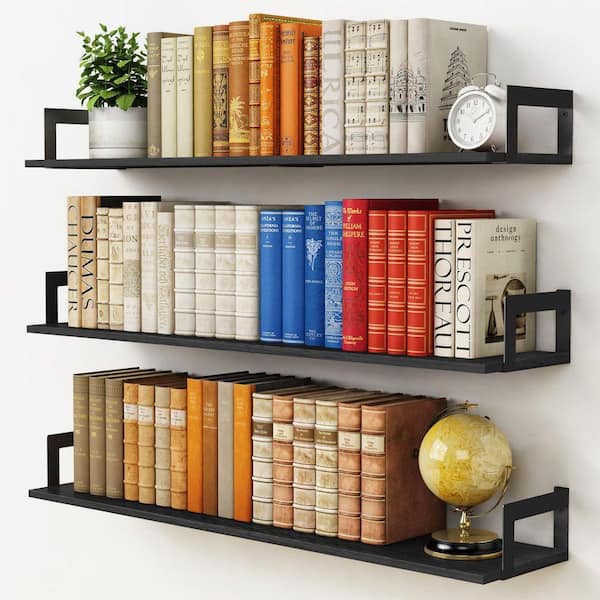
Credit: www.homedepot.com
Frequently Asked Questions
How Do I Securely Mount A Floating Large Bookshelf?
To securely mount a floating bookshelf, locate studs using a stud finder. Use heavy-duty wall anchors or screws. Ensure the shelf brackets are properly aligned and level for stable support.
What Tools Are Needed To Hang A Floating Bookshelf?
You need a stud finder, drill, level, measuring tape, screwdriver, pencil, and wall anchors or screws. These tools help ensure precise and secure installation of your floating bookshelf.
Can I Hang A Floating Bookshelf On Drywall Alone?
Hanging on drywall alone is not recommended for heavy shelves. Always secure floating bookshelves to wall studs or use strong anchors designed for drywall support to prevent accidents.
How High Should I Hang A Floating Bookshelf?
Hang the shelf at eye level or slightly above, typically 57 to 60 inches from the floor. This height offers easy access and an appealing look in most rooms.
Conclusion
Hanging a large floating bookshelf takes some care and the right tools. Measure carefully and use strong anchors to keep it steady. Take your time with each step for the best results. A well-mounted shelf adds style and saves space in any room.
Now, you can enjoy your books and decor with confidence. Simple steps bring a big change to your space. Try this project and see the difference it makes.