Have you ever wondered how much it really costs to make your own bookshelf? You might think building one yourself saves money, but there are hidden expenses that can add up quickly.
Understanding these costs before you start can help you avoid surprises and make smarter choices. You’ll discover the true price of creating a custom bookshelf, from materials to tools and everything in between. Keep reading to find out if DIY is the right path for your budget and style.
Credit: jenwoodhouse.com
Materials Needed
Building your own bookshelf requires careful selection of materials. The cost depends on what materials you choose. Each type affects the final look and durability. Knowing the essential materials helps plan your budget better.
Types Of Wood
Wood is the main material for bookshelves. Common options include pine, oak, and plywood. Pine is affordable and easy to work with. Oak is stronger but costs more. Plywood is cheaper and stable but less attractive. Choose wood based on strength, price, and appearance.
Fasteners And Adhesives
Fasteners hold the bookshelf parts together. Screws and nails are the usual choices. Screws provide stronger joints than nails. Wood glue adds extra strength and prevents wobbling. Buying quality fasteners ensures the shelf lasts longer. The amount and type affect the total cost.
Finishing Supplies
Finishing makes the bookshelf look good and last longer. Sandpaper smooths the wood surface before finishing. Paint, stain, or varnish protect the wood from damage. Each finishing option varies in price and appearance. Finishing supplies are essential for a polished final product.
Credit: jenwoodhouse.com
Tools Required
Building your own bookshelf requires some basic tools. These tools help you cut, join, and finish the wood properly. The cost of tools can add up, but many are affordable or can be borrowed. Understanding which tools you need helps plan your budget well.
Basic Hand Tools
Start with simple hand tools. A hammer is essential for nailing pieces together. A tape measure helps get accurate dimensions. A carpenter’s square ensures right angles. A hand saw cuts wood pieces by hand. Sandpaper smooths rough edges. These tools are affordable and easy to use.
Power Tools
Power tools speed up the work and improve precision. A power drill makes holes and drives screws quickly. A circular saw cuts wood faster and cleaner than a hand saw. An electric sander smooths large surfaces evenly. These tools cost more but save time and effort. Renting power tools is a budget-friendly option.
Safety Equipment
Safety is important during woodworking. Safety glasses protect your eyes from dust and wood chips. Ear protection guards against loud noises from power tools. Gloves keep your hands safe from splinters and sharp edges. A dust mask prevents inhaling sawdust. These items are low-cost but essential.
Cost Of Materials
Building your own bookshelf means buying different materials. These materials affect the total cost. Knowing their prices helps plan your budget. The main costs come from wood, hardware, and finishes like paint or stain. Each has a range of prices depending on quality and type.
Wood Prices By Type
Wood is the biggest cost for a bookshelf. Pine wood is cheap and easy to work with. It costs about $3 to $5 per board foot. Oak and maple are stronger but cost more, around $7 to $12 per board foot. Plywood is another option, cheaper but less durable. Its price ranges from $20 to $50 per sheet, depending on thickness and grade.
Hardware Costs
Hardware includes screws, nails, brackets, and shelf supports. Basic screws and nails cost only a few dollars for a box. Brackets and supports vary more, from $5 to $15 each. Higher-quality metal hardware lasts longer but costs more. Planning hardware needs can keep costs low.
Paint And Stain Expenses
Paint or stain finishes protect wood and add style. A small can of paint or stain costs around $10 to $20. Brushes or rollers add about $5 to $10. Choosing between paint and stain depends on the look you want. Both have affordable options for a neat finish.
:max_bytes(150000):strip_icc()/dominiquegebruinsta-35b11dd4f037417980649e06e17c4027.jpg)
Credit: www.thespruce.com
Tool Investment
Making your own bookshelf requires tools. These tools cost money. Understanding the tool investment helps you plan your budget well. The price depends on how many tools you need and their quality. Some tools you may use once, others many times. This affects how you buy or rent them.
Buying Vs Renting
Buying tools means paying more upfront. You own the tools forever. Renting tools costs less at first. You pay only for the time you use them. Renting suits rare or one-time projects. Buying works better if you build often. Compare costs based on how often you plan to build.
Tool Quality Impact
Cheap tools might break or work poorly. Good quality tools last longer and work better. They make your work easier and safer. Quality tools save time and reduce mistakes. They need less repair or replacement. Choose tools that fit your skill and project size.
Long-term Use Benefits
Owning tools saves money over many projects. You avoid repeated rental fees. Tools become familiar and easier to use. You can fix or upgrade them anytime. Long-term use builds your woodworking skills. Investing in tools helps if you plan more projects later.
Labor Time And Effort
Building your own bookshelf takes time and effort. Understanding the labor involved helps you plan better. The work depends on your skills and the complexity of the design. Patience and careful work can save you money and frustration.
Skill Level Influence
Your skill level changes the labor needed. Beginners spend more time learning and fixing errors. Experienced woodworkers work faster and with fewer mistakes. Basic woodworking skills can cut down your build time a lot. Knowing how to use tools safely is important.
Estimated Build Time
Simple bookshelves may take 4 to 8 hours to build. More complex designs can take several days. Time includes measuring, cutting, assembling, and finishing. Taking breaks helps maintain focus and avoid errors. Planning your work in steps makes the process smoother.
Potential Mistakes And Fixes
Common mistakes include wrong measurements and uneven cuts. These errors can waste materials and increase costs. Fixing mistakes might mean extra sanding or recutting parts. Double-checking measurements before cutting reduces errors. Taking your time helps create a strong, neat bookshelf.
Additional Expenses
Building your own bookshelf involves more than just wood and nails. Many extra costs come up during the project. These additional expenses can add up fast and affect your budget. Knowing what to expect helps you plan better.
Workshop Space Setup
You need a safe and clean space to build your bookshelf. Setting up a workshop might mean renting a spot or clearing a room at home. Tools like workbenches, clamps, and lighting are also necessary. These items can increase your initial spending.
Cleanup Supplies
After building, cleaning the area is important. Dust, wood shavings, and glue spills can create a mess. You will need brooms, dustpans, trash bags, and cleaning cloths. Buying these supplies adds to your total cost.
Unexpected Costs
Projects rarely go exactly as planned. Sometimes, extra wood or screws are needed. Tools may break or require replacement parts. Budgeting a little extra money helps cover these surprises without stress.
Cost Comparison
Understanding the costs involved in making your own bookshelf helps you decide the best option. Cost comparison looks at different ways to get a bookshelf and how much each costs. This helps you find the best balance between price and quality.
Diy Vs Store-bought
Making your own bookshelf often means buying wood, nails, and tools. These materials can cost less than a store-bought shelf, especially if you reuse some items. Store-bought shelves have a fixed price. They can be cheaper or more expensive depending on style and size. DIY projects need time and effort. Store-bought shelves save time but may cost more.
Custom Vs Ready-made
Custom bookshelves fit your space perfectly. They are made with your choice of wood and design. Custom shelves usually cost more because of special work and materials. Ready-made shelves come in standard sizes and styles. They often cost less and are easy to find in stores. Custom shelves offer uniqueness. Ready-made shelves offer speed and lower cost.
Value For Money
DIY bookshelves can give good value if you enjoy building and have tools. They let you control quality and design. Store-bought shelves offer warranty and quick setup. Custom shelves provide quality and perfect fit, but at a higher cost. Ready-made shelves suit tight budgets and fast needs. Think about what matters most: cost, time, or style.
Tips To Reduce Costs
Building your own bookshelf can be costly, but there are smart ways to save money. Cutting expenses does not mean lowering quality. Simple tips help you get good results without spending too much. Focus on materials and methods to keep costs low.
Sourcing Discounted Materials
Buy wood and tools from discount stores or sales. Check local hardware shops for leftover wood pieces. These often cost less than new, full-size boards. Online marketplaces can have great deals on secondhand supplies. Planning purchases in advance helps catch discounts.
Using Reclaimed Wood
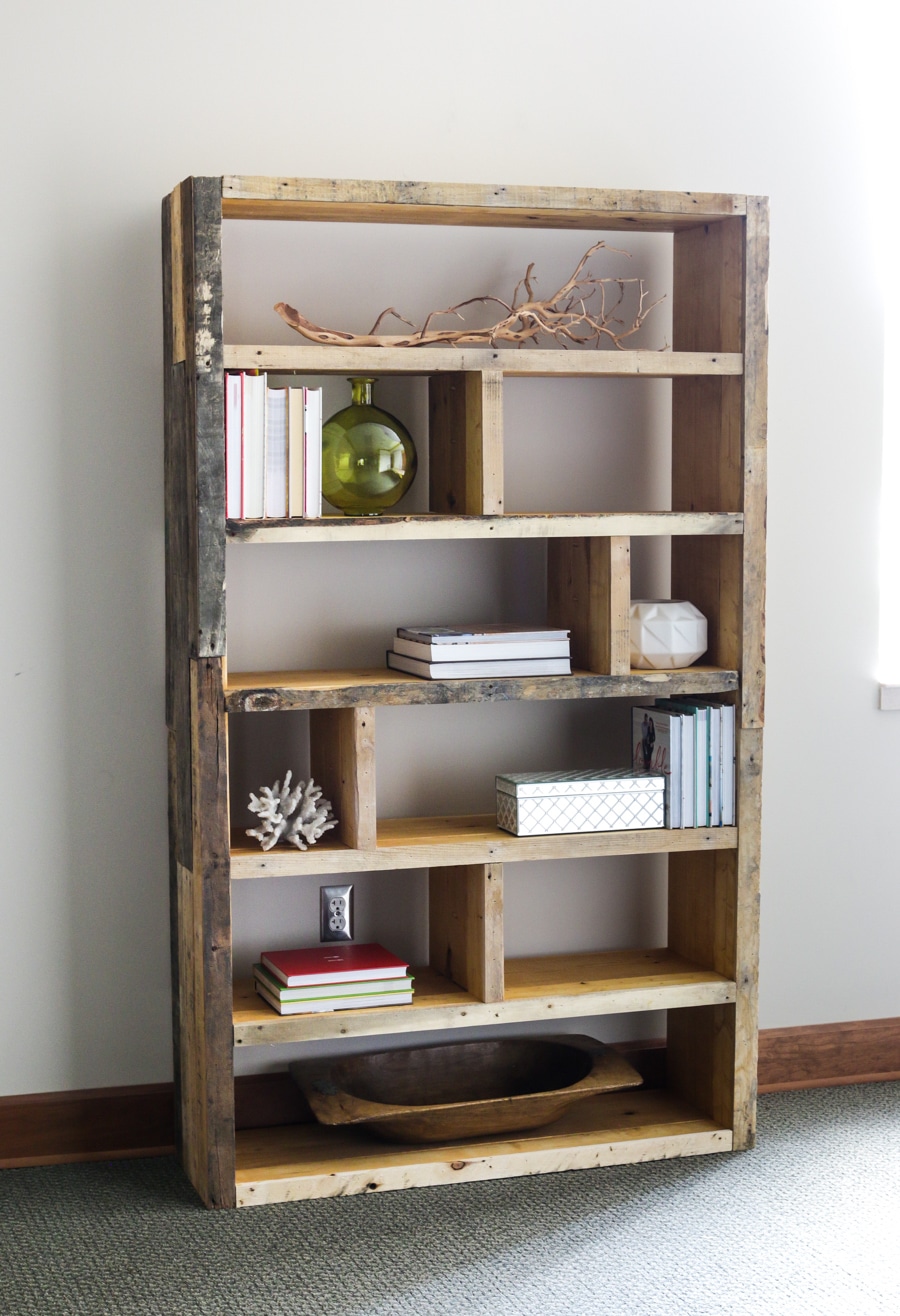
Reclaimed wood is wood taken from old furniture or buildings. It is cheaper and adds a rustic look to your bookshelf. Visit construction sites or ask neighbors for unused wood. Sand and treat the wood well to ensure it lasts long. This option saves money and helps the environment.
Efficient Building Techniques
Measure twice and cut once to avoid wasting materials. Use simple designs that require fewer tools and parts. Work carefully to prevent mistakes and repairs. Organize your workspace to speed up building and reduce errors. Efficient building saves time and money.
Frequently Asked Questions
How Much Does Diy Bookshelf Material Cost?
Material costs vary based on wood type and size. Basic plywood can cost $20-$50, while hardwoods range $50-$150. Additional supplies like screws and paint add $10-$30. Overall, expect to spend between $40 and $180 for materials.
Is Making A Bookshelf Cheaper Than Buying One?
Building a bookshelf can be cheaper if you have tools and skills. Store-bought shelves range from $50 to $300. DIY projects can save money but require time and effort. Cost depends on materials and design complexity.
What Tools Are Needed To Build A Bookshelf?
Basic tools include a saw, drill, measuring tape, and screwdriver. Sandpaper and clamps also help. Power tools can speed up the process but are not mandatory. Having the right tools ensures a sturdy and professional finish.
How Long Does It Take To Build A Bookshelf?
Building a simple bookshelf takes 4 to 8 hours for beginners. Complex designs may require several days. Time depends on skill level, tools, and drying time for paint or glue. Planning ahead improves efficiency.
Conclusion
Building your own bookshelf can save money and offer great satisfaction. Costs vary depending on materials, tools, and size. Basic wood and simple designs keep expenses low. More complex projects or premium materials raise prices. Time and effort also add value beyond money.
Crafting your own shelf means a unique piece made by you. It’s a rewarding project for those who enjoy hands-on work. Consider your budget and skills before starting. A homemade bookshelf blends function with personal style perfectly.