Are you tired of searching for the perfect bookshelf speaker that delivers clear, rich sound without breaking the bank? What if you could build one yourself, tailored exactly to your taste and space?
Building a high-quality bookshelf speaker might sound complicated, but with the right steps, you can create a powerful audio experience that fills your room with crisp music and deep bass. In this guide, you’ll discover simple techniques and expert tips to help you craft your own speaker from start to finish.
Ready to take control of your sound and impress everyone with your DIY skills? Keep reading, because your perfect bookshelf speaker is closer than you think.
Choosing Speaker Components
Choosing the right components is the first step to build a quality bookshelf speaker. Each part affects the sound and durability. Good components make a big difference in your listening experience.
Selecting Drivers
Drivers produce the sound you hear. Choose a woofer for low and mid frequencies. A tweeter handles high frequencies. Look for drivers with clear sound and low distortion. Size matters; 4 to 6 inches works well for bookshelves. Materials like paper, polypropylene, or silk affect sound quality. Pick drivers that match your sound preference and budget.
Picking The Crossover
The crossover divides sound signals between drivers. It sends bass to the woofer and treble to the tweeter. A good crossover keeps sound smooth and balanced. Use quality capacitors and inductors for clear sound. Pay attention to the crossover frequency; 2,000 to 3,000 Hz is common. A well-made crossover prevents sound overlap and distortion.
Choosing Cabinet Materials
The cabinet holds all parts and affects sound resonance. Use dense materials like MDF or plywood for better sound control. Avoid thin or hollow materials that cause vibrations. A solid cabinet reduces unwanted noise and improves bass response. Finish the cabinet with paint or veneer for a clean look. Proper sealing inside stops air leaks and keeps sound tight.
Designing The Cabinet
Designing the cabinet is a key step in building a quality bookshelf speaker. It shapes how the speaker sounds and looks. A well-made cabinet controls the sound waves inside and keeps the speaker steady. Pay close attention to size, structure, and airflow.
Determining Dimensions
Start by choosing the right size for your speaker. The height, width, and depth affect the sound quality. Match the cabinet size to the speaker drivers you use. A too-small cabinet can limit bass response. A too-large box may cause unwanted echoes.
Measure carefully and plan for the internal parts. Leave space for wiring and insulation. The shape should fit your room and style. Balanced dimensions help create clear, natural sound.
Planning Internal Bracing
Internal bracing strengthens the cabinet and reduces vibrations. Vibrations can blur the sound and lower clarity. Use solid wood or MDF strips inside the box. Place braces to connect opposite walls firmly.
Bracing stops walls from moving when the speaker plays loud. It also prevents rattling noises. Plan the bracing layout before building. Good bracing makes the speaker last longer and sound better.
Incorporating Ports And Vents
Ports and vents help control airflow inside the cabinet. They improve bass performance and reduce pressure build-up. Decide if your design needs a ported or sealed cabinet.
Ports are tubes that let air move in and out. The size and length of the port affect the sound. Vents can also cool the speaker components. Place ports carefully to avoid unwanted noise or distortion.
Cutting And Assembling Wood
Cutting and assembling wood is a key step in building a high quality bookshelf speaker. It shapes the speaker’s body and affects its strength and sound. Careful work here ensures the speaker looks good and lasts long.
Accuracy in cutting and fitting the wood parts is important. This process requires the right tools, safety care, and proper joining methods. Each piece must fit well to avoid gaps and loose parts.
Tools And Safety Tips
Gather essential tools: saw, clamps, measuring tape, and sandpaper. Use a sharp blade for clean cuts. Wear safety goggles and ear protection. Keep your workspace clean and well-lit. Handle tools carefully to avoid accidents.
Precise Cutting Techniques
Measure twice, cut once to avoid mistakes. Mark the wood clearly with a pencil. Use a straight edge to guide your saw. Cut slowly to keep edges smooth. Sand rough edges for a perfect fit.
Joining And Gluing Panels
Apply wood glue evenly on edges for strong bonds. Use clamps to hold parts tightly while drying. Remove excess glue before it hardens. Check alignment to keep the shape straight. Wait fully for glue to dry before moving on.
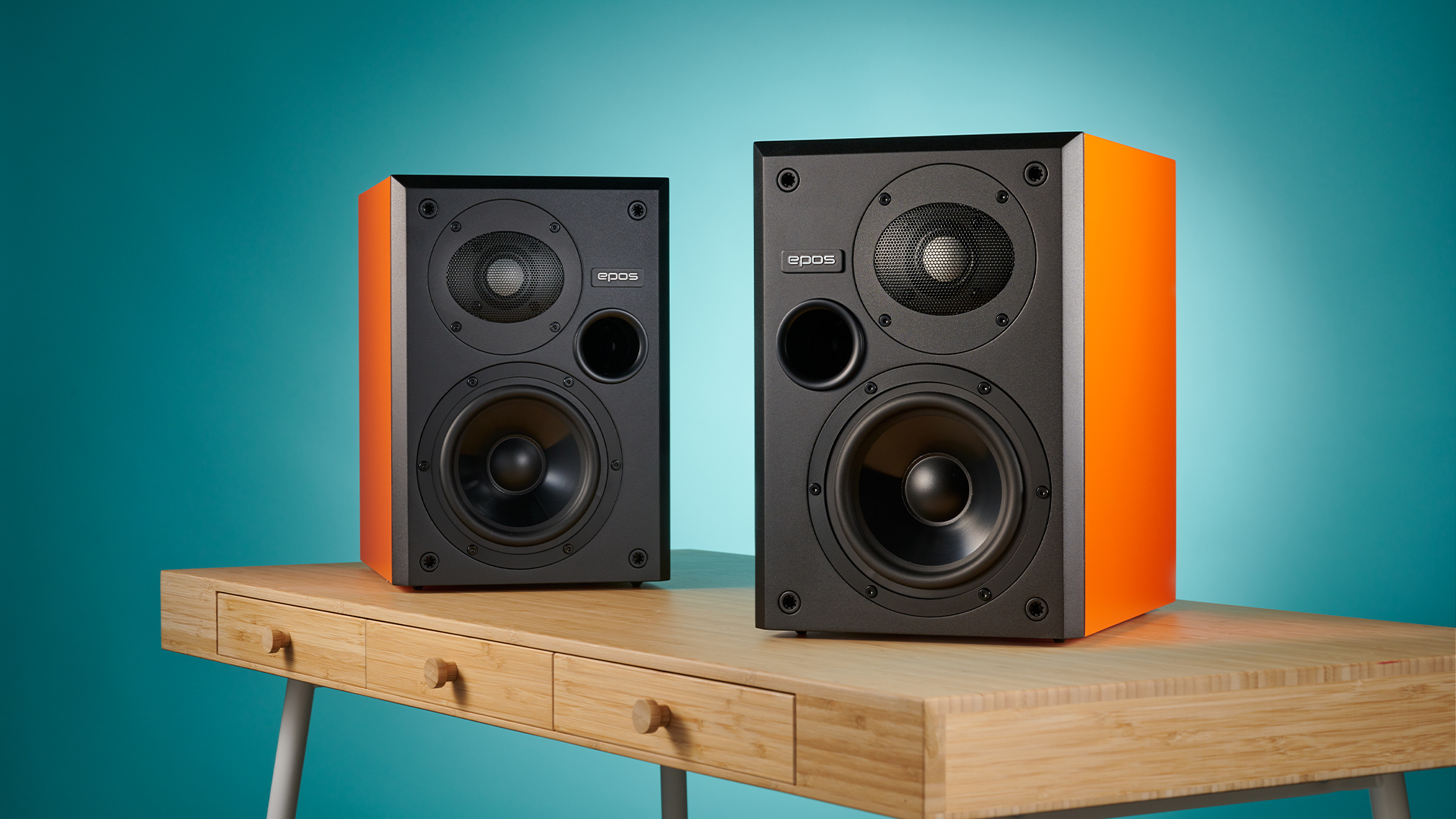
Credit: www.whathifi.com
Installing Components
Installing components is a key step in building a high-quality bookshelf speaker. This phase brings all parts together for the best sound. Careful work here ensures the speaker performs well and lasts long. Follow clear steps to mount drivers, wire the crossover, and seal the enclosure properly.
Mounting Drivers
Place the drivers carefully into the cutouts on the speaker box. Use screws that fit well and do not overtighten. Keep the drivers flush with the surface to avoid air leaks. Check that the drivers are secure and do not move. Proper mounting helps reduce vibrations and improves sound clarity.
Wiring The Crossover
Connect the crossover wires to the drivers according to the schematic. Match the positive and negative terminals correctly to avoid phase issues. Use solder or quality connectors for a strong, stable connection. Keep wires neat and away from sharp edges. Good wiring prevents signal loss and distortion.
Sealing And Insulating
Seal all gaps around drivers and joints with silicone or foam. This step stops air leaks that hurt bass response. Add acoustic insulation inside the box to absorb sound waves. Use materials like fiberglass or foam panels. Proper sealing and insulation create a clear, rich sound from the speaker.
Finishing Touches
Finishing touches bring your bookshelf speaker to life. They improve looks and protect the wood. These steps make your speaker ready for use and display. Focus on smooth surfaces, protection, and sound quality.
Sanding And Painting
Sanding removes rough spots and sharp edges. Use fine-grit sandpaper for a smooth finish. Wipe dust off before painting. Choose paint or stain that fits your style. Apply thin coats to avoid drips. Let each coat dry fully before the next. Sand lightly between coats for extra smoothness.
Adding Grills And Feet
Grills protect speaker drivers from dust and damage. Choose fabric or metal grills that match your design. Attach grills securely but gently. Feet raise the speaker slightly. They reduce vibrations and improve sound. Rubber or cork feet work well. Attach feet at the bottom corners for balance.
Final Testing And Tuning
Test your speaker with different music styles. Listen for clear highs, mids, and deep bass. Adjust speaker placement for best sound. Check all connections are tight and secure. Make small tweaks to crossover settings if needed. Enjoy the rich, full sound of your creation.

Credit: www.amazon.com

Credit: voltech.com.bd
Frequently Asked Questions
What Materials Are Best For Building Bookshelf Speakers?
High-quality MDF or plywood are ideal for bookshelf speakers. They offer durability and reduce sound distortion. Use dense wood for better acoustic performance and longevity.
How Do I Ensure Accurate Sound In Bookshelf Speakers?
Proper internal bracing and damping materials prevent vibrations. Correct speaker driver placement optimizes sound clarity. Sealing all joints tightly avoids air leaks that affect sound quality.
What Tools Are Essential For Building Bookshelf Speakers?
Basic tools include a saw, drill, screwdriver, and clamps. A soldering iron and multimeter help with wiring. Sandpaper and wood glue ensure smooth finishes and strong joints.
How Important Is Speaker Driver Selection?
Speaker drivers impact sound quality significantly. Choose drivers with good frequency response and sensitivity. Matching tweeters and woofers ensures balanced audio performance.
Conclusion
Building a high-quality bookshelf speaker takes time and care. Choose good materials and follow clear steps. Focus on sound quality and strong design. Test your speaker to make sure it sounds right. Enjoy the satisfaction of creating your own music system.
Small efforts bring great results. Keep learning and improving your skills. Your perfect bookshelf speaker is within reach.