Have you ever wanted to add a touch of charm to your room without cluttering it with more books? Creating a fake bookshelf might be the perfect solution for you.
It’s an easy and affordable way to make your space look cozy and stylish, even if you don’t own many books. In this guide, you’ll discover simple steps to build your own fake bookshelf that will impress your guests and make your home feel more inviting.
Ready to transform your walls and spark curiosity? Let’s dive in!
Materials Needed
Creating a fake bookshelf is a simple and fun project. Gathering the right materials helps make the process smooth. Use items that are easy to find and work with. This section lists everything you need to start your fake bookshelf.
Wooden Boards
Choose wooden boards for a realistic look. Plywood or MDF boards work well. Cut the boards to the size you want for your shelf.
Paint And Brushes
Pick paint colors that match your room decor. Use brushes to apply smooth, even coats. Paint helps the shelf blend into the wall.
Wall Mounting Hardware
Select screws and brackets to secure the shelf to the wall. Make sure they can hold the weight of your fake books. Use anchors if mounting on drywall.
Decorative Book Spines
Print or buy decorative book spines to stick on the shelf. These create the look of real books. Arrange them tightly for the best effect.
Measuring Tools
Use a tape measure and level to get exact sizes. Accurate measurements make the shelf fit perfectly. A level keeps the shelf straight on the wall.

Credit: www.fauxbooks.co.uk
Choosing The Right Space
Choosing the right space is key to making a fake bookshelf look real. The spot should blend well with your room’s style and feel natural. A good location can make the bookshelf appear useful and part of the home.
Think about the room’s purpose. The bookshelf should fit the room’s use and size. It should not block any doors or windows. A narrow hallway or empty corner often works well. These places can give the fake bookshelf a clever, hidden look.
Assess Wall Space And Size
Measure the wall where the fake bookshelf will go. Make sure it is wide and tall enough for the design. The size should not overwhelm the room. Pick a wall that has no pictures or decorations. A clear wall helps the bookshelf stand out.
Consider Lighting And Visibility
Good lighting makes the fake bookshelf look real. Choose a spot with natural or bright light. Shadows can hide details and spoil the effect. A well-lit area invites attention and makes the space feel cozy.
Match Room Style And Colors
Find a space that matches your room’s style. The fake bookshelf should fit the colors and furniture. This creates a smooth, natural look. Avoid spaces with clashing colors or too many patterns. Simple backgrounds highlight the bookshelf better.
Creating The Frame
Creating the frame is the first step in making a fake bookshelf. This frame gives shape and support. It must be sturdy and look real. The frame can be made from different materials. Two common choices are cardboard and wood. Each has its own benefits. Choose based on your tools, skills, and budget.
Using Cardboard
Cardboard is light and easy to cut. It works well for small or temporary bookshelves. Start by collecting strong, thick cardboard pieces. Cut them into the shape of your bookshelf sides and shelves. Use a ruler and pencil to measure carefully. Glue or tape the pieces together firmly. Reinforce corners with extra strips of cardboard. Paint or cover the frame with wallpaper for a finished look. Cardboard is simple and quick to use.
Building With Wood
Wood is stronger and more durable than cardboard. It is best for a long-lasting fake bookshelf. Use plywood or wooden boards for the sides and shelves. Measure and cut the wood with a saw. Sand the edges smooth to avoid splinters. Join the pieces using nails or screws. A hammer or drill will help secure the frame. Stain or paint the wood to match your room. Wood frames look more realistic and hold weight better.
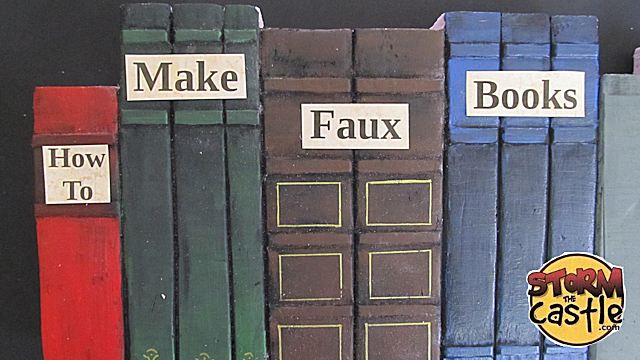
Credit: www.stormthecastle.com
Crafting The Book Spines
Crafting the book spines is a key step in making a fake bookshelf look real. The spines give each book its unique character. They add color and texture to the shelf. You can create spines that fit your style and space perfectly.
Focus on details like titles, colors, and patterns. These small touches make the fake books believable. Choose materials that are easy to work with but look good from a distance.
Printing Custom Covers
Printing custom covers lets you control the look of each book spine. Design covers on your computer with simple tools. Use clear fonts and bright colors to mimic real books. Print the designs on thick paper for durability. Glue the printed covers on cardboard cutouts. This method creates neat, uniform spines that look fresh and clean.
Reusing Old Book Covers
Reusing old book covers is a smart way to save money. Find worn-out books with interesting spines. Carefully remove the covers without damage. Cut and trim to fit your cardboard shapes. Old covers bring authentic wear and tear. This adds charm and realism to your fake bookshelf. Mix old covers with new prints for variety.
Assembling The Fake Books
Assembling fake books is the key step in creating a fake bookshelf. It gives the shelf a realistic look without filling it with real books. This process is simple and can be done with a few materials. It saves space and adds style to any room.
Start with cardboard or thick paper to make the book shapes. Cut them to the size you want. Then, cover the cardboard with colored paper or fabric to mimic book covers. Use glue to keep everything in place. Arrange the fake books on the shelf to suit your style.
Choosing Materials For Fake Books
Select lightweight materials like cardboard or foam board. They are easy to cut and shape. Colored paper, old book covers, or fabric work well for wrapping. Use glue sticks or spray adhesive for quick application. Avoid heavy materials that can make the shelf unstable.
Cutting And Shaping The Books
Measure the size of real books for a natural look. Cut cardboard pieces to match these sizes. Stack and glue several pieces for thickness. Smooth the edges with sandpaper or scissors. Rounded corners add a worn, authentic feel.
Designing Book Covers
Wrap the cardboard with colored paper or fabric. Choose colors that match your room decor. Add stripes or simple designs with markers or paint. Old book covers can be glued on for a vintage look. Let covers dry fully before placing on the shelf.
Arranging The Fake Books On The Shelf
Place the fake books upright like real books. Mix sizes and colors for variety. Leave some space between them for a natural look. Add small decorations like plants or frames to complete the style. Step back and adjust until it looks right.

Credit: www.youtube.com
Arranging On The Shelf
Arranging items on a fake bookshelf is key to making it look real and stylish. The right setup creates a cozy, inviting space. It can also highlight your personality and taste. Thoughtful placement helps balance colors and shapes. This makes the shelf a visual treat. Keep it simple and neat to avoid clutter. Use a mix of books and decorations for interest.
Color Coordination
Start by grouping books with similar colors together. This creates a smooth, unified look. Use neutral tones as a base, like white, beige, or gray. Add pops of color for excitement, such as red or blue. Arrange colors from light to dark or vice versa. This guides the eyes naturally across the shelf. Avoid too many bright colors at once. Stick to two or three main color themes. This keeps the space calm and balanced.
Adding Decorative Items
Place small decorative items between books to break monotony. Items like candles, small plants, or photo frames work well. Use items that match the color scheme. Keep these items small to avoid overcrowding. Vary the height and shape of decorations for visual interest. Layer items by placing some in front of others. Leave empty spaces to give the eye a rest. This adds a clean and airy feel to the shelf.
Maintaining The Look
Maintaining the look of a fake bookshelf keeps your space neat and stylish. The right care helps it stay realistic and fresh. Small efforts make a big difference over time.
Cleaning Dust Regularly
Dust can make fake books look old and dull. Use a soft cloth or feather duster to clean surfaces. Wipe gently to avoid damaging the paint or paper.
Protecting From Sunlight
Sunlight can fade colors and make materials brittle. Place the bookshelf away from direct sunlight. Use curtains or blinds to reduce light exposure.
Fixing Peeling Edges
Edges of fake books may peel or lift after time. Use a small amount of glue to reattach loose parts. Press firmly and let it dry fully before use.
Keeping The Shelf Stable
A stable shelf prevents fake books from falling or shifting. Check shelf brackets and supports regularly. Tighten screws or add extra support if needed.
Refreshing The Colors
Colors can fade, making the fake bookshelf look old. Use touch-up paint or markers that match the original color. Apply lightly and blend carefully for a smooth look.
Frequently Asked Questions
What Materials Do I Need To Make A Fake Bookshelf?
You need wood panels, paint, nails, glue, and a saw. Choose lightweight wood like plywood for easy handling. Also, get brackets for wall mounting to ensure stability and safety.
How Do I Make A Fake Bookshelf Look Realistic?
Paint the wood with a wood grain finish or wallpaper that mimics books. Arrange decorative items and faux book spines to enhance the illusion. Lighting can also add depth and realism to your fake bookshelf.
Can I Customize The Size Of A Fake Bookshelf?
Yes, you can customize the size based on your space and needs. Measure your wall area before building. Cut the wood panels accordingly to fit perfectly and maintain a balanced look.
Is It Safe To Mount A Fake Bookshelf On The Wall?
Yes, if you use strong brackets and proper anchors for your wall type. Ensure the fake bookshelf is securely fastened to avoid accidents. Regularly check the stability to maintain safety.
Conclusion
Creating a fake bookshelf adds style without much cost. It hides clutter and makes rooms look neat. Use simple materials and follow easy steps. Personalize it to match your space and taste. This project saves money and looks great. Try it today and enjoy a fresh, tidy room.