Imagine having a secret room right behind your bookshelf. Sounds exciting, doesn’t it?
Building a Murphy bookshelf door can turn that idea into reality. It’s not just about saving space—it’s about adding a clever, stylish twist to your home. If you’ve ever wished for a hidden passage or a unique feature that makes your space stand out, this guide is for you.
You don’t need to be a pro carpenter to create something impressive and functional. Ready to learn how to build your own Murphy bookshelf door step by step? Let’s get started!
Planning Your Murphy Bookshelf Door
Planning your Murphy bookshelf door is the first step to a successful build. Careful preparation saves time and prevents mistakes. This stage helps you understand the space and materials needed. It also guides the building process smoothly.
Focus on choosing the best location, measuring space correctly, and selecting proper materials and tools. Each part is important to create a strong, functional door.
Choosing The Right Location
Pick a wall that fits the Murphy bookshelf door well. Ensure the wall has enough space for the door to open fully. Avoid walls with electrical outlets or plumbing pipes behind them. Also, check if the floor near the wall is level for easier installation.
Measuring Space Accurately
Use a tape measure to get exact width, height, and depth of the space. Measure twice to avoid errors. Note the distance from the floor to the ceiling. Also, check the wall thickness. These numbers help you cut materials right the first time.
Selecting Materials And Tools
Choose sturdy wood or plywood for the bookshelf and door. Pick materials that match your room’s style and weight needs. Gather tools like a drill, saw, screwdriver, level, and measuring tape. Having the right tools makes the job faster and cleaner.
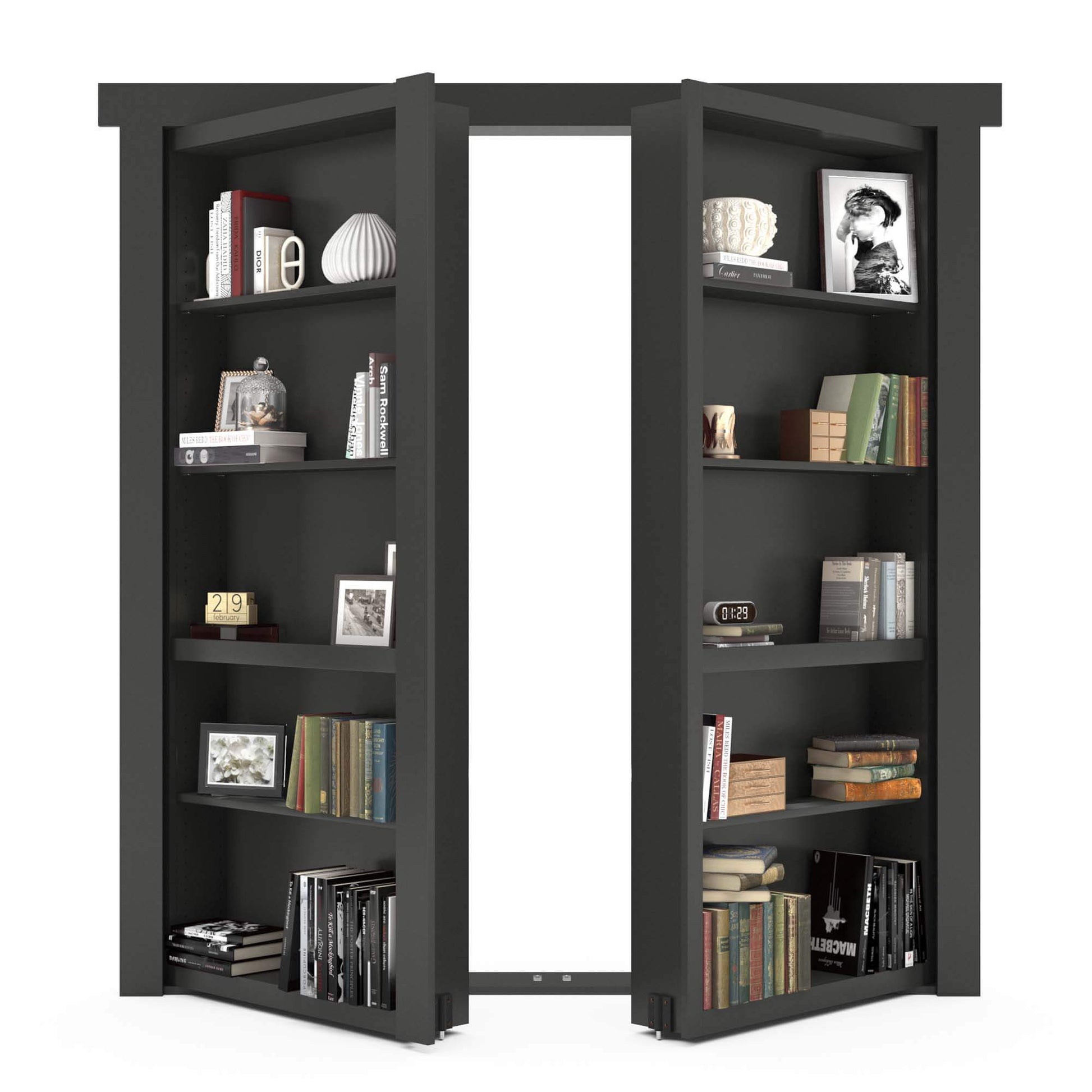
Credit: murphydoor.com
Preparing The Bookshelf Frame
Preparing the bookshelf frame is the first step in building a Murphy bookshelf door. A strong frame ensures the door works well and looks great. Taking time to measure and cut wood correctly helps avoid problems later. This section covers cutting wood, assembling the frame, and finishing the surface for a smooth look.
Cutting Wood To Size
Start by measuring the space where the bookshelf door will go. Use a tape measure to get exact dimensions. Mark your wood pieces clearly with a pencil. Cut each piece carefully with a saw, following the marks. Cutting wood straight and accurate is very important for a good fit. Use safety glasses and gloves to protect yourself.
Assembling The Frame
Lay out all the cut wood pieces on a flat surface. Match the edges and corners to form the frame. Use wood glue on joints for extra strength. Secure pieces with screws or nails, making sure they are tight. Check for square corners with a carpenter’s square. A sturdy frame keeps the door stable and safe.
Sanding And Finishing
Sand the frame using medium-grit sandpaper to smooth rough edges. Move to fine-grit sandpaper for a soft finish. Wipe off dust with a clean cloth. Apply wood primer or paint for protection and beauty. Let the finish dry completely before moving to the next step. A smooth frame helps the door open and close easily.
Installing The Door Mechanism
Installing the door mechanism is a key step in building your Murphy bookshelf door. This part lets the door open and close smoothly. It also keeps the door stable and secure. Follow each step carefully to ensure proper function and safety.
Attaching Hinges And Supports
Start by fixing the hinges to the door frame. Use strong screws to hold them firmly. Next, attach the supports to the bottom of the door. These supports help the door carry weight and stay balanced. Check that all parts fit tightly without gaps.
Mounting The Door To The Wall
Find the studs in your wall using a stud finder. Align the door frame with the studs for strong support. Secure the door frame with heavy-duty screws. Make sure the door stands straight and flush with the wall. This step prevents wobbling or leaning.
Ensuring Smooth Operation
Test the door by opening and closing it slowly. Watch for any sticking or resistance. Adjust the hinges if the door does not move freely. Lubricate the hinges and supports with a light oil. This reduces friction and noise during use.
Adding Shelves And Storage
Adding shelves and storage to your Murphy bookshelf door turns it into a smart space saver. Shelves hold your books and items neatly. Storage helps keep things organized and easy to find. This section guides you through choosing shelf sizes, fixing shelves firmly, and arranging your items well.
Choosing Shelf Dimensions
Pick shelf sizes that fit your room and items. Measure the height and width of the door frame. Allow space between shelves for tall books or decorations. Make shelves deep enough to hold your biggest books safely. Keep shelf thickness strong to hold weight without bending.
Securing Shelves In Place
Use strong brackets or cleats to fix shelves firmly. Attach supports to the door frame for stability. Check shelf level with a small tool before fixing. Screw shelves tightly to avoid movement or noise. Test shelves by placing a few books to ensure they hold well.
Organizing Books And Items
Sort books by size or topic for easy access. Place heavy books at the bottom shelves for safety. Use small boxes or baskets for loose items. Leave some space for new books or decorations. Keep often-used items within easy reach for convenience.
Painting And Decorating
Painting and decorating your Murphy bookshelf door brings personality and style. This step makes your door stand out and match your room. Careful preparation and creative touches ensure a beautiful, lasting finish.
Priming And Painting Tips
Start with a clean, smooth surface. Sand the wood lightly to remove rough spots. Apply a good primer to help paint stick better. Use a brush or roller for an even coat. Let the primer dry completely before painting.
Choose paint made for wood, preferably satin or semi-gloss. These finishes are easy to clean and look nice. Apply thin, even coats of paint. Wait for each coat to dry before adding the next. This prevents drips and uneven color.
Adding Decorative Elements
Decorate your door to reflect your style. Use stencils to create patterns or shapes. Add molding or trim for a classic look. Consider wallpaper or fabric panels for texture. Small details like knobs or handles add charm.
Keep decorations simple to avoid a busy look. Match colors and styles with your room’s theme. These touches make your Murphy bookshelf door unique.
Protecting The Finish
Protect your paint with a clear topcoat. Polyurethane or water-based sealers work well. They guard against scratches and moisture. Apply two thin coats for best protection. Let each coat dry fully before use.
Regularly clean the door with a soft, damp cloth. Avoid harsh chemicals that can damage the finish. A well-protected door stays beautiful for years.

Credit: www.youtube.com
Maintenance And Safety Tips
Maintaining your Murphy bookshelf door is key to keeping it safe and working well. Small checks and simple fixes prevent bigger problems. Safety matters, especially in homes with children. Follow these tips to keep your door secure and smooth.
Regular Inspection
Check the door often for loose screws or parts. Look at the hinges and tracks for dirt or damage. Test the door by opening and closing it slowly. Listen for strange sounds or resistance. Early spotting of problems saves time and money.
Fixing Common Issues
Tighten any loose screws with a screwdriver. Clean the tracks using a dry cloth to remove dust. Apply a small amount of lubricant on moving parts to keep them smooth. Replace worn-out parts quickly to avoid accidents. Simple fixes keep your door working like new.
Childproofing And Safety Measures
Install safety locks to prevent children from opening the door alone. Use soft-close hinges to stop the door from slamming shut. Keep the area around the door clear to avoid trips or falls. Teach children to stay away from the door when it moves. Safety steps protect your family and your door.

Credit: www.youtube.com
Frequently Asked Questions
What Tools Are Needed To Build A Murphy Bookshelf Door?
You need basic woodworking tools like a saw, drill, screwdriver, measuring tape, and clamps. Additionally, hinges, screws, wood panels, and paint or finish are essential. Having a level and a stud finder will ensure accurate installation and a professional look.
How Do I Measure For A Murphy Bookshelf Door?
Measure the wall space where you want to install the Murphy door. Take accurate height, width, and depth measurements. Ensure the space allows the door to open fully without obstruction for functional use.
Can I Build A Murphy Bookshelf Door Without Professional Help?
Yes, you can build it yourself with basic woodworking skills. Follow step-by-step instructions carefully and use quality materials. Take your time, and don’t hesitate to watch tutorial videos for added guidance.
What Type Of Wood Is Best For Murphy Bookshelf Doors?
Plywood or hardwood like oak, maple, or pine is ideal for durability. Choose wood that matches your room’s decor and can support the door’s weight. Proper finishing will protect the wood and enhance appearance.
Conclusion
Building a Murphy bookshelf door can save space and add style. Start with simple tools and clear steps. Measure carefully and choose strong materials. Take your time assembling each part right. The effort brings a useful, neat door for any room.
Try this project to improve your home’s look. Small changes often make a big difference. Enjoy your new shelf door every day.