Do you love books but feel like you have no space for a bookshelf? You’re not alone.
Finding room for your favorite reads can be tough, especially if your living area is small or already full. But what if you could create a bookshelf without needing extra space? Imagine having your books organized, easy to reach, and right where you want them—without cluttering your home.
You’ll discover simple, clever ways to add a bookshelf no matter how little room you have. Keep reading, because your perfect bookshelf is closer than you think.

Credit: www.amazon.com
Maximize Vertical Space
Maximizing vertical space helps create more room for books. It uses the height of your walls and doors. This method frees up floor space while adding storage. You can store many books without cluttering your room.
Tall Shelving Units
Tall shelves use the full height of a wall. They hold many books in a small floor area. Choose shelves that reach near the ceiling. Add a small ladder to reach the top shelves safely. This setup keeps books organized and easy to find.
Wall-mounted Shelves
Wall shelves take up no floor space. Mount them at different heights on your walls. They work well in corners or above furniture. Use strong brackets to hold heavy books. This option creates a modern look and expands storage.
Using Door Space
Doors offer hidden space for shelves. Attach slim shelves or racks to the back of doors. Store small books or magazines there. This keeps books out of the way but still accessible. Use this space wisely to reduce clutter.

Credit: www.amazon.com
Utilize Unconventional Areas
Finding space for books can be tough in small rooms. Using unusual spots helps keep books organized and easy to reach. These creative ideas make the most of every corner in your home.
Under Stair Storage
Stairs often hide empty space beneath. This area can turn into a small library. Add shelves or cubbies under stairs for books. It keeps books tidy and uses space well.
Above Furniture Shelves
Look above your furniture for extra shelf space. Walls over sofas or desks work great. Install floating shelves to hold books. It frees floor space and adds style.
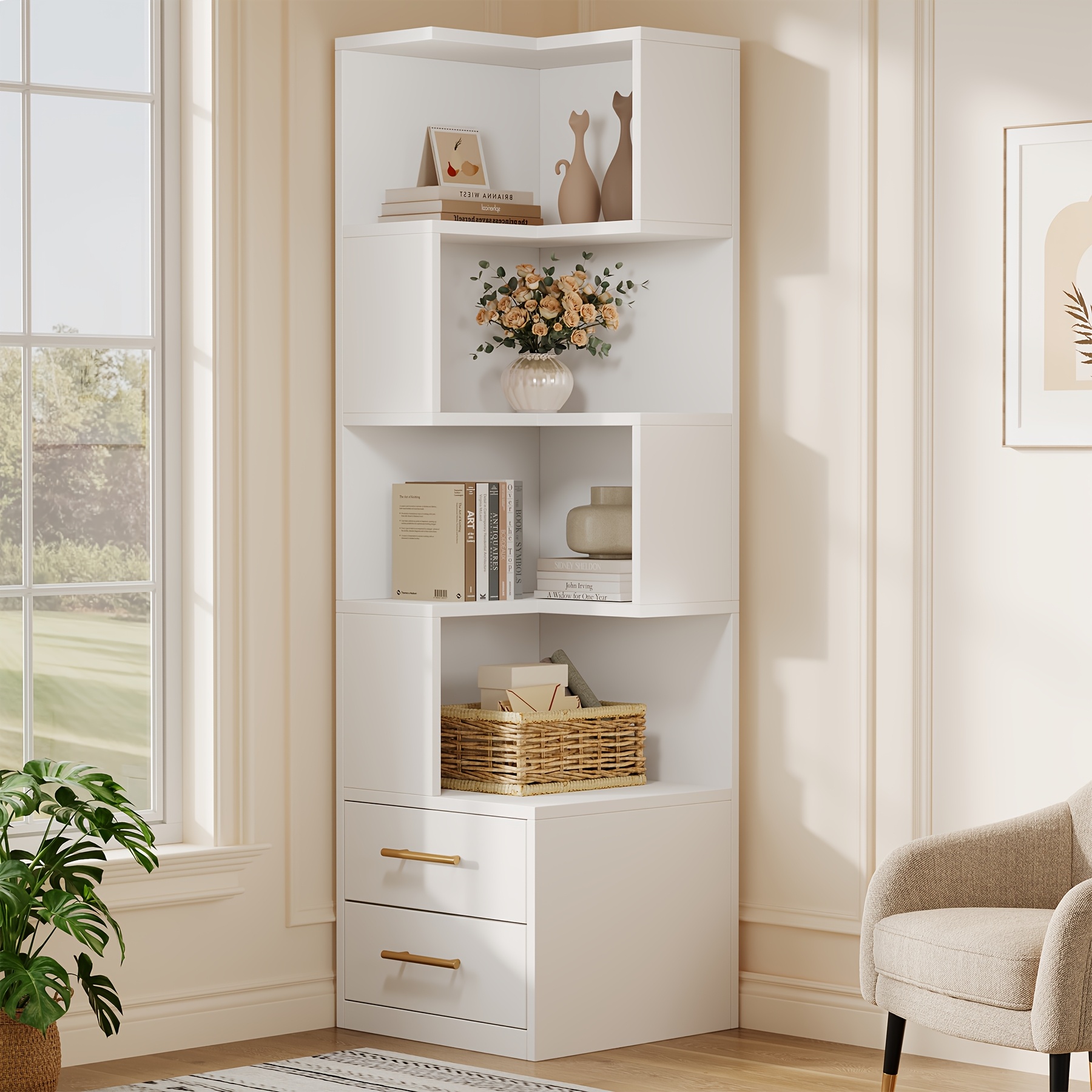
Corner Book Nooks
Corners rarely get full use. Build small shelves in corner spaces. Create a cozy reading spot with cushions nearby. Corners can hold many books without crowding.
Multi-functional Furniture
Multi-functional furniture offers smart solutions for small spaces. It combines storage and function in one piece. This furniture helps keep your books organized without using extra room. It fits perfectly in tiny apartments or rooms with limited space.
Bookshelf Headboards
Bookshelf headboards save space by adding storage to your bed. They provide shelves for books, lamps, and small items. This design frees up floor space in your bedroom. You can keep your favorite books close while resting. It is a clever way to add a bookshelf without extra furniture.
Storage Ottomans
Storage ottomans offer both seating and hidden space. You can store books inside the ottoman while using it as a seat. This keeps your room tidy and clutter-free. Ottomans are easy to move and fit in many spaces. They are perfect for small living rooms or bedrooms.
Bookshelf Room Dividers
Bookshelf room dividers separate spaces and store books at the same time. They create privacy and organize your collection. These dividers use vertical space and add style to your room. Open shelves make books easy to reach and display. This furniture works well in studio apartments or shared rooms.
Credit: lovelandfm.com
Creative Shelf Designs
Creative shelf designs can solve space problems in small rooms. They help store books without taking much floor space. These designs also add style to any room. Use them to keep your books organized and visible. Each style fits different room shapes and needs.
Floating Shelves
Floating shelves attach directly to the wall. They have no visible supports. This makes them look clean and modern. Use them to show favorite books or small items. Install them at different heights to save space. They work well in living rooms, bedrooms, and kitchens.
Ladder Shelves
Ladder shelves lean against the wall like a ladder. They have several tiers for books and decor. These shelves are narrow and take little space. Move them easily to change room layout. Their open design keeps the room light and airy. Perfect for corners or small wall spaces.
Hanging Bookshelves
Hanging bookshelves use ropes or wires to hang from ceilings or walls. They create a floating effect for books. This design frees up floor and wall space. Ideal for small apartments or rooms with limited space. They add a unique, creative touch to any area.
Declutter And Organize
Creating a bookshelf in a small space starts with decluttering and organizing. Clearing out what you don’t need opens up room for what you love. Organizing books properly helps keep the space neat and easy to use.
Focus on making your collection manageable. This approach makes your bookshelf both practical and inviting. Follow these simple steps to declutter and organize effectively.
Sort And Prioritize Books
Begin by sorting your books into categories. Keep the ones you read often or love most. Set aside books you no longer want or need. Prioritize by how important each book is to you. This way, only your favorites take up space.
Use Bookends And Containers
Bookends keep your books upright and save space. Choose sturdy bookends that fit your shelf size. Containers help group smaller books or loose items. Use boxes or baskets that match your decor. This keeps everything tidy and easy to find.
Rotate Your Collection
Not all books need to be out all the time. Store some books away and swap them periodically. This keeps your shelf fresh and uncluttered. Rotating helps you enjoy all your books without crowding your space.
Diy Solutions
DIY solutions offer smart ways to create a bookshelf without needing extra room. These ideas use creativity and simple tools to make the most of small spaces. Anyone can do these projects at home, even with little experience.
Repurpose Old Materials
Turn old items into useful shelves. Wooden crates, pallets, or ladders become great book holders. Paint or stain them to match your room style. This method saves money and reduces waste.
Build Custom Shelves
Measure your space carefully. Build shelves that fit exactly in tight spots, like under stairs or above doors. Use lightweight wood or metal for easy installation. Custom shelves maximize storage and look neat.
Add Personal Touches
Decorate shelves with your style. Use colorful paint, wallpaper, or stickers on the back panels. Add small plants or bookends to make it cozy. Personal touches make your bookshelf unique and inviting.
Frequently Asked Questions
How Can I Create A Bookshelf Without Extra Space?
Use vertical wall shelves or floating shelves. They save floor space and add style. Utilize unused corners or door backs too.
What Are The Best Furniture Options For Small Rooms?
Choose multifunctional furniture like storage ottomans or beds with drawers. These combine storage with everyday use efficiently.
Can I Use Digital Books To Save Physical Space?
Yes, eBooks and audiobooks save space and offer easy access. Use e-readers or apps to carry many books.
How Do I Organize Books In A Tiny Area?
Sort books by size or genre. Use stackable boxes or baskets. Label them for easy finding and neatness.
Conclusion
Creating a bookshelf takes creativity and smart use of space. Small corners, walls, and even doors can hold many books. Use vertical space to save room on the floor. Simple shelves or boxes work well in tight spots. Your books deserve a cozy, neat place.
Start small, add as you go. A bookshelf fits even where space feels tight. Enjoy your books without needing a big room.