Are you looking for a creative and budget-friendly way to organize your books? Building a bookshelf out of pallets might be the perfect solution for you.
Not only will you save money, but you’ll also add a unique, rustic touch to your space. Imagine having a sturdy, stylish shelf that you made yourself—one that perfectly fits your style and needs. In this guide, you’ll discover simple steps to turn ordinary pallets into an eye-catching bookshelf.
Ready to transform your space and impress your friends? Let’s get started!
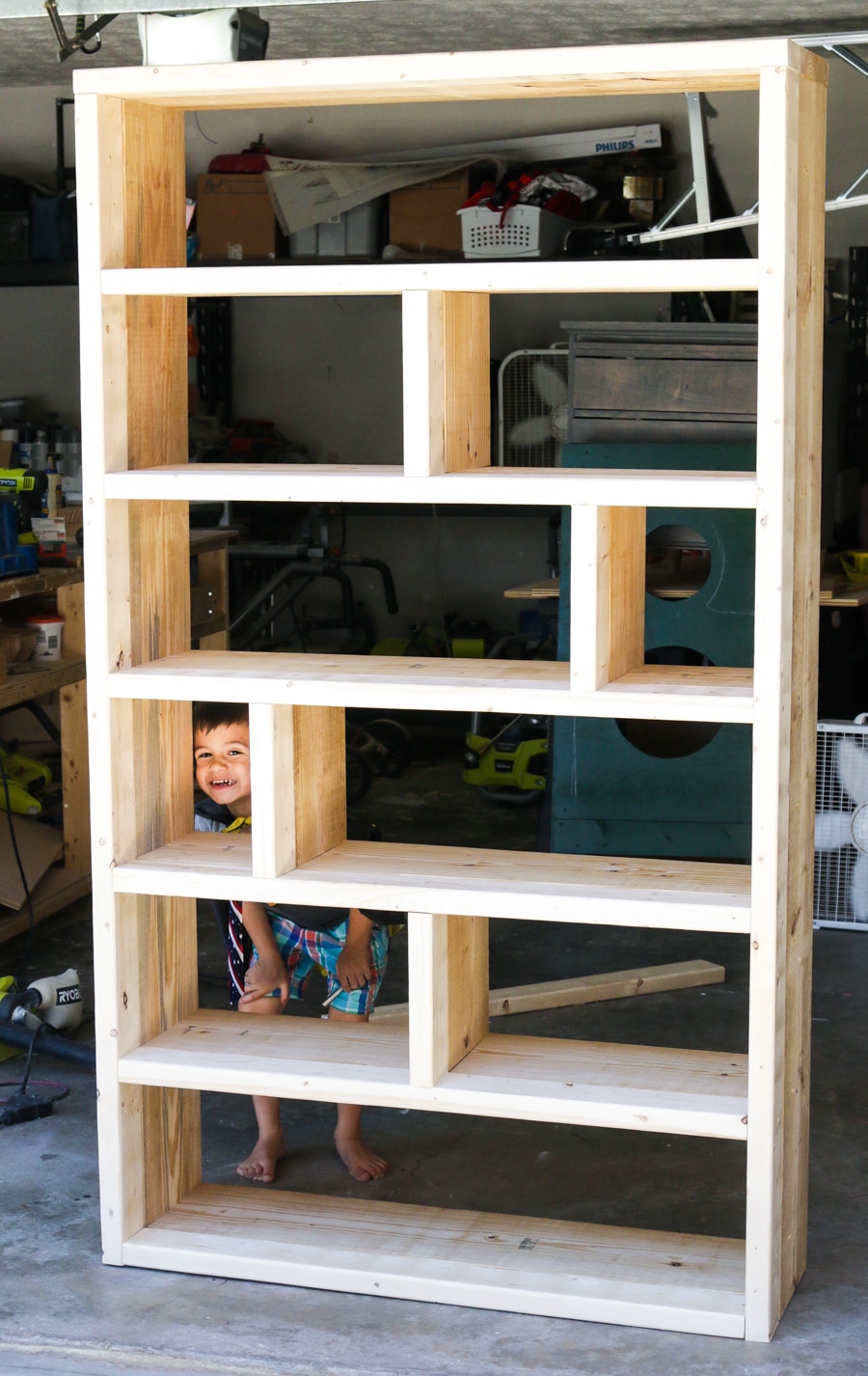
Credit: jenwoodhouse.com
Choosing The Right Pallets
Choosing the right pallets is a key step in building a sturdy bookshelf. The quality and type of pallet affect how strong and safe your bookshelf will be. Not all pallets are good for indoor furniture projects. Some pallets may have chemicals, damage, or pests. This section explains how to pick pallets that work best for your bookshelf.
Types Of Pallets To Use
Wood pallets come in different types and wood varieties. Heat-treated pallets are safer because they do not use harmful chemicals. Avoid pallets marked with “MB,” which means they were treated with methyl bromide, a toxic chemical. Pine pallets are soft and easy to work with. Hardwoods like oak are stronger but harder to cut. Choose pallets with solid wood boards and minimal cracks.
Inspecting For Safety And Quality
Check pallets carefully before using them. Look for signs of mold or stains. Avoid pallets with strong smells or spills. Broken or splintered boards can weaken your bookshelf. Nails should be firmly in place and not rusty. Sand the wood to remove rough spots. Clean the pallets with soap and water before starting your project.
Where To Find Free Or Cheap Pallets
Many businesses give away pallets for free or low cost. Grocery stores, warehouses, and factories often discard pallets. Ask at local stores if you can take their pallets. Check online marketplaces for cheap pallets. Some places recycle pallets and sell them at low prices. Pick pallets that are dry and in good shape to save money and time.
Gathering Tools And Materials
Before starting your pallet bookshelf project, gather all necessary tools and materials. Having everything ready saves time and keeps your work smooth. This step helps avoid interruptions and frustration. Let’s break down what you need.
Essential Tools List
- Hammer or nail gun for joining wood
- Saw (hand saw or power saw) to cut pallets
- Measuring tape for accurate dimensions
- Sandpaper or electric sander to smooth surfaces
- Screwdriver or drill for screws
- Clamps to hold pieces steady
- Square tool to check angles
Additional Supplies Needed
- Wood pallets in good condition
- Nails and screws in various sizes
- Wood glue for extra strength
- Wood stain or paint for finishing
- Brushes or rags for applying finish
- Wood filler to cover holes or cracks
Safety Gear Recommendations
- Work gloves to protect your hands
- Safety glasses to guard your eyes
- Dust mask to avoid inhaling sawdust
- Ear protection if using loud power tools
- Closed-toe shoes for foot safety
Preparing The Pallets
Preparing the pallets is the first key step to build a sturdy bookshelf. Pallets often have dirt, nails, and rough wood that need attention. Clean, smooth, and cut pallets create a safe and strong base. This section guides you through cleaning, disassembling, and cutting pallets to fit your bookshelf plan.
Cleaning And Sanding
Start by removing dirt and dust from the pallets. Use a stiff brush to scrub surfaces well. Clean pallets avoid pests and make wood safer to handle. After cleaning, sand the wood with medium-grit sandpaper. Sanding smooths rough edges and splinters. Smooth wood is easier to paint or stain later. Always wear a mask to avoid breathing dust.
Disassembling If Necessary
Some pallets need taking apart to use the wood pieces. Use a hammer and pry bar to remove nails carefully. Work slowly to avoid breaking the wood. Separate the planks and check for damaged boards. Only use strong, intact wood for your bookshelf. Disassembled pallets give more flexibility in design.
Cutting To Size
Measure the wood according to your bookshelf plan. Mark the wood with a pencil for clear cutting lines. Use a handsaw or power saw to cut along the marks. Cut pieces should fit together without gaps. Always cut on a stable surface for safety. Properly sized wood helps build a neat bookshelf.
Designing Your Bookshelf
Designing your bookshelf is the first step to building a useful and attractive piece. Good design fits your space and style well. It also helps you use pallets smartly. Taking time to plan saves effort later. Think about how you want the bookshelf to look and work.
Measuring Space And Planning Layout
Start by measuring the wall or corner where the bookshelf will go. Note the height, width, and depth available. Keep some space around for easy access. Decide if the shelf will stand alone or fit between other furniture. Draw a simple outline of the area on paper. This helps you see the size limits clearly.
Choosing Shelf Dimensions
Pick shelf heights based on the items you want to store. Tall books need more space, small items less. Shelf depth should suit pallet size and your storage needs. Standard pallets are about 40 inches wide and 48 inches long. Adjust dimensions to make cutting easier and reduce waste. Balance between stability and style.
Sketching Your Design
Put your ideas on paper with a simple sketch. Show where each shelf will go and how big it will be. Mark the pallet parts you plan to use. Include details like supports or backs if needed. This plan guides your building step and helps avoid mistakes. Keep the sketch clear and easy to follow.
Assembling The Bookshelf
Assembling the bookshelf from pallets is an important step. It turns loose pieces into a sturdy, useful shelf. This part needs care and patience. Follow simple steps to make sure your shelf holds books safely.
Joining Pallet Pieces
Start by lining up pallet boards side by side. Use screws or nails to fix them together. Make sure edges match well for a smooth surface. Check that the boards do not shift during joining. A tight fit keeps the shelf strong and neat.
Adding Support And Stability
Add extra wooden pieces across the back and sides. These supports stop the shelf from wobbling. Attach braces at corners for better hold. Use strong screws to keep supports firm. Stability helps the bookshelf last longer and hold more weight.
Securing Shelves
Place shelf boards evenly spaced inside the frame. Attach them with screws from the sides or bottom. Double-check each shelf sits level. Secure shelves prevent books from falling. This step completes your sturdy, practical bookshelf.
Finishing Touches
Finishing touches make your pallet bookshelf look complete and last longer. These steps improve the texture, color, and durability of the wood. Careful finishing also protects the shelf from damage and wear. Follow these simple steps to give your bookshelf a smooth, polished look.
Sanding For Smooth Edges
Start by sanding all surfaces and edges. Use medium-grit sandpaper to remove rough spots and splinters. Then switch to fine-grit sandpaper for a soft, smooth finish. Sand in the direction of the wood grain to avoid scratches. This step makes the bookshelf safe to touch and ready for painting or staining.
Painting Or Staining Options
Choose paint or stain to match your room’s style. Paint adds color and hides imperfections. Use a brush or roller for even coverage. Stain shows the natural wood grain and gives a warm look. Apply thin coats and let each dry fully before adding another. Both options enhance the pallet wood’s beauty.
Applying Protective Coating
Seal your bookshelf with a clear protective coat. Use polyurethane or varnish for strong protection. This layer guards against scratches, moisture, and dirt. Apply two or three thin coats, letting each dry well. The protective finish keeps your bookshelf looking good for years.
Maintaining Your Bookshelf
Building a bookshelf from pallets is a rewarding project. To keep it sturdy and good-looking, regular care is necessary. Proper maintenance extends the life of your bookshelf and keeps it safe for your books.
Regular Cleaning Tips
Dust your bookshelf often using a soft cloth. Avoid harsh chemicals that can damage the wood. Use a damp cloth for sticky spots, then dry the surface. Clean corners and crevices where dust gathers. This simple routine keeps your shelf fresh and inviting.
Repairing Wear And Tear
Check your bookshelf for cracks or loose boards. Tighten screws or nails as needed to keep it stable. Sand rough or splintered areas to prevent injuries. Fill small holes or gaps with wood filler. Regular repairs stop minor issues from becoming big problems.
Preventing Damage
Keep your bookshelf away from direct sunlight to avoid fading. Avoid placing it near heaters or damp areas. Use coasters or mats under plants or decorations. Limit heavy items on shelves to prevent bending. These steps protect your bookshelf and keep it strong.

Credit: www.youtube.com

Credit: www.youtube.com
Frequently Asked Questions
How Do I Choose The Right Pallets For A Bookshelf?
Select pallets that are sturdy, clean, and free of chemicals. Look for wood with minimal cracks and smooth surfaces. Avoid pallets stamped with toxic symbols. Opt for hardwood pallets for better durability and longevity in your bookshelf project.
What Tools Are Needed To Build A Pallet Bookshelf?
You will need a saw, hammer, nails or screws, sandpaper, and a drill. A measuring tape and level are also essential. These tools help you cut, assemble, and finish the bookshelf accurately and safely.
How Can I Make My Pallet Bookshelf Look Polished?
Sand all surfaces thoroughly to remove splinters and rough spots. Apply wood stain or paint for a clean finish. Use a clear sealant to protect the wood and enhance durability. This process gives your bookshelf a professional appearance.
Is It Safe To Use Pallets For Indoor Furniture?
Yes, if pallets are clean and untreated. Avoid pallets exposed to chemicals or moisture. Proper sanding and sealing reduce risks. Always check for stamps indicating safe usage. This ensures your furniture is both safe and attractive.
Conclusion
Building a bookshelf from pallets is simple and fun. You only need basic tools and some patience. Pallets give a rustic, unique look to your space. Plus, you save money by reusing wood. Take your time sanding and assembling each piece carefully.
Add paint or stain for a personal touch. This project suits beginners and helps you learn woodworking skills. Enjoy your new, handmade bookshelf that holds your favorite books. Try it yourself and see how creative you can be.
