Have you ever looked at your old bookshelf and thought, “I wish this could be something more useful”? What if you could turn that plain shelf into a stylish, functional desk without spending a fortune?
Imagine having a workspace that fits perfectly in your room, created from something you already own. In this guide, you’ll discover simple, step-by-step tips to transform your bookshelf into a desk that not only saves space but also adds character to your home.
Ready to unlock the hidden potential of your furniture? Keep reading, and you’ll learn how easy and satisfying this makeover can be.
Choosing The Right Bookshelf
Choosing the right bookshelf is the first step to create a functional desk. Not all bookshelves fit well as desks. Some may be too small or too tall. Others might not be strong enough to hold a computer or other work items. Picking a bookshelf that matches your needs makes the project easier and more useful.
Size And Height Considerations
Measure the space where you want to place the desk. The bookshelf should fit comfortably without crowding the room. Check the height. It should allow you to sit and work comfortably. A shelf that is too tall or too short can make working hard on your back or neck.
Material And Stability
Choose a bookshelf made from strong materials like wood or metal. Weak or thin shelves may bend or break under weight. The desk needs to hold a laptop, books, and other work tools. Stability is key to keep your work safe and steady.
Style And Design Match
Pick a bookshelf that matches your room’s style. A modern room may need a sleek, simple shelf. A classic room may look better with a wooden shelf. The design should blend well with your home decor. It makes your workspace more inviting and pleasant.

Credit: www.amazon.com
Gathering Essential Tools And Materials
Changing a bookshelf into a desk is a smart way to save space. Before starting, gather all the tools and materials. Having everything ready makes the work faster and easier. It also helps avoid interruptions during the project.
Basic Tools Needed
Start with a measuring tape to check shelf dimensions. A saw will help cut wood or shelves. A drill is useful for making holes and fixing screws. Screwdrivers are needed to tighten or loosen screws. Sandpaper smooths rough edges for a clean finish.
Additional Supplies
Wood screws hold parts together firmly. Wood glue adds extra strength to joints. Paint or wood stain can improve the desk’s look. Brushes or rags help apply paint or stain evenly. A level ensures the desk surface stays flat and balanced.
Safety Gear
Wear safety glasses to protect your eyes from dust. Use gloves to avoid splinters and cuts. A dust mask stops you from breathing in sawdust. Ear protection keeps your ears safe from loud noises. Dress in clothes that cover your skin well.
Preparing The Bookshelf
Preparing the bookshelf is the first step to turn it into a desk. This stage ensures the surface is ready and safe to use. It also makes the project easier and gives a good final look. Take your time in this phase to get the best results.
Clearing And Cleaning
Remove all books and items from the bookshelf. Dust and dirt can affect the finish later. Use a soft cloth to clean all surfaces. Clean corners and edges carefully. This helps paint or varnish stick well.
Removing Or Adjusting Shelves
Decide which shelves to keep or remove. Some shelves may need to be taken out to fit your legs. Others can stay to add storage. Use a screwdriver to remove screws or clips. Keep the shelves safe if you plan to reuse them.
Sanding And Smoothing Surfaces
Sand the entire bookshelf with fine-grit sandpaper. This removes rough spots and old paint. Smooth surfaces help paint or stain look better. Wipe off dust with a damp cloth after sanding. Smooth edges prevent splinters and give a clean finish.
Modifying The Bookshelf Structure
Modifying a bookshelf into a desk can be a smart way to save space. This process involves changing the bookshelf’s structure to fit your needs. Careful planning helps create a sturdy and useful desk. Focus on the desk surface, support, and storage for the best results.
Creating Desk Surface
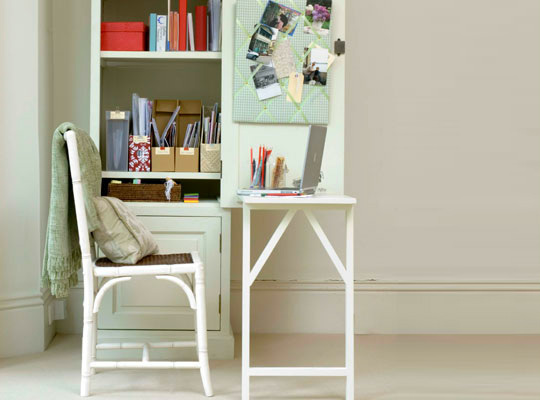
Choose a shelf level that is comfortable for sitting. Remove any shelves below this level to free up leg space. Sand the surface to make it smooth and safe. Paint or stain the surface to match your room decor. This surface will act as your main work area.
Adding Support Brackets
Support brackets keep the desk surface strong. Attach brackets under the desk surface where needed. Use metal or wooden brackets for better strength. Secure them tightly with screws to avoid wobbling. Proper support allows you to place heavy items on the desk.
Incorporating Storage Options
Use the remaining shelves for storage. Add baskets or bins to organize supplies neatly. Attach hooks on the sides for hanging tools or bags. Consider small drawers for papers and stationery. Smart storage keeps your desk tidy and functional.
Finishing Touches
Finishing touches make your bookshelf desk look complete and stylish. They improve both its appearance and usability. Small details create a big difference in your workspace. Focus on painting or staining, lighting, and cable management. These steps help turn your desk into a cozy and neat area.
Painting Or Staining
Choose paint or stain that matches your room’s style. Painting gives a fresh, clean look. Staining shows wood’s natural beauty. Use smooth, even coats for the best finish. Let each layer dry before adding the next. Protect the surface with a clear sealant. This prevents scratches and water damage. A well-finished desk feels inviting and looks polished.
Installing Lighting
Good lighting makes your desk comfortable to work at. Use LED strip lights under shelves for soft, even light. A small desk lamp can focus light on your work area. Choose warm white bulbs for a cozy feel. Position lights to avoid glare on screens. Proper lighting reduces eye strain and keeps you alert. It also highlights your desk’s design.
Cable Management Solutions
Keep cables tidy to avoid clutter and accidents. Use cable clips to attach wires under the desk. A cable box hides power strips and excess cords. Velcro ties bundle cables neatly together. Label cables for easy identification later. Organized cables make your desk safer and cleaner. They help maintain a professional and calm workspace.
Credit: www.curbly.com
Optimizing Your New Workspace
After turning your bookshelf into a desk, it is important to make the space work well for you. A good workspace helps you stay focused and comfortable. Organizing and setting up your desk right can improve your daily tasks and reduce stress.
Small changes can make a big difference. Follow these simple tips to create a space where you enjoy working and feel productive.
Ergonomic Setup Tips
Place your chair and desk at the right height. Your feet should rest flat on the floor. Keep your back straight and shoulders relaxed. Your screen should be at eye level to avoid neck strain. Use a separate keyboard and mouse if possible. Take short breaks to stretch and move around.
Organizing Desk Accessories
Keep only what you need on your desk. Use small containers or trays to hold pens and paperclips. Store papers in folders or files to avoid clutter. Arrange items you use often within easy reach. Clear the desk at the end of the day to start fresh next time.
Personalizing Your Desk Area
Add a few items that make you feel happy and calm. A small plant or photo can brighten your space. Choose simple decorations that do not take up too much room. Personal touches make your workspace more inviting. Change these items from time to time to keep the space fresh.

Credit: www.michaelpage.com
Frequently Asked Questions
How Do I Convert A Bookshelf Into A Functional Desk?
To convert a bookshelf into a desk, remove some shelves to create legroom. Add a sturdy tabletop on top or in the open space. Secure everything tightly for stability. Finish by sanding and painting for a polished look.
What Tools Are Needed To Transform A Bookshelf Into A Desk?
You will need a screwdriver, drill, measuring tape, saw, sandpaper, paint, and screws. Optional tools include clamps and wood glue for added stability. These tools help ensure a safe and secure desk conversion.
Can I Use Any Type Of Bookshelf For A Desk Conversion?
Not all bookshelves are ideal. Choose a sturdy, wide bookshelf with adjustable shelves. Avoid flimsy or narrow units that lack depth. Solid wood or strong particleboard works best for durability and support.
How Much Space Is Required To Convert A Bookshelf Into A Desk?
Ensure the bookshelf is at least 30 inches wide and 18 inches deep. Allow for enough legroom underneath, around 24 inches high. Measure your available space to fit the converted desk comfortably.
Conclusion
Transforming a bookshelf into a desk is simple and practical. It saves space and gives old furniture new life. Just follow basic steps and use common tools. You can customize the desk to fit your needs and style. This small project brings both function and charm to any room.
Try it yourself and enjoy a fresh, useful workspace.