Are you thinking about getting a bunk bed for your child but wondering if they’re old enough? Choosing the right time is important for your kid’s safety and comfort.
You want to make sure they enjoy their new bed without any risks. You’ll discover the best age for bunk beds and what to consider before making the switch. Keep reading to find out how to make the perfect choice for your family’s needs.
Ideal Age For Bunk Beds
Bunk beds are a fun and space-saving option for children’s bedrooms. Choosing the right age for a bunk bed is important for safety and comfort. Understanding the ideal age helps parents make the best decision for their kids’ sleep and play.
Recommended Age Limits
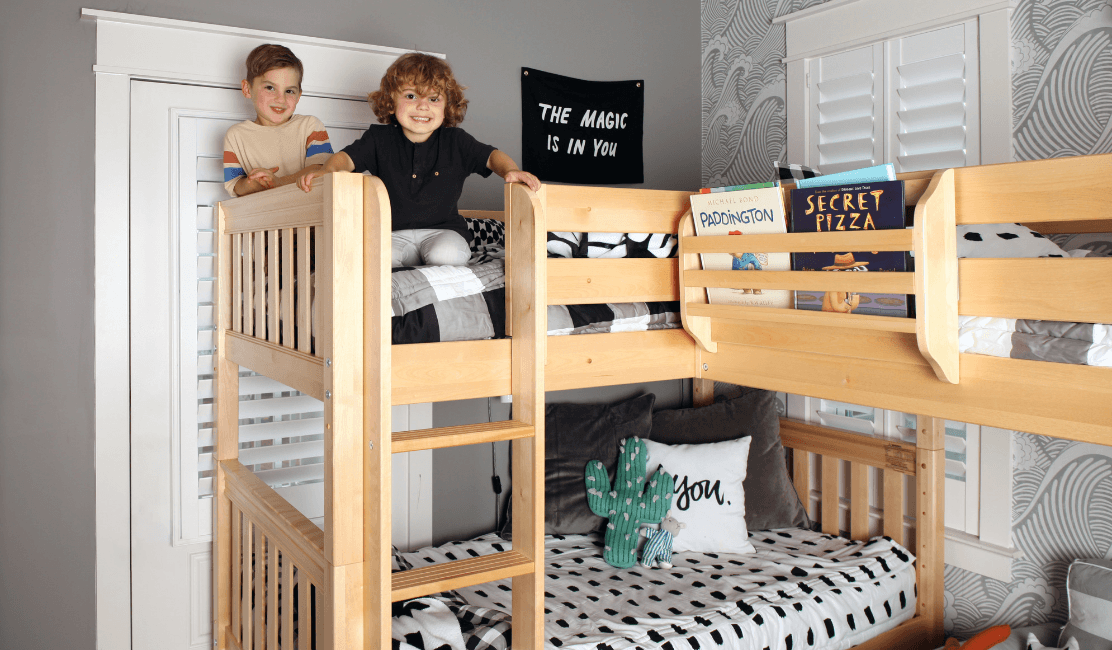
Experts suggest children under six should not use the top bunk. Younger kids may climb unsafely or fall while sleeping. Most manufacturers recommend the top bunk for kids aged six and older. The bottom bunk is safer for younger children or toddlers. Always check the specific age guidelines from the bunk bed maker.
Developmental Considerations
Children develop balance and coordination as they grow. Around age six, most kids can climb ladders and understand safety rules. Nighttime awareness also improves with age, reducing fall risks. Consider your child’s maturity and physical skills, not just their age. Some children may need more time before using the top bunk safely.

Credit: www.maxtrixkids.com
Safety Risks With Bunk Beds
Bunk beds save space and look fun for kids. But they come with safety risks. Knowing these risks helps parents decide the right age for bunk beds. Safety should always be the top priority.
Common Injury Causes
Falls cause most bunk bed injuries. Kids can slip while climbing ladders or rolling in bed. Head bumps happen from hitting the bed frame or ceiling. Kids may get stuck between rails or under the bed. Poorly built or loose parts increase the danger.
Fall Hazards And Prevention
Falling off the top bunk is the biggest risk. Guardrails on all sides reduce falls. Make sure guardrails are high and sturdy. Ladders should be easy to climb and secure. Place the bunk bed away from windows. Use a night light for safe climbing in the dark. Teach kids to stay in bed while sleeping.
Choosing The Right Bunk Bed
Choosing the right bunk bed for your child takes careful thought. Safety and comfort come first. The bed must fit your child’s age and needs. The right choice helps prevent accidents and ensures good sleep.
Parents should focus on key features before buying a bunk bed. These features include strong materials and safety parts. The bed should last long and keep children safe while they play or sleep.
Material And Build Quality
Strong materials keep the bunk bed safe and steady. Wood and metal are common choices. Solid wood lasts longer and feels warm. Metal beds often weigh less and resist damage.
Check the build quality. Joints and screws must be tight. The bed should not wobble or creak. Good craftsmanship means your child can sleep safely every night.
Guardrails And Ladder Safety
Guardrails prevent falls from the top bunk. They must be high enough to stop rolling off. The rails should run along the entire bed length for safety.
The ladder needs wide, non-slip steps. A sturdy ladder helps children climb up and down easily. Secure attachment to the bed frame is important. Avoid ladders that wobble or feel loose.
Safe Usage Tips
Bunk beds save space and look fun for kids. Safety is very important with bunk beds. Parents should know how to use these beds safely. Following some simple tips can protect your child from accidents. Below are key safety tips for using bunk beds.
Proper Bed Setup
Place the bunk bed on a flat, stable floor. Make sure the bed frame is tight and strong. Check all screws and bolts regularly. Use guardrails on both sides of the top bunk. The guardrails should be at least 5 inches above the mattress. Avoid placing the bed near ceiling fans or lights. Use a firm mattress that fits well inside the frame. Remove pillows or blankets that could cause suffocation.
Supervision And Rules
Set clear rules for your child about bunk bed use. Teach them to climb up and down carefully using the ladder. No jumping or rough play on the bed. Kids under six should not sleep on the top bunk. Always check on your child before sleep time. Remind them to keep the bed tidy to avoid falls. Supervise playtime near the bunk bed to prevent accidents.
Alternatives To Bunk Beds
Not every child or family finds bunk beds the best choice. Some kids feel unsafe or find them hard to climb. Spaces may also limit bunk bed options. Exploring other bed types can solve these issues. These alternatives offer comfort and safety for your child.
Loft Beds
Loft beds raise the bed high off the floor. This frees up space underneath. Kids can use this space for play or study. Loft beds suit children who like climbing and adventure. They work well in small rooms. Safety rails and ladders keep kids safe. Choose a sturdy design to prevent accidents.
Trundle Beds
Trundle beds have a second bed stored underneath. You can pull it out when needed. These beds save room during the day. Great for sleepovers or siblings sharing a room. Trundle beds are low to the ground. This makes them safer for younger kids. Easy to move and set up as well.
Credit: www.maxtrixkids.com
Credit: www.reddit.com
Frequently Asked Questions
How Old Should A Child Be For A Bunk Bed?
Children should be at least 6 years old for bunk beds. This age reduces fall risk and ensures safety. Younger kids may lack coordination and judgment needed for bunk bed use.
What Safety Features Should Bunk Beds Have?
Bunk beds should have guardrails on all sides of the top bunk. A sturdy ladder and strong frame are essential. These features prevent falls and ensure safe climbing and sleeping.
Are Bunk Beds Suitable For Toddlers?
Bunk beds are not recommended for toddlers. Their motor skills and awareness are not fully developed. Toddlers are safer sleeping in cribs or low beds.
Can Bunk Beds Cause Sleep Disturbances?
Bunk beds themselves don’t cause sleep issues. However, some children may feel uneasy on the top bunk. Proper comfort and security can help prevent disturbances.
Conclusion
Choosing the right age for a bunk bed keeps your child safe. Most experts suggest waiting until your child is at least six years old. Kids younger than that may find bunk beds risky. Always check the bed’s safety features before buying.
Teach your child how to use the ladder safely. Keep the room well-lit to avoid falls at night. A bunk bed can be fun and space-saving when used correctly. Safety first, comfort next. Your child will enjoy their new bed with peace of mind.