Are you wondering when your little one is ready to move from a crib to a toddler bed? This is a big step for both you and your child, filled with excitement and a few questions.
Knowing the right age to make this change can help your child feel safe and comfortable while giving you peace of mind. You’ll discover clear signs to look for and expert tips to make the transition smooth and stress-free. Keep reading to find out exactly when your baby is ready for a toddler bed—and how to make this important move a success for your whole family.
Signs Baby Is Ready
Knowing when your baby is ready for a toddler bed helps make the transition smooth. Babies grow and change in many ways before they can move out of the crib. Watching for key signs can guide parents on the right time to switch.
Physical Growth Indicators
Your baby may outgrow the crib size. They might start climbing out, which is unsafe. Legs and arms become longer and stronger. These changes show your child needs more space to sleep safely.
Behavioral Changes
Your baby may show more independence. They might resist naptime or bedtime in the crib. Some toddlers try to escape the crib repeatedly. These actions suggest they want to explore and move freely.
Sleep Patterns
Sleep may become restless or interrupted. Your toddler might wake up and want to get out. They may start to nap less or sleep differently. These changes often mean it is time for a bigger bed.
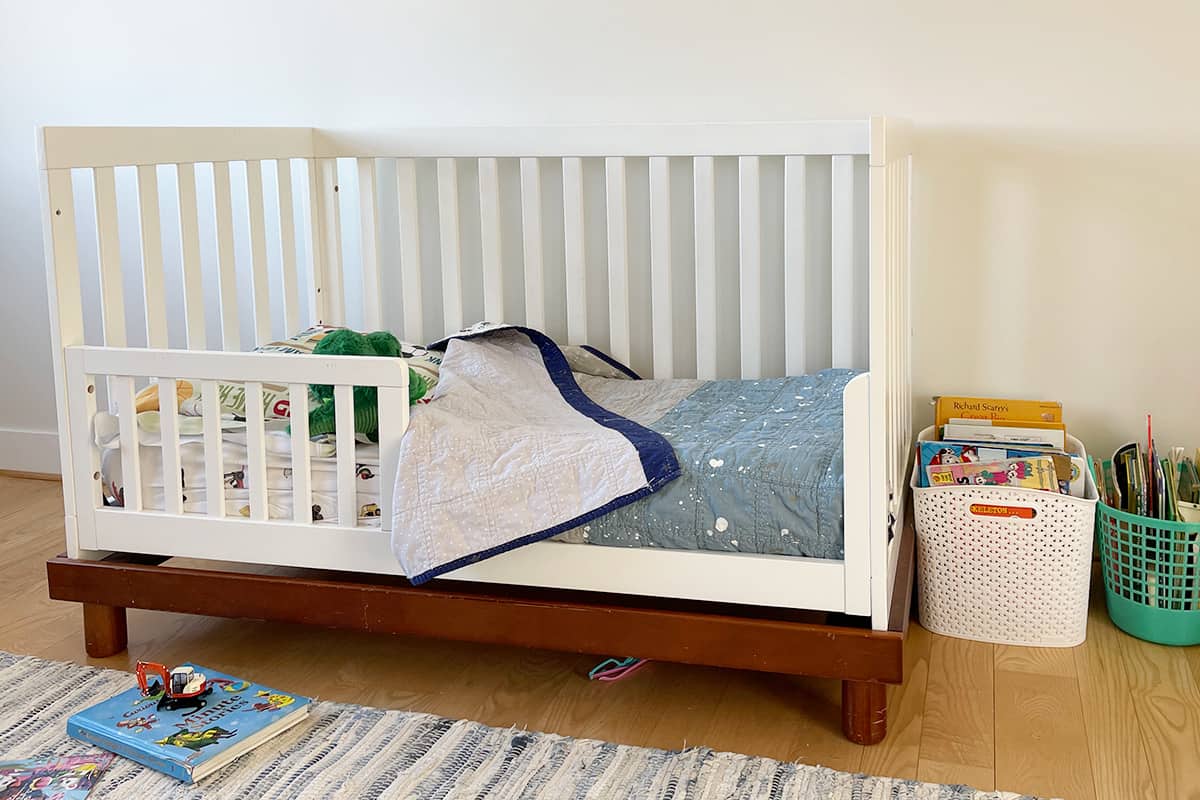
Credit: www.yummytoddlerfood.com
Ideal Age Range
Choosing the right time for a baby to move to a toddler bed matters a lot. The ideal age range helps parents make a smooth change. It balances safety, comfort, and the child’s readiness. Understanding this range can ease worries and create a better sleep environment.
Every child grows at their own pace. Some may be ready earlier, others later. Knowing common milestones and expert advice guides parents well.
Common Age Milestones
Most children switch to a toddler bed between 18 months and 3 years old. Around 2 years is a popular age. This is when many toddlers start climbing out of cribs. They also show interest in more independence.
At this stage, toddlers understand simple rules. They can stay in bed for longer periods. Night waking often decreases, making the transition easier.
Variations Among Children
Some kids may move to a toddler bed earlier or later. Factors include size, mobility, and temperament. A very active toddler might need the move sooner. A shy or cautious child may prefer the crib longer.
Parents should watch for signs like climbing out or fear of cribs. Listening to the child’s needs helps timing the change well. There is no one-size-fits-all age.
Pediatric Recommendations
Doctors often suggest moving to a toddler bed around 18 to 24 months. Safety is the top concern. Toddler beds have lower sides to prevent falls. Pediatricians advise against rushing the transition.
They recommend ensuring the new bed is safe and comfortable. Parents should prepare the child gently for the change. Following these tips can help avoid sleep problems.
Choosing The Right Bed
Choosing the right bed for a toddler is an important step. It helps your child feel safe and comfortable. The right bed supports better sleep and easier transitions. There are many options and details to consider. This guide will help you find the best fit for your little one.
Toddler Bed Types
Toddler beds come in different styles and sizes. Some beds look like small versions of adult beds. Others have fun themes to excite your child. Convertible beds change from crib to toddler bed easily. Choosing a type depends on your child’s needs and room space.
Safety Features To Consider
Safety is the top priority for a toddler bed. Look for beds with guardrails to prevent falls. The mattress should fit snugly without gaps. Avoid beds with sharp edges or small parts. Check that materials are non-toxic and sturdy. These features keep your child safe while sleeping.
Transition From Crib To Bed
The move from crib to bed can be tricky. Start when your child shows signs of readiness. Explain the change in simple words. Let them choose their bed if possible. Keep bedtime routines the same to ease adjustment. Patience and encouragement help children feel secure.
Preparing For The Move
Moving your baby to a toddler bed is a big step. It needs careful planning and patience. Preparing well helps your child feel safe and ready for this new change. Start by setting up a cozy and inviting sleep space. Make your toddler part of the process. Keep bedtime routines steady for comfort and calm.
Creating A Comfortable Sleep Space
Choose a toddler bed that fits your child’s size and needs. Use soft, familiar bedding to add comfort. Place favorite stuffed animals or blankets nearby. Keep the room quiet and dim to help your toddler relax. Make sure the bed is safe with guardrails to prevent falls.
Involving Your Toddler
Let your toddler pick out their bedding or a new nightlight. Talk about the new bed as a fun, big kid step. Read books about moving to a toddler bed. Encourage your child to try sitting or lying in the bed during the day. This helps build excitement and reduces fear.
Maintaining Bedtime Routines
Keep bedtime routines the same as before. Follow the same steps like bath time, story, and lullabies. Stick to the same bedtime hour to provide consistency. A steady routine helps your toddler feel safe and sleepy. Avoid big changes during this transition period.
Handling Challenges
Moving a baby to a toddler bed brings new challenges for parents and children alike. It is a big change that can cause sleep disruptions and worries. Understanding common difficulties helps parents prepare and support their child through this transition.
Nighttime Wandering
Toddlers may get out of bed and walk around at night. This can be unsafe and tiring for parents. Setting clear boundaries and making the room safe reduces risks. Using a baby gate or door alarm can help keep toddlers in their room.
Separation Anxiety
Many toddlers feel scared to sleep alone at first. They may cry or call for parents during the night. Comfort and patience are key. A consistent bedtime routine and a favorite toy can ease anxiety. Reassure your child they are safe and loved.
Adjusting To New Sleep Environment
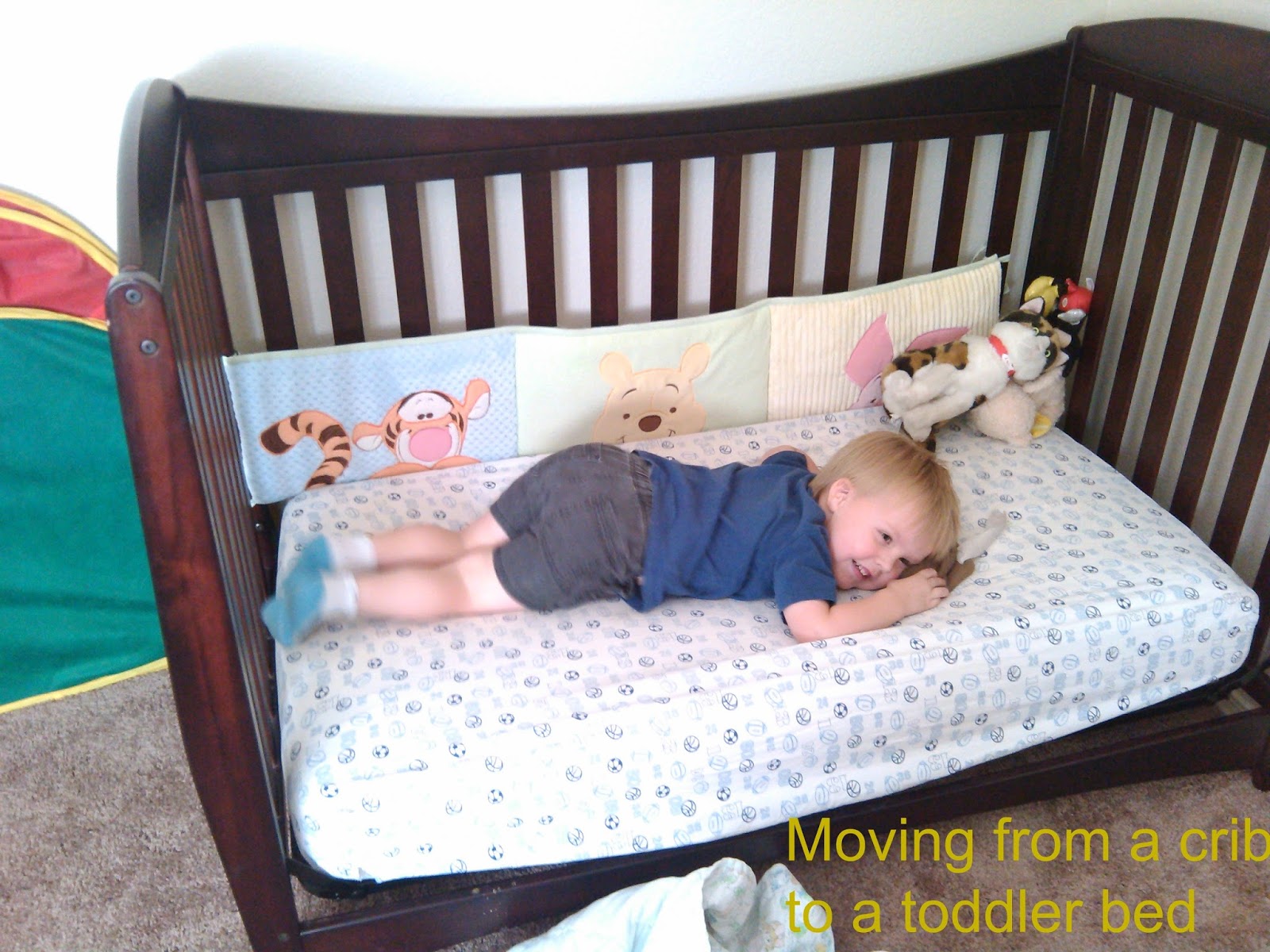
Toddlers need time to get used to their new bed. The change can cause restlessness or refusal to sleep. Keep the room familiar with blankets or pillows from their crib. Stay calm and consistent to help your child feel secure and relaxed.
Credit: everestkitchennc.com
Expert Tips For Parents
Moving your baby to a toddler bed is a big step for both of you. Parents often worry about how to make this change smooth and safe. Expert tips can help you manage this transition with less stress. These tips focus on building good habits and understanding your child’s needs.
Consistency And Patience
Keep bedtime routines the same every night. Consistency helps your child feel safe and know what to expect. Be patient as your child learns new sleeping habits. Some nights may be harder than others. Stay calm and keep trying.
Positive Reinforcement
Praise your child for sleeping in their new bed. Small rewards encourage good behavior. Celebrate even small steps like staying in bed all night. Positive words help your child feel proud and confident.
When To Seek Professional Advice
If your child has trouble sleeping for many weeks, ask a doctor. Signs like fear of sleeping alone or waking a lot need help. A professional can give advice tailored to your child’s needs. Don’t wait too long to get support.

Credit: bilyanagolf.ru
Frequently Asked Questions
When Is The Right Age For A Toddler Bed?
Most toddlers transition between 18 months and 3 years. This depends on their size, mobility, and readiness to leave a crib.
How To Know If Baby Is Ready For Toddler Bed?
Signs include climbing out of crib, showing independence, and understanding bedtime routines. Safety and comfort matter most.
What Are Benefits Of Switching To Toddler Bed Early?
Early transition boosts independence and helps toddlers adjust to new sleep habits. It also prevents crib climbing injuries.
How To Make Toddler Bed Transition Smooth?
Use familiar bedding, maintain bedtime routines, and offer comfort objects. Positive reinforcement and patience ease the change.
Conclusion
Choosing the right time for a toddler bed depends on your child’s growth. Most kids switch between 18 months and 3 years old. Watch for signs like climbing out of the crib or needing more space. A toddler bed offers safety and comfort during this change.
Taking time to prepare helps your child feel secure. Every child is different, so trust your instincts. This transition marks a big step toward independence and better sleep. Keep patience and support, and the move will go smoothly.