Are you wondering when the right time is to move your toddler into their own bed? You’re not alone.
This step can feel both exciting and a little nerve-wracking. You want your child to feel safe and comfortable, but you also want to encourage their independence. Finding the perfect age to make this change isn’t always easy, and getting it right can help your whole family sleep better.
Keep reading, and you’ll discover simple signs to look for and helpful tips to make this transition smooth for you and your little one.
Signs Your Toddler Is Ready
Knowing when to move your toddler to their own bed is important. Signs show your child is ready for this big step. Watch for changes in their body, feelings, and sleep habits. These clues help make the change smooth and safe.
Physical Development Indicators
Your toddler shows growth and control over their body. They can climb in and out of bed safely. Their motor skills improve. They can walk and sit without help. This means they can handle a new sleeping space.
Emotional Readiness
Your child feels confident and less afraid at night. They want to sleep alone and explore independence. They show less separation anxiety. Your toddler talks about their own bed positively. This emotional readiness makes the move easier.
Sleep Pattern Changes
Notice your toddler’s sleep habits. They may sleep longer without waking. Naps may become shorter or less frequent. Your child can fall asleep without needing you nearby. These sleep pattern changes show they can manage alone.
Ideal Age Range
Choosing the right time to move a toddler to their own bed can feel tricky. The ideal age range helps parents find a balance between safety and independence. Toddlers gain new skills and habits that prepare them for sleeping alone. Understanding typical age milestones and how children differ can guide this important step.
Common Age Milestones
Most toddlers start sleeping in their own bed between 18 months and 3 years. At 18 months, many begin to walk well and explore more. Around age 2, children often show a strong desire for independence. By age 3, many toddlers can follow simple bedtime routines and stay in bed all night. These milestones suggest readiness for the transition.
Variations Among Children
Every child grows and learns at their own pace. Some toddlers may be ready earlier or later than average. Fear of sleeping alone or needing comfort can delay moving to their own bed. Others may show excitement about having their own space. Parents should watch for signs of readiness instead of focusing only on age.
Preparing The New Bed
Preparing a toddler’s new bed is an important step in helping them sleep independently. It sets the stage for a smooth transition from the crib. Creating a cozy, safe, and inviting space encourages your child to enjoy their own bed. This process takes care and attention to detail.
Choosing The Right Bed
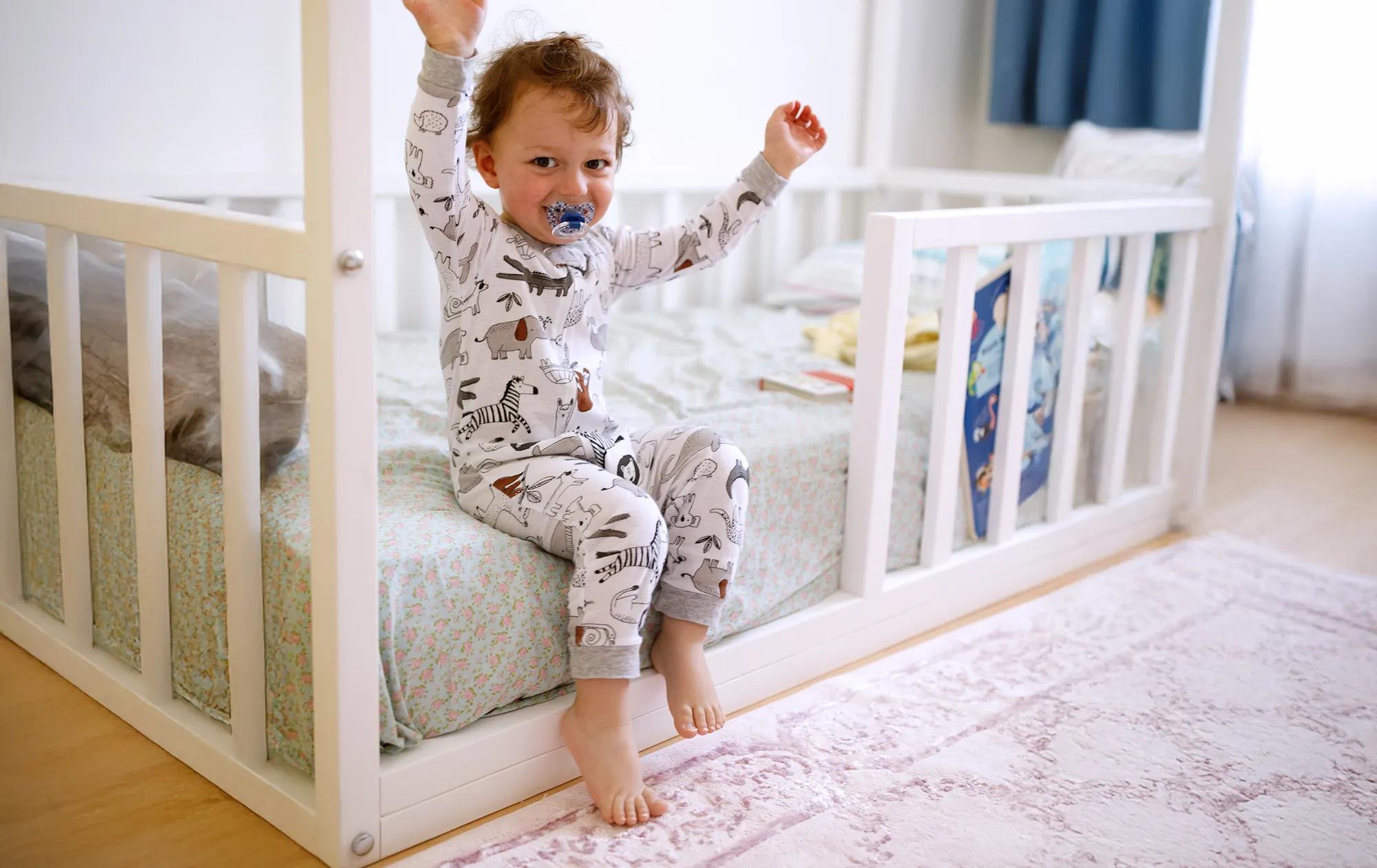
Select a bed that fits your toddler’s size. Too big or too small can cause discomfort. Consider a toddler bed or a small twin bed with low height. Look for sturdy frames that won’t wobble. Beds with guardrails help prevent falls. Pick a style that matches your child’s taste to make it exciting.
Making The Bed Comfortable
Use soft, breathable sheets to keep your toddler cozy. Avoid heavy blankets that might cause overheating. A firm mattress supports growing bodies and prevents sinking. Add a favorite pillow or stuffed toy for comfort. Bright, fun bedding can make bedtime appealing. Keep the bedding clean and fresh for better sleep.
Safety Considerations
Ensure the bed is free from sharp edges. Secure all parts tightly to avoid accidents. Place the bed away from windows and cords. Use nightlights to ease fear of the dark. Check the room for choking hazards or small objects. Keep the floor clear of toys to prevent trips and falls.

Credit: raisingchildren.net.au
Creating A Bedtime Routine
Creating a bedtime routine helps toddlers feel safe and ready for sleep. A good routine makes moving to their own bed easier. It sets clear signals for their body and mind to relax. Consistency is key for success and smooth transitions.
Consistent Sleep Schedule
Set the same bedtime and wake-up time every day. This helps your toddler’s body get used to a routine. Consistent sleep times improve sleep quality. Avoid big changes on weekends to keep the schedule steady.
Soothing Activities
Choose calm activities before bed to help your toddler wind down. Reading a short story works well. Gentle music or quiet play also relaxes them. Avoid exciting games that raise energy right before sleep.
Limiting Screen Time
Turn off screens at least one hour before bed. Screens can make it harder for toddlers to fall asleep. The light and sounds from devices keep their brains active. Replace screen time with quiet activities to calm them down.
Handling Separation Anxiety
Moving a toddler to their own bed can cause separation anxiety. This is normal. Toddlers feel safe close to their parents. New sleeping arrangements may make them uneasy. Helping your child cope is important. Patience and gentle steps ease the process. Comfort and reassurance build trust. Use small changes to help your child adjust.
Comfort Items
Comfort items help toddlers feel safe. A favorite blanket or stuffed toy offers security. These items remind them of home and parents. Let your child choose their comfort item. Keep it in their new bed every night. This small change provides big emotional support.
Gradual Transition Techniques
Changing beds suddenly can be scary. Move your toddler slowly to their own bed. Start by sitting with them until they fall asleep. Then, stay near the door. Gradually spend less time in the room. This slow change helps your child feel secure. It lowers anxiety and builds confidence.
Positive Reinforcement
Praise your toddler for sleeping in their own bed. Celebrate small successes with hugs or kind words. Positive feedback encourages good behavior. Avoid punishment or negative words. Consistent praise helps your child enjoy the new routine. This makes bedtime a happy time.
Dealing With Night Wakings
Moving a toddler to their own bed can bring many changes, especially at night. Night wakings are common during this time. These wake-ups can be tough for both parents and toddlers. Staying calm and having a plan helps everyone sleep better.
Responding Calmly
When your toddler wakes up, stay calm and gentle. Speak softly and comfort them without picking them up right away. Your calm presence helps your child feel safe. Avoid turning on bright lights or making loud noises. This keeps the room quiet and soothing.
Encouraging Self-soothing
Teach your toddler to fall back asleep alone. Offer a favorite toy or blanket for comfort. Show them how to use deep breaths or quiet sounds to relax. Praise small successes to build confidence. Self-soothing skills improve sleep and reduce frequent wakings.
When To Seek Help
Persistent night wakings might need extra support. Talk to your pediatrician if your child cries a lot or has trouble sleeping. Sleep specialists can offer advice for harder cases. Early help can make bedtime easier for your toddler and you.
Parental Tips For Success
Moving your toddler to their own bed is a big step. It needs care and good plans. Parents can help make this change easier with some smart tips. These tips guide you to handle the process calmly and kindly. Success means your child feels safe and sleeps well.
Patience And Consistency
Be patient. Your toddler will need time to adjust. Keep bedtime routines the same every night. This helps your child feel safe and know what to expect. Stay calm if your child cries or wakes up. Repeat the process gently. Consistency builds trust and comfort.
Managing Expectations
Know this change takes days or weeks. Your toddler might want to come back to your bed. This is normal. Set simple rules about staying in their bed. Tell your child what will happen each night. Clear rules help your toddler understand and feel secure.
Celebrating Progress
Notice small steps your child takes. Praise them when they stay in bed longer. Celebrate each night they sleep well alone. Positive words encourage your toddler to keep trying. Rewards like stickers or extra story time work well.
Credit: health.clevelandclinic.org

Credit: raisingchildren.net.au
Frequently Asked Questions
When Is The Best Age For A Toddler’s Own Bed?
Most experts suggest between 18 months and 3 years. This range balances safety and readiness for independence. Every child is unique, so consider your toddler’s development and comfort.
How To Know If Toddler Is Ready For Own Bed?
Look for signs like climbing out of the crib or showing interest in a big bed. Also, consider their ability to understand bedtime routines and follow simple instructions.
What Are Safety Tips For Toddler’s First Bed?
Use guardrails to prevent falls and ensure the bed is low to the ground. Remove choking hazards and keep the room child-proofed for a safe sleep environment.
How To Transition Toddler From Crib To Bed Smoothly?
Establish a consistent bedtime routine and introduce the new bed gradually. Use positive reinforcement and be patient with any nighttime fears or resistance.
Conclusion
Choosing the right age to move your toddler to their own bed depends on many things. Every child is different and grows at their own pace. Watch for signs like readiness and comfort. Keep bedtime routines calm and consistent. Patience helps both you and your toddler adjust well.
A smooth transition makes bedtime easier for everyone. Trust your instincts and take it step by step. Your child will soon enjoy their own space and restful nights.