Choosing the right wood for your bunk bed is more important than you might think. The wood you pick affects not just how the bed looks, but also how strong and safe it will be for you and your family.
If you want a bunk bed that lasts for years, feels sturdy, and fits your style, you need to know which wood types work best. Keep reading, and you’ll discover simple tips to help you make the perfect choice for your home.
Your next bunk bed project just got a lot easier.
Types Of Wood For Bunk Beds
Choosing the right wood for bunk beds is important for safety and durability. Different types of wood offer various benefits. Some woods are strong and long-lasting, while others are light and easy to work with. Understanding the types of wood helps in making a good choice for bunk beds.
Hardwood Options
Hardwoods come from trees that grow slowly and have dense wood. Oak, maple, and cherry are popular hardwoods for bunk beds. They are very strong and can handle heavy use. Hardwood beds last many years without damage. Their natural look adds beauty to any room. These woods resist dents and scratches well.
Softwood Choices
Softwoods come from faster-growing trees like pine and fir. They are lighter and easier to cut or shape. Softwood bunk beds are usually less expensive. Pine is common and has a nice grain pattern. Softwoods may need extra care to avoid dents. They work well for lighter use and can be painted easily.
Engineered Wood Varieties
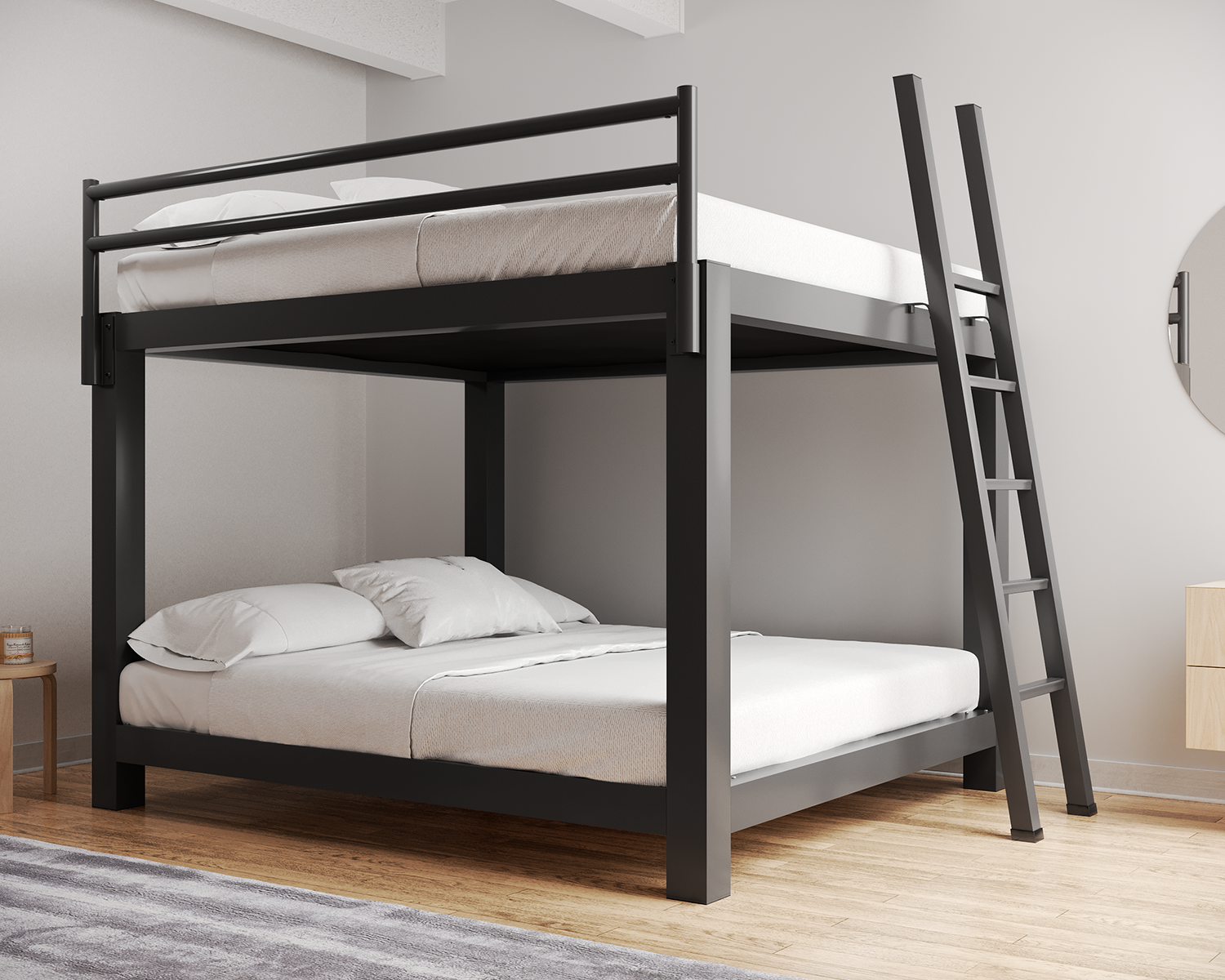
Engineered woods are made by combining wood pieces with glue. Plywood and MDF are common types used for bunk beds. These woods are stable and less likely to warp. Engineered wood is smooth and easy to paint. It can be cheaper than solid wood. However, it may not be as strong as hardwood.
Credit: adultbunkbeds.com
Durability Factors
Choosing the right wood for a bunk bed means understanding its durability. Durability affects safety and how long the bed lasts. Several factors play a role in how strong and reliable the wood will be. These include the wood’s strength, its resistance to daily use, and how easy it is to maintain.
Strength And Hardness
Strength shows how much weight the wood can hold. Hardness tells how well it resists dents and scratches. Hardwoods like oak and maple rank high in both. Softwoods like pine are easier to work with but may dent faster. Strong wood keeps the bunk bed sturdy and safe for kids.
Resistance To Wear And Tear
Daily use causes wear and tear on bunk beds. Wood that resists scratches, dents, and cracks stays better longer. Woods with tight grain patterns handle rough use well. Some woods also resist moisture and pests. These qualities help the bed look good and stay solid over time.
Longevity And Maintenance
Long-lasting wood needs less repair and replacement. Some woods age well and keep their strength. Easy maintenance means cleaning and small fixes are simple. Finishing the wood with sealant or paint adds protection. Choosing wood that lasts reduces hassle and saves money.
Safety Considerations
Safety is the top priority when choosing wood for a bunk bed. The right wood helps keep the bed strong and safe for children. It also prevents accidents like splinters or harmful chemical exposure. Understanding key safety points ensures a secure and healthy sleeping space.
Non-toxic Finishes
Wood finishes should be free from harmful chemicals. Children often touch and sometimes chew on the bed. Non-toxic paints and sealants protect their health. Look for finishes labeled safe for kids or use natural oils. Avoid finishes with strong fumes or lead content.
Structural Stability
The wood must support weight without bending or breaking. Hardwoods like oak, maple, or birch offer strong support. Avoid soft woods that may crack under pressure. Check for thick, solid boards and secure joints. Stability reduces the risk of falls or bed collapse.
Smoothness And Splinter Prevention
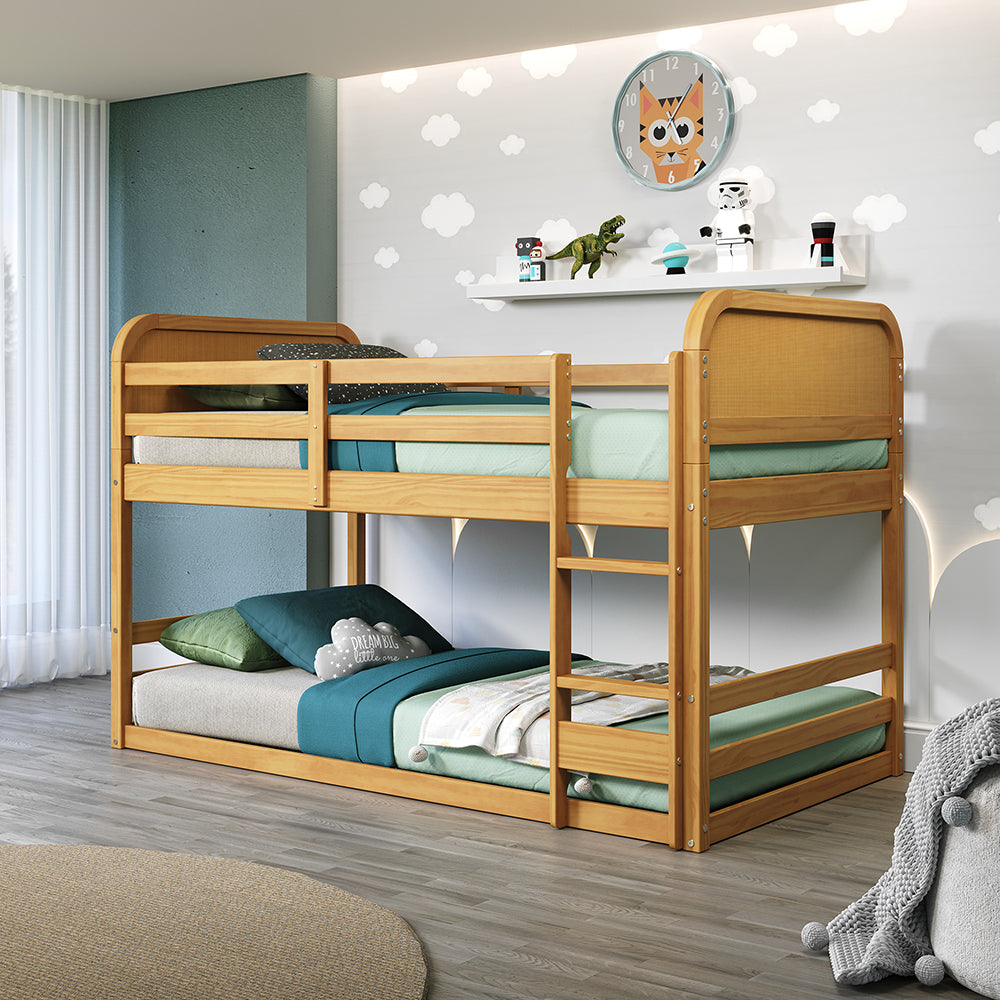
All surfaces should feel smooth to touch. Sand the wood carefully to remove rough spots. Splinters can cause pain and infections. Rounded edges add extra safety around corners. Regular checks keep the bed free from new splinters or cracks.
Credit: www.pkolino.com
Style And Aesthetics
Style and aesthetics play a big role in choosing the right wood for a bunk bed. The wood’s look can change the whole feel of a room. The right wood brings warmth, charm, and a natural touch. It can make the bunk bed a favorite spot for kids or guests. Understanding how wood grain, stains, and room decor match helps pick the best wood.
Natural Wood Grain
Natural wood grain shows the wood’s texture and pattern. Some woods have straight, smooth grains. Others have knots and swirls that add character. Oak and walnut have rich, visible grains that look beautiful. Pine has softer, lighter grains that give a casual feel. The grain style sets the tone for the bed’s look.
Stain And Paint Compatibility
Different woods react differently to stains and paints. Hardwoods like maple absorb stain evenly. Softwoods like pine can blotch if not sealed properly. Some woods take paint better and hide imperfections well. Choose wood that matches your plan for color and finish. This makes the bed look neat and lasts longer.
Matching Room Decor
The bunk bed should fit the room’s style. Light woods like birch suit modern, bright rooms. Dark woods like mahogany match classic or vintage decor. Consider the room’s furniture and wall colors. The wood choice should blend or stand out nicely. This balance creates a cozy and stylish space.
Cost And Availability
Choosing the right wood for a bunk bed depends a lot on cost and availability. These factors affect your budget and how fast you can get the materials. Some woods are cheap and easy to find. Others cost more but last longer. Understanding these options helps you pick the best wood for your needs.
Budget-friendly Options
Pine and fir are popular, low-cost woods for bunk beds. They are softwoods that grow fast, so they are easy to buy. These woods are light and simple to work with. Pine is common in most hardware stores. It offers good strength for the price. Fir has a clean look and holds up well. Both woods fit tight budgets without sacrificing safety.
Premium Choices
Hardwoods like oak, maple, and cherry cost more but look great. These woods have tight grains and strong fibers. They resist dents and scratches better than softwoods. Oak is tough and lasts for years. Maple has a smooth finish and is very durable. Cherry has a rich color that deepens with time. These woods suit buyers wanting long-lasting, stylish bunk beds.
Sourcing Locally Vs Imported
Local wood often costs less because it avoids heavy shipping fees. It also supports nearby businesses and reduces delivery time. Local woods vary by region, so options depend on your location. Imported wood may offer rare types or specific qualities. It usually costs more due to transport and taxes. Think about your priorities: budget, wood type, and delivery speed before choosing.
Maintenance Tips
Keeping your wooden bunk bed in good shape takes some care. Wood can wear down over time from use and dust. Simple maintenance helps the bed last longer and look nice. Follow easy steps to clean, fix, and protect the wood.
Cleaning Techniques
Dust the bunk bed often with a soft cloth. Use a damp cloth for sticky spots. Avoid soaking the wood with water. Mild soap works well for tough dirt. Dry the surface right after cleaning to stop damage.
Repairing Scratches And Dents
Small scratches can hide with a wood marker or crayon. For dents, press a damp cloth on the spot. Use a warm iron for a few seconds. This helps the wood swell and fill the dent. Sand lightly if needed, then apply a matching finish.
Protecting Wood Finish
Apply a thin layer of wood polish or wax every few months. It keeps the wood shiny and safe from moisture. Avoid harsh chemicals that remove the finish. Use furniture pads under heavy parts to prevent scratches. Keep the bed away from direct sunlight to stop fading.

Credit: www.crateandbarrel.com
Frequently Asked Questions
What Wood Is Best For Bunk Bed Durability?
Hardwoods like oak, maple, and cherry are best for bunk bed durability. They resist wear, support weight well, and last longer. Softwoods like pine can be used but may dent or scratch easily. Choose hardwood for safety and long-term use.
Is Pine Wood Suitable For Bunk Beds?
Pine wood is affordable and lightweight, making it popular for bunk beds. However, it’s softer and less durable than hardwoods. Pine can dent or scratch easily but works well if properly treated and maintained. It’s ideal for budget-friendly options.
How Does Wood Type Affect Bunk Bed Safety?
Wood type affects bunk bed strength and stability. Hardwoods provide sturdy support, reducing wobble and risk of collapse. Softer woods might weaken over time and pose safety risks. Choosing strong, quality wood is crucial for a safe bunk bed.
Can Reclaimed Wood Be Used For Bunk Beds?
Yes, reclaimed wood can be used for bunk beds if it’s structurally sound. It’s eco-friendly and adds character but must be inspected for nails, pests, or rot. Proper sanding and finishing ensure safety and durability.
Conclusion
Choosing the right wood ensures your bunk bed stays strong and safe. Hardwoods like oak and maple offer great durability. Softwoods like pine can be lighter and easier to work with. Think about your budget and style too. Wood quality affects how long the bed will last.
A sturdy bunk bed means better sleep and peace of mind. Take time to pick wood that fits your needs well. Your choice makes all the difference in comfort and safety.