Are you wondering when your baby is ready to make the big switch to a toddler bed? It’s a big step for both you and your little one.
Knowing the right age can make this transition smooth and stress-free. You’ll discover key signs to look for and expert tips to help your child feel safe and comfortable in their new bed. Keep reading to find out exactly when and how to make this important change for your family.
Signs Baby Is Ready For Toddler Bed
Knowing when a baby is ready for a toddler bed helps parents plan the transition smoothly. Signs show the right time to move from a crib to a bed. These signs come from physical growth, behavior, and safety needs. Watching for these clues makes bedtime easier for both baby and parents.
Physical Growth Indicators
One sign is the baby growing too big for the crib. Legs or arms may stick out beyond the crib rails. The child might try to climb out, which can be dangerous. When the baby can sit up and stand well, it shows readiness. These signs mean the crib is no longer safe or comfortable.
Behavioral Changes
The baby may show interest in the bed or want more freedom. Refusing to nap or sleep in the crib often happens. The child might tell parents about wanting a “big kid” bed. Night waking and wanting to get out of the crib more often can appear. These behaviors suggest readiness for a new sleeping space.
Safety Considerations
Climbing out of the crib is a key safety warning. Falls can cause injuries if the baby tries to escape. A toddler bed with low rails helps prevent falling. The room should be childproofed to keep the baby safe when awake. Making the sleeping area secure is essential before the move.
Typical Age Range For Transition
Choosing the right time for a toddler bed is important. Many parents wonder about the typical age range for this transition. The answer varies by child and culture. Understanding these factors helps parents make the best choice for their little one.
Average Age Range
Most children move to a toddler bed between 18 months and 3 years old. This range suits many kids who start climbing out of cribs. Toddler beds are lower and safer for these active toddlers. Parents often watch for signs like restlessness or crib climbing.
Variations By Child
Every child grows and develops at a different pace. Some toddlers may be ready earlier, around 15 months. Others might prefer to stay in a crib until 3 years or more. Parents should notice their child’s comfort and readiness to change beds.
Cultural Differences
Sleeping arrangements differ worldwide. In some cultures, children share beds with parents longer. Others move children to separate beds or rooms earlier. These habits influence the age a toddler starts sleeping in a toddler bed. Family customs and living spaces play a big role.
Benefits Of Toddler Bed Transition
Moving a baby to a toddler bed is a big step. It brings many benefits that help both children and parents. This change supports growth in many ways. Toddler beds suit a child’s size and needs better than cribs. The transition helps in developing good sleep habits and safety.
Promotes Independence
A toddler bed lets children get in and out alone. This freedom builds confidence and self-reliance. Kids learn to manage their bedtime routine themselves. It encourages them to feel more grown-up and responsible. Small steps like these boost a child’s independence every day.
Improves Sleep Quality
Toddler beds provide more space to move comfortably. This extra room helps children sleep longer and better. The familiar bedding makes them feel safe and cozy. A good sleep routine forms with the new bed. Better sleep supports healthy growth and mood.
Enhances Safety
Toddler beds have low sides to prevent falls. They are designed to fit a child’s size perfectly. This reduces the risk of injuries during the night. Parents worry less about their child’s safety. The bed’s design also helps children feel secure and calm.

Credit: www.whattoexpect.com
Tips For Smooth Transition
Moving your baby to a toddler bed is a big step. It needs care and patience. A smooth change helps your child feel safe and sleep well. Small actions can make this time easier for both of you.
Preparing The Sleep Environment
Create a calm and cozy bedroom. Use soft bedding and favorite toys. Keep the room quiet and dark. Remove any sharp or dangerous items. A nice room invites your toddler to rest.
Establishing A Routine
Stick to a regular bedtime and wake-up time. Read a story or sing a lullaby before bed. These habits signal it is time to sleep. Predictable routines help toddlers feel secure.
Using Positive Reinforcement
Praise your child for sleeping in the new bed. Use gentle words and smiles. Small rewards like stickers work well. Positive feedback encourages good sleep habits.
Common Challenges And Solutions
Moving a baby to a toddler bed can bring new challenges. Parents often face issues that affect sleep quality for both the child and family. Understanding these common problems helps create smooth transitions. Simple solutions can make bedtime easier and safer.
Bedtime Resistance
Many toddlers resist going to bed in their new bed. The change can feel strange or scary. Establish a calming bedtime routine. Read a favorite story or sing a gentle song. Consistency helps toddlers feel safe and relaxed. Praise them for staying in bed. Avoid giving too many choices at bedtime.
Nighttime Wandering
Toddlers may leave their bed during the night. This can be risky and disrupt sleep. Use a baby gate to keep your child in their room. Night lights provide comfort and reduce fear of the dark. Talk calmly if they come out of bed. Guide them back without anger or fuss. This teaches limits gently.
Adjusting Nap Schedules
Changing beds can affect daytime naps. Toddlers might nap less or more. Observe your child’s tired signs closely. Keep naps consistent but flexible. Avoid letting naps go too late in the day. Balanced naps help improve nighttime sleep. A well-rested toddler sleeps better in their new bed.

Credit: www.sleepfullbaby.com
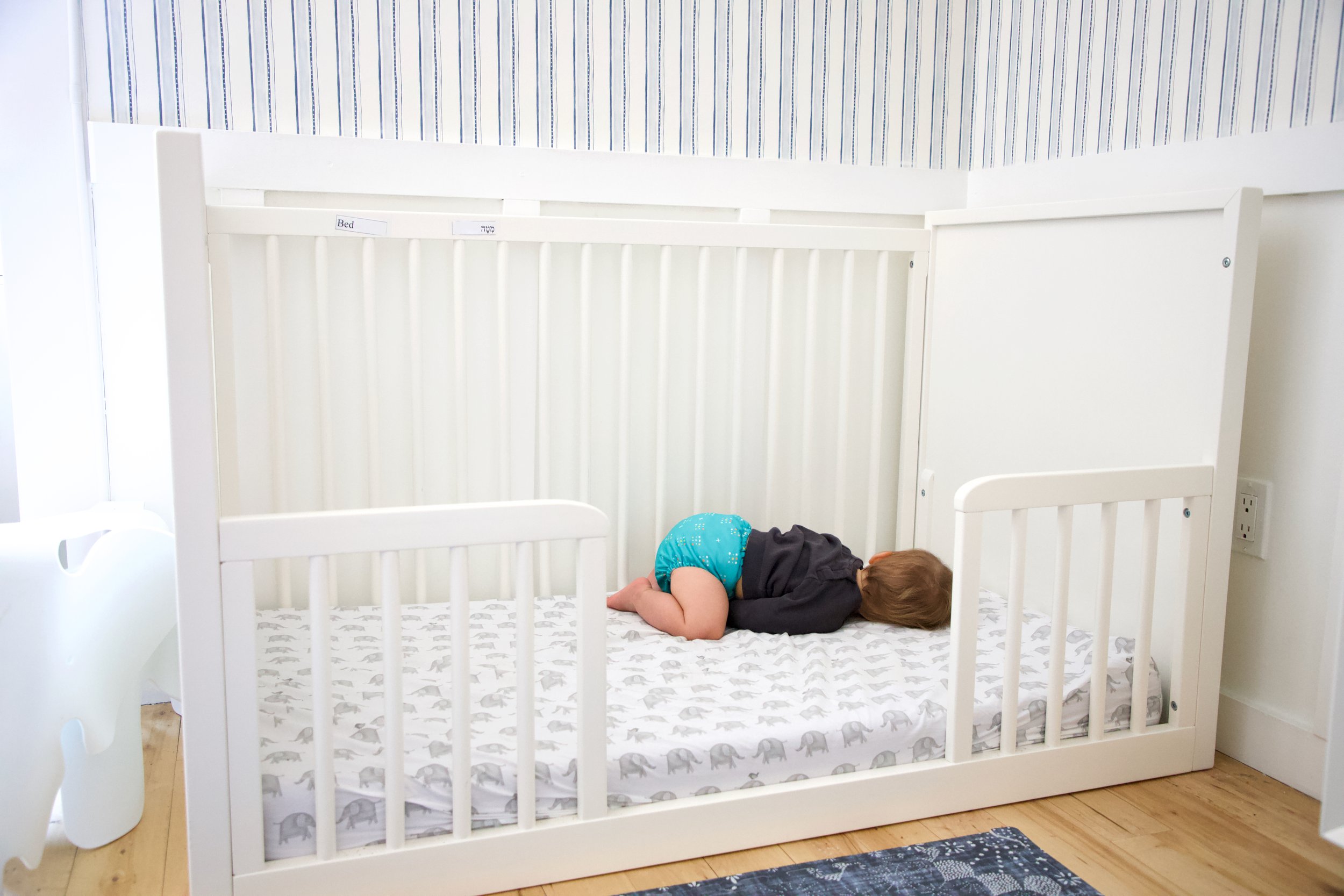
Credit: www.homeandontheway.com
Frequently Asked Questions
When Should A Baby Transition To A Toddler Bed?
Babies usually transition to toddler beds between 18 months and 3 years. The right time depends on the child’s mobility and safety needs. Signs include climbing out of the crib or showing interest in a bigger bed.
What Factors Influence The Best Age For Toddler Beds?
Safety, child readiness, and developmental milestones influence the transition age. Parents should consider the child’s ability to climb and follow bedtime routines. Comfort and room setup also play important roles in deciding the timing.
How To Know If A Toddler Bed Is Suitable?
A toddler bed suits when the child can climb in and out safely. It should have guardrails to prevent falls. The child should show willingness to switch from crib to bed for a smooth transition.
Are There Risks In Transitioning Too Early?
Transitioning too early may cause safety risks like falls or sleep disturbances. The child might feel insecure or resist the change. Waiting for readiness ensures a safer and more comfortable sleep environment.
Conclusion
Babies usually move to a toddler bed between 18 months and 3 years. This change depends on their size and readiness. Watch for signs like climbing out of the crib or needing more space. A toddler bed helps your child feel more independent and comfortable.
Make sure the bed is safe and fits your child well. Every child is different, so trust your own judgment. This step helps your little one grow and sleep better. Keep patience and enjoy this new stage together.