You know the struggle all too well: your toddler refuses to go to bed, and bedtime turns into a battle every single night. You’re exhausted, frustrated, and just want some peace.
But what if you could turn this around? Imagine a calm, smooth bedtime routine that helps your little one drift off easily—and gives you the rest you deserve. You’ll discover simple, effective strategies to help your toddler settle down without tears or tantrums.
Keep reading, because the peaceful nights you’ve been dreaming of are closer than you think.
Common Reasons Toddlers Resist Bedtime
Toddlers often resist bedtime for many reasons. Understanding these reasons helps parents handle bedtime struggles better. Knowing why toddlers delay sleep makes it easier to create good bedtime habits. Here are some common reasons toddlers fight going to bed.
Separation Anxiety
Many toddlers feel scared when parents leave the room. This fear makes them want to stay awake longer. They need extra comfort and reassurance before sleeping. Separation anxiety can cause crying and fussiness at bedtime. Patience and gentle words help toddlers feel safe.
Overstimulation Before Bed
Too much activity or screen time before bed makes toddlers restless. Bright lights and loud noises keep their brains awake. Quiet, calm activities work better before sleep time. Overstimulation can delay falling asleep and cause bad dreams. A calm routine helps toddlers relax and get ready for bed.
Irregular Sleep Schedule
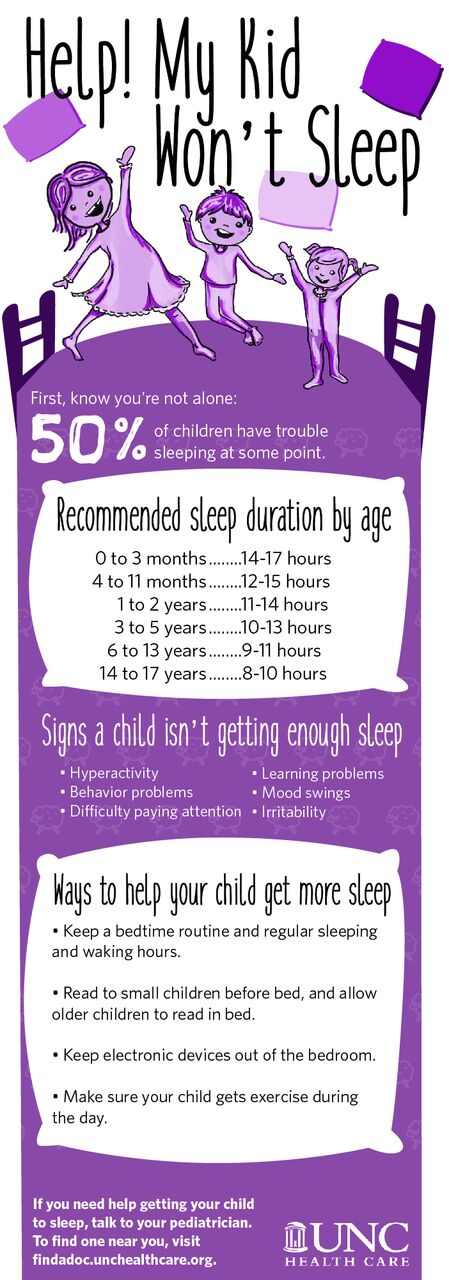
Inconsistent bedtimes confuse toddlers’ internal clocks. Changing sleep times makes falling asleep harder. A regular sleep schedule helps toddlers know when to expect sleep. Consistency in bedtime and wake-up time improves sleep quality. Regular naps during the day also support nighttime sleep.
Credit: healthtalk.unchealthcare.org
Creating A Calming Bedtime Routine
Creating a calming bedtime routine helps toddlers feel safe and ready for sleep. It sets clear signals that bedtime is near. A peaceful routine reduces resistance and fussiness. Toddlers know what to expect, which eases their minds and bodies.
Consistent Sleep Times
Choose a regular bedtime and wake-up time. Stick to these times every day, even weekends. Consistency helps your toddler’s body clock. It makes falling asleep easier and waking up natural.
Soothing Activities
Include calm activities before bed. Reading a short story or singing soft songs works well. Gentle massages or warm baths can relax muscles. Avoid loud or active play that excites your toddler.
Limiting Screen Time
Turn off screens at least one hour before bedtime. Light from screens can confuse the brain. It makes sleep harder to come. Try quiet play or reading instead of TV or tablets.
Setting Clear Boundaries And Expectations
Setting clear boundaries and expectations helps toddlers understand bedtime routines. It creates a calm and safe environment. Toddlers feel more secure when they know what to expect. This reduces bedtime struggles and helps them settle down faster.
Gentle Yet Firm Rules
Set simple rules about bedtime. For example, “We stay in bed after lights out.” Speak calmly but with confidence. Avoid yelling or showing frustration. Toddlers respond better to calm, steady voices. Keep rules consistent every night to build trust.
Using Positive Reinforcement
Praise your toddler for following bedtime rules. Say things like, “Great job staying in bed.” Use small rewards like stickers or extra storytime. Positive feedback encourages good behavior. It helps toddlers feel proud and want to try again.
Handling Bedtime Protests
Expect some resistance as toddlers test limits. Stay calm and patient during protests. Gently remind them of the rules without arguing. Offer comfort but avoid giving in to demands. Consistency helps toddlers learn that bedtime is non-negotiable.

Credit: www.sleeperteachers.com
Optimizing The Sleep Environment
Creating the right sleep environment helps toddlers relax and fall asleep faster. A calm, cozy room signals bedtime. Small changes make a big difference. Focus on comfort, light, and noise to make the room inviting.
Comfortable Bedding
Soft, clean bedding feels good on a toddler’s skin. Choose blankets and sheets made from breathable materials like cotton. Avoid heavy or itchy fabrics. A favorite stuffed toy or blanket can add comfort. Check the mattress firmness; it should support but not be too hard. Comfortable bedding makes the bed a safe, relaxing place.
Controlling Light And Noise
Bright lights can keep toddlers awake. Use blackout curtains to block sunlight or streetlights. Keep the room dark during nap times and at night. Sounds also affect sleep. Use a white noise machine or fan to mask sudden noises. Keep the volume low. A quiet room helps toddlers feel safe and calm.
Using Nightlights Wisely
Nightlights can ease fear of the dark for some toddlers. Use soft, warm-colored lights. Avoid bright or blue-toned nightlights. Place the nightlight away from the bed to avoid distraction. Turn it off once the toddler feels secure. The right nightlight provides comfort without disturbing sleep.
Addressing Nighttime Fears
Nighttime fears are common in toddlers and can make bedtime hard. These fears feel very real to your child. Helping your toddler feel safe and calm can ease these worries. Simple steps can create a peaceful bedtime routine.
Validating Feelings
Start by listening to your toddler’s fears. Say things like, “I understand you feel scared.” This shows you respect their feelings. Avoid saying, “There’s nothing to fear.” That can make your child feel alone. Instead, offer comfort and let them know you are there.
Providing Security Objects
Security objects like a soft toy or blanket help toddlers feel safe. Let your child choose a favorite item to keep at bedtime. These objects give comfort and a sense of protection. Keep the security item nearby during sleep to ease anxiety.
Creating A Safe Space
Make your toddler’s room a calm and cozy place. Use a nightlight to soften the darkness. Keep the room quiet and at a comfortable temperature. Check for anything that might look scary in the dark. A safe space helps your child relax and fall asleep easier.

Credit: alphamom.com
Frequently Asked Questions
Why Won’t My Toddler Go To Bed Easily?
Toddlers resist bedtime due to separation anxiety, fear of missing out, or inconsistent routines. Establish a calming pre-sleep ritual to ease their transition and create a sense of security.
How Can I Create A Toddler Bedtime Routine?
Set a consistent bedtime and follow calming activities like reading or bathing. A predictable routine signals it’s time to sleep, helping your toddler relax and adjust their internal clock.
What Are Effective Ways To Calm A Toddler Before Bed?
Use gentle activities such as reading, soft music, or cuddling. Avoid screens and stimulating games. These calming methods reduce anxiety and prepare toddlers for restful sleep.
How Do I Handle Bedtime Tantrums In Toddlers?
Stay calm and consistent. Acknowledge their feelings but enforce boundaries gently. Avoid giving in, as consistency helps toddlers understand bedtime expectations and reduces tantrums over time.
Conclusion
Helping a toddler go to bed takes patience and calm. Keep a steady bedtime routine every night. Offer comfort and stay close until they feel safe. Avoid screens and loud noises before sleep time. Small changes can make a big difference.
Remember, each child is unique and learns in their own way. Stay consistent and gentle. Soon, bedtime will become easier for both of you. Sleep helps your toddler grow happy and healthy. Keep trying, and good nights will come.