Are you wondering when your little one is ready to make the big leap from a crib to a toddler bed? This is a question many parents face, and finding the right time can feel overwhelming.
You want your child to feel safe and comfortable, but also to encourage their growing independence. You’ll discover clear signs and age guidelines that will help you decide the perfect moment to switch. Keep reading, because knowing exactly when to make this change can make bedtime smoother for both you and your child.
When To Make The Switch
Deciding when to move your baby to a toddler bed is an important step. It affects their comfort and safety during sleep. Parents often wonder about the right time to make this change. Understanding the signs and age range can help make the transition smooth.
Typical Age Range
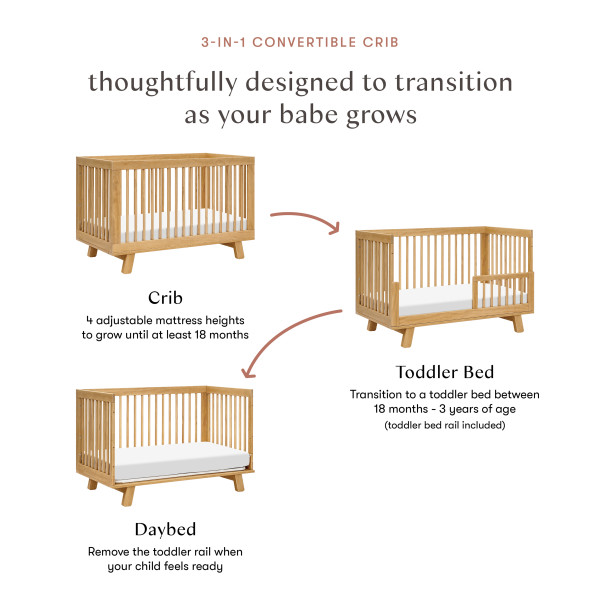
Most children switch to a toddler bed between 18 months and 3 years old. This range covers many toddlers who begin to outgrow their cribs. Some kids are ready closer to 18 months, while others stay in cribs longer. The key is to watch your child’s behavior and physical growth. Toddlers who climb out of the crib need a safer sleep space fast. A toddler bed offers more freedom and comfort for growing children.
Individual Development Factors
Every child grows at their own pace. Some toddlers may show readiness earlier or later than the typical age. Signs like climbing out of the crib, showing interest in a big bed, or needing more space signal readiness. Your child’s size and coordination also matter. A toddler bed can prevent falls and help your child feel secure. Trust your instincts and your child’s cues during this change.
Signs Your Baby Is Ready
Knowing the signs that your baby is ready for a toddler bed helps make the transition smooth. Babies grow fast and change daily. Watch their actions and behaviors closely. These clues show when it’s time to switch from crib to bed.
Climbing Out Of Crib
One clear sign is when your baby tries to climb out of the crib. This can be dangerous. Babies who climb show they are ready for more space. A toddler bed offers safer freedom to move around.
Showing Interest In Toddler Bed
Babies often watch others sleeping in beds. They may ask to sleep there or touch the bed. This interest means they feel curious and ready for the change. It is a good time to introduce the toddler bed gently.
Sleeping Through The Night
Babies who sleep well through the night handle new routines better. If your baby wakes less and sleeps longer, they can adjust to a toddler bed more easily. Good sleep habits help the transition go smoothly.
Choosing The Right Toddler Bed
Choosing the right toddler bed is an important step for your child’s comfort and safety. The bed should fit your child’s needs and room space. It should also be easy for them to use and feel cozy. Picking the best bed can make the transition from crib to bed smooth and stress-free.
Think about your child’s size and how safe the bed is. The bed should have features that protect your child from falling or getting hurt. Also, decide if you want a bed that grows with your child or a completely new one. Both options have benefits and can fit different budgets.
Size And Safety Features
Choose a bed that matches your child’s height and weight. The bed should be low to the ground for easy access. Look for guardrails to stop your child from falling out. The mattress should fit snugly inside the frame with no gaps. Check that the bed is stable and made from safe materials. Avoid beds with sharp edges or loose parts. Safety is the top priority for a good toddler bed.
Transition Beds Vs. New Beds
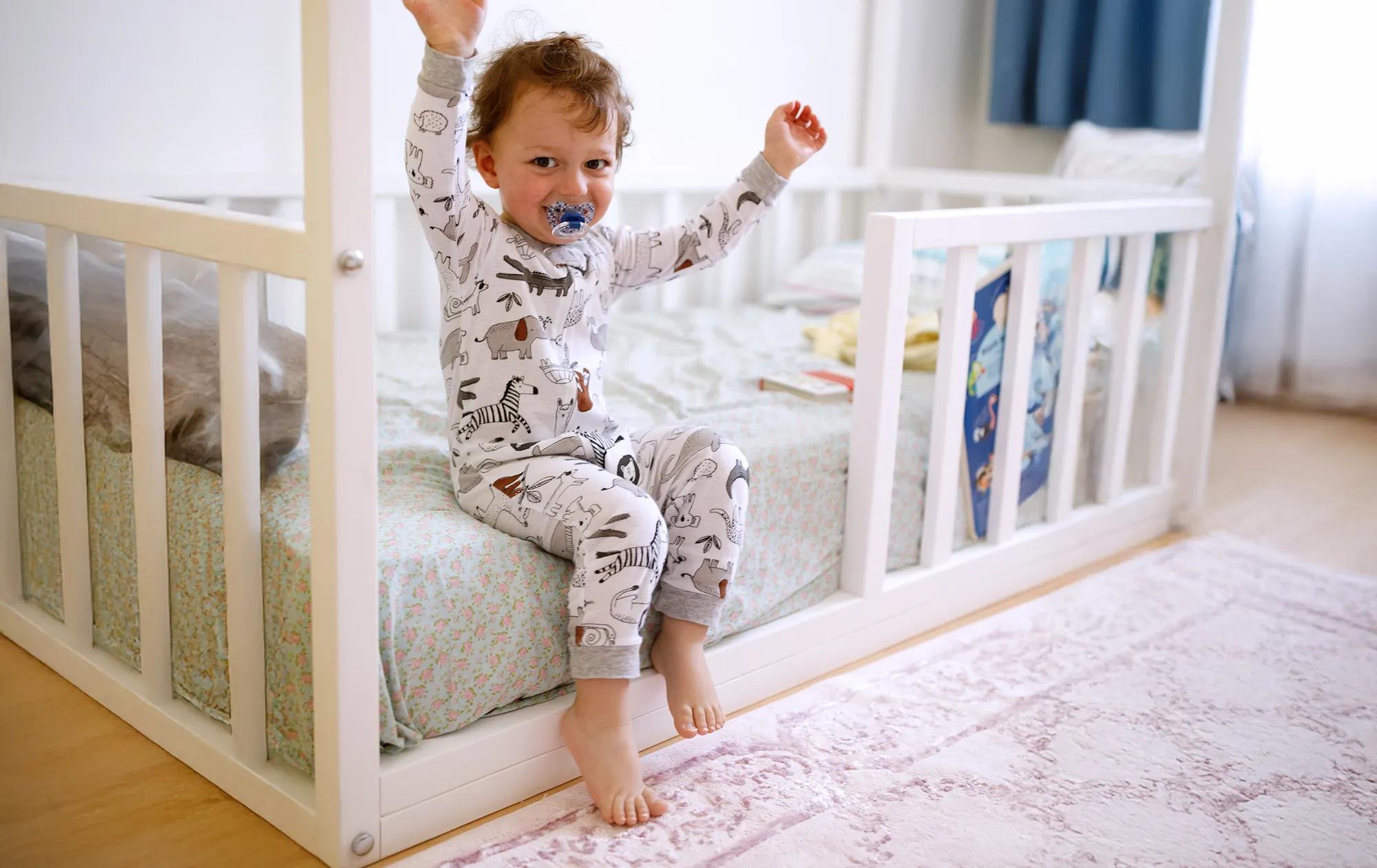
Transition beds use the same crib mattress and frame but change the sides. They feel familiar and can save money. These beds help your child adjust slowly to a bigger bed. New toddler beds come in many styles and sizes. They offer more design choices and space. New beds can be a better fit if your child has outgrown the crib mattress. Both types provide comfort, but pick what suits your home and child best.
Credit: health.clevelandclinic.org
Preparing Your Child
Preparing your child for the move to a toddler bed helps make the change smooth. It reduces fear and confusion for your little one. Taking small steps builds their confidence and excitement. This stage is about comfort and involvement, not just the bed itself.
Involving Your Child In The Process
Let your child help choose their new bed or bedding. This makes them feel important and part of the change. Talk about the new bed as a big kid’s bed. Read books or watch videos about toddlers moving to big beds. Encourage your child to express feelings or worries. Answer questions with calm and simple words.
Creating A Comfortable Sleep Environment
Make the bedroom cozy and safe for your child. Use soft lighting like a nightlight to ease the dark. Keep familiar toys or blankets nearby. Keep the room temperature just right, not too hot or cold. Remove hazards or small objects that could cause harm. A calm space helps your child relax and sleep well.
Managing The Transition
Moving your baby from a crib to a toddler bed is a big step. Managing this change well helps your child feel safe and comfortable. It also makes bedtime easier for both of you. Simple strategies can ease the transition and build good sleep habits.
Establishing A Consistent Routine
A steady bedtime routine gives your toddler a sense of security. Try to start the routine at the same time every night. Include calming activities like reading a book or singing a lullaby. Keep the room quiet and dim to signal it’s time to sleep. Consistency helps your child know what to expect.
Handling Nighttime Fears
Some toddlers feel scared in a new bed or room. Nighttime fears are normal at this stage. Comfort your child with a favorite toy or blanket. Use soft night lights to keep the room cozy. Speak softly and reassure them that they are safe. Patience is key during these moments.
Dealing With Setbacks
Setbacks like getting out of bed or crying can happen. Stay calm and gently guide your toddler back to bed. Avoid giving too much attention to avoid creating habits. Praise your child for staying in bed when they do. Be patient—progress may take time but will come with care.
Credit: babyletto.com

Credit: www.modernnursery.com
Frequently Asked Questions
When Is The Best Age For A Toddler Bed Transition?
Most toddlers switch to a bed between 18 months and 3 years. Look for signs like climbing out of the crib or showing readiness for independence.
What Signs Show A Baby Is Ready For A Toddler Bed?
Signs include climbing out of the crib, showing interest in a bed, and sleeping through the night consistently. Safety and comfort are key factors.
How To Make Toddler Bed Transition Smooth For Baby?
Introduce the bed gradually, keep bedtime routines consistent, and ensure the room is safe. Positive reinforcement helps your child adjust comfortably.
Can A Baby Use A Toddler Bed Before 18 Months?
It’s generally not recommended before 18 months due to safety and developmental readiness. Cribs provide safer containment for younger babies.
Conclusion
Choosing the right time for a toddler bed is important. Most babies are ready between 18 months and 3 years old. Watch for signs like climbing out of the crib or showing interest in a big bed. Safety and comfort matter most.
Each child grows at their own pace. Trust your instincts and your child’s needs. A smooth transition helps your toddler feel safe and happy. Remember, patience makes this change easier for both of you. Enjoy this new stage in your child’s growth.