If you have a child sleeping in a bunk bed, you probably worry about them falling out at night. It’s a common concern for many parents, and for good reason—no one wants their little one to get hurt.
But what if you could sleep soundly knowing your child is safe and secure? You’ll discover simple, effective ways to stop your child from falling out of their bunk bed. These tips are easy to follow and designed with your child’s safety in mind.
Keep reading to protect your child and give yourself peace of mind every night.
Choosing The Right Bunk Bed
Choosing the right bunk bed is key to keeping your child safe. A well-built bunk bed reduces the risk of falls. It also gives you peace of mind at night. Focus on solid structure, strong safety features, and the right size for your child’s age and room. These factors help create a safer sleep space.
Material And Build Quality
Choose bunk beds made from strong materials like solid wood or metal. These last longer and stand firm. Avoid beds with weak parts that can break easily. Check the joints and screws for tightness. A sturdy frame helps prevent accidents caused by wobbling or collapsing.
Guardrails And Safety Features
Guardrails are essential for stopping falls from the top bunk. Look for beds with guardrails on all sides. Rails should be high enough to keep your child safe. Rounded edges and smooth finishes reduce injury risks. Some models include ladder locks or non-slip steps for extra safety.
Size And Height Considerations
Pick a bunk bed size suitable for your child’s age and height. The bed should not be too high, especially for younger kids. Measure the room height to avoid hitting the ceiling. The mattress should fit perfectly without leaving gaps. Correct size helps your child climb and sleep safely.
Credit: caravanning101.com
Proper Bed Placement
Proper bed placement plays a key role in preventing falls from bunk beds. Choosing the right spot can reduce risks and make the bed safer for children. Thoughtful placement helps avoid accidents and gives parents peace of mind.
Avoiding Windows And Hard Surfaces
Keep the bunk bed away from windows. Children might lean out or accidentally hit the glass. Avoid placing the bed near sharp corners or hard furniture. Hard surfaces increase injury risk if a child falls. A clear space around the bed adds safety.
Securing The Bed To The Wall
Fix the bunk bed frame firmly to the wall. Use brackets or safety straps to stop it from moving. A stable bed reduces the chance of tipping or sliding. Wall attachment keeps the structure strong during play or sleep.
Safe Flooring Options
Place soft flooring under and around the bunk bed. Foam mats or thick rugs can cushion falls. Avoid hard floors like tiles or hardwood near the bed. Soft floors lower injury chances and create a safer play area.
Installing Safety Accessories
Installing safety accessories on a bunk bed helps prevent children from falling. These accessories create barriers and add extra protection. They make the bed safer and give parents peace of mind. Simple additions can reduce accidents and keep children secure during sleep or play.
Adding Extra Guardrails
Extra guardrails increase the height of the bed’s sides. They stop children from rolling off during sleep. Choose sturdy rails that fit the bed frame well. Ensure the rails cover all open sides. Check for gaps where a child could slip through.
Using Bed Nets And Bumpers
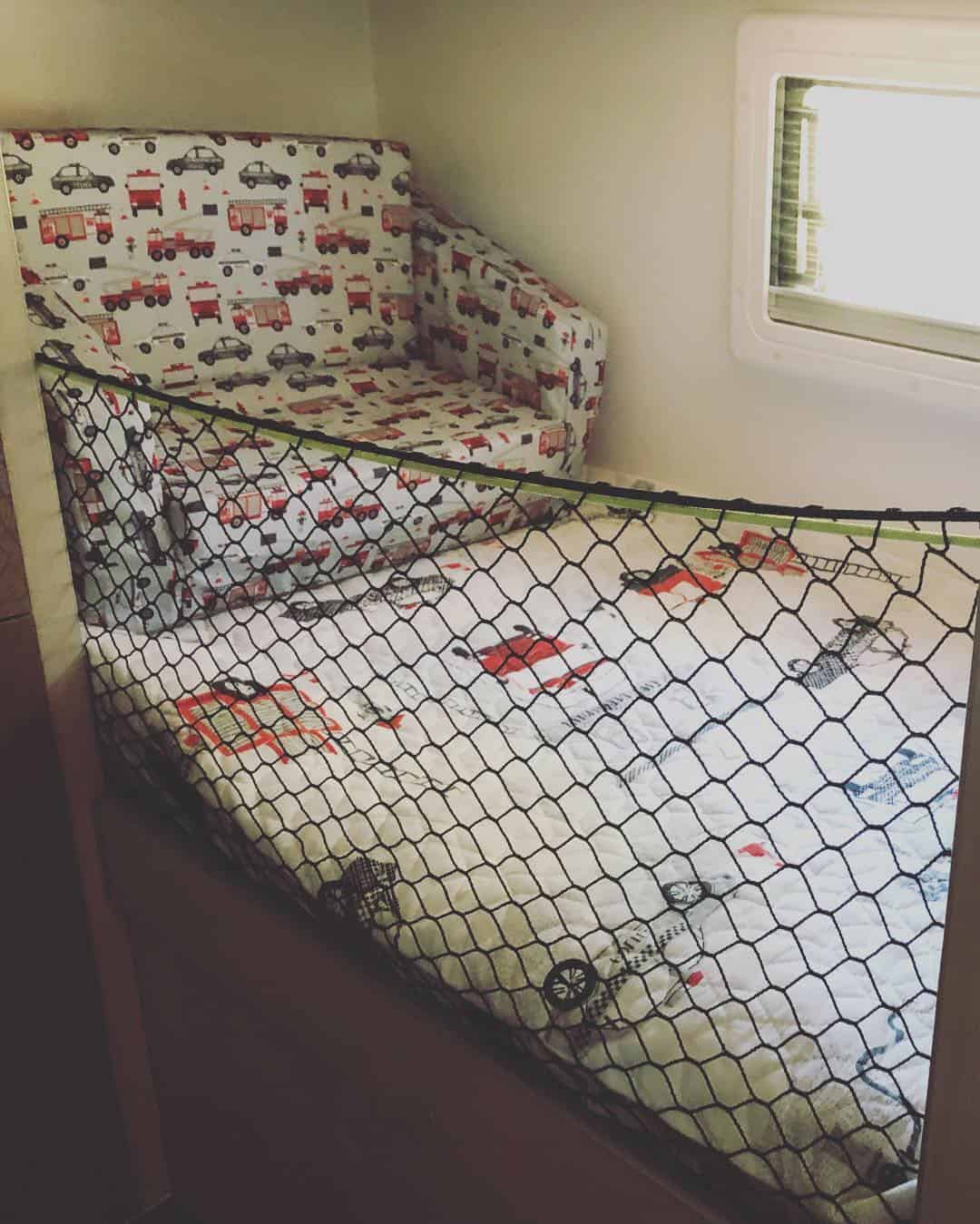
Bed nets create a soft barrier around the bed. They prevent children from falling out. Bumpers add cushioning along the edges. They protect children from hard surfaces and sharp edges. Both options are easy to install and remove for cleaning.
Non-slip Ladder Steps
Ladders help children climb up and down safely. Non-slip steps reduce the risk of slipping. Use ladders with rubber grips or textured surfaces. Make sure the ladder is firmly attached to the bed. Teach children to use the ladder carefully every time.

Credit: www.amazon.com
Creating A Safe Sleep Environment
Creating a safe sleep environment is key to stopping a child from falling out of a bunk bed. The right setting helps your child feel secure and sleep soundly. Small changes in bedding, room setup, and lighting make a big difference. Safety starts with thoughtful choices and clear space around the bed.
Choosing Appropriate Bedding
Pick bedding that fits the bunk bed mattress well. Loose sheets or heavy blankets can cause tripping or slipping. Use lightweight blankets to keep your child warm without risk. Avoid pillows that are too soft or large. They can slide under the child and cause discomfort or danger.
Keeping The Area Clutter-free
Clear toys, books, and clothes from around the bunk bed. Clutter can cause your child to trip when climbing up or down. It also raises the chance of falling out during sleep. Keep the floor and ladder space open. A tidy room feels safer and helps your child move easily.
Using Night Lights
Install a soft night light near the bunk bed. It helps your child see the ladder and room edges at night. A small light reduces fear of the dark and prevents sudden movements. Choose a light that is not too bright to avoid disturbing sleep. Night lights guide safe movement and build confidence.
Teaching Safe Bed Habits
Teaching safe bed habits helps prevent children from falling out of bunk beds. It creates a secure space for your child to sleep and rest. Consistent habits build confidence and reduce risks. Children learn to respect their sleeping area and stay safe.
Establishing Bedtime Rules
Set clear rules about staying in bed. Explain why jumping or climbing on bunk beds is dangerous. Use simple language your child can understand. Remind them to stay still and calm. Consistent rules help children remember and follow them every night.
Supervising Younger Children
Watch younger kids closely during bedtime. Check on them often until they fall asleep. Be nearby to prevent any risky behavior. Supervision lowers chances of accidents and gives kids a sense of safety. Stay patient and calm during these moments.
Encouraging Calm Behavior
Teach your child to relax before sleep. Avoid rough play or running near the bunk bed. Use quiet activities like reading or soft music. Calm behavior reduces the chance of falling. Praise your child when they follow these safe habits.
Regular Maintenance And Checks
Regular maintenance and checks keep bunk beds safe for children. These simple steps help prevent accidents and ensure the bed stays strong. Checking parts often means spotting issues early. This stops small problems from becoming big risks.
Tightening Screws And Bolts
Screws and bolts can loosen with use. Loose parts make the bed unstable. Use a screwdriver or wrench to tighten all screws. Check every joint and connection carefully. Tight parts keep the bed steady and safe.
Inspecting Guardrails
Guardrails stop children from falling out. Check guardrails for cracks or loose fittings. Make sure they fit tightly and cover the bed edge. Replace or fix guardrails that are weak or damaged. Strong guardrails protect your child during sleep.
Replacing Worn Components
Parts wear out after long use. Worn slats, ladders, or rails can cause falls. Look closely at each component for wear or damage. Replace any broken or weak parts right away. Using fresh parts keeps the bunk bed safe and secure.
Alternatives To Bunk Beds
Choosing the right bed can help keep your child safe while they sleep. Bunk beds often cause worries because children can fall from the top bunk. Many parents seek safer options that still save space and look good in a bedroom. Alternatives to bunk beds offer comfort and security without the fall risk.
Using Low Loft Beds
Low loft beds sit closer to the ground than traditional bunk beds. They offer a small play or storage space underneath. This design reduces the chance of injury from falls. Children can climb up and down easily. It gives them a fun and safe sleeping area.
Floor Beds For Toddlers
Floor beds stay directly on the floor with no height. Toddlers can get in and out without help. This removes the risk of falling from a height. Floor beds encourage independence and are easy to use. Soft bedding around the bed adds extra safety.
Trundle Bed Options
Trundle beds have a second bed stored underneath the main one. The lower bed pulls out when needed. It saves room without stacking beds. This option is safer for children who share a room. Both beds stay low to the ground for easy access.
Credit: medmattress.com
Frequently Asked Questions
How Can Guardrails Prevent Child Bunk Bed Falls?
Guardrails act as a physical barrier, preventing children from rolling off the bed. Installing sturdy, high guardrails on all sides reduces fall risks significantly. Ensure the guardrails are securely attached and extend at least five inches above the mattress.
What Mattress Size Is Safest For Bunk Beds?
Use a mattress that fits snugly within the bunk bed frame. A mattress too small creates gaps, increasing fall hazards. Always follow manufacturer guidelines for mattress thickness and size to ensure safety and comfort.
How To Teach Kids Bunk Bed Safety Rules?
Explain the importance of staying seated while climbing or sleeping. Emphasize no rough play or jumping on the bed. Consistently remind children about safe behavior and supervise younger kids during bunk bed use.
Are Bed Rails Better Than Netting For Bunk Beds?
Bed rails provide a solid, reliable barrier, while netting may not be as secure. Rails are easier to install, clean, and maintain. For optimal safety, choose certified bed rails designed specifically for bunk beds.
Conclusion
Keeping your child safe on a bunk bed takes simple steps. Use guardrails on all sides and check them often. Place a soft rug or mat on the floor nearby. Teach your child to climb up and down carefully. Remove toys or objects that might cause trips or falls.
Regularly inspect the bed for loose parts or damage. These small actions help prevent accidents and give you peace of mind. A safe bunk bed means your child can sleep and play without worry. Safety first—always.