Are you tired of cluttered spaces and messy stacks of books? Imagine having a sleek, vertical bookshelf that not only saves space but also adds style to your room.
Building your own vertical bookshelf is easier than you think, and it gives you control over the design, size, and finish. In this guide, you’ll discover simple steps to create a sturdy, eye-catching bookshelf that fits perfectly in your home.
Ready to transform your space and showcase your favorite books like never before? Let’s get started!

Credit: www.reddit.com
Choosing The Right Materials
Choosing the right materials is key to building a strong vertical bookshelf. The materials affect how sturdy and long-lasting your shelf will be. Picking good wood and the right tools makes the project easier. Safety gear keeps you safe during the work. Below are important details to help you select the best options.
Wood Types
Wood choice affects the shelf’s look and strength. Pine is soft, light, and easy to cut. It works well for beginners and low-cost projects. Oak is hard and strong but heavier. It looks great and lasts long. Plywood is made from layers of wood. It is stable and resists warping. Choose smooth plywood for a clean finish. Avoid wood with cracks or knots that weaken it.
Tools Needed
Gather the right tools before starting. A saw cuts the wood into pieces. A drill helps make holes for screws. Sandpaper smooths rough edges for safety. A screwdriver or power driver tightens screws. A measuring tape ensures accurate cuts. A pencil marks the wood for guidance. These tools make the work neat and faster.
Safety Gear
Safety gear protects your body during work. Safety glasses shield your eyes from dust and debris. Gloves protect your hands from splinters and cuts. Ear protection reduces noise from power tools. Wear a mask to avoid breathing sawdust. Dress in clothes that cover your arms and legs. Safety is important for a safe and smooth build.
Credit: www.hgtv.com
Designing Your Bookshelf
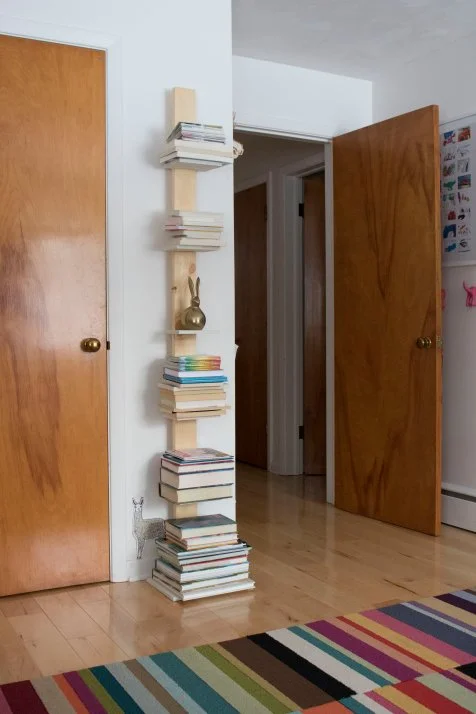
Designing your vertical bookshelf is the first step to a successful build. This stage helps you plan and use space smartly. A good design fits your room and holds all your books well.
Focus on simple measurements and clear layouts. This way, your bookshelf will look neat and work perfectly.
Measuring Space
Start by measuring the wall where the bookshelf will go. Use a tape measure for accuracy. Note the height, width, and depth available. Check for any obstacles like doors or windows. Write down these numbers for reference.
Deciding Shelf Size
Think about the books you want to store. Measure a few typical books for height and width. Plan shelf heights to fit these books comfortably. Leave some extra room for bigger books or decorations. Make shelves deep enough to hold books without sticking out.
Sketching The Layout
Draw a simple sketch of your bookshelf on paper. Mark the total height and width you measured. Divide the space into shelves based on your size decisions. Label each shelf with its height and width. This sketch guides your cutting and assembling later.
Preparing The Wood
Preparing the wood is the first step in building a vertical bookshelf. This stage sets the foundation for a strong and neat shelf. It involves cutting, sanding, and drilling to make sure each piece fits perfectly. Proper preparation helps avoid mistakes later on and makes assembly easier.
Cutting To Size
Measure the wood pieces carefully before cutting. Use a saw to cut the boards to the exact size needed. Straight, clean cuts ensure the shelf parts fit well together. Take your time and double-check measurements to avoid wasting wood.
Sanding Surfaces
Sand each wood piece smoothly after cutting. Use medium-grit sandpaper first, then fine-grit for a soft finish. Sanding removes rough edges and splinters. It also helps paint or stain stick better to the wood.
Drilling Holes
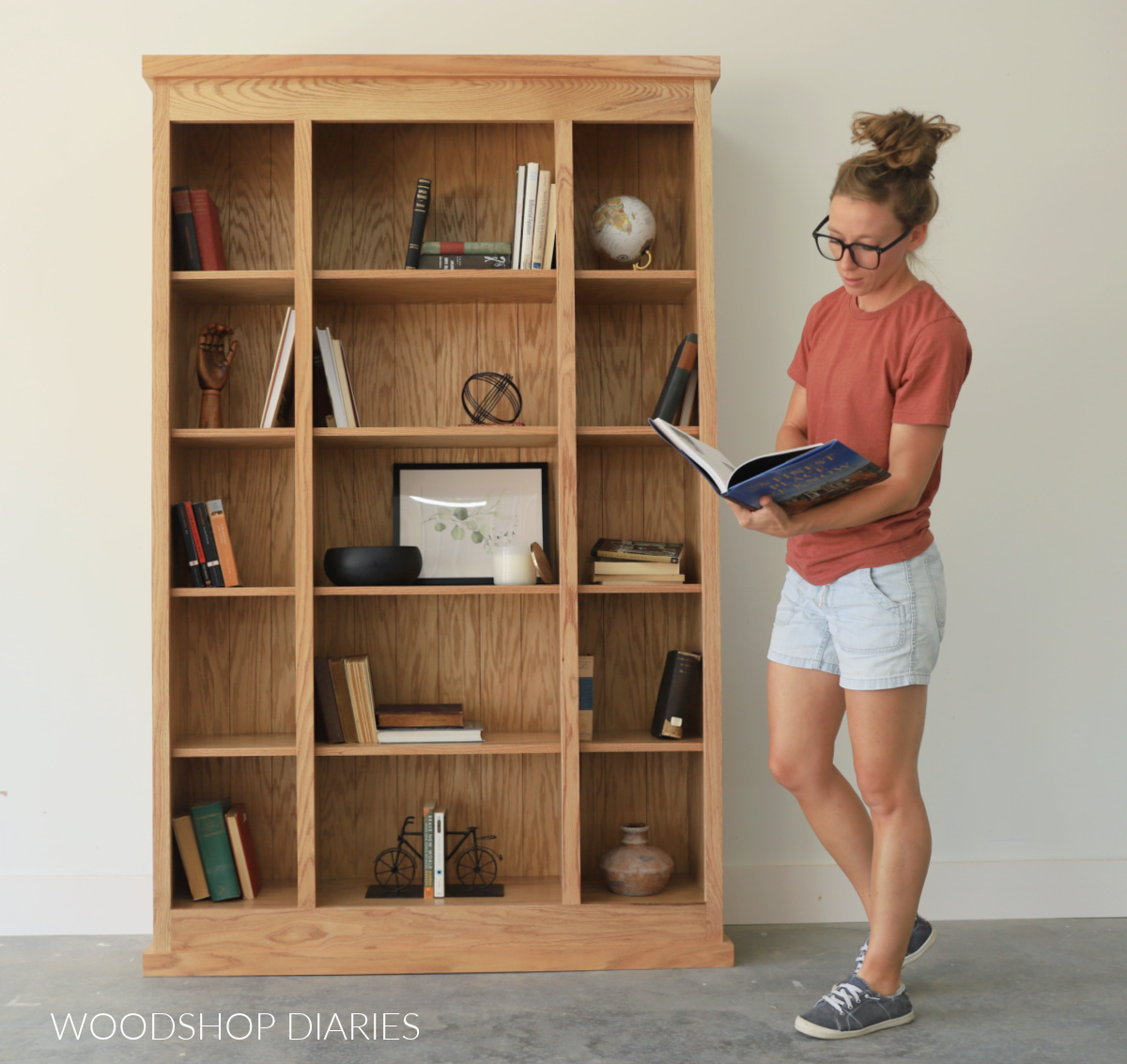
Mark where the screws or dowels will go before drilling. Use a drill bit that matches the screw size. Drill straight holes to keep the shelf sturdy. Clean out any sawdust from holes to make assembly easier.
Credit: www.woodshopdiaries.com
Assembling The Frame
Building the frame is the key step in making a vertical bookshelf. It creates the strong base that holds everything together. The frame needs to be sturdy and well joined. This part of the project shapes the whole bookshelf. Taking care with the frame saves time and effort later.
Joining Techniques
Use screws or nails to connect the frame pieces. Pre-drill holes to avoid wood splitting. Wood glue adds extra strength to joints. Clamp pieces together while glue dries. Butt joints work well for simple frames. For more strength, try pocket holes or dowels. Choose the method that fits your tools and skill.
Securing Shelves
Attach shelves evenly between the frame sides. Measure space carefully for each shelf. Use brackets or screws to hold shelves in place. Make sure shelves sit flat and level. Secure shelves tightly to avoid wobbling. Add support blocks under heavy shelves for safety.
Checking Stability
Stand the frame upright and check for wobble. Push gently on all sides to test strength. Tighten any loose screws or nails. Add corner braces if the frame feels weak. The frame should feel solid and steady. A strong frame means a durable bookshelf that lasts.
Finishing Touches
Finishing touches make your vertical bookshelf look complete and last longer. These steps protect the wood and improve its appearance. Small details give your project a polished, professional look. Follow these easy tips to finish your bookshelf well.
Painting Or Staining
Choose paint or stain based on your room style. Paint gives solid color and hides wood grain. Stain shows the natural beauty of the wood. Apply thin, even coats for best results. Let each coat dry fully before the next.
Adding Protective Coating
Protective coatings shield the wood from scratches and moisture. Use clear polyurethane or varnish for a smooth finish. Apply with a clean brush in light layers. Allow drying time between coats. This step keeps your bookshelf looking new.
Installing Wall Mounts
Wall mounts secure your bookshelf and prevent tipping. Use sturdy brackets or anchors designed for your wall type. Measure carefully to place mounts evenly. Screw them tightly to hold the shelf firmly. Safety is important, especially in homes with children or pets.
Organizing Your Books
Organizing your books on a vertical bookshelf can make your space look neat and inviting. Proper organization helps you find books quickly. It also adds style to your room. Think about your favorite way to arrange books. Choose a method that suits your taste and needs.
Arranging By Size Or Color
Sort books by height for a clean, balanced look. Tall books on one side, shorter ones on the other. This creates a smooth flow that is easy on the eyes.
Or arrange books by color for a bright, artistic display. Group all red covers, then blue, green, and so on. It turns your bookshelf into a colorful focal point.
Using Decorative Items
Mix books with small decorative items like plants or photo frames. It breaks the monotony and adds personality. Place items between groups of books or on top of stacks.
Keep decorations simple and not too many. This keeps the shelf tidy and focused on your books.
Maintaining The Shelf
Dust your bookshelf regularly to keep it clean. Wipe down surfaces and check for any loose parts. Keep books upright to avoid damage.
Rearrange books now and then to refresh the look. This also helps you notice any books to donate or move.
Frequently Asked Questions
What Materials Are Needed To Build A Vertical Bookshelf?
You need wood planks, screws, nails, a drill, sandpaper, and wood glue. Choose quality wood for durability and a smooth finish.
How Long Does It Take To Build A Vertical Bookshelf?
Building a vertical bookshelf typically takes 3 to 5 hours. Time depends on your skill level and tools available.
Can I Customize The Size Of My Vertical Bookshelf?
Yes, you can customize the height, width, and number of shelves. Measure your space and adjust dimensions accordingly for a perfect fit.
What Tools Are Essential For Making A Vertical Bookshelf?
Essential tools include a drill, saw, measuring tape, screwdriver, and level. These ensure precise cuts and sturdy assembly.
Conclusion
Building a vertical bookshelf can be simple and fun. You only need a few tools and some patience. Start by measuring your space carefully. Cut the wood pieces to the right size. Assemble them step by step, making sure everything fits well.
A vertical bookshelf saves space and looks neat. It helps keep your books organized and easy to find. Try adding a coat of paint for a fresh look. Enjoy your new bookshelf and the extra room it creates. Keep practicing, and your skills will improve with each project.