If you have a metal bunk bed at home, you know how important it is to keep it safe and secure—especially when kids are involved. Strapping down your kids’ metal bunk bed correctly can prevent accidents, give you peace of mind, and make sure your little ones sleep soundly every night.
But how exactly do you do it the right way? In this guide, you’ll discover simple, effective steps to secure your bunk bed quickly and easily. By the end, you’ll feel confident that your child’s bed is as safe as it can be.
Keep reading to learn how to protect your kids and your home with just a few smart moves.
Choosing The Right Straps
Choosing the right straps to secure a kids metal bunk bed is important for safety and stability. The right straps keep the bed steady and prevent it from moving or tipping. This helps avoid accidents and gives parents peace of mind.
Different straps have different strengths and features. Picking the right type, material, and length ensures the straps fit well and last long. Here are key points to consider when selecting straps for a metal bunk bed.
Types Of Straps Suitable For Bunk Beds
Velcro straps are easy to use and adjust. They are good for light securing jobs.
Ratchet straps offer strong tightening and hold. They are best for heavy-duty support.
Bungee cords add flexibility but less strength. Use them only with extra safety measures.
Webbing straps made from nylon or polyester provide good strength and durability. They work well for bunk beds.
Material And Durability Considerations
Choose straps made from tough materials like nylon or polyester. These resist wear and tear.
Metal buckles or ratchets should be rust-proof to last longer.
Check that the stitching is strong and secure. Weak stitching can cause failure.
Avoid straps made from cheap plastic. They break easily and are unsafe.
Length And Adjustability
Straps must be long enough to wrap around the bed frame securely.
Adjustable straps let you tighten or loosen easily for a perfect fit.
Extra length helps when securing multiple points or adding padding.
Choose straps with easy-to-use buckles or clips for quick adjustments.

Credit: www.amazon.com
Preparing The Bunk Bed
Preparing the bunk bed is the first step to secure it safely for your kids. A well-prepared bed reduces accidents and keeps children safe while sleeping or playing. Take time to get everything ready before strapping down the metal bunk bed.
Clearing The Area
Remove toys, clothes, and other items around the bunk bed. Clear space makes it easier to work and helps avoid tripping. A clean area also lets you see the bed parts clearly. This step prevents damage to the bed and your belongings.
Inspecting The Bed Frame
Look closely at the metal frame for any bends or cracks. Check the joints where parts connect for signs of wear. A strong frame is key to safe strapping. Fix or replace damaged parts before moving on.
Checking For Loose Parts
Test screws, bolts, and nuts by gently shaking the bed. Tighten any loose parts with the right tools. Loose parts can cause wobbling and are unsafe for kids. Make sure everything fits snugly to keep the bed stable.
Strapping Techniques
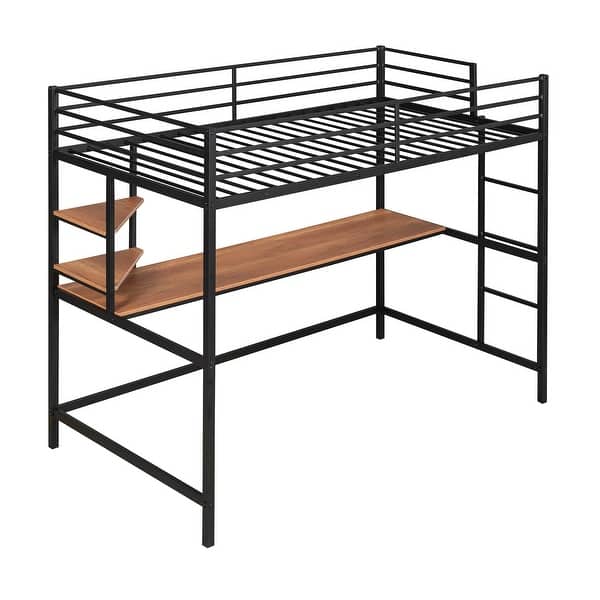
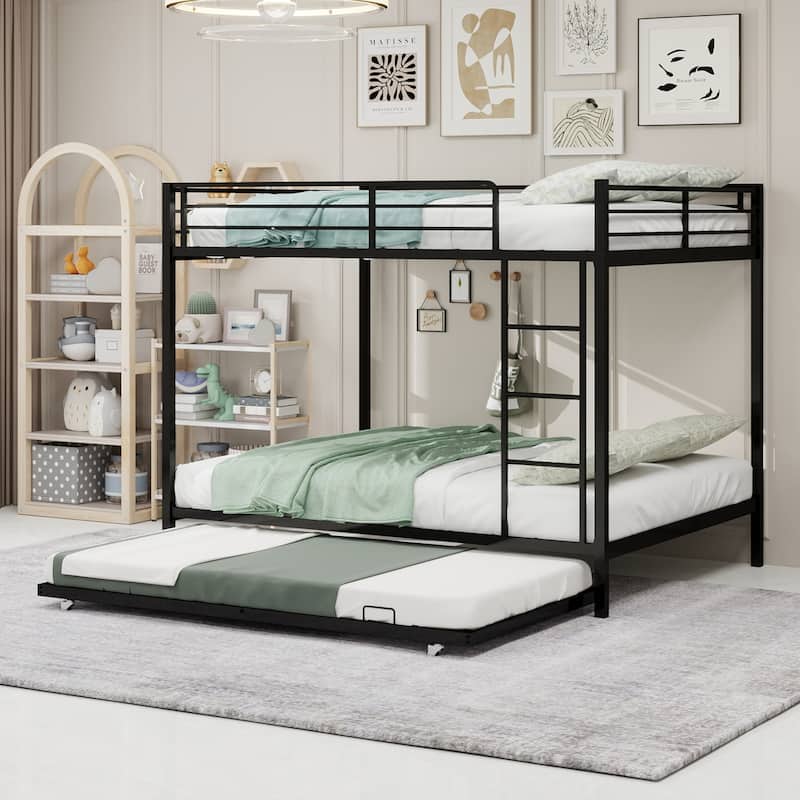
Strapping kids’ metal bunk beds properly is key to their safety. Good strapping stops the bed from moving or tipping. It keeps children safe during play or sleep. Use the right techniques to make the bed steady and secure. Focus on strap placement, fixing the frame to the wall, and protecting corners.
Positioning The Straps For Maximum Safety
Place straps around the bed frame tightly. Wrap them around both the top and bottom bunk. This locks the beds together firmly. Avoid loose straps. They allow movement, which is unsafe. Keep straps flat to stop slipping. Use straps made of strong, durable material. Check the straps often to keep tension.
Securing The Frame To The Wall
Attach the bed frame to the wall using brackets or straps. Fix the brackets to wall studs for strength. This stops the bed from tipping over. Use screws and anchors that fit the wall type. Tighten all fasteners securely. This adds extra stability to the entire bed. Test the bed by gently pushing it to check.
Using Corner Protectors
Corner protectors cover sharp edges of the metal frame. They reduce the risk of bumps and cuts. Choose soft, impact-absorbing protectors that fit well. Place them on all exposed corners and edges. Secure protectors with adhesive or straps. Replace them if damaged or loose. This simple step makes the bed safer for kids.
Safety Checks
Safety checks are essential when strapping down a kids metal bunk bed. These checks help keep the bed secure and protect children from accidents. Regular inspections make sure the straps stay tight and safe over time.
Testing Strap Tightness
Check each strap by pulling it firmly. The strap should not move or loosen easily. Tight straps hold the bed firmly in place. Loose straps can cause the bed to shift and become unsafe. Adjust any loose straps immediately.
Ensuring No Pinch Points
Look closely at where the straps touch the bed. Make sure no skin or fingers can get caught. Pinch points can hurt children during use. Cover or pad any sharp edges near straps. Keep the area smooth and safe.
Regular Maintenance Tips
Inspect straps and buckles every month. Replace any worn or damaged parts right away. Clean straps to avoid dirt buildup that weakens material. Keep metal parts rust-free by wiping them regularly. Routine care extends the safety and life of the bunk bed.
Additional Safety Measures
Securing a kids’ metal bunk bed involves more than just straps. Extra safety steps help keep children safe during sleep and play. These measures reduce risks of falls and injuries. Below are key tips to add safety around the bunk bed.
Adding Guardrails
Guardrails stop kids from rolling off the top bunk. Use strong, high rails that cover the whole bed side. Check rails fit tightly and have no gaps. Avoid rails with sharp edges or loose parts. Regularly test the guardrails for stability and strength.
Using Bed Rails And Barriers
Bed rails and barriers work well for younger children. Attach them to the bed frame on all open sides. Choose rails made from durable materials that can handle movement. Make sure the rails do not block air flow or exit routes. Proper installation is key for preventing accidents.
Safe Ladder Attachment
Ladders must be firmly fixed to the bunk bed frame. Loose ladders cause slips and falls. Use ladders with wide, non-slip steps to help children climb safely. Position the ladder where it is easy to reach and does not block room space. Check ladder bolts and screws often to keep it secure.
Credit: www.bedbathandbeyond.com
Credit: www.overstock.com
Frequently Asked Questions
How Do I Secure A Kids Metal Bunk Bed Safely?
Use strong straps or safety belts to secure the bunk bed. Attach straps around the frame and anchor to the wall for stability. Ensure the bed doesn’t wobble or shift during use. This prevents accidents and keeps children safe.
What Materials Are Best For Strapping Down Bunk Beds?
Heavy-duty nylon or polyester straps with buckles work best. These materials provide durability and strong grip. Avoid elastic or thin straps as they can stretch or break easily. Choose adjustable straps for a snug and secure fit.
Can I Strap Down A Bunk Bed Without Wall Anchors?
Yes, but wall anchors offer extra stability. Strapping only the frame can reduce movement but may not prevent tipping. Use non-slip pads under bed legs for additional support. For maximum safety, combine straps with wall anchors.
How Often Should I Check The Straps On Bunk Beds?
Inspect straps monthly for wear and tightness. Tighten loose straps immediately to maintain security. Replace any damaged or frayed straps to ensure safety. Regular checks prevent accidents caused by weakened restraint systems.
Conclusion
Strapping down a kids metal bunk bed keeps it safe and steady. Use strong straps and tight knots to avoid movement. Check straps regularly to keep them secure. This simple step prevents accidents and gives peace of mind. Always follow the bed’s safety guidelines carefully.
A stable bunk bed means better sleep and safer play. Take time to do it right. Safety matters most for your child’s comfort and well-being.