Are you worried about bed bugs invading your bunk beds? These tiny pests can turn a good night’s sleep into a nightmare.
But don’t panic—treating bed bugs on bunk beds is easier than you might think. You’ll discover simple, effective steps to get rid of bed bugs quickly and keep them from coming back. Keep reading to protect your family and restore peace to your sleeping space.
Identifying Bed Bugs On Bunk Beds
Finding bed bugs on bunk beds early helps stop a big problem. These pests hide well and spread fast. Knowing how to spot them saves time and stress. This section explains how to identify bed bugs on bunk beds.
Common Signs Of Infestation
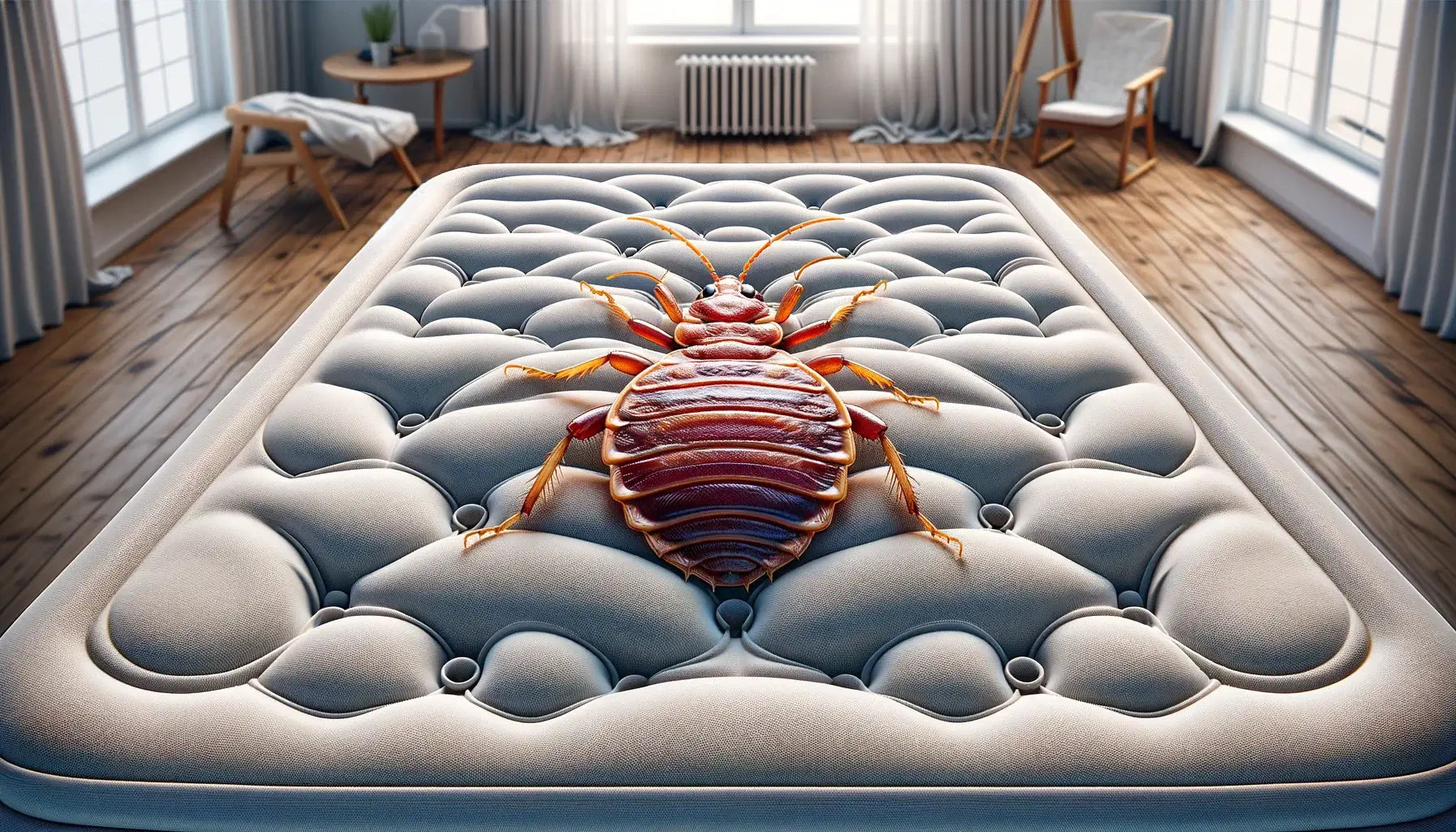
Small reddish or brown spots on sheets show bed bug activity. These spots are often blood or bug waste. Tiny bites on skin, especially in lines or clusters, also hint at bed bugs. A musty, sweet smell may fill the room if bugs are many. Seeing live bugs is rare but clear proof. They are small, about the size of an apple seed, and reddish-brown.
Where Bed Bugs Hide On Bunk Beds
Bed bugs hide in cracks and crevices of bunk beds. Look under the mattress edges and in seams. Check the bed frame joints and screw holes carefully. The headboard and footboard crevices are common hiding spots. Bed bugs also hide behind wall-mounted items near the bunk bed. They prefer dark, tight spaces close to where people sleep.
Credit: mattressstoreslosangeles.com
Preparing The Bunk Bed For Treatment
Preparing the bunk bed for bed bug treatment is the first step to success. Proper preparation helps the treatment reach all hiding spots. It stops bed bugs from spreading to other areas. You must be thorough and careful to make the treatment effective.
Removing Bedding And Personal Items
Take off all sheets, blankets, and pillowcases. Put them in sealed plastic bags. Wash these items in hot water to kill bugs and eggs. Dry them on the highest heat setting. Remove toys, clothes, and personal items from the bed. Store these items safely away from the sleeping area. This prevents bugs from hiding in them during treatment.
Cleaning And Vacuuming Techniques
Vacuum the entire bunk bed frame carefully. Focus on corners, joints, and cracks where bugs hide. Use a brush attachment to reach tight spots. Empty the vacuum bag or canister outside immediately. Clean the floors and surrounding areas too. Wipe down surfaces with a damp cloth to remove any remaining bugs. This step reduces the number of bed bugs before treatment begins.
Diy Bed Bug Treatment Methods
Dealing with bed bugs on bunk beds can feel tough. DIY methods offer simple ways to fight these pests. They help save money and give control over the process. Knowing safe and effective options is key. Here are some practical DIY bed bug treatment methods.
Using Heat To Eliminate Bed Bugs
Heat kills bed bugs and their eggs quickly. Use a clothes dryer on high heat for bedding and mattresses. Steam cleaners work well on wood and fabric surfaces. Make sure the heat reaches all cracks and crevices. Keep the temperature above 120°F for at least 30 minutes. This method is chemical-free and safe for most materials.
Applying Natural Remedies
Natural options help reduce bed bugs with less risk. Diatomaceous earth is a fine powder that cuts bed bugs’ outer shell. Sprinkle it along bed frame joints and mattress edges. Essential oils like tea tree or lavender repel bugs. Spray diluted oils lightly on affected areas. These remedies need repetition for full effect. They work best combined with other methods.
Chemical Treatments For Bunk Beds
Over-the-counter insecticides target bed bugs directly. Use sprays labeled for bed bug control on bunk bed frames. Follow the instructions carefully to avoid health risks. Treat cracks, joints, and hidden spots thoroughly. Avoid overusing chemicals near sleeping areas. Chemical treatments work faster but may require multiple applications.

Credit: www.walmart.com
Professional Pest Control Options
Dealing with bed bugs on bunk beds can be tough. Professional pest control offers strong solutions. Experts have tools and treatments not available to the public. They can find hidden bugs and stop the infestation fast.
Choosing professional help can save time and reduce stress. Professionals know how to treat all parts of the bunk bed and nearby areas. Their methods target bugs at every stage, from eggs to adults. This ensures a thorough clean-up.
When To Call An Exterminator
Call an exterminator if bed bugs spread beyond one bunk bed. If bites keep appearing after home treatments, get expert help. Large infestations are difficult to control without professional tools. Early expert intervention can stop bugs from spreading further.
Signs like dark spots, shed skins, or a musty smell mean bugs hide nearby. Professionals can inspect and confirm the problem quickly. They also advise on how to prepare your bunk bed for treatment.
Types Of Professional Treatments
Exterminators use different treatments based on the infestation level. Heat treatment raises room temperature to kill bugs and eggs. Chemicals are sprayed or dusted in cracks and crevices of bunk beds. Fumigation involves sealing the area and filling it with gas to kill all pests.
Some treatments require the bunk bed to be empty and dry. Experts provide clear instructions for each method. They often combine treatments for the best results. Follow their advice closely for a bed bug-free bunk bed.
Preventing Future Bed Bug Infestations
Preventing future bed bug infestations is key to keeping bunk beds safe and clean. After treating an infestation, focus on habits that stop bed bugs from returning. Simple steps can make a big difference in protecting your sleeping area.
Regular Inspection Tips
Check bunk beds often for any signs of bed bugs. Look around mattress seams, bed frames, and joints. Use a flashlight to spot dark spots or tiny bugs. Early detection helps stop infestations before they grow. Set a weekly schedule for inspections to stay ahead.
Protective Mattress Covers
Use mattress covers designed to block bed bugs. These covers trap bugs inside and prevent new ones from hiding. Choose covers that zip tightly and are made from strong material. Wash and dry covers regularly on high heat. This adds a strong layer of protection to your bunk beds.
Maintaining Cleanliness Around Bunk Beds
Keep the area around bunk beds clean and clutter-free. Vacuum floors, corners, and bed frames often. Remove unnecessary items where bed bugs can hide. Wash bedding and blankets regularly in hot water. Clean surroundings make it harder for bed bugs to live and spread.
Credit: heavydutybunkbeds.com
Frequently Asked Questions
How Do I Identify Bed Bugs On Bunk Beds?
Look for small reddish-brown bugs, tiny white eggs, and dark spots on mattresses. Bed bug bites and musty odors also indicate infestation.
What Is The Best Way To Treat Bed Bugs On Bunk Beds?
Use a combination of vacuuming, steaming, and insecticides. Wash bedding in hot water and encase mattresses to prevent spread.
Can I Prevent Bed Bugs From Infesting Bunk Beds?
Regularly inspect beds, keep clutter low, and use protective mattress covers. Avoid bringing used furniture without thorough inspection.
How Long Does It Take To Eliminate Bed Bugs From Bunk Beds?
Complete treatment usually takes 2-4 weeks with repeated cleaning and insecticide application. Persistence is key for total eradication.
Conclusion
Treating bed bugs on bunk beds takes patience and care. Clean all bedding and vacuum the frames well. Use safe insect sprays or powders on cracks and joints. Check regularly for signs of bugs to stop them early. Keep clutter low to reduce hiding spots.
Repeat treatments as needed to fully remove bugs. A clean bunk bed means better sleep and peace. Stay consistent and keep your space fresh and bug-free.