Are you planning to buy a bunk bed and wondering what mattress size will fit perfectly? Knowing the exact dimensions of a bunk bed mattress is crucial to make sure your new setup is safe, comfortable, and looks great.
Choosing the wrong size mattress can lead to discomfort, wasted money, or even safety risks. You’ll discover the standard measurements for bunk bed mattresses and tips to pick the right one for your space and needs. Keep reading to avoid costly mistakes and create the perfect sleeping spot for you or your kids.
Standard Bunk Bed Mattress Sizes
Standard bunk bed mattresses come in specific sizes. These sizes fit most bunk bed frames perfectly. Choosing the right mattress size is important for comfort and safety. Two common sizes are Twin and Twin XL. Each size has different dimensions and suits different needs.
Twin Size Dimensions
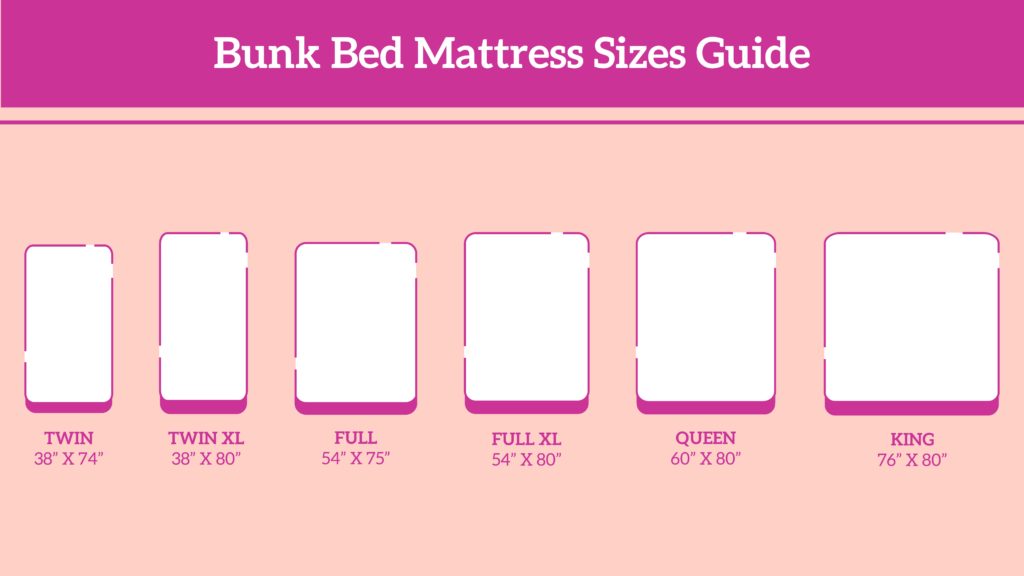
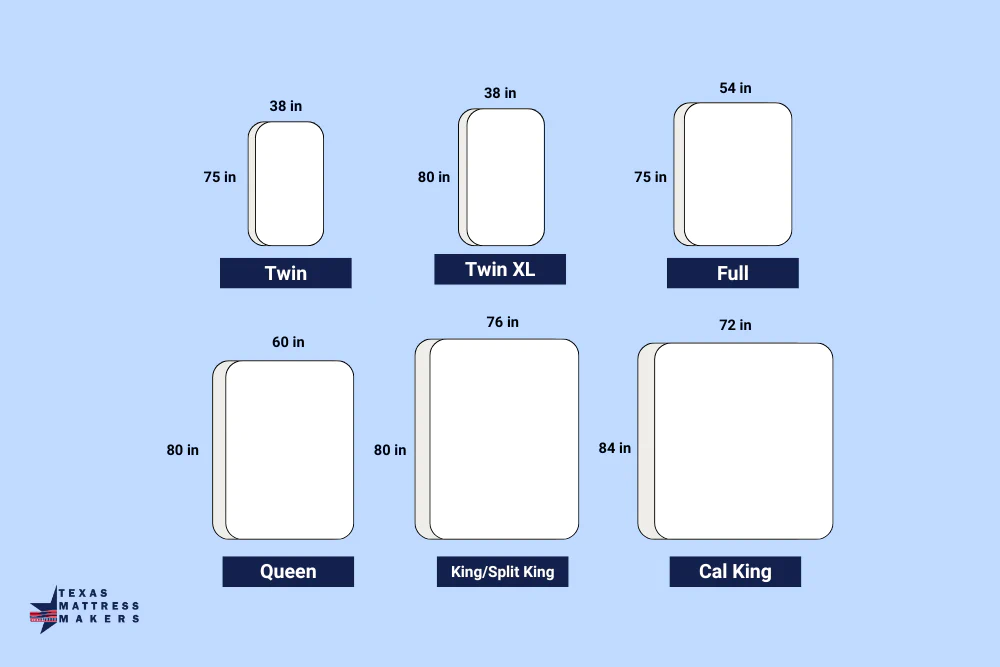
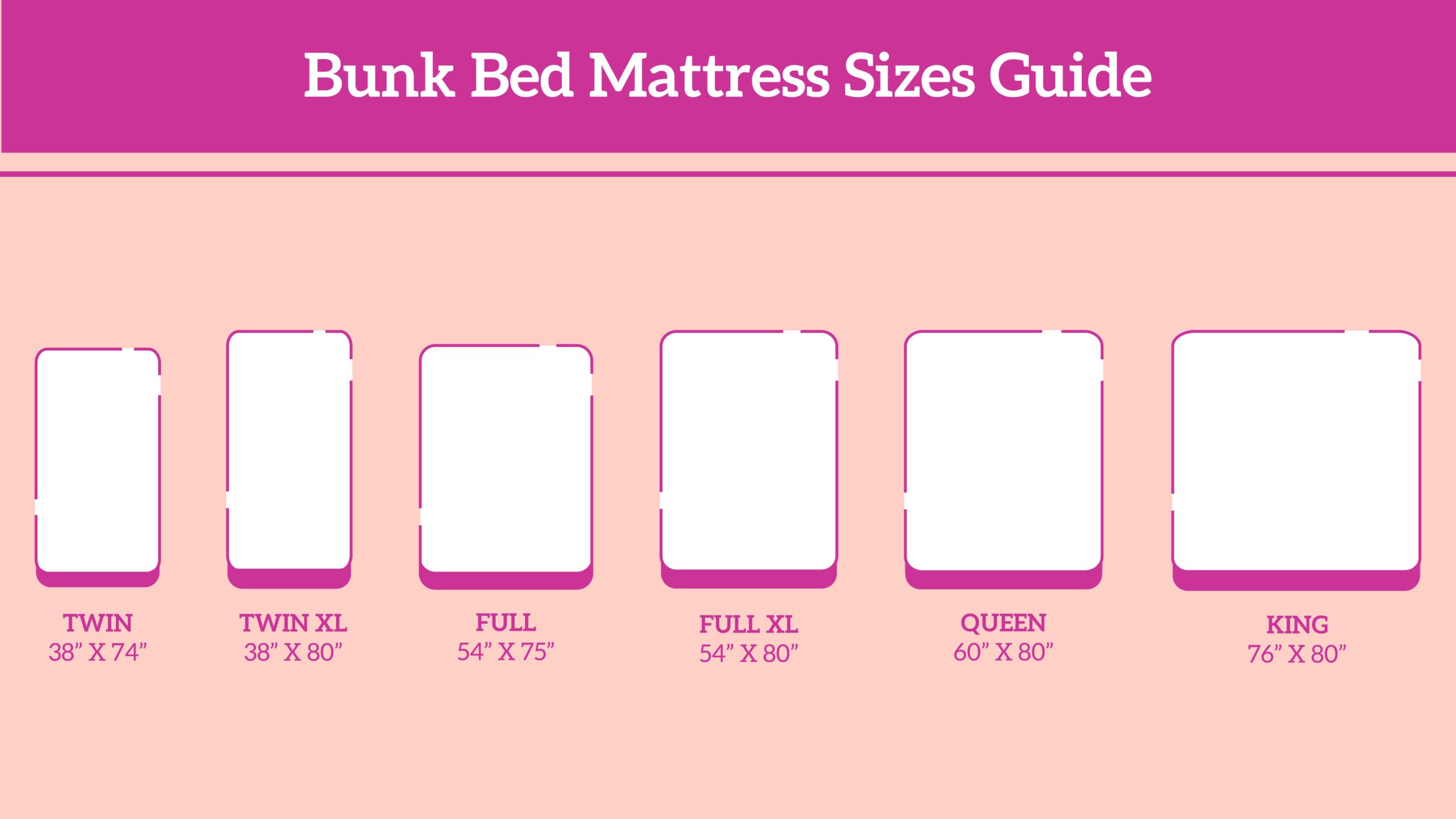
A Twin size mattress measures 38 inches wide and 75 inches long. It is the most popular choice for bunk beds. This size fits most children’s and teens’ bunk beds. It offers enough space for comfortable sleep without taking too much room.
Twin Xl Size Dimensions
Twin XL mattresses measure 38 inches wide and 80 inches long. They are 5 inches longer than the standard Twin size. Twin XL mattresses are ideal for taller kids or teens. They provide extra length while still fitting most bunk bed frames.
Credit: eachnight.com
Common Mattress Thickness Options
Bunk bed mattresses come in different thicknesses. The thickness affects safety, comfort, and fit. Choosing the right thickness ensures a good night’s sleep and safe use of the bunk bed.
Mattress thickness usually ranges from 4 to 8 inches. Each thickness serves a different purpose. Knowing these options helps in selecting the best mattress for your bunk bed.
Thin Mattresses For Safety
Thin mattresses are usually 4 to 5 inches thick. They keep the sleeper low and safe from falling off the top bunk. Thin mattresses fit better within the bunk bed frame and guardrails.
These mattresses are ideal for children. They reduce the risk of accidents during sleep. Thin mattresses also help maintain the bunk bed’s sturdiness and design.
Thicker Mattresses For Comfort
Thicker mattresses range from 6 to 8 inches. They provide more cushioning and support. These mattresses are better for older kids or adults.
Thicker mattresses improve sleep quality by reducing pressure points. They also offer a softer, more restful experience. Ensure the mattress fits the bed frame safely to avoid falls.
Specialty Bunk Bed Mattress Sizes
Specialty bunk bed mattress sizes differ from standard mattress sizes. These mattresses fit unique bunk bed designs. Choosing the right size ensures comfort and safety. Understanding these sizes helps in making the best choice for your space and needs.
Full Size Bunk Beds
Full size bunk beds use mattresses larger than twin beds. A full mattress typically measures 54 inches wide and 75 inches long. This size offers more sleeping space for older kids or adults. It fits perfectly on the bottom bunk in many designs. Using a full mattress adds comfort without overcrowding the room.
Custom Size Mattresses
Some bunk beds require custom size mattresses. These mattresses are made to fit unusual bed frames. Custom sizes vary in width, length, and thickness. Measuring the bed frame before buying is crucial. Custom mattresses ensure a perfect fit and better support. They help maximize comfort in uniquely shaped bunk beds.
Credit: www.texasmattressmakers.com
Materials And Their Impact On Size
The material of a bunk bed mattress affects its size and comfort. Different materials vary in thickness and firmness. These differences influence the mattress dimensions needed for a bunk bed.
Choosing the right material helps ensure the mattress fits well and feels comfortable. The mattress should match the bunk bed frame size for safety and support.
Foam Mattresses
Foam mattresses are lightweight and flexible. They come in various thicknesses, usually between 4 to 8 inches. Foam compresses easily, so it fits snugly in bunk beds. This material adapts well to the body, offering good support. Foam mattresses often take up slightly less space than other types.
Innerspring Mattresses
Innerspring mattresses use metal coils for support. They tend to be thicker, often around 6 to 9 inches. The coil system adds height and firmness to the mattress. These mattresses might feel firmer and less flexible. The thickness can affect the overall bunk bed height clearance.
Hybrid Mattresses
Hybrid mattresses combine foam and innerspring layers. Their thickness ranges from 7 to 10 inches. This mix provides balanced support and comfort. Hybrid mattresses are usually thicker than foam-only types. The size must be considered carefully to fit the bunk bed frame.
Choosing The Right Mattress Size
Choosing the right mattress size for a bunk bed is very important. The mattress must fit well to ensure safety and comfort. Picking the correct size helps maximize space in the room. It also supports good sleep habits for the user. Consider the size of the room and the person who will use the bed. These two factors guide the best mattress choice.
Room Dimensions And Bunk Bed Fit
Measure the room space where the bunk bed will go. This helps know the largest mattress size that fits. Bunk beds usually come in twin or twin XL sizes. Twin mattresses measure about 38 by 75 inches. Twin XL mattresses are slightly longer, about 38 by 80 inches. Check the bed frame size to match the mattress. A mattress too big or too small can be unsafe. Leave some space for bedding and air circulation.
Age And Sleeping Preferences
Consider who will sleep on the bunk bed. Kids often use standard twin mattresses. Teens or adults may need twin XL for more legroom. Think about how the person sleeps. Side sleepers may want a softer mattress. Back sleepers might prefer firmer support. Comfort affects sleep quality and health. Choose a mattress size that fits both the bed and the sleeper’s needs.
Safety Considerations For Bunk Bed Mattresses
Safety is the top priority when choosing a mattress for a bunk bed. The right mattress keeps children secure and prevents accidents. It also supports healthy sleep by fitting correctly within the bed frame. Understanding safety rules helps pick the best mattress size and type for bunk beds.
Mattress Thickness Limits
Mattress thickness is critical for bunk bed safety. The mattress must not be too thick. Most bunk beds require a mattress no thicker than 6 to 8 inches. This limit helps keep the bed rails effective. Thick mattresses can allow sleepers to fall over the rails. Always check the bunk bed’s manual for exact thickness rules. Using the right thickness prevents falls and serious injuries.
Firmness And Support
Firm mattresses provide better support and reduce risks. Soft mattresses can cause sinking or rolling, increasing fall danger. A firm mattress keeps the sleeper stable and comfortable. It also helps the bed frame stay strong and steady. Choose a mattress that balances comfort with firmness. Proper support protects the child’s spine and prevents accidents on the bunk bed.
Where To Buy Bunk Bed Mattresses
Finding the right bunk bed mattress is important for comfort and safety. You want a mattress that fits perfectly and supports a good night’s sleep. There are several places to buy bunk bed mattresses. Each offers different benefits depending on what you need.
Online Retailers
Online stores offer a wide range of bunk bed mattresses. You can compare sizes, prices, and materials easily. Many sites provide customer reviews to help you choose. Shopping online saves time and lets you buy from home. Look for free shipping or return policies for added convenience.
Specialty Mattress Stores
Specialty mattress stores focus on sleep products and accessories. Staff can guide you to the right mattress size and type. You can test the mattress before buying. These stores often have quality brands and warranties. Visit a local store for personalized help and expert advice.
Credit: eachnight.com
Frequently Asked Questions
What Is The Standard Bunk Bed Mattress Size?
The standard bunk bed mattress size is usually twin, measuring 38 inches by 75 inches. This size fits most bunk frames and is ideal for children and teens. Some bunk beds also accommodate twin XL mattresses, which are slightly longer at 38 by 80 inches.
Can Bunk Bed Mattresses Come In Full Size?
Yes, full-size bunk bed mattresses are available, measuring 54 inches by 75 inches. They provide more sleeping space but require a larger bunk bed frame. Full-size mattresses are suitable for adults or those needing extra room while sleeping.
What Thickness Should A Bunk Bed Mattress Be?
A bunk bed mattress should be between 6 and 8 inches thick. Thicker mattresses might reduce safety rail effectiveness. It’s important to choose a mattress thick enough for comfort but thin enough to fit safely in the bunk frame.
Are Twin Xl Mattresses Common For Bunk Beds?
Twin XL mattresses, measuring 38 by 80 inches, are common for taller sleepers using bunk beds. They offer 5 extra inches in length compared to regular twin mattresses, providing added comfort without changing the bed frame width.
Conclusion
Choosing the right bunk bed mattress size is very important. It keeps the bed safe and comfortable. Most bunk beds use twin or twin XL mattresses. Knowing the exact dimensions helps you buy the right mattress. It also makes the room look neat and tidy.
Always measure your bunk bed before buying a mattress. This simple step saves time and money. A good mattress makes sleeping better for kids and adults. Remember, size matters for safety and comfort. Keep these points in mind when selecting your bunk bed mattress.