Are you thinking about getting a bunk bed for your child but unsure when it’s safe to make the switch? You’re not alone.
Many parents wonder, “What age can a child sleep in a bunk bed? ” Choosing the right time is important for your child’s safety and comfort. You’ll discover the key factors to consider before letting your child climb up and sleep on the top bunk.
Keep reading to find out how to make the best decision for your family and create a cozy, safe sleeping space your child will love.
Age Recommendations For Bunk Beds
Bunk beds save space and look fun for kids. Parents often ask about the right age for children to use them safely. Choosing the right time helps avoid accidents and keeps kids safe.
Each child grows and develops differently. Age is a key factor, but other things matter too. Knowing guidelines helps parents make smart decisions about bunk beds.
Minimum Age Guidelines
Experts suggest children under six should not sleep in the top bunk. At this age, kids move a lot during sleep. They may fall easily from high places.
Most safety groups recommend at least six years old. Some say eight is safer. Kids should be tall enough to climb and understand rules.
Factors Influencing Age Suitability
Physical ability matters. Kids must climb ladders without help. They need balance and strength to avoid falls. Some children develop these skills earlier or later.
Behavior is also important. Children who sleep restlessly or move a lot need extra care. If kids do not follow safety rules, bunk beds may not be safe.
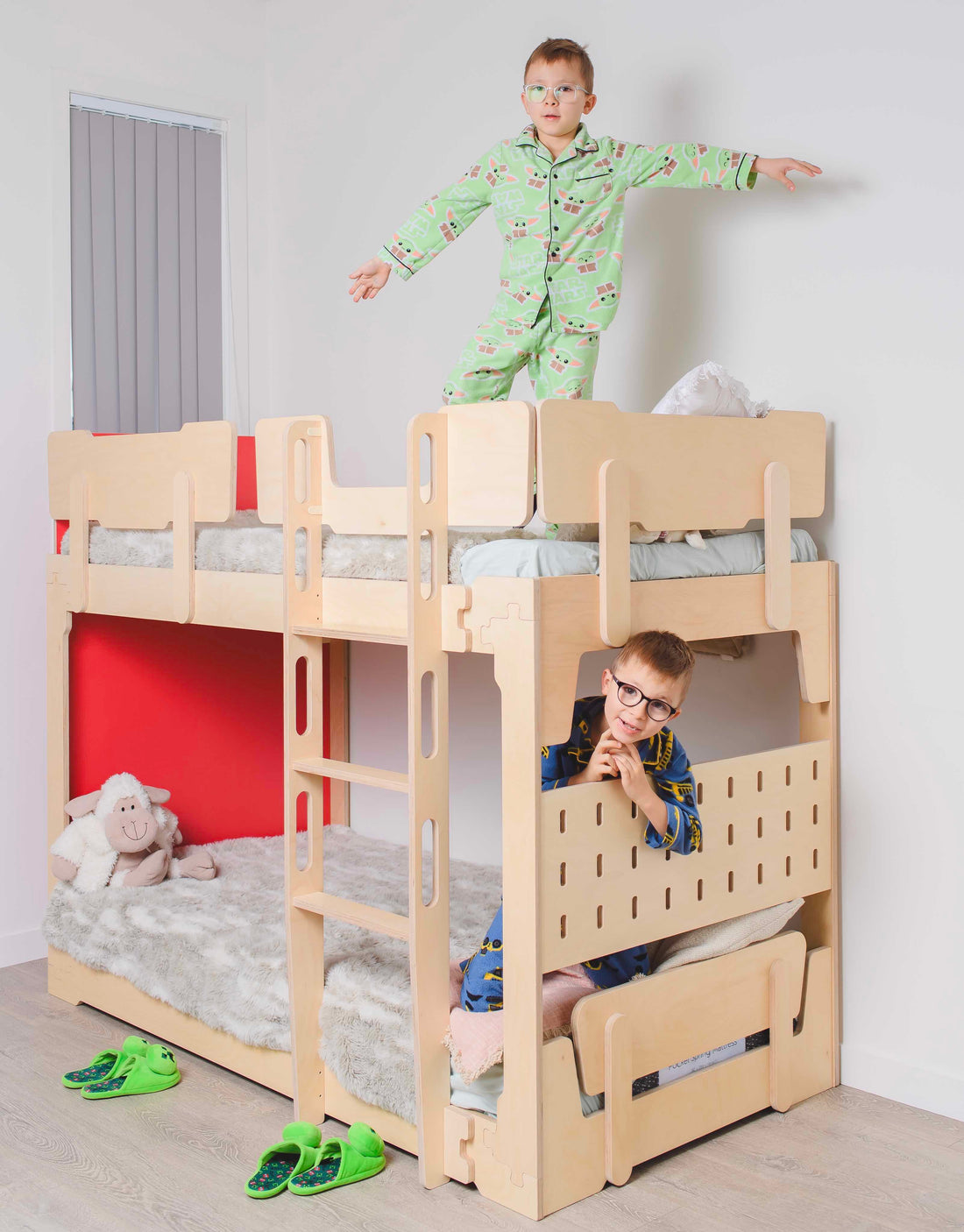
Room setup counts too. Guardrails and sturdy ladders reduce risks. Parents should check all parts before use. Good lighting helps children see when climbing.
Credit: kitsmart.co.nz
Safety Features To Look For
Choosing the right bunk bed for your child means focusing on safety. Every part of the bed should protect your child from falls and injuries. Check for key safety features before making a decision. These features keep your child secure and comfortable during sleep.
Guardrails And Bed Design
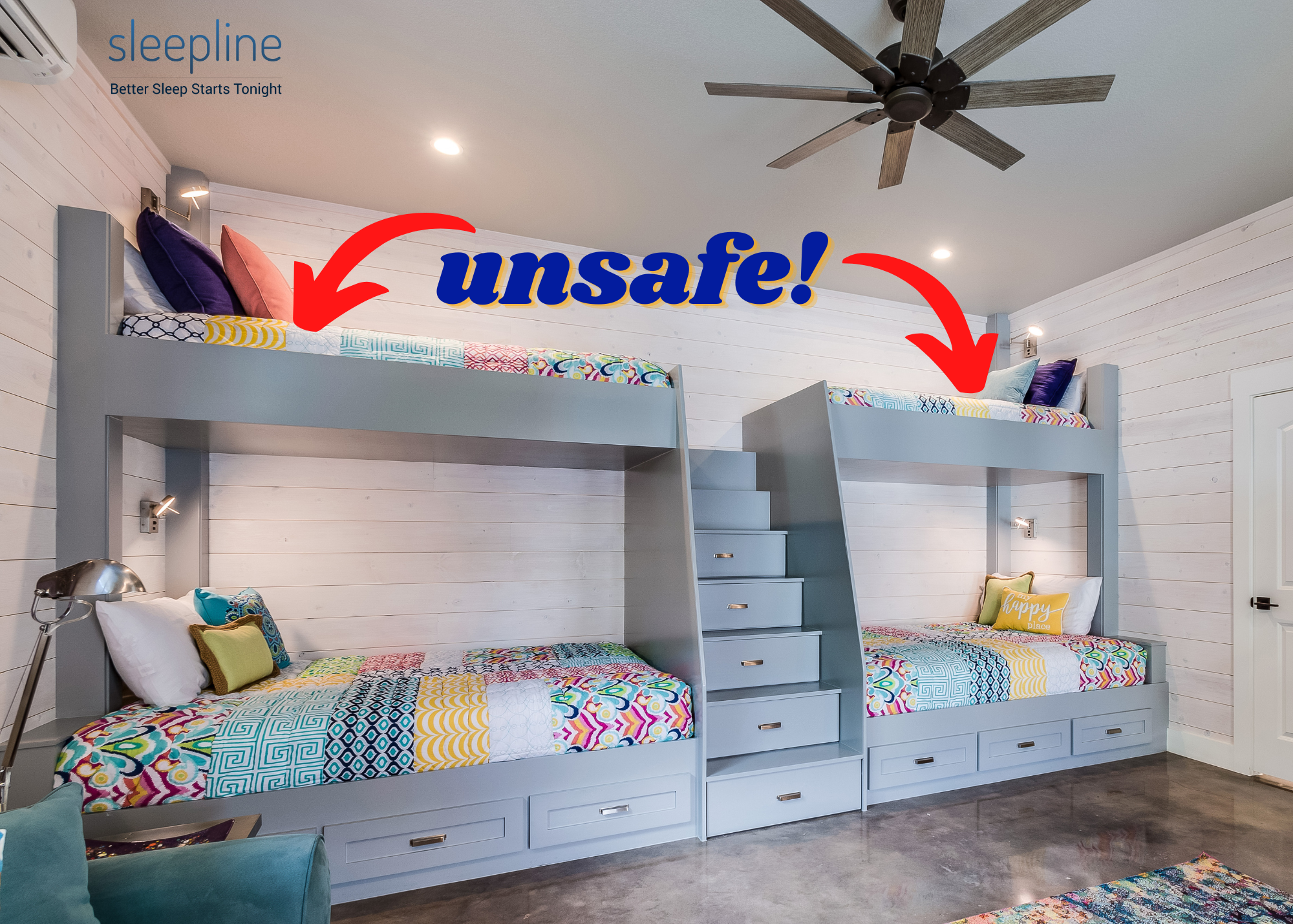
Guardrails are essential for bunk beds. They stop your child from rolling off the top bunk. The rails should be high enough to offer real protection. Look for beds with guardrails on all sides of the top bunk. The bed design should avoid sharp edges and gaps where small fingers can get stuck.
Sturdy Ladder And Frame
The ladder must be strong and easy to climb. It should have wide, non-slip steps to prevent slipping. Check that the ladder is securely attached to the bed frame. The entire frame should feel solid and stable. A weak frame can wobble and cause accidents during use.
Mattress Size And Fit
Choosing the right mattress size is important. The mattress must fit the bed frame perfectly without gaps. Gaps can cause children to get stuck or fall through. Use mattresses recommended by the bed manufacturer. Avoid mattresses that are too thick or too thin for safety reasons.
Common Risks And Hazards
Bunk beds save space and look fun. Still, they come with risks. Parents must know the common hazards. This helps keep children safe while using them.
Falls And Injuries
Falling from the top bunk is the main danger. Children can get bruises, cuts, or broken bones. Guardrails help reduce falls but don’t stop all accidents. Younger kids may not have the balance or sense to stay safe. Always check the bed’s stability and guardrails.
Entrapment And Suffocation
Small gaps in bunk beds can trap a child’s head or body. This causes injuries or suffocation risk. Pillows and blankets near guardrails also pose dangers. Make sure the bed follows safety standards. Remove anything that can block breathing.
Jumping And Rough Play
Kids often jump on bunk beds. Rough play leads to falls and injuries. The top bunk is not a safe place for jumping. Teach children to use bunk beds only for sleeping. Set clear rules to avoid accidents from horseplay.
Credit: www.sleepline.com
Setting Up A Safe Bunk Bed Environment
Setting up a safe bunk bed environment is very important for your child’s safety. Bunk beds can be fun and save space. But they also need careful planning. This helps prevent accidents and makes the room cozy.
Safety starts with the right place and good lighting. Then, you must check there is enough space above the bed. Last, the bed must be stable and secure to the wall. Let’s explore these steps.
Room Placement And Lighting
Put the bunk bed in a quiet corner of the room. Avoid placing it near windows or heaters. Good lighting helps your child move safely at night. Use soft night lights to avoid bright glare. Keep the room free from clutter around the bed.
Clearance And Headspace
Make sure there is enough space above the top bunk. Your child should not hit their head when sitting up. Leave at least 30 inches between the mattress and ceiling. Check the space between the top and bottom bunks too. This helps your child sit and move easily without bumping.
Securing The Bed To Walls
Attach the bunk bed firmly to the wall. Use strong brackets or anchors made for this purpose. This stops the bed from shaking or tipping. Regularly check the screws and fittings. Tighten them if they become loose over time.
Supervision And Rules For Kids
Supervision and clear rules keep children safe when using bunk beds. Bunk beds can be fun but also risky without proper guidance. Parents must set boundaries and watch young kids closely. Teaching safety helps prevent accidents and builds good habits early on.
Establishing Bedtime Rules
Create simple rules for bunk bed use. No jumping or rough play on the bed. Always use the ladder carefully. No climbing on the outside of the bed. Set a rule to keep the top bunk for sleeping only. Clear rules help children understand limits and stay safe.
Monitoring Younger Children
Young children need close supervision with bunk beds. Check on them often during the night. Make sure they use the ladder properly. Avoid letting toddlers sleep on the top bunk. Adults should watch for unsafe behavior or habits. Active monitoring reduces the risk of falls or injuries.
Educating Kids On Safe Use
Teach children how to use bunk beds safely. Show them how to climb up and down correctly. Explain why no rough play is allowed. Talk about the dangers of falling. Use simple words and repeat rules often. Education builds respect for safety and helps kids follow rules better.

Credit: www.customkidsfurniture.com
Alternatives To Bunk Beds
Not every child is ready for a bunk bed at a young age. Some families prefer safer, simpler sleeping options. There are many good alternatives to bunk beds. These choices offer safety and comfort without the height risks.
Low Loft Beds
Low loft beds raise the mattress just a little off the ground. They give kids a fun space underneath for play or storage. These beds are easier to climb than tall bunk beds. Children can enjoy the loft feel without being too high.
Trundle And Twin Beds
Trundle beds provide two sleeping spots in one compact frame. The lower bed slides under the main bed when not in use. Twin beds are simple and low to the ground. Both options are great for siblings sharing a room. They also reduce the risk of falls.
Floor Beds For Toddlers
Floor beds sit directly on the floor without legs. Toddlers can get in and out easily by themselves. These beds help little ones feel safe and independent. They are perfect for toddlers who are just moving from a crib.
Frequently Asked Questions
What Is The Recommended Age For A Child To Use Bunk Beds?
Children should be at least 6 years old before using bunk beds. This age minimizes injury risks from falls. Younger kids may lack the coordination and safety awareness needed for bunk bed use.
Are Bunk Beds Safe For Toddlers And Preschoolers?
Bunk beds are not safe for toddlers or preschoolers. Their developing motor skills and balance increase fall risks. It’s best to wait until a child is older and more physically coordinated.
How Can Parents Ensure Bunk Bed Safety For Kids?
Parents should install guardrails on all sides of the top bunk. Use sturdy ladders and ensure the bed meets safety standards. Regularly check for loose parts and educate children on safe bunk bed use.
When Should Children Stop Sleeping On The Top Bunk?
Children should stop using the top bunk once they become restless sleepers or outgrow the bed’s size. Also, discontinue use if they develop health issues that increase fall risk. Safety is the priority.
Conclusion
Children usually start sleeping in bunk beds safely around six years old. At this age, they understand safety rules and can climb up and down carefully. Always check the bed’s quality and add guardrails to prevent falls. Talk with your child about how to use the bed safely.
Keep the room well-lit and free of clutter to avoid accidents. Choosing the right age helps keep your child safe and happy. Bunk beds can be fun and space-saving when used properly. Safety always comes first.