Are you ready to create a cozy and sturdy sleeping space for your kids or guests? Knowing how to assemble a wood bunk bed yourself can save you time, money, and the hassle of waiting for professional help.
Imagine the satisfaction of stepping back and seeing a strong, beautiful bunk bed you built with your own hands. In this guide, you’ll find simple, step-by-step instructions that make the process easy and even enjoyable. Keep reading, and you’ll have your wood bunk bed ready before you know it—safe, solid, and perfect for your home.

Credit: www.youtube.com
Choosing The Right Wood Bunk Bed Kit
Choosing the right wood bunk bed kit sets the foundation for a smooth assembly. It affects the bed’s strength, style, and comfort. Picking the right kit helps avoid mistakes and saves time. Consider wood type, size, design, and tools before buying. Each factor plays a key role in the final result.
Types Of Wood Materials
Wood bunk bed kits come in different materials. Pine is a softwood and easy to work with. It is light and budget-friendly. Oak and maple are hardwoods. These woods are stronger and last longer. They resist dents and scratches well. Birch offers a smooth finish and good durability. Choose based on budget and desired look. Solid wood usually feels more sturdy than particle board or MDF.
Size And Design Options
Check the size of the bunk bed kit. Twin-over-twin is common for kids’ rooms. Twin-over-full offers more sleeping space below. Some kits include extra features like desks or storage. Design styles vary from classic to modern. Think about room size and how much space you need. A taller bed may require a higher ceiling. Select a design that fits the room’s style and your needs.
Tools Needed For Assembly
Most wood bunk bed kits need basic tools. A screwdriver or drill is essential. Some kits provide Allen wrenches for bolts. A hammer may be needed for small nails or dowels. Measuring tape ensures parts fit correctly. Keep tools ready before starting assembly. Having the right tools makes the job easier and faster. Read the instructions carefully to know exactly which tools to prepare.
Preparing Your Workspace
Preparing your workspace is the first step to assembling a wood bunk bed. A clean and organized area makes the process easier and safer. It helps you find tools quickly and avoid mistakes. Taking time to prepare saves effort later.
Clearing And Organizing Space
Choose a large, flat area to work in. Remove furniture and items that block your space. Make sure the floor is clean and free of debris. Organize the space so you can move parts around easily. A clear workspace prevents accidents and damage to the bed parts.
Gathering Tools And Hardware
Collect all tools needed for assembly before starting. Common tools include screwdrivers, a hammer, and an Allen wrench. Check the hardware pack for screws, bolts, and nuts. Keep everything in one spot for easy access. Having tools ready saves time and frustration.
Reading The Instruction Manual
Read the instruction manual carefully from start to finish. Understand each step before beginning the assembly. Look at the pictures and diagrams to see how parts fit together. Follow the instructions in order to avoid errors. Knowing the process helps the assembly go smoothly.
Assembling The Bed Frame
Assembling the bed frame is the first big step in building your wood bunk bed. It sets the base for the entire structure. Taking time here ensures the bed will be strong and safe. Follow each step carefully and use the right tools for the best results.
Connecting The Side Rails
Start by laying out the side rails on a flat surface. Align the metal brackets or pre-drilled holes on each rail. Use screws or bolts to join the rails firmly. Tighten all fasteners but avoid over-tightening. The rails must be straight and stable before moving on.
Attaching The Headboard And Footboard
Next, position the headboard at one end of the side rails. Attach it using bolts or screws through the matching holes. Repeat the same for the footboard on the opposite side. Check that both boards stand upright and fit tightly. A loose connection can cause instability later.
Securing The Slats
Place the slats evenly across the frame, resting them on the side rails. Space them to support the mattress fully. Screw each slat into the rails to keep them from moving. This step helps distribute weight evenly and adds strength. Double-check all slats are secure before finishing.
Building The Ladder And Guardrails
Building the ladder and guardrails is an important part of assembling a wood bunk bed. These parts make the bed safe and easy to use. The ladder helps you climb up and down. Guardrails stop you from falling while sleeping. Follow clear steps to build these components correctly.
Constructing The Ladder
Start by cutting the wood pieces for the ladder sides and steps. Use smooth wood to avoid splinters. Attach the steps evenly between the two side pieces. Make sure each step is strong and secure. Use screws to hold the steps tightly. Check the ladder angle to make climbing easy and safe.
Installing Guardrails For Safety
Measure the bed’s top side to fit the guardrails. Cut the wood to the right length. Attach the guardrails firmly to the bed frame. Position them high enough to stop anyone from falling out. Use strong screws and bolts for extra safety. Check the guardrails do not move or shake.
Double-checking Stability
Test the ladder and guardrails by applying weight gently. Make sure nothing wobbles or feels loose. Tighten all screws and bolts again. Push and pull the ladder and rails to confirm strength. Stability is key to prevent accidents. A sturdy bunk bed means a safe sleep space.
Final Touches And Safety Checks
After assembling your wood bunk bed, the final touches and safety checks are very important. These steps make sure the bed is strong and safe. Taking time here helps prevent accidents and keeps the bed sturdy for years. Follow each step carefully to finish your project well.
Tightening All Screws And Bolts
Go through every screw and bolt on the bunk bed. Use the right tools to make them tight. Loose screws can make the bed unsafe. Check corners, joints, and ladder connections. Tight screws keep the bed steady and secure.
Inspecting For Rough Edges
Look closely at all wood surfaces. Feel for splinters, rough spots, or sharp edges. Sand any rough areas smooth with fine sandpaper. This protects skin from scratches or cuts. A smooth finish also makes the bed look better.
Adding Mattresses And Accessories
Place mattresses that fit the bed size exactly. Avoid mattresses that are too thick or thin. Add rails or guards if included for safety. Arrange pillows and bedding neatly. These small touches make the bed comfortable and safe to use.
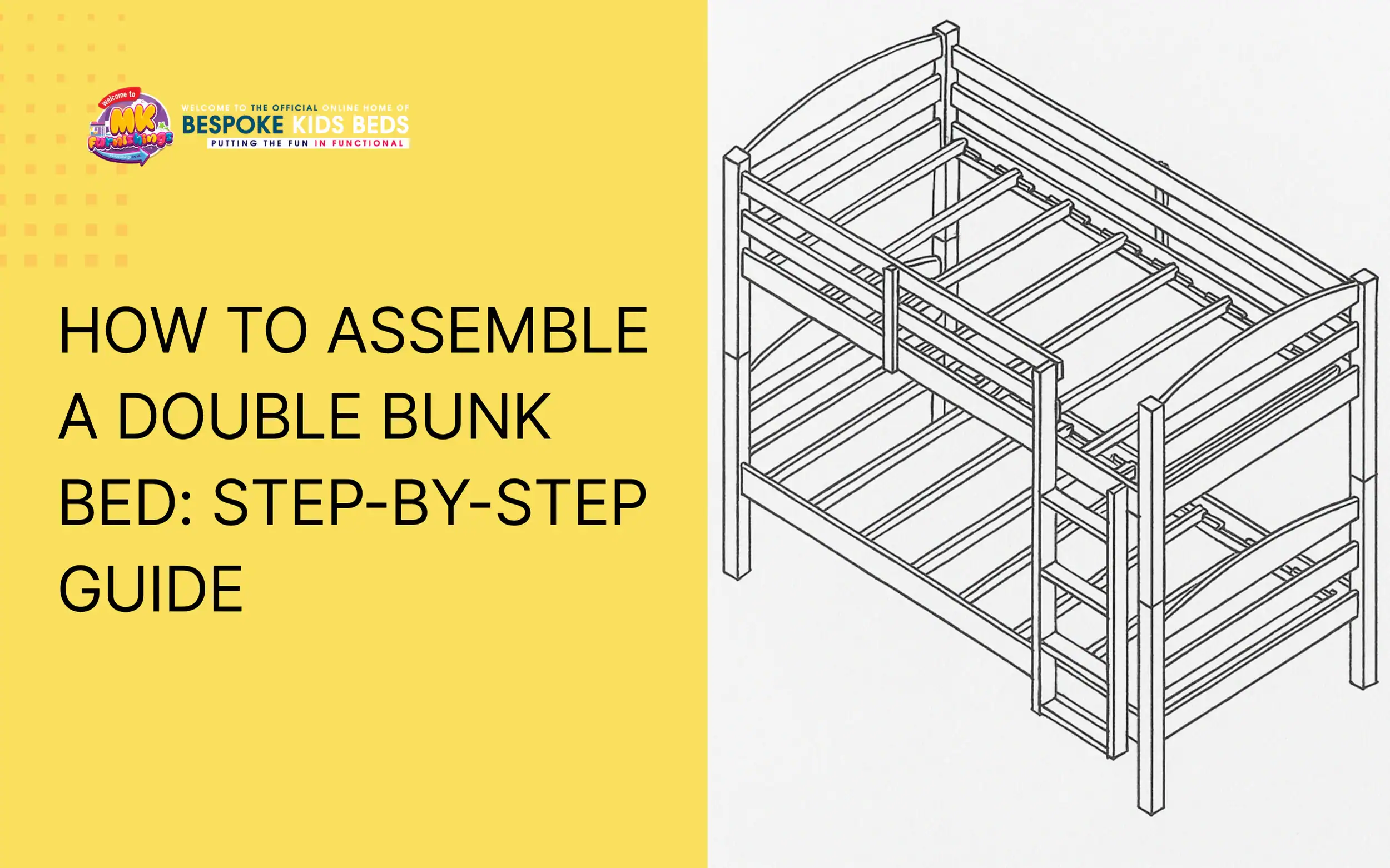
Credit: mkfurnishings.co.uk
Common Assembly Mistakes To Avoid
Assembling a wood bunk bed can be straightforward. Still, many make simple errors that cause problems later. Avoiding these mistakes saves time and ensures safety. Focus on careful steps and double-check your work.
Misaligning Parts
Align parts correctly before tightening bolts. Misaligned pieces cause instability and gaps. Check each component fits perfectly in place. Use a level to confirm even surfaces. Taking time here prevents wobbling or dangerous shifts.
Overtightening Hardware
Do not overtighten screws or bolts. Too much force can damage wood or strip threads. Tighten just enough to hold parts firm. Loose hardware can be fixed later. Overtightening often leads to cracks or weak joints.
Ignoring Weight Limits
Always follow the bunk bed’s weight limits. Exceeding limits risks breaking the frame. This is dangerous for children and adults. Weight limits protect the bed and users. Know the maximum load before use and stick to it.

Credit: www.simplyhandmadestudios.com
Frequently Asked Questions
How Long Does It Take To Assemble A Wood Bunk Bed?
Assembly usually takes 1 to 3 hours depending on skill level. Clear instructions and proper tools speed up the process. Having a helper makes it faster and safer.
What Tools Are Needed For Bunk Bed Assembly?
Common tools include a screwdriver, Allen wrench, hammer, and measuring tape. Some kits provide specialized tools. Always check the instruction manual for specific tool requirements.
How Can I Ensure The Bunk Bed Is Safe?
Tighten all screws and bolts securely. Use guardrails on the top bunk. Follow weight limits and place the bed on a flat surface to prevent wobbling.
Can I Assemble A Wood Bunk Bed Alone?
While possible, assembling alone is challenging and time-consuming. Having a second person improves safety and efficiency. Assistance is recommended for lifting and aligning parts.
Conclusion
Assembling a wood bunk bed can be simple and rewarding. Follow each step carefully for a safe result. Take your time and check all parts before starting. Use the right tools to make assembly easier. Remember to tighten screws and bolts well.
A sturdy bunk bed saves space and adds style. Enjoy your new bed and a good night’s rest. Keep the instructions for future reference or repairs. Building it yourself gives pride and confidence. Ready to sleep soundly in your homemade bunk bed?