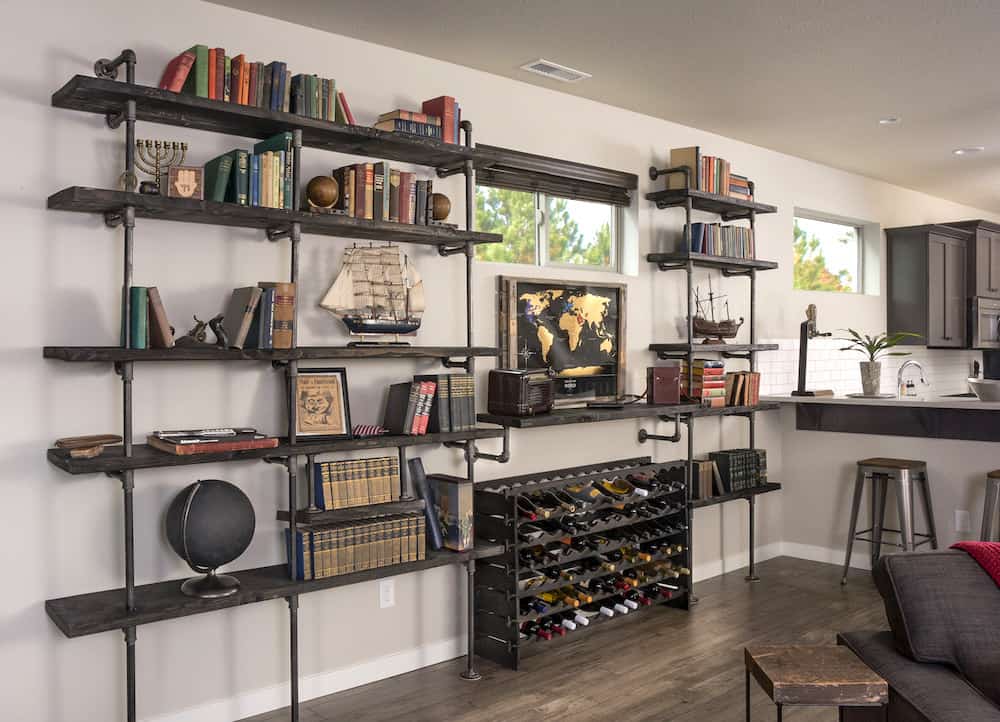
Are you looking to add a unique touch to your home or workspace? A DIY industrial pipe bookshelf might be just what you need.
It combines style and strength, giving your room a cool, modern vibe. Plus, building it yourself means you get a custom piece that fits perfectly in your space. In this guide, you’ll discover simple steps and tips to create your own industrial pipe bookshelf.
Ready to turn ordinary materials into something extraordinary? Keep reading, and let’s get started!
Materials Needed
Gathering the right materials is the first step to build an industrial pipe bookshelf. Each item plays a key role in making the shelf strong and stylish. Knowing what to get saves time and helps avoid mistakes during the build. This guide lists all essentials for the project.
Pipes And Fittings
Choose black steel pipes for a classic industrial look. Get pipes in the correct length for your shelf size. Use fittings like elbows, tees, and flanges to connect pipes securely. Make sure all pipes and fittings match in diameter for a tight fit.
Wood Selection
Pick solid wood boards that fit your shelf design. Pine, oak, or reclaimed wood work well for durability and style. Sand wood smooth to avoid splinters. Finish wood with stain or sealant to protect it from wear.
Tools Required
Prepare basic tools like a drill, screwdriver, and wrench. A pipe cutter or hacksaw helps cut pipes to size. Use a tape measure and level for accuracy. Sandpaper smooths wood edges before assembly.
Additional Supplies
Get wood screws and pipe thread sealant to secure parts tightly. Use wood glue for extra strength on shelves. Safety gear like gloves and goggles protects you during work. Have a pencil and paper ready to mark measurements.
Credit: diycandy.com
Design Planning
Design planning is a key step to make an industrial pipe bookshelf. This step helps you organize your ideas clearly. You decide the size, shape, and strength before building. Good planning saves time and materials.
Start by thinking about the space for your bookshelf. Consider what you want to store and how it will look. Careful planning creates a sturdy and attractive shelf.
Choosing Dimensions
Measure the wall or space where the bookshelf will stand. Choose height, width, and depth that fit well. Keep enough room for books and decorations. Make sure it is not too big or too small.
Sketching Layout
Draw a simple sketch of your bookshelf design. Include pipes and wooden shelves in your drawing. Label each part with its size and position. This helps you see the final look before building.
Weight Considerations
Think about how much weight your shelf must hold. Pipes and wood need to support books safely. Use strong materials and secure connections. Check pipe thickness and shelf strength to avoid accidents.
Cutting And Preparing Wood
Cutting and preparing wood is a key step in building an industrial pipe bookshelf. It shapes the wood to fit the pipe frame perfectly. Careful cutting ensures strong shelves that last long. Preparing the wood also makes the bookshelf look clean and smooth.
Measuring And Marking
Start by measuring the wood pieces to match your design. Use a tape measure and pencil for accuracy. Mark the wood clearly where you will cut. Double-check measurements to avoid mistakes. Precise marking helps cut the wood correctly the first time.
Cutting Techniques
Use a saw suitable for the wood type, like a circular or handsaw. Cut along the marked lines slowly for clean edges. Keep the wood stable to prevent slips. Follow safety rules, such as wearing goggles and gloves. Smooth cuts make the assembly easier and the shelf stronger.
Sanding And Finishing
After cutting, sand the wood to remove rough spots and splinters. Use medium-grit sandpaper first, then fine-grit for a smooth finish. Sand all edges and surfaces evenly. Finish by applying wood stain or paint if desired. This step protects the wood and enhances the shelf’s look.
Assembling The Pipe Frame
Assembling the pipe frame is the first important step in making your industrial pipe bookshelf. This step sets the base structure that holds the shelves. A strong frame means a sturdy bookshelf. Take your time and follow each instruction carefully.
Connecting Pipes And Fittings
Start by gathering all pipes and fittings needed for the frame. Connect each pipe with the right fittings. Screw the pipes tightly to avoid any gaps. Use a wrench to secure the connections firmly. Check that all parts fit well before moving on.
Securing The Frame
Place the frame on a flat surface. Make sure it stands straight without wobbling. Tighten all fittings again for extra security. Use pipe thread sealant for a stronger hold. This stops the pipes from loosening over time.
Ensuring Stability
Check the frame’s balance carefully. Add corner braces if needed for extra support. The frame should not move when pushed gently. Test the frame by applying light pressure. A stable frame keeps your bookshelf safe and durable.
Attaching Shelves
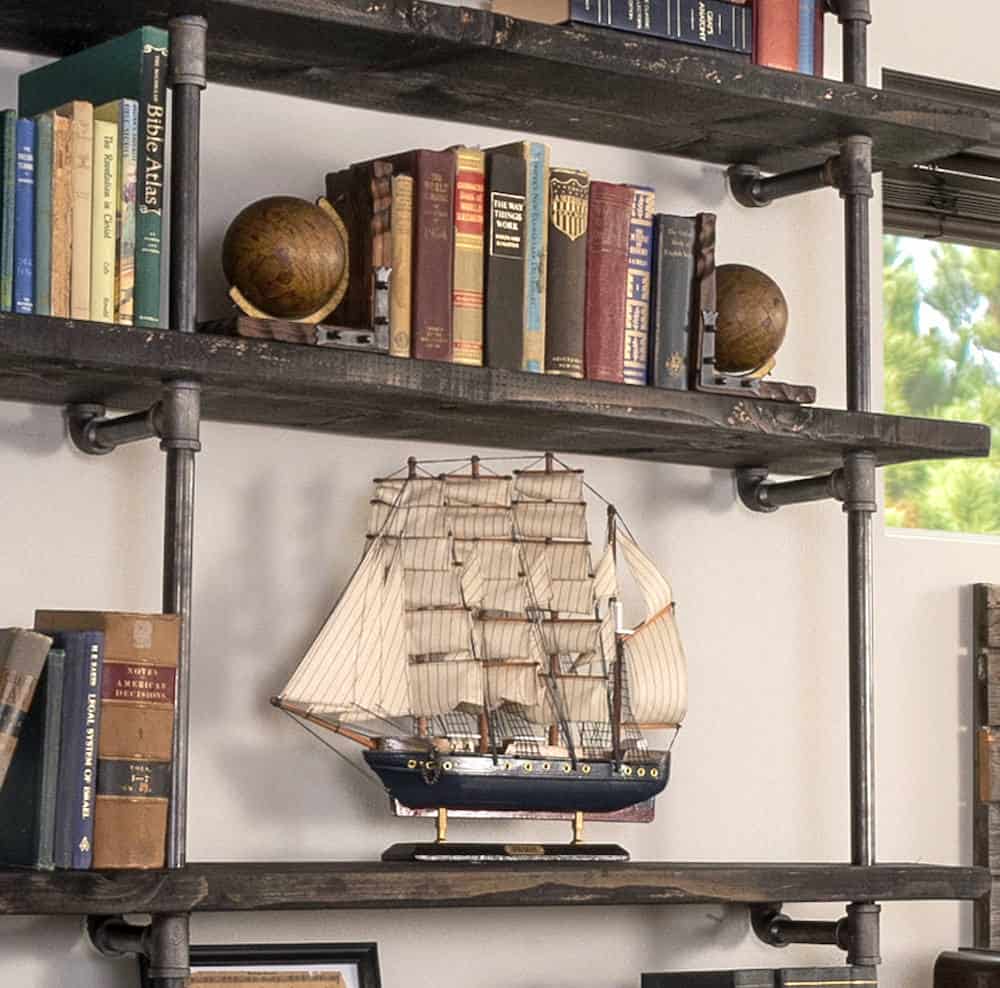
Attaching shelves to your industrial pipe bookshelf is a key step. It gives the structure strength and makes the design functional. Careful placement and secure fixing ensure the shelves hold weight well. Follow the steps below for a stable, neat finish.
Positioning Wood Planks
Start by laying the wood planks on the pipe frame. Align each plank so it sits evenly across the pipes. Check that the edges are flush with the frame sides. Space the shelves evenly to balance the look and weight. Use a level tool to keep planks straight.
Securing Shelves To Frame
Use screws or pipe clamps to fix the planks firmly to the pipes. Drill pilot holes in the wood to avoid splitting. Attach the screws through the wood into the pipe fittings or brackets. Tighten clamps evenly to hold shelves without damage. Confirm each shelf is tightly secured before moving on.
Adjustments And Alignment
Once all shelves are attached, check their alignment again. Use a level to ensure no plank tilts or dips. Make small adjustments by loosening and repositioning screws or clamps. Ensure shelves are stable and do not wobble. Final alignment keeps the bookshelf safe and visually pleasing.
Credit: diycandy.com
Finishing Touches
Finishing touches bring your industrial pipe bookshelf to life. They protect the materials, add style, and ensure safety. Focus on three key areas: sealing or painting, decorating, and safety checks. These steps complete the project with care and style.
Applying Sealant Or Paint
Sealant protects the wood and metal from wear and moisture. Choose a clear sealant for a natural look or paint for color. Use a brush or spray for even coverage. Let each coat dry before adding the next. This step increases durability and keeps the shelf looking fresh.
Adding Decorative Elements
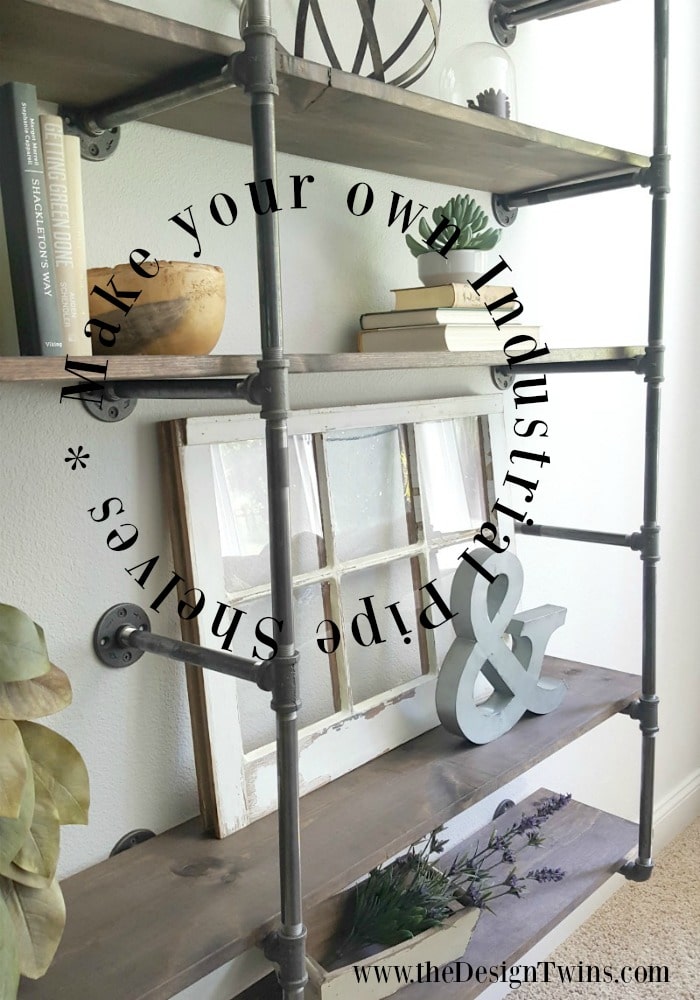
Decorate your bookshelf to match your space. Add plants, books, or small art pieces. Use metal brackets or pipe caps for a polished look. Keep decorations simple to highlight the industrial design. These elements make the shelf unique and inviting.
Safety Checks
Check all connections and screws. Tighten loose parts to prevent wobbling. Make sure the shelf stands firm on the floor. Avoid overloading shelves with heavy items. Safety ensures your bookshelf stays sturdy and reliable for years.
Maintenance Tips
Keeping your industrial pipe bookshelf in top shape is important. Proper maintenance helps it last longer and look better. Simple care steps protect the pipes and wood from wear and tear. Follow these easy tips to keep your shelf strong and clean.
Cleaning Guidelines
Use a soft cloth to dust the pipes and shelves regularly. Avoid harsh chemicals that can damage the metal or wood. Mild soap and water work well for cleaning dirt and stains. Dry the surface completely to stop moisture buildup. Clean spills right away to prevent stains and rust.
Preventing Rust And Damage
Keep the pipes dry to avoid rust forming. Use a clear sealant or paint to protect metal surfaces. Place the bookshelf away from damp areas or direct water contact. Avoid placing heavy items that could bend or weaken the pipes. Use furniture pads under heavy objects for extra support.
Periodic Inspections
Check the bookshelf every few months for signs of wear or damage. Look for loose fittings, rust spots, or cracks in the wood. Tighten screws and joints to keep the structure stable. Replace damaged parts quickly to prevent further problems. Regular checks keep your shelf safe and sturdy.
Credit: thedesigntwins.com
Frequently Asked Questions
What Materials Are Needed For An Industrial Pipe Bookshelf?
You need steel pipes, wooden planks, pipe flanges, screws, and brackets. These materials create a sturdy, rustic bookshelf perfect for industrial decor.
How Do You Assemble An Industrial Pipe Bookshelf?
Start by cutting wood to size. Attach pipes vertically and horizontally using flanges and connectors. Secure shelves on pipes with screws.
Can I Customize The Size Of The Bookshelf?
Yes, you can customize height, width, and shelf spacing. Adjust pipe lengths and wood plank dimensions to fit your space.
Is An Industrial Pipe Bookshelf Durable?
Yes, steel pipes provide strong support and wood shelves hold weight well. This design is both functional and long-lasting.
Conclusion
Building an industrial pipe bookshelf takes patience and simple tools. Start with a clear plan and gather all materials before you begin. Follow the steps carefully to ensure safety and strength. This DIY project adds a unique look to any room.
It offers both style and storage in one piece. Enjoy the satisfaction of making something useful with your own hands. Keep practicing to improve your skills for future projects. Your space will feel more organized and stylish with this bookshelf.