Are you ready to create a beautiful house-shaped bookshelf that will make your space unique and organized? Building your own bookshelf is easier than you think, and it’s a great way to add a personal touch to your home.
Imagine having a cozy spot to display your favorite books, plants, or decorations, all shaped like a charming little house. In this guide, you’ll learn simple steps and helpful tips to build a sturdy and stylish house bookshelf that fits your style perfectly.
Keep reading, and soon you’ll have a project you can be proud of!
Planning Your Bookshelf
Planning your bookshelf is the first step to a successful build. It helps avoid mistakes and saves time. A good plan makes sure the bookshelf fits well and looks great in your home.
Think about how you will use the bookshelf. Will it hold many books or just a few? Do you want it to be tall or wide? These questions guide your design and materials.
Choosing The Right Design
Pick a design that matches your style and needs. Simple designs are easier to build and fit many rooms. Complex designs may look unique but need more skill and tools. Decide on open shelves or closed cabinets. Consider adding adjustable shelves for flexibility. Choose a shape that fits your room’s layout.
Measuring Your Space
Measure the space where the bookshelf will stand. Note the height, width, and depth carefully. Leave some extra room for air and decoration. Check for obstacles like baseboards or outlets. Accurate measurements prevent fitting problems later. Write down all dimensions clearly before starting.
Selecting Materials
Choose materials based on strength and look. Solid wood is strong and looks natural. Plywood is cheaper and still sturdy. MDF is smooth and easy to paint but less strong. Pick screws, nails, and glue that match your materials. Think about finishing options like paint or stain for a polished look.
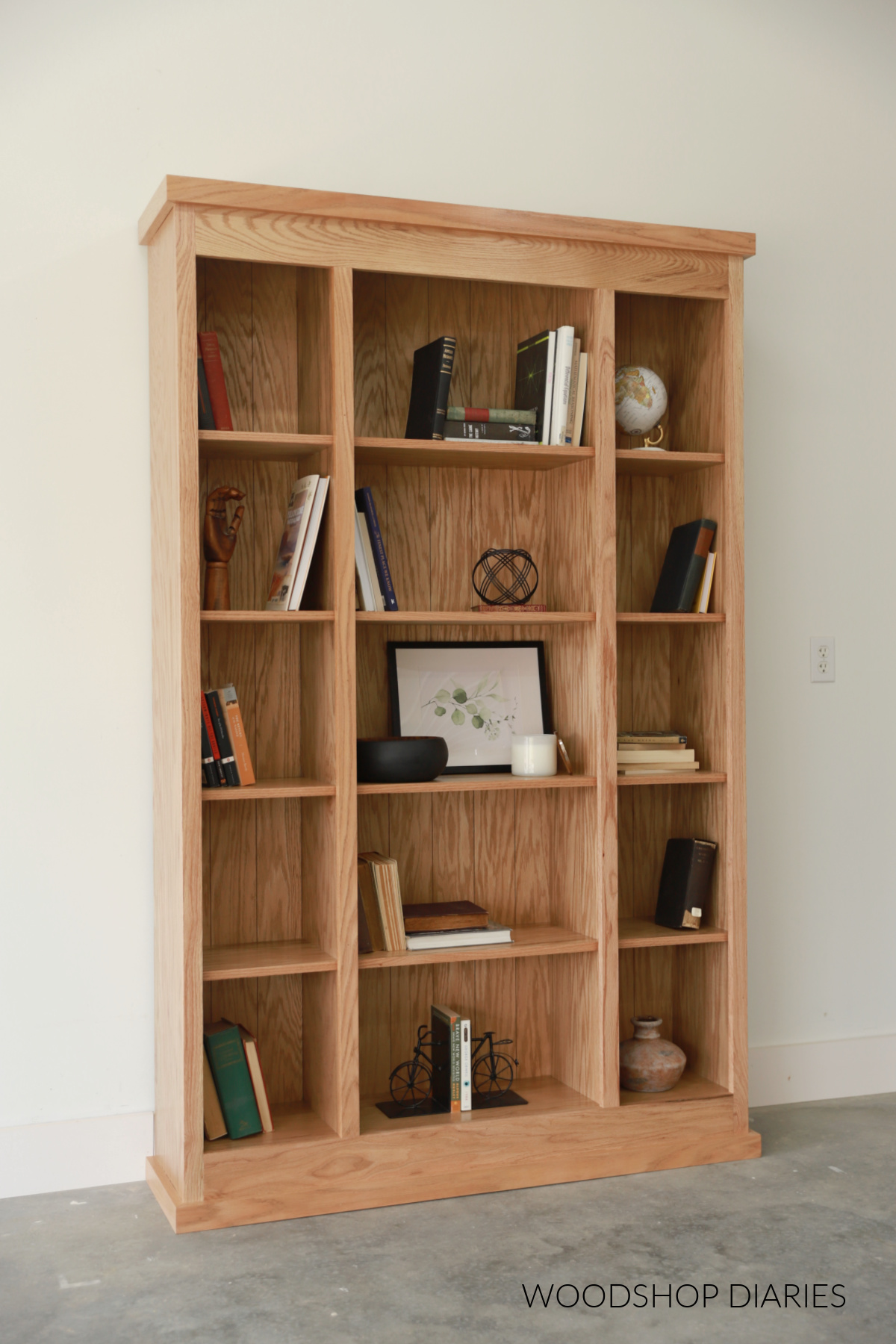
Credit: www.woodshopdiaries.com
Gathering Tools And Supplies
Gathering the right tools and supplies is the first step to build a sturdy house bookshelf. Having everything ready helps avoid delays and mistakes. It makes the whole process smoother and more enjoyable.
Choosing quality materials also affects the bookshelf’s look and strength. Careful planning saves time and effort later.
Essential Tools For The Project
- Measuring tape for accurate dimensions
- Power drill for making holes and driving screws
- Screwdriver set for tightening screws
- Hand saw or circular saw to cut wood
- Level to ensure shelves are straight
- Clamps to hold pieces together while working
- Sandpaper or electric sander for smooth surfaces
- Pencil for marking measurements
- Safety glasses to protect your eyes
- Work gloves to protect your hands
Recommended Materials List
- Wood boards (pine or plywood) for shelves and frame
- Wood screws to join parts securely
- Wood glue for extra strength at joints
- Wood filler to cover any holes or gaps
- Paint or wood stain for finishing
- Primer if you plan to paint the bookshelf
- Sandpaper of different grits for smooth finishing
- Backing board (thin plywood or hardboard) to support shelves
- Brackets or corner braces for extra support
Cutting And Preparing Wood
Cutting and preparing wood is a key step in building a house bookshelf. It shapes the pieces that form your shelf. Proper cutting ensures the shelf fits well and looks good. Taking time here saves problems later. Use the right tools and follow safety rules to get clean cuts and smooth edges. Preparing the wood carefully sets the stage for easy assembly and a strong bookshelf.
Marking And Measuring Boards
Start by measuring your wood boards carefully. Use a tape measure and pencil for accuracy. Mark the cutting lines clearly on the wood. Double-check each measurement before cutting. Measure twice, cut once. Clear, straight lines help guide your saw. Mark all pieces needed for the shelf, including sides, shelves, and back panels. Proper marking reduces waste and errors.
Safe Cutting Techniques
Wear safety goggles and gloves before cutting wood. Use a stable work surface and secure the board firmly. Cut slowly and steadily with the saw. Follow the marked lines closely. Keep fingers away from the blade. Use push sticks for small pieces. Check the saw blade is sharp and clean. Always turn off and unplug the saw after use. Safe cutting prevents accidents and keeps your project on track.
Assembling The Frame
Assembling the frame is the first big step in building your house bookshelf. This part shapes the whole bookshelf and holds everything else. A strong frame means your bookshelf will be safe and last a long time.
Focus on making tight joints and steady parts. Careful work here makes the next steps easier and better. Take your time and follow the right methods.
Joining Techniques
Choose the right joining method for your frame parts. Screws are simple and hold well. Use wood glue with screws for extra strength. Dowels fit into holes for neat, strong joints. Pocket holes hide screws and keep the frame clean. Each method suits different wood types and styles. Test your choice on scrap wood first.
Ensuring Stability
Check each corner to keep the frame square. Use a carpenter’s square or measure diagonals. Tighten all joints to stop wobbling. Add corner braces or blocks for extra support. Let the glue dry fully before moving the frame. Stability keeps your bookshelf safe and steady over time.
Adding Shelves And Supports
Adding shelves and supports is a key step in building a sturdy bookshelf. Shelves hold your books, so they must be strong and well placed. Supports keep the shelves from bending or falling.
Careful planning makes your bookshelf safe and useful. You must think about shelf spacing and how to secure shelves firmly. These details protect your books and make the shelf last longer.
Spacing For Books
Shelf spacing depends on the size of your books. Measure the tallest book you have. Add a little extra space for easy access and air flow.
Standard spacing is about 10 to 12 inches. Adjust this if you have larger or smaller books. Keep shelves evenly spaced for a neat look.
Securing Shelves Properly
Use strong brackets or wooden cleats to hold shelves. Attach supports firmly to the bookshelf frame.
Check that shelves sit level before fixing them. Use screws that fit well and hold tight. Proper securing stops shelves from sagging or falling.
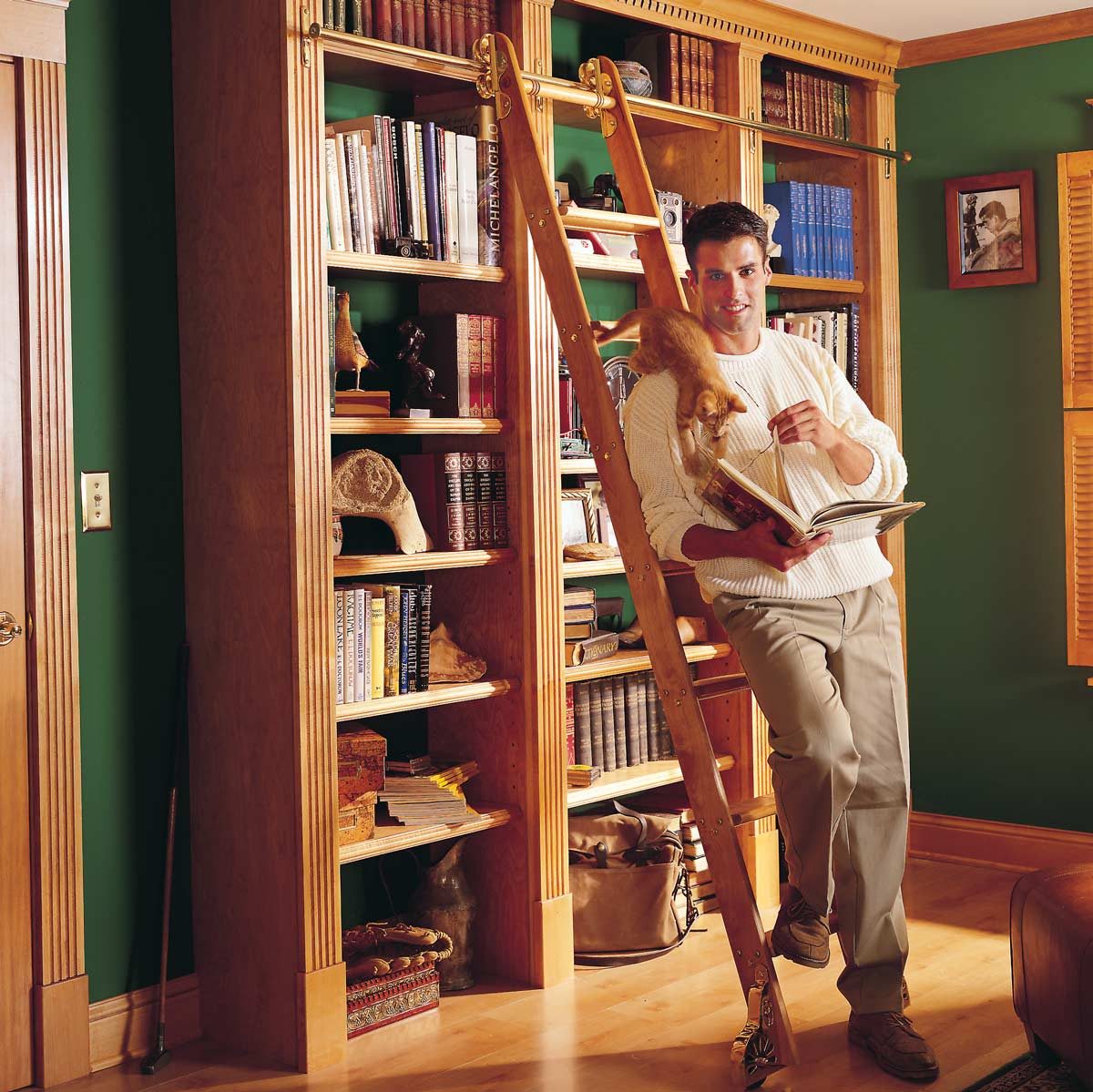
Credit: www.familyhandyman.com
Sanding And Finishing
Sanding and finishing give your bookshelf a smooth, beautiful look. These steps protect the wood and make the shelf last longer. Taking time here improves the shelf’s feel and appearance. Let’s explore how to sand and finish your wood properly.
Smoothing Surfaces
Start with coarse sandpaper to remove rough spots and splinters. Move in the direction of the wood grain. Change to finer sandpaper for a smooth finish. Check for bumps or rough areas by running your hand over the surface. Sand edges and corners carefully to avoid sharp points. Wipe away dust using a clean cloth before finishing.
Applying Paint Or Stain
Choose paint or stain depending on the look you want. Use a brush or cloth to apply thin, even coats. Let each coat dry fully before adding the next. Paint gives a solid color and hides wood grain. Stain enhances natural grain and adds color without covering it. Finish with a clear sealant to protect the surface from damage and moisture.
Installing The Bookshelf
Installing the bookshelf is the final step in creating your perfect storage solution. It requires careful attention to detail to ensure the shelf fits well and stays secure. A well-installed bookshelf not only looks good but also holds your books safely for years.
Positioning In Your Home
Choose a spot that suits your daily needs. Think about lighting and room flow. Avoid blocking windows or walkways. Measure the space to match your bookshelf size. Place the shelf against a solid wall for better support. Consider nearby power outlets if you want to add lights. Make sure the area is clean and dry before installation.
Securing For Safety
Safety comes first with any heavy furniture. Use wall anchors or brackets to fix the bookshelf firmly. Check the wall type to select proper screws. Attach brackets near the top and bottom of the shelf. Tighten all screws to prevent wobbling. Test the shelf by applying light pressure. Ensure no movement occurs before loading books. This step prevents accidents and protects your items.
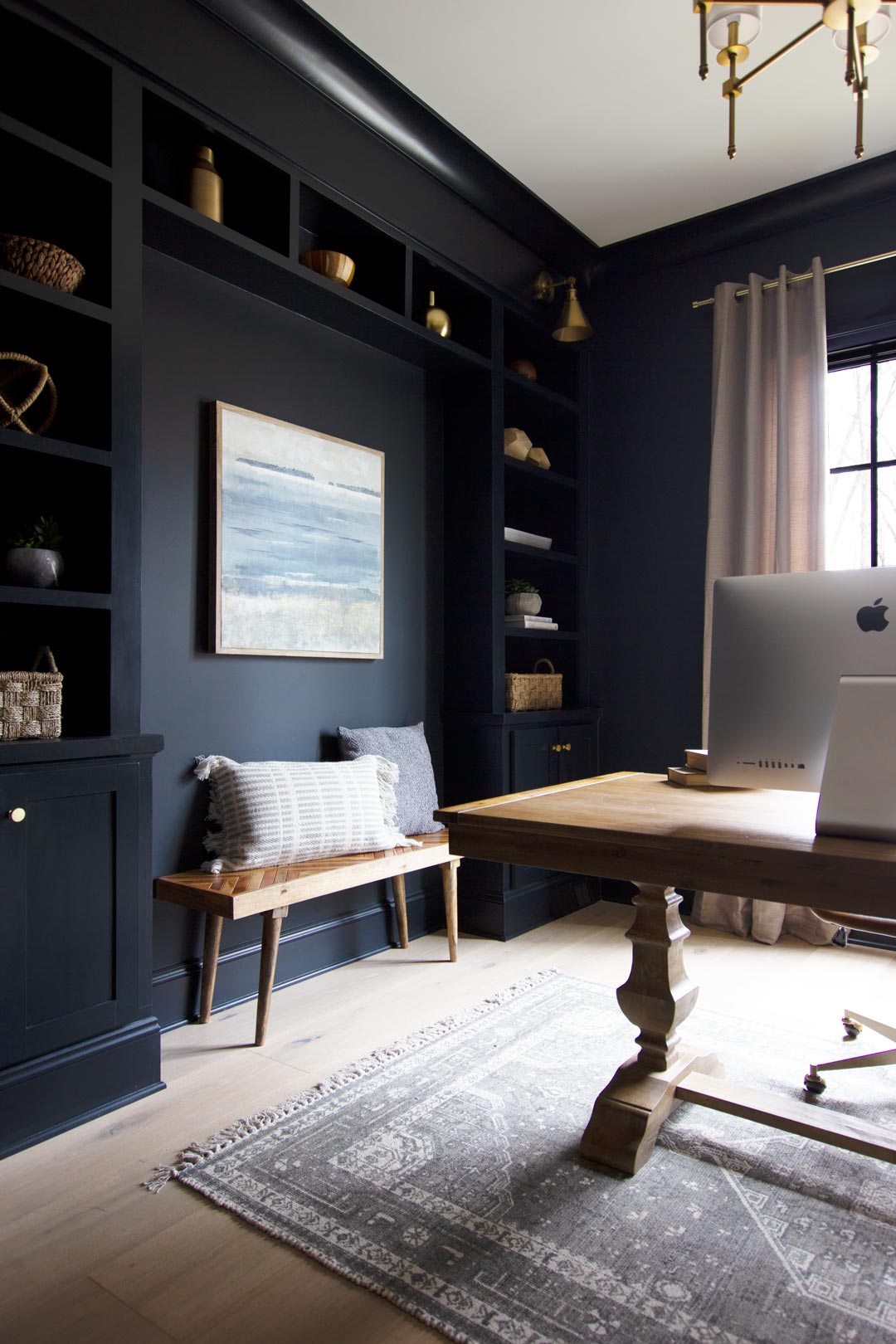
Credit: plankandpillow.com
Tips For Maintenance And Care
Maintaining your house bookshelf keeps it looking great for years. Regular care helps prevent wear and damage. Simple steps make a big difference in its life and appearance.
Cleaning Techniques
Dust the bookshelf weekly using a soft cloth or duster. Avoid using wet cloths on wood surfaces. For stubborn dirt, use a slightly damp cloth and dry immediately. Clean glass shelves with a glass cleaner and soft cloth. Keep cleaning products away from wood finishes to avoid damage.
Preventing Damage
Place the bookshelf away from direct sunlight to avoid fading. Keep it away from heat sources like radiators. Use coasters or pads under heavy objects to protect the surface. Avoid overloading shelves to prevent warping or breaking. Move the bookshelf carefully to avoid scratches or dents.
Frequently Asked Questions
What Materials Are Needed To Build A House Bookshelf?
You need wood panels, screws, nails, wood glue, sandpaper, paint, and a drill. Choose quality materials for durability. Pine or plywood are popular wood choices. Proper tools ensure precise assembly and a professional finish. Always wear safety gear during construction.
How Do I Design A Custom House Bookshelf?
Start by measuring your space and planning shelf sizes. Sketch your design considering weight capacity and aesthetics. Choose a style that matches your home decor. Use software or graph paper for accuracy. Custom designs maximize space and functionality.
What Are The Basic Steps To Build A Bookshelf?
First, cut wood panels to size. Next, assemble the frame with screws and glue. Sand the surfaces smooth and paint or stain as desired. Finally, secure shelves and add finishing touches. Follow safety guidelines throughout the process.
How Can I Make My Bookshelf Sturdy?
Use thick, quality wood and strong joints like dowels or screws. Add a back panel for extra support. Properly space shelves to distribute weight evenly. Reinforce corners with brackets if needed. Sturdy bookshelves hold heavy books safely.
Conclusion
Building a house bookshelf is a fun and rewarding project. You can create a unique piece that fits your space perfectly. With basic tools and clear steps, anyone can do it. Take your time and measure carefully for the best results.
Enjoy the process and add your personal touch. Soon, you will have a sturdy shelf to hold your favorite books. A simple project that brings great joy and function to your home.
