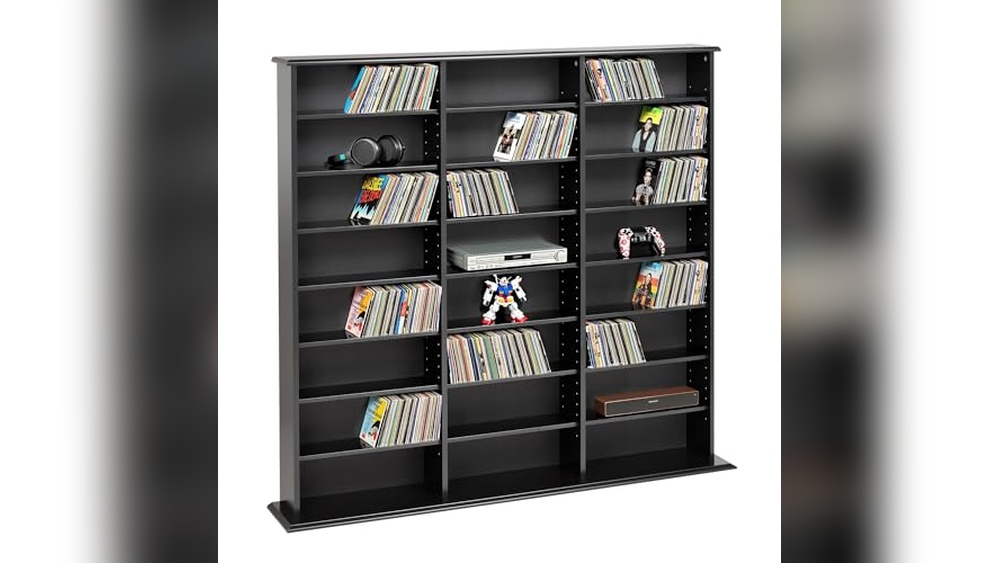
Is your bookshelf wobbling every time you touch it? That shaky feeling isn’t just annoying—it can be unsafe for you and your belongings.
You want a sturdy shelf that holds your books firmly without tipping or shaking. You’ll discover simple and effective ways to stabilize your wobble bookshelf quickly. By the end, you’ll have a solid, steady shelf that keeps your favorite reads safe and your space looking neat.
Keep reading to find easy fixes you can do yourself—no expensive tools or pros needed!
Credit: www.reddit.com
Identify The Cause Of Wobble
Wobbly bookshelves are annoying and unsafe. Before fixing, find the cause of the wobble. Knowing the problem helps you choose the right fix. Some problems are easy to spot, others need a closer look.
Check For Uneven Floor
Uneven floors often cause shelf wobble. Place a level or small ball under each leg. If the ball rolls or the level tilts, the floor is uneven. Moving the shelf to a flat spot can stop the wobble. Use furniture pads or shims to even the legs on an uneven floor.
Inspect Shelf Joints
Loose or broken joints make shelves unstable. Look where shelves connect to the frame. Check for gaps, cracks, or movement. Tighten or fix joints with wood glue or brackets. Strong joints keep the shelf steady and safe.
Look For Loose Screws
Screws hold the shelf parts together. Loose screws cause shaking and noise. Use a screwdriver to tighten all screws. Replace any missing or stripped screws. Secure screws lock the shelf parts firmly in place.
Level The Bookshelf
A wobbly bookshelf can cause items to fall or get damaged. Leveling the bookshelf is a simple way to stop it from shaking. It helps keep your books and decorations safe. You do not need special tools or skills. Just a few easy steps can make your shelf steady.
Start by checking if the bookshelf is uneven. Place a small level tool on the top shelf to see the tilt. This will show which side is higher or lower. Then use these methods to fix the problem.
Use Furniture Levelers
Furniture levelers are small devices you can add to the legs of your bookshelf. They help adjust the height of each leg. You can screw them in or stick them under the legs. This raises the shorter side and evens out the shelf.
Levelers are easy to find at hardware stores or online. Pick ones that fit your bookshelf legs. Adjust the levelers little by little. Check the shelf with a level tool after each change. Stop when the shelf stands firm and balanced.
Add Shims Under Legs
Shims are thin pieces of wood or plastic. You can put them under the legs that do not touch the floor. This fills the gap and stops wobbling.
Cut shims to the needed size. Slide them under the leg carefully. Press the leg down to secure the shim. Check the shelf again for balance. Add or remove shims until the shelf is steady.
Tighten And Reinforce Joints
To stabilize a wobbling bookshelf, tightening and reinforcing its joints is essential. Loose joints cause the shelf to shake and feel unsafe. Strengthening these connections stops the movement and adds durability. Focus on screws, bolts, and wood glue to secure the frame. Adding corner braces also helps hold the structure firmly in place.
Secure Screws And Bolts
Check all screws and bolts on the bookshelf. Use a screwdriver or wrench to tighten them. Loose screws let the shelf move and wobble. Replace any damaged screws with new ones. Make sure bolts are snug but not overly tight. This step improves the bookshelf’s stability instantly.
Apply Wood Glue
Wood glue strengthens joints between boards. Apply glue to the contact points inside the bookshelf. Press the parts together and wipe off excess glue. Use clamps to hold the pieces while drying. The glue hardens and bonds the wood firmly. This reduces movement and adds long-term support.
Install Corner Braces
Corner braces boost stability at the bookshelf’s corners. Attach metal braces using screws at each corner. They prevent side-to-side and front-to-back wobbling. Choose braces that fit your shelf size. Installing them is quick and makes a big difference. The bookshelf feels solid and secure after this step.
Add Support To Shelves
Adding support to your bookshelf shelves helps stop wobbling. Extra support keeps shelves strong and safe. It prevents bending and falling under weight. Small changes can make a big difference in stability.
Insert Additional Brackets
Extra brackets give shelves more strength. Attach them under the shelf, near the middle. Use screws that fit your shelf material. Brackets reduce movement and hold weight better. This simple step keeps books and items secure.
Use L-brackets For Stability
L-brackets add firm support at shelf corners. Fix one side to the shelf and the other to the wall. Make sure to screw into studs for best hold. These brackets stop shelves from tilting or shaking. They are easy to install and very effective.
Anchor Bookshelf To Wall
Anchoring a bookshelf to the wall is a simple way to stop it from wobbling. It keeps the shelf steady and safe, especially in homes with kids or pets. This method also protects your books and items from falling during small shakes or bumps. Follow these steps to secure your bookshelf firmly to the wall.
Choose Suitable Anchors
Select anchors that match your wall type. Drywall needs plastic or metal anchors. For brick or concrete walls, use masonry anchors. Check the weight of your bookshelf before choosing anchors. Heavier shelves require stronger anchors. Use anchors rated to hold more than your shelf’s weight. This choice ensures safety and stability.
Install Wall Straps Or Brackets
Attach wall straps or brackets to your bookshelf and the wall. Place straps near the top for best support. Mark spots on the wall where anchors will go. Drill holes carefully and insert anchors. Screw the straps or brackets tightly. Tightening keeps the shelf close to the wall. This step prevents rocking and stops the shelf from tipping.

Credit: diy.stackexchange.com
Prevent Future Wobbling
Preventing future wobbling helps keep your bookshelf safe and sturdy. A stable shelf protects your books and decor from falling. Small steps can extend the life of your furniture. Regular care and smart placement make a big difference.
Distribute Weight Evenly
Place heavier items on the bottom shelves. Keep lighter objects on top. Avoid putting too much weight on one side. Spread books and decorations across all shelves. Balanced weight stops leaning and wobbling. Check the shelf after adding new items. This simple habit keeps your bookshelf steady.
Regular Maintenance Tips
Inspect your bookshelf every few months. Tighten loose screws and bolts. Replace worn or damaged parts quickly. Clean dust and dirt from joints and legs. Use a level to check for evenness. Fix small problems before they grow. Regular care prevents wobbling and damage.

Credit: www.reddit.com
Frequently Asked Questions
How Can I Stop My Bookshelf From Wobbling?
To stop wobbling, tighten all screws and bolts first. Add anti-tip brackets to secure the bookshelf to the wall. Use furniture levelers or shims under uneven legs to stabilize the base effectively.
What Tools Do I Need To Stabilize A Wobbling Bookshelf?
You’ll need a screwdriver, level, wall anchors, and screws. Optional tools include shims or furniture levelers for uneven floors. Having a stud finder helps when attaching anti-tip brackets to the wall.
Are Anti-tip Brackets Essential For Bookshelf Stability?
Yes, anti-tip brackets are crucial for safety and stability. They prevent the bookshelf from tipping forward, especially under heavy loads. Installing them securely to wall studs enhances overall sturdiness.
Can Shims Help Fix A Wobbly Bookshelf?
Absolutely, shims are great for uneven floors causing wobbling. Place thin wood or plastic shims under the low legs. This balances the bookshelf and reduces movement effectively.
Conclusion
Stabilizing a wobble bookshelf makes your space safer and tidier. Small fixes like tightening screws or adding supports help a lot. Keep checking your shelf often to avoid future wobbles. A steady shelf holds your books and decor without worry.
Taking these simple steps saves you time and stress later. Enjoy a stable, neat bookshelf that lasts longer. Easy to do and worth the effort.