Are you tired of cluttered floors and stacks of books everywhere? Imagine having a sleek, sturdy bookshelf right on your wall that saves space and looks amazing.
Building a bookshelf on your wall is easier than you think, and you don’t need to be a DIY expert to do it. In this guide, you’ll discover simple, step-by-step instructions to create a custom bookshelf that fits your style and needs perfectly.
Ready to transform your space and keep your books organized? Let’s get started!
Credit: sawdustgirl.com
Choosing The Right Bookshelf Style
Choosing the right bookshelf style is key to building a wall-mounted shelf that fits your space and needs. Different styles offer unique looks and functions. This choice affects how your room feels and how much storage you get.
Think about your room’s size and style. Consider the weight and number of books or items you want to store. The right style makes your wall shelf both useful and attractive.
Floating Shelves
Floating shelves have no visible supports. They attach directly to the wall, creating a clean, modern look. These shelves save floor space and make rooms appear larger. They work well for light to medium items like books or decorations. Floating shelves are easy to customize in size and color.
Built-in Shelves
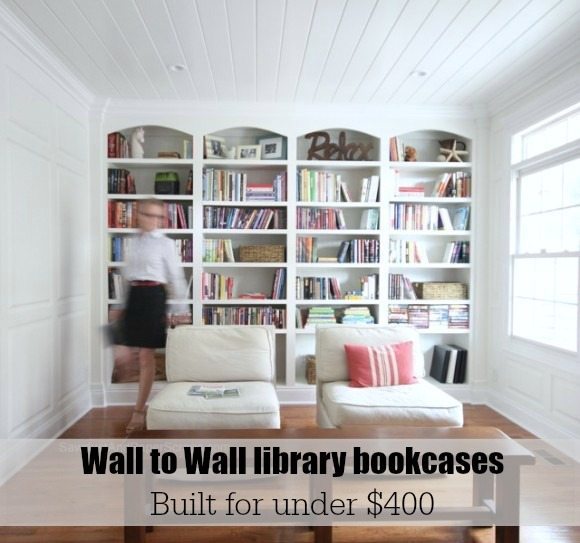
Built-in shelves fit inside wall recesses or are framed into the wall. They offer a seamless, classic look and use space efficiently. These shelves can hold heavy books and many items. Built-in shelves often add value to a home. Installation takes more time and skill but results in sturdy, long-lasting storage.
Ladder Shelves
Ladder shelves lean against the wall with a wide base and narrow top. They add a casual, stylish touch to any room. Ladder shelves are easy to move and do not require permanent mounting. They suit small spaces and can display books, plants, and decor. These shelves usually hold lighter items and are perfect for renters.
Credit: www.artsychicksrule.com
Selecting Materials And Tools
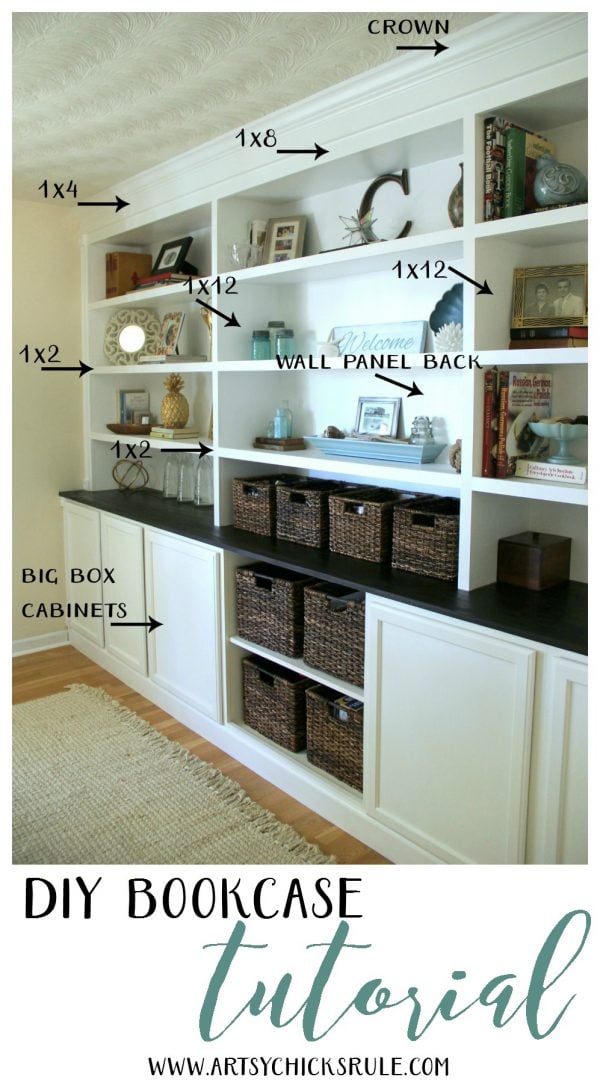
Selecting the right materials and tools is key for a strong, lasting bookshelf. The choices you make affect the shelf’s look and how much weight it can hold. Start with good wood. Pick the tools that make building easier and safer. Don’t forget the hardware. The right screws and brackets keep the shelf steady and secure. This section helps you choose the best options for your project.
Types Of Wood
Wood choice changes the shelf’s style and strength. Pine is light and easy to cut. It costs less but dents easily. Oak is tough and lasts longer. It has a nice grain but is harder to work with. Plywood is a mix of wood layers glued together. It’s strong and less likely to warp. Choose wood based on the shelf’s use and your skill.
Essential Tools
A few basic tools make building smooth. A drill helps make holes and drive screws fast. A level checks if your shelf is straight. A saw cuts wood to the right size. Sandpaper smooths rough edges. A tape measure ensures exact measurements. A stud finder helps locate wall studs for secure mounting. These tools keep your project safe and neat.
Hardware And Fasteners
Good hardware holds the shelf firmly on the wall. Use screws that fit the wood thickness. Wall anchors add extra support on drywall. Brackets hold the shelves steady and prevent sagging. Pick hardware that matches your shelf size and weight needs. Tight, secure fasteners keep your books safe.
Measuring And Planning
Measuring and planning are the first steps to build a sturdy bookshelf on your wall. These steps help you avoid mistakes and save time. A well-planned project fits perfectly in your space and holds your books safely.
Finding The Perfect Wall Space
Choose a wall that is free of obstacles like doors or windows. Look for a flat surface without cracks or damage. Measure the height and width of the wall area available. Make sure the space matches your room’s style and traffic flow.
Determining Shelf Dimensions
Decide how many shelves you want and the distance between them. Think about the size of your books and items. Use a tape measure to note the length and depth of each shelf. Keep shelves wide enough to hold books without tipping over.
Marking Anchor Points
Use a pencil to mark where the brackets or supports will go. Find the wall studs with a stud finder for strong support. Mark points at even distances and level them using a spirit level. Proper anchor points keep shelves steady and secure.

Credit: www.youtube.com
Preparing The Wall
Preparing the wall is an important step before building a bookshelf. A strong and stable wall will hold the weight of your books and shelves. Taking time to prepare the wall helps avoid damage and keeps your bookshelf safe.
Locating Studs
Studs are the wooden beams inside the wall. They provide strong support for heavy items. Use a stud finder to locate them. Mark the stud positions with a pencil. Attach your bookshelf brackets to the studs for better strength. Avoid drywall alone because it is not strong enough.
Wall Anchors And Supports
Wall anchors help hold screws in drywall. Use anchors if you cannot find studs. Choose anchors that match the weight of your bookshelf and books. Plastic anchors work for light loads. Metal anchors are better for heavy shelves. Proper anchors keep the shelf from falling.
Surface Preparation
Clean the wall surface before installation. Remove dust, dirt, and grease. A clean wall helps paint or anchors stick better. Fill holes or cracks with spackle. Sand smooth after it dries. A flat surface makes shelf installation easier and safer.
Cutting And Assembling Shelves
Cutting and assembling shelves is a key step in building a bookshelf on the wall. This process shapes the wood into the right size and puts the pieces together. Proper cutting and assembly help the shelf look good and hold weight safely. Follow clear steps for best results.
Measuring And Cutting Wood
Start by measuring the space for your shelves. Use a tape measure to get exact lengths. Mark the wood with a pencil where you will cut. Use a saw to cut along the lines carefully. Cut slowly to avoid splinters or uneven edges. Double-check each piece after cutting to ensure correct size.
Sanding And Finishing
After cutting, sand the wood to smooth rough edges. Use sandpaper or a sanding block for even surfaces. Sand all sides, especially corners, to prevent splinters. Wipe off dust with a clean cloth. Apply paint or wood finish to protect and improve the look. Let the finish dry before moving on.
Assembling Components
Lay out all shelf parts on a flat surface. Use wood glue on edges that join together. Clamp parts gently to hold while glue dries. Screw the pieces for extra strength, using a drill or screwdriver. Check that shelves are square and level before fixing them to the wall. Tighten all screws for a secure fit.
Mounting The Bookshelf
Mounting the bookshelf on your wall is a key step to keep it safe and steady. Proper mounting prevents the shelf from falling or tilting. Follow simple steps to attach brackets, secure shelves, and check stability. This process ensures your bookshelf holds books well and lasts long.
Attaching Brackets Or Supports
Start by choosing strong brackets for your shelf. Mark spots on the wall where brackets will go. Use a level to keep marks even. Drill holes at the marks and insert wall anchors for extra strength. Screw the brackets firmly into the anchors. Make sure brackets do not wobble.
Securing Shelves To Wall
Place the shelf on the mounted brackets. Check the fit and adjust if needed. Use screws to attach the shelf to the brackets. Screw through the bracket holes into the shelf bottom. Tighten screws so the shelf stays fixed. Avoid gaps between the shelf and wall.
Ensuring Level And Stability
Use a level tool on the shelf surface. Adjust brackets or screws if the shelf is not straight. Press gently on the shelf to test stability. Tighten any loose screws for a firm hold. Double-check all connections before placing books on the shelf.
Finishing Touches
Finishing touches bring your wall bookshelf to life. They give it style and function. Small details make a big difference. Let’s explore how to make your shelf look perfect and work well.
Painting And Staining
Choose paint or stain that matches your room’s style. Paint offers bright, bold colors. Stain shows the wood’s natural beauty. Use smooth, even strokes. Let each coat dry fully. This protects the wood and looks neat.
Adding Decorative Elements
Decorative items add charm and personality. Try small plants, picture frames, or art pieces. Use baskets or boxes for hidden storage. Keep decorations balanced and not crowded. This keeps your shelf tidy and pretty.
Organizing Books And Accessories
Sort books by size, color, or subject. Stand books upright or stack them. Mix books with accessories for interest. Leave space for easy access. A well-organized shelf feels calm and inviting.
Common Mistakes To Avoid
Building a bookshelf on the wall can be a fun project. Yet, some mistakes can cause problems later. Avoiding these errors saves time, money, and effort. Here are the common mistakes to watch out for.
Ignoring Wall Strength
Not all walls are strong enough to hold shelves. Drywall alone cannot support heavy books. Always check if the wall has studs or solid backing. Use a stud finder to locate strong points. Mounting shelves only on drywall can cause them to fall.
Poor Measurement
Wrong measurements lead to uneven shelves and poor fit. Measure twice before cutting or drilling. Use a level to keep shelves straight. Small errors can make a big difference in the final look. Take your time to ensure accuracy.
Overloading Shelves
Books and items can be heavy. Putting too much weight on shelves causes sagging or collapse. Know the weight limit of your materials. Distribute weight evenly across the shelf. Use brackets or supports if needed for extra strength.
Frequently Asked Questions
What Tools Are Needed To Build A Bookshelf On The Wall?
You need a drill, level, stud finder, screws, anchors, measuring tape, and a screwdriver. These ensure proper installation and safety.
How Do I Find Studs For Mounting A Wall Bookshelf?
Use a stud finder to locate studs behind the drywall. Mark their positions for secure shelf support.
What Materials Are Best For A Wall-mounted Bookshelf?
Choose solid wood or plywood for strength. Use sturdy brackets or floating shelf supports for durability.
How Can I Ensure My Wall Bookshelf Is Level?
Use a bubble level while marking and installing shelves. This prevents crooked shelves and uneven weight distribution.
Conclusion
Building a bookshelf on the wall adds space and style to any room. Follow each step carefully for a safe, strong shelf. Use the right tools and materials to keep your books secure. Take your time and measure twice before drilling.
A well-built shelf lasts for years and looks great. Enjoy your new space for books, decor, or storage. Small projects like this boost confidence and skills. Give it a try—you might surprise yourself with what you create.