Is your bunk bed making annoying squeaky sounds every time you move? That creaky noise can disrupt your sleep and even make you feel uneasy in your own room.
You don’t have to live with it or replace the whole bed. With a few simple steps, you can make your bunk bed quiet and sturdy again. Keep reading, and you’ll discover easy fixes that save you time, money, and frustration.
Your peaceful nights start here.
Identify The Squeak Source
Finding the source of a squeaky bunk bed is the first step to fix it. Squeaks often come from parts that rub or move. Checking these areas carefully helps stop the noise fast. Let’s break down where to look for the squeak.
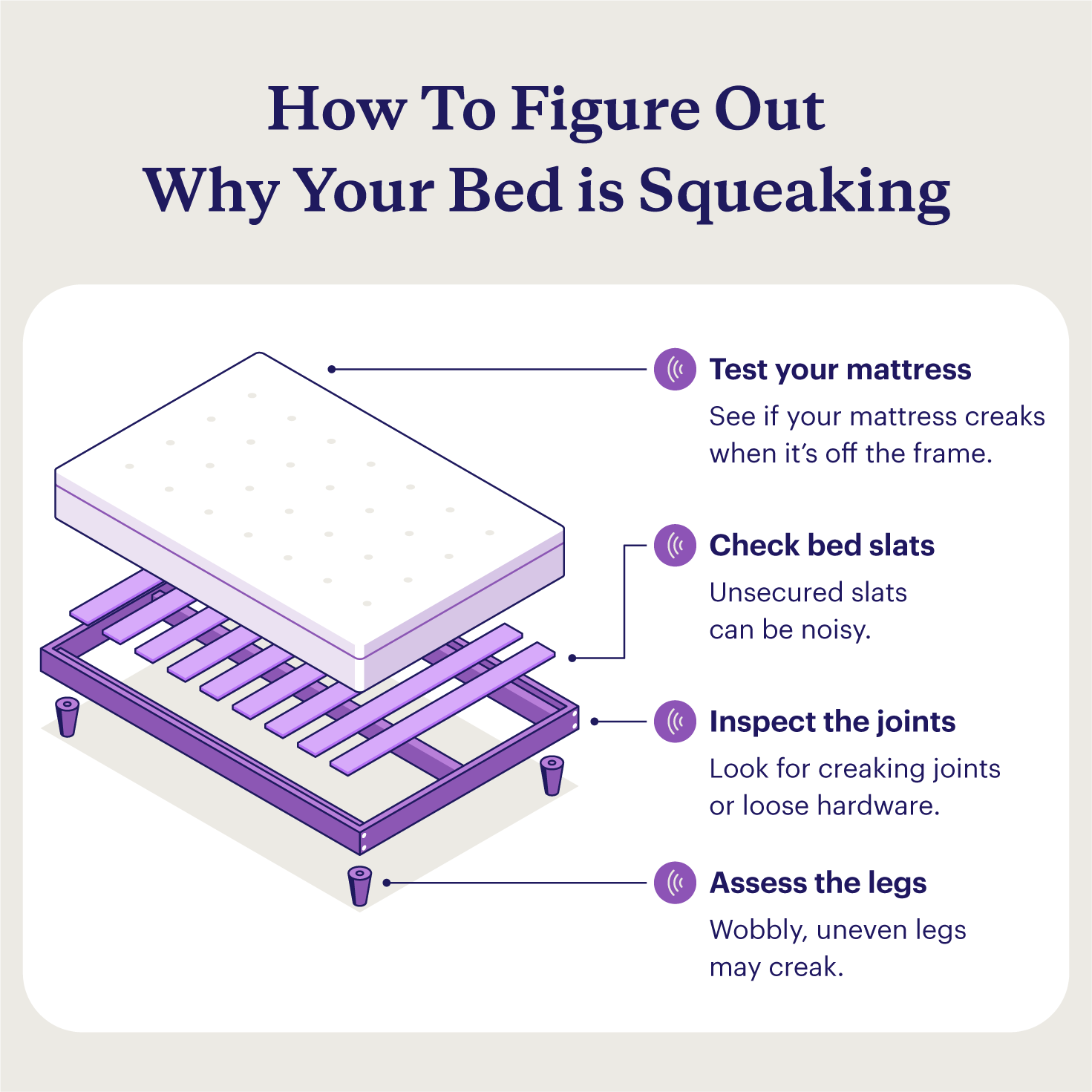
Check Bed Frame Joints
Bed frame joints connect different parts of the bunk bed. These joints can loosen over time. Loose joints cause wood or metal to rub together. Check each joint by pressing and moving it slightly. Listen closely for any squeaking sounds. Tighten or adjust any loose joints you find.
Inspect Mattress Support
The mattress support holds the mattress in place. It can be slats, a board, or a metal grid. Sometimes, these supports shift or bend. This movement causes noise when weight presses down. Lift the mattress and check the support carefully. Make sure it is stable and fits well.
Look For Loose Screws And Bolts
Screws and bolts keep the bed parts tight. Over time, they can get loose from use. Loose hardware lets parts move and rub, causing squeaks. Use a screwdriver or wrench to check all screws and bolts. Tighten any that feel loose but do not overtighten.

Credit: www.youtube.com
Tighten Loose Hardware
Tightening loose hardware is the first step to stop a bunk bed from squeaking. Over time, screws and bolts can become loose. This causes movement and noise when the bed is used. Fixing these parts helps make the bed more stable and quiet.
Use The Right Tools
Choose the correct tools for your bunk bed. Common tools include a screwdriver and a wrench. Using the right size helps avoid damage. It also makes tightening easier and faster.
Secure All Screws And Bolts
Check every screw and bolt on the bunk bed. Tighten each one firmly but not too tight. Loose fasteners cause the bed to wobble and squeak. Secure hardware keeps the bed steady and safe.
Replace Damaged Fasteners
Look for screws or bolts that are stripped or rusted. These parts do not hold tight anymore. Replace damaged fasteners with new ones of the same size. New hardware improves bed stability and reduces noise.
Lubricate Moving Parts
Squeaky bunk beds can be annoying and disturb sleep. One simple fix is to lubricate the moving parts. This reduces friction between metal or wooden joints. Less friction means less noise. Proper lubrication keeps the bed quiet and smooth. It also helps the bed last longer by preventing wear. Follow these steps to choose and apply lubricant correctly.
Choose Appropriate Lubricants
Select a lubricant that works well on metal or wood. Silicone spray is good for most parts. It does not attract dust or dirt. Graphite powder works well on locks and hinges. Avoid using heavy oils that can drip or stain. Choose lubricants safe for indoor use and easy to clean.
Apply To Joints And Connections
Focus on all moving parts like screws, bolts, and hinges. Spray or apply lubricant directly on these spots. Move the bed parts to spread the lubricant evenly. Make sure the lubricant reaches tight spaces. This helps stop the creaks and squeaks at the source.
Avoid Over-lubrication
Too much lubricant can cause problems. Excess oil can drip onto floors or bedding. It may attract dust, making the bed dirtier. Use just enough to cover the moving parts lightly. Wipe away any extra with a clean cloth. This keeps the bed clean and noise-free.
Add Padding And Padding Alternatives
Adding padding or padding alternatives can stop your bunk bed from squeaking. Padding softens the hard contact points where wood or metal rub together. This reduces noise and makes the bed feel sturdier. You do not need special tools or skills to apply padding. Small changes can make a big difference in comfort and quietness.
Use Felt Pads Or Rubber Washers
Felt pads are soft and thin. Stick them where wood or metal parts touch. This cuts down friction and noise. Rubber washers work well too. Place them between screws and wood to absorb movement. Both options are cheap and easy to find. They help your bunk bed stop creaking with little effort.
Apply Fabric Or Tape
Wrap fabric strips around noisy joints. Cotton or old cloth works fine. You can also use duct tape or electrical tape. Cover the parts that rub together. The fabric or tape adds a soft layer to reduce sound. Replace the tape if it wears out. This method is quick and keeps your bed quieter.
Consider Foam Or Rubber Strips
Foam strips cushion hard surfaces well. Cut them to fit the bed frame joints. Rubber strips also absorb shocks and reduce noise. Attach them with glue or tape. These strips last longer than fabric or felt. They provide steady padding and make your bunk bed feel more stable.
Reinforce Mattress Support
A squeaky bunk bed often needs better mattress support. Strengthening this support can cut down noise and make the bed feel solid. The mattress rests on slats or boards. These parts can weaken or bend over time. Fixing or adding to them helps stop creaks. Below are simple ways to reinforce mattress support.
Add Extra Slats Or Boards
Extra slats spread weight more evenly. They fill gaps where old slats are too far apart. Use strong wood slats that match the size of the original ones. Lay them across the frame, spacing them evenly. Tighten screws or nails to hold them in place. More slats mean less pressure on each one. This reduces noise and makes the bed sturdy.
Check For Warped Supports
Warped slats or boards cause uneven support. They bend and move, making the bed squeak. Take out each slat and check for bends or cracks. Replace any warped pieces with straight, strong wood. Use a level to ensure the supports lie flat. Flat, firm supports keep the mattress steady and quiet.
Use Plywood For Stability
Plywood provides a solid base for the mattress. Cut a sheet of plywood to fit the bunk bed frame. Place the plywood on top of the slats or boards. This spreads weight evenly and stops slats from moving. Screw the plywood down to keep it in place. A plywood base makes the bed firm and reduces noise.
Credit: purple.com
Maintain Regular Checks
Maintaining regular checks on your bunk bed helps keep it sturdy and quiet. Small problems can turn into big noises over time. Simple, regular care stops squeaks before they start. This saves effort and keeps the bed safe and comfortable.
Schedule Routine Inspections
Set a specific time every month to check the bunk bed. Look for loose screws, worn parts, or any movement. Regular checks catch issues early. This avoids sudden noises or unsafe conditions.
Address Squeaks Early
Notice a small squeak? Act quickly. Tighten screws and add lubricant to joints. Fixing squeaks early stops them from getting worse. It also keeps the bed peaceful and solid.
Keep Hardware Tight Over Time
Screws and bolts loosen with use. Check and tighten all hardware regularly. Use the right tools to avoid damage. Keeping hardware tight makes the bed strong and quiet. It also extends the bed’s life.
Credit: www.sleepadvisor.org
Frequently Asked Questions
How Can I Stop My Bunk Bed From Squeaking?
Tighten all bolts and screws regularly. Apply lubricant like WD-40 to joints. Use felt pads between wood parts to reduce friction and noise.
What Household Items Reduce Bunk Bed Squeaks?
Use wax, soap, or graphite powder on noisy joints. Rubber or felt pads between bed parts also absorb noise and prevent squeaking effectively.
Why Does My Bunk Bed Squeak When I Move?
Squeaking occurs due to loose bolts, friction between wood or metal parts, and lack of lubrication. Regular maintenance prevents these issues.
Can Tightening Bolts Stop Bunk Bed Squeaks Completely?
Yes, tightening loose bolts and screws often stops squeaking. Check and tighten all hardware regularly for best results.
Conclusion
A squeaky bunk bed can disturb sleep and cause annoyance. Tightening screws and adding lubrication often stops the noise. Checking joints and replacing worn parts helps too. Regular care keeps the bed quiet and safe. Small fixes make a big difference in comfort.
Enjoy peaceful nights with a quiet bunk bed. Simple steps create a better sleep space. Quiet beds mean happier mornings for everyone.