Creating a study space under your bottom bunk bed can be a game-changer for your focus and productivity. Imagine having a cozy, organized spot where everything you need is within reach, and distractions fade away.
You’ll discover simple, smart ways to transform that under-bed area into your perfect study nook. Whether you’re short on space or just want a private corner, this guide will help you design a setup that works for you. Ready to make your bottom bunk bed more than just a place to sleep?
Let’s dive in.

Credit: www.amazon.com
Choosing The Right Location
Choosing the right location for a study space under a bottom bunk bed is important. It helps create a quiet and comfortable area for focus. The right spot makes studying easier and more enjoyable. Keep in mind space, light, and distractions.
Maximizing Available Space
Use the area under the bottom bunk wisely. Measure the space before setting up a desk or chair. Pick furniture that fits well without crowding. Shelves or organizers can keep supplies neat. Clear space helps keep the study area inviting and easy to use.
Considering Natural Light
Place the study spot near a window if possible. Natural light helps reduce eye strain and improves mood. Avoid harsh sunlight that causes glare on screens or books. Use curtains or blinds to control light levels. Good lighting makes studying less tiring.
Minimizing Distractions
Pick a quiet corner away from noise and activity. Avoid placing the study space near doors or busy areas. Keep toys, gadgets, and other distractions out of reach. Use soft colors and simple decor to stay calm. A distraction-free zone boosts focus and learning.
Selecting Functional Furniture
Choosing the right furniture makes a big difference in a study space under a bottom bunk bed. The furniture must fit the small space and support good study habits. Functionality and comfort are key. Each piece should help keep the area tidy and inviting. This helps create a focused study corner that feels just right.
Compact Desks For Small Areas
Desks designed for tight spaces work best under bottom bunk beds. Look for desks with a small footprint but enough surface for books and a laptop. Foldable or wall-mounted desks save even more room. A compact desk keeps the study area neat without crowding. It lets the student sit comfortably while studying.
Ergonomic Chairs For Comfort
Comfort supports longer study sessions. Choose chairs with good back support and adjustable height. Ergonomic chairs reduce strain on the back and neck. Lightweight chairs are easy to move if needed. Comfortable seating helps maintain focus and prevents tiredness.
Storage Solutions For Organization
Storage keeps the study space clean and organized. Use shelves, drawers, or bins that fit under the desk or bed. Vertical storage saves floor space and holds books and supplies. Organized storage means less clutter and quicker access to study materials. A tidy space creates a calm study environment.
Optimizing Lighting
Optimizing lighting in a bottom bunk bed study space is key for comfort and focus. Good lighting reduces eye strain and helps keep energy levels up. It also creates a cozy, inviting area that encourages study time.
Choose the right mix of lighting types. Task lighting shines directly where you need it. Ambient lighting fills the space with soft, even light. Energy-efficient fixtures save power and lower costs. Each type plays a role in a well-lit study space.
Task Lighting Options
Task lighting focuses light on your work area. A clip-on LED lamp fits well on a bunk bed frame. It saves space and directs light exactly where needed. Adjustable desk lamps also work if there’s a small desk or table. Bright, white light helps you read and write clearly.
Ambient Lighting Ideas
Ambient lighting sets the room’s overall mood. Soft LED strips along the bed frame add gentle light. Wall-mounted sconces free up space and provide a warm glow. Avoid harsh overhead lights that create shadows. Warm tones create a calm, relaxing study spot.
Energy-efficient Fixtures
Choose LED bulbs for long life and low energy use. They run cool and last much longer than old bulbs. Battery-powered lamps with rechargeable batteries reduce cords. Solar-powered lights can work if near a window. Energy efficiency keeps the study space green and cost-effective.
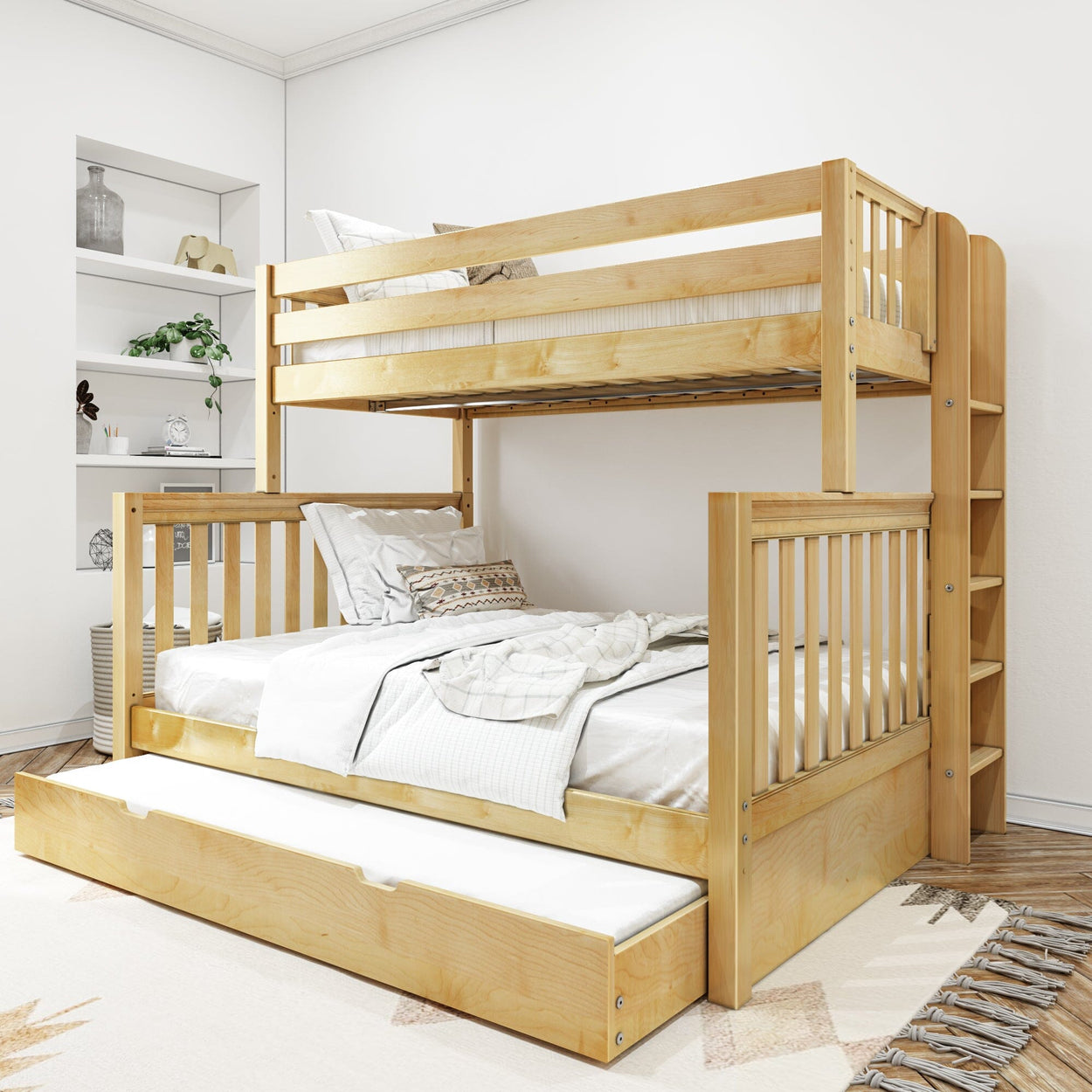
Credit: www.maxtrixkids.com
Incorporating Smart Storage
Creating a study space under a bottom bunk bed can be tricky due to limited room. Smart storage helps keep this small area neat and organized. It makes the space practical and pleasant to use every day. Clever storage solutions save space and reduce clutter. This section explores three smart storage ideas to boost your study area’s efficiency.
Under-desk Organizers
Under-desk organizers use the space beneath the desk. They store stationery, notebooks, and small items neatly. These organizers keep supplies within easy reach. They prevent piles of clutter from building up on the desk surface. Choose organizers with multiple compartments to separate items clearly. This method keeps the study area tidy and focused.
Wall-mounted Shelves
Wall-mounted shelves add vertical storage without taking floor space. Place them above or beside the study desk. Use shelves to hold books, folders, or decorative items. They keep important materials visible and accessible. Shelves help free up the desk for writing or laptop use. Installing shelves at eye level makes the space feel open and organized.
Multi-purpose Furniture
Multi-purpose furniture serves more than one function in the study space. Examples include desks with built-in drawers or beds with storage compartments. These pieces reduce the need for extra furniture. They combine storage and workspace efficiently. Multi-purpose furniture fits well under a bunk bed. It maximizes small spaces and keeps the area clutter-free.
Adding Personal Touches
Adding personal touches to a study space makes it feel special and inviting. It helps create a place where focus comes easily. The bottom bunk bed area can become more than just a sleeping spot. It can turn into a cozy and inspiring study nook. Personal items bring comfort and boost motivation.
Decorative Elements
Choose decorations that reflect your style and interests. Small plants can add life and color. Use colorful storage bins to keep supplies tidy. String lights create a warm and soft glow. These simple items brighten the space and make it welcoming.
Inspiring Wall Art
Hang posters or prints with positive messages. Choose art that motivates and encourages learning. Photos of loved ones or favorite places add warmth. Cork boards or whiteboards help display notes and reminders. Wall art keeps the study area lively and focused.
Comfort Accessories
Include cushions and soft blankets for comfort. A cozy chair or bean bag helps long study hours. A small rug under the desk adds warmth. Comfort makes studying easier and less tiring. These accessories turn the space into a relaxing zone.
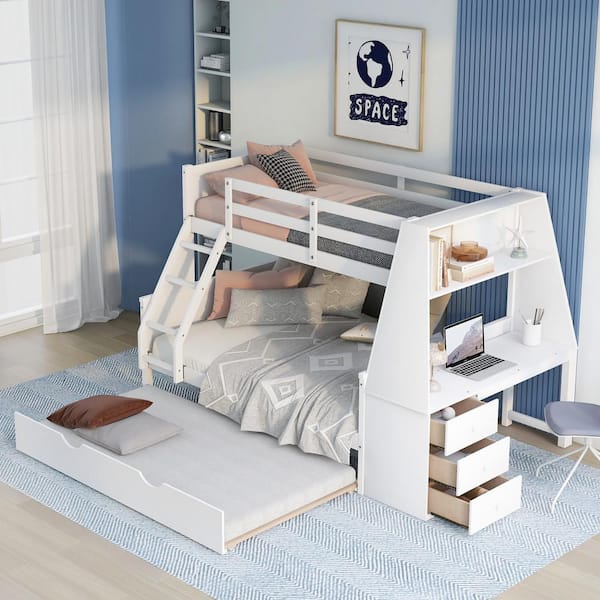
Credit: www.homedepot.com
Ensuring Good Ventilation
Good ventilation is key for a comfortable study space under a bottom bunk bed. Fresh air helps keep the area cool and prevents stuffiness. It also improves focus and reduces tiredness. Proper airflow can make a small space feel larger and more inviting.
Airflow Tips
Keep the study area near a window if possible. Open the window to let fresh air in. Use light curtains to allow air to pass through while blocking bright light. Avoid placing large objects that block air movement. Arrange furniture to create a clear path for air to flow.
Using Fans Or Air Purifiers
Small fans help move air in tight spaces. Place a fan on a desk or shelf to keep air circulating. Use a quiet fan to avoid noise distractions. Air purifiers remove dust and allergens, improving air quality. Choose a compact purifier that fits under the bed. Clean filters regularly to keep air fresh.
Maintaining A Cozy Atmosphere
Creating a study space under a bottom bunk bed needs more than just a desk and chair. Maintaining a cozy atmosphere helps make the space inviting and comfortable. A warm, calm area encourages longer focus and less stress.
Soft materials, warm colors, and quiet surroundings all play a role. These elements work together to create a peaceful study nook. This section explains simple ways to keep your bottom bunk study area cozy.
Soft Textiles And Rugs
Use soft cushions and blankets to add comfort. A small rug can warm up the floor and reduce noise. Choose fabrics that feel nice and are easy to clean. Soft textiles make sitting or lying down more pleasant during breaks.
Warm Color Palettes
Select colors like beige, soft yellow, or light brown. These shades make the space feel calm and inviting. Avoid very bright or dark colors that can cause eye strain. Warm tones help relax the mind and improve focus.
Noise Reduction Techniques
Place sound-absorbing items like thick curtains or foam panels nearby. Use a white noise machine or soft music to block distractions. Keep the study area away from loud rooms or hallways. Reducing noise helps maintain concentration and calmness.
Frequently Asked Questions
How Can I Maximize Space Under A Bottom Bunk Bed?
Use storage bins, shelves, or drawers under the bottom bunk. Organize items neatly to keep the study space clutter-free and efficient.
What Lighting Is Best For A Bottom Bunk Study Area?
Choose bright, adjustable LED lights. They reduce eye strain and provide focused illumination for reading and writing.
How Do I Keep A Bottom Bunk Study Space Comfortable?
Add cushions, ergonomic chairs, and proper ventilation. A cozy, well-ventilated area encourages longer, more productive study sessions.
Which Desk Options Fit Well Under Bottom Bunk Beds?
Compact desks, wall-mounted foldable tables, or rolling carts work well. These save space while providing enough surface for studying.
Conclusion
Creating a study space under a bottom bunk bed saves room and adds comfort. Keep the area tidy and bright for better focus. Choose simple furniture that fits well and feels cozy. Use shelves or hooks to organize books and supplies.
Make the space personal with favorite colors or small decorations. A neat, quiet spot helps improve study time and learning. Small changes can make a big difference in your daily routine. Enjoy your new study nook and stay motivated every day.