Are you wondering how soon you can switch your little one to a toddler bed? Making this change is a big step for both you and your child.
You want to make sure it’s the right time—so your child feels safe, comfortable, and ready. But how do you know when that moment has arrived? Keep reading to discover clear signs to watch for, expert tips to make the transition smooth, and answers to your most common questions.
This guide will help you make the best choice for your family’s sleep routine.
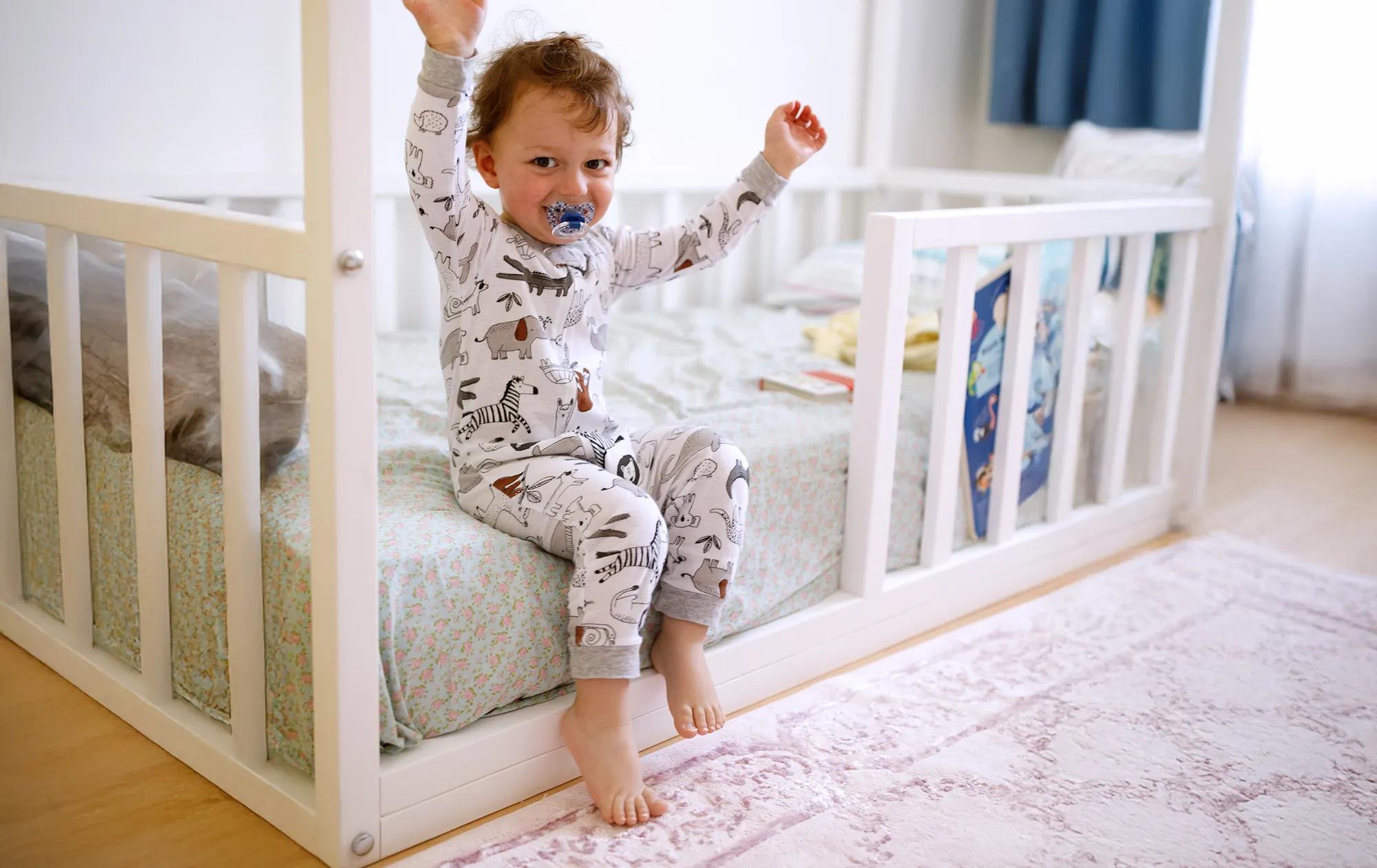
Credit: health.clevelandclinic.org
Signs Your Child Is Ready
Deciding to switch your child to a toddler bed is an important step. Knowing the right time helps make the change smooth. Children show clear signs when they are ready for a toddler bed. These signs come in different forms. They can be physical, behavioral, or related to sleep habits. Understanding these signals can guide parents in making the switch safely and confidently.
Physical Growth Indicators
Your child may outgrow the crib size. They might try climbing out of the crib. This can be risky and cause falls. When your child’s height or weight exceeds crib limits, it is time to switch. A toddler bed gives more room to move safely. Physical readiness is often the first sign to watch for.
Behavioral Changes
Children start showing more independence as they grow. They may want to get out of bed alone. Some may resist staying in the crib. Others might express excitement about a “big kid” bed. These behaviors suggest your child is ready for more freedom. A toddler bed matches their growing need for autonomy.
Sleep Patterns
Changes in sleep can signal readiness. Your child may wake often or find the crib uncomfortable. They might start sleeping longer and more soundly in different places. Some children ask to sleep in a regular bed. Watching these sleep changes helps decide the best time for the switch. A toddler bed can improve sleep quality and comfort.
Choosing The Right Toddler Bed
Choosing the right toddler bed is key for a smooth transition from crib to bed. It helps your child feel safe and comfortable. The bed should fit your child’s size and sleeping habits. It also needs to match your home space and style.
Focus on beds that offer safety and comfort. This reduces worries for parents and makes bedtime easier for toddlers. Let’s explore the types of toddler beds, safety features to consider, and tips for mattress and bedding.
Types Of Toddler Beds
Toddler beds come in many styles. Some look like mini versions of adult beds. Others have fun themes to excite your child. Convertible beds grow with your child and last longer. Low-to-the-ground beds help toddlers get in and out safely. Choose a style that fits your child’s personality and room size.
Safety Features To Look For
Safety is the top priority. Look for beds with guardrails to prevent falls. Rounded edges avoid sharp corners. The bed should be sturdy and stable. Check for non-toxic paint and materials. Make sure the bed meets safety standards. These features protect your child during sleep and play.
Mattress And Bedding Tips
Pick a mattress that fits the bed snugly. It should be firm to support your toddler’s body. Avoid mattresses that are too soft or thick. Use fitted sheets made of breathable fabrics. Keep pillows and heavy blankets away to reduce suffocation risk. Clean bedding regularly to keep the bed fresh and safe.
Making The Transition Smooth
Switching to a toddler bed is a big step for your child. It can bring excitement and some worries too. Making this change smooth helps your child feel safe and happy. A calm approach sets a positive tone for bedtime. Here are some ways to make the transition easier.
Preparing The Room
Start by making the room cozy and safe. Remove any sharp or dangerous items. Use soft lighting to create a calm space. Add your child’s favorite toys or blankets. This makes the new bed feel familiar and inviting. Keep the room tidy to avoid distractions.
Establishing A Bedtime Routine
Set a simple and consistent bedtime routine. Bath time, story time, and quiet songs work well. Follow the same steps every night. This helps your child know what to expect. A routine builds comfort and reduces fear. It signals that sleep time is near.
Involving Your Child
Let your child join in the process. Allow them to pick their bed sheets or stuffed animals. Talk about the new bed and how special it is. Encourage your child to share feelings about the change. Involvement creates excitement and trust. It helps your child feel proud and ready.
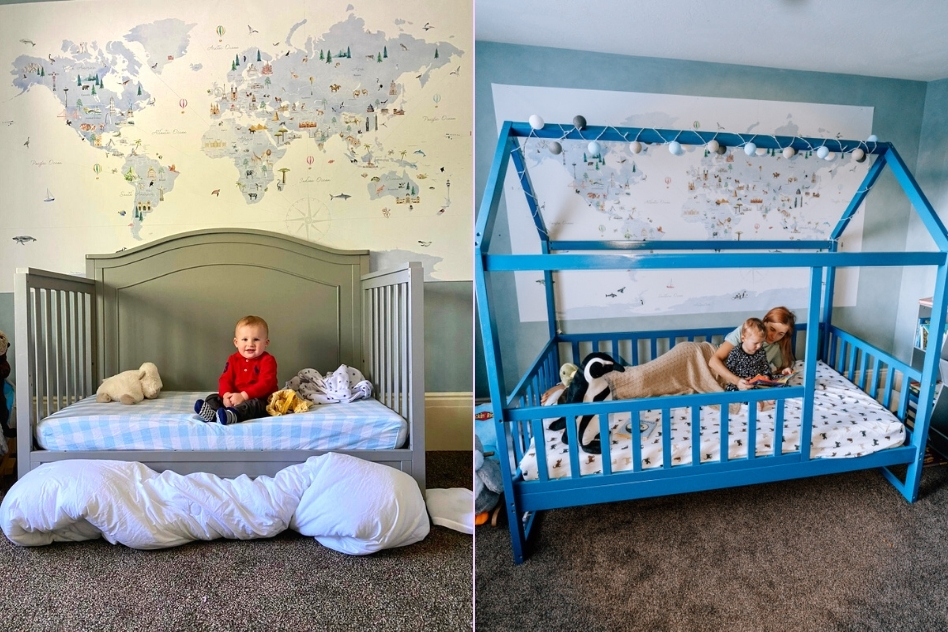
Credit: annainthehouse.com
Common Challenges And Solutions
Switching to a toddler bed brings new challenges for both parents and children. Understanding these common issues helps ease the transition. Simple solutions make the process smoother and less stressful.
Nighttime Fears
Toddlers often feel scared in a new bed. The open space can seem big and strange. Shadows or noises may cause worry. Comfort items like a favorite blanket help. A night light can reduce fear. Talking calmly about their feelings also works well.
Bedtime Resistance
Some toddlers may refuse to stay in bed. They want to play or seek attention. Setting a clear bedtime routine helps. Consistency is key every night. Praise and small rewards encourage good behavior. Calm but firm responses keep them on track.
Accidents And Cleanups
Accidents are common during this stage. Toddlers may not reach the potty in time. Waterproof mattress covers protect the bed. Keep cleaning supplies ready for quick cleanup. Encourage bathroom visits before bedtime. Patience helps parents handle accidents calmly.
Expert Advice For Parents
Switching to a toddler bed is a big step for both parents and children. Expert advice helps parents make the right choice. It ensures safety and comfort during this change. Understanding when and how to switch can ease the transition.
When To Consult A Pediatrician
Talking to a pediatrician is important before switching beds. They can check your child’s growth and development. Pediatricians can spot any health issues affecting sleep. They offer personalized advice based on your child’s needs.
If your child shows fear or anxiety about the new bed, ask your doctor. Pediatricians help address sleep problems early. Their guidance supports a smooth and safe transition.
Balancing Flexibility And Consistency
Flexibility helps your child adjust to the new bed at their own pace. Consistency with bedtime routines creates a sense of security. Keep regular sleep times even after switching beds.
Allow your child to explore the new bed during playtime. This reduces fear and builds comfort. Consistent rules about bedtime help reduce confusion and resistance.
Encouraging Independence
The toddler bed offers a chance to promote independence. Let your child choose their bed sheets or stuffed toys. This makes the new bed feel personal and inviting.
Teach your child how to get in and out safely. Praise their efforts to sleep alone. Encouraging independence builds confidence and self-reliance in toddlers.
Credit: health.clevelandclinic.org
Frequently Asked Questions
When Is The Right Age To Switch To A Toddler Bed?
Most toddlers transition between 18 months and 3 years old. Watch for signs like climbing out of the crib or showing interest in a bed. Safety and readiness are key factors for a smooth switch.
What Signs Show My Child Is Ready For A Toddler Bed?
Look for your child climbing out of the crib or expressing desire for a “big kid” bed. Also, consistent sleeping through the night indicates readiness. These signs help ensure a safe and comfortable transition.
How Can I Make The Toddler Bed Transition Easier?
Keep bedtime routines consistent and introduce the bed gradually. Use familiar bedding and allow your child to pick a special blanket or toy. Positive reinforcement helps your toddler feel secure and excited about the new bed.
Is It Safe To Switch To A Toddler Bed Too Early?
Switching too early can increase fall risks and disrupt sleep. Ensure your child can follow basic safety rules and is physically ready. Prioritize safety to prevent injuries and ensure a good night’s rest.
Conclusion
Switching to a toddler bed depends on your child’s readiness. Watch for signs like climbing out of the crib or showing interest in a bigger bed. Safety matters most, so choose a bed with guardrails. Let your child take time to adjust at their own pace.
A smooth transition helps your child feel secure and comfortable. Remember, every child is different. Trust your instincts and enjoy this new stage together.