Getting your toddler to stay in their bed can feel like a daily challenge. You’ve tucked them in, said goodnight, and yet, a few minutes later, there they are—out of bed and back in your room.
It’s frustrating, exhausting, and can disrupt everyone’s sleep. But what if you could turn this struggle around? What if your toddler could learn to stay in their own bed all night? You’ll discover simple, practical tips that really work. You’ll learn how to create a bedtime routine that your child loves and how to gently encourage them to stay where they belong.
Keep reading, because a peaceful night’s sleep might be just a few steps away.
Create A Cozy Sleep Space
Creating a cozy sleep space helps toddlers feel safe and relaxed in their bed. A warm, inviting room can make bedtime easier. Toddlers love places that feel just right for them.
Comfort and familiarity help children stay in bed longer. Setting up their space with care shows you understand their needs. This builds trust and encourages good sleep habits.
Choose The Right Bed
Pick a bed that fits your toddler’s size and age. A bed too big or too small feels uncomfortable. Low beds or toddler beds with guardrails work well. They help kids climb in and out safely.
Look for beds with fun designs or colors. A bed they like becomes a favorite spot. This makes them want to stay there at night.
Use Comfortable Bedding
Soft sheets and blankets make a big difference. Choose breathable fabrics like cotton to avoid overheating. Keep bedding clean and fresh for better comfort. Avoid heavy or scratchy materials that can irritate skin.
Layer blankets so your child can adjust warmth alone. This helps toddlers feel cozy and secure.
Add Favorite Toys Or Blankets
Include a few special toys or a favorite blanket in the bed. These items give comfort and familiarity. They act like little friends during the night.
Rotate toys to keep bedtime interesting. Avoid too many toys to prevent distraction. A small selection can help your toddler settle faster.

Credit: giftofsleepconsulting.com
Establish A Consistent Bedtime Routine
Keeping a toddler in their bed starts with a strong bedtime routine. A consistent routine helps children know what to expect. It makes bedtime calm and smooth. Toddlers feel safe with regular habits. This reduces fussiness and resistance at night.
Set A Regular Sleep Schedule
Choose a bedtime and wake-up time that stays the same every day. Toddlers’ bodies like routines. A regular sleep schedule helps their internal clock. It makes falling asleep easier. Try to keep weekends and weekdays alike. This prevents confusion and tiredness.
Include Calming Activities
Calm activities help toddlers relax before sleep. Reading a book or singing a quiet song works well. Gentle play or a warm bath also soothes them. Avoid anything too exciting or loud. These calm moments prepare their minds and bodies for rest.
Limit Screen Time Before Bed
Screens can keep toddlers awake longer. The light from screens tricks the brain. It stops the natural sleep signals. Turn off TVs, tablets, and phones at least one hour before bed. Replace screen time with quiet, calming activities instead.
Set Clear And Simple Rules
Setting clear and simple rules helps toddlers know what is expected at bedtime. Rules give children a sense of safety and routine. Toddlers respond well to simple instructions they can easily understand. Consistency makes it easier for them to stay in bed all night.
Use easy words and short sentences when telling your toddler the rules. Repeat the rules often to help them remember. Keep rules positive and kind to encourage good behavior.
Explain Bedtime Expectations
Tell your toddler what you want them to do at bedtime. Say things like, “Stay in your bed until morning.” Use calm and gentle voice. Explain that bedtime helps their body and brain rest. Make sure they understand the rules before bedtime starts.
Use Positive Reinforcement
Praise your toddler when they follow the bedtime rules. Say, “Great job staying in your bed!” Give hugs or a small reward like a sticker. Positive words make toddlers feel proud. This encourages them to keep staying in bed.
Implement Gentle Consequences
Use gentle consequences if your toddler leaves the bed. Calmly guide them back without anger or yelling. Avoid harsh punishments. Be consistent so they learn the rules matter. Gentle reminders help toddlers understand limits with love.
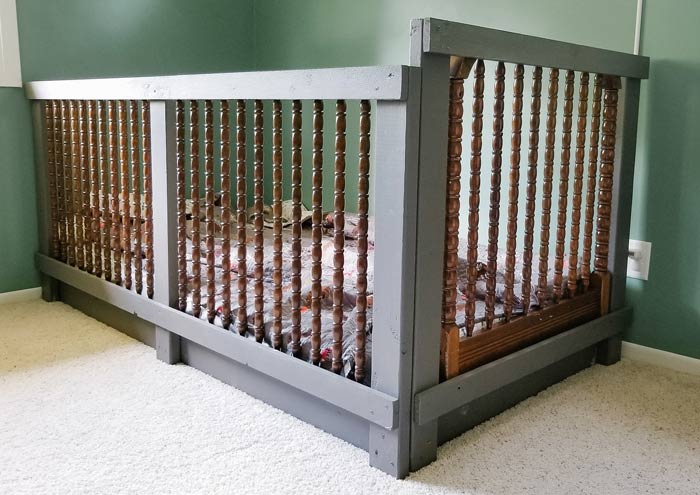
Credit: factualfairytale.com
Address Toddler Fears And Anxieties
Using rewards is a great way to help toddlers stay in their beds. It gives them something to look forward to and makes bedtime fun. Rewards also teach good habits through positive encouragement. This method works well because toddlers respond to praise and small treats. It helps build a routine where they want to stay in bed.
Create A Sticker Chart
A sticker chart shows progress clearly. Each night your toddler stays in bed, they earn a sticker. Seeing the chart grow motivates them to keep trying. Choose bright, colorful stickers that your child likes. Place the chart where they can see it every day. This visual reminder helps them understand their success.
Offer Small Incentives
Small rewards make staying in bed exciting. These can be a favorite snack, a small toy, or extra storytime. Give the reward right after a good night. This teaches your child that good behavior brings positive results. Keep incentives simple and consistent. This keeps your toddler interested and eager to follow the rules.
Celebrate Successes
Celebrate every success to encourage more good nights. Use kind words and hugs to show your pride. Praise builds your child’s confidence and joy. Make celebrations part of your bedtime routine. This helps your toddler feel special and motivated to keep staying in bed.
Use Rewards To Encourage Staying In Bed
Handling nighttime wake-ups is key to keeping your toddler in bed. Toddlers often wake up at night. They may feel scared, need comfort, or want attention. How you respond can help them learn to stay in bed. Calm and steady actions build good sleep habits. This section guides you through simple ways to handle these wake-ups well.
Respond Calmly And Briefly
Stay calm when your toddler wakes up. Speak in a soft, gentle voice. Keep your words short and clear. Avoid showing frustration or anger. This helps your child feel safe. A calm response stops the wake-up from becoming more active.
Guide Back To Bed Consistently
Always take your toddler back to their bed. Do this every time they get up. Use the same words or phrases to guide them. Consistency helps toddlers understand the rules. It also reduces confusion and repeated wake-ups.
Avoid Engaging In Play
Do not play or talk much during night wake-ups. Keep interactions quiet and simple. Playing makes your toddler more awake and alert. This can make it harder for them to fall back asleep. Focus on helping them settle, not on having fun.

Credit: www.amazon.com
Frequently Asked Questions
How Can I Make My Toddler’s Bed More Comfortable?
Use soft bedding and favorite blankets to create comfort. A cozy bed encourages toddlers to stay in bed longer. Keep the room temperature comfortable and consider a night light for security. These changes help toddlers feel safe and relaxed in their bed.
What Routines Help Toddlers Stay In Bed All Night?
Consistent bedtime routines like reading stories and quiet time promote sleep. Avoid stimulating activities before bed to help toddlers wind down. Regular sleep schedules train toddlers to expect sleep at set times, making it easier to stay in bed.
How Do I Handle A Toddler Who Keeps Leaving Their Bed?
Gently guide your toddler back to bed each time they leave. Use positive reinforcement when they stay in bed through the night. Set clear, consistent boundaries and explain bedtime rules simply. Patience and consistency are key for success.
Are Reward Systems Effective For Keeping Toddlers In Bed?
Yes, reward systems motivate toddlers to stay in bed. Use small incentives like stickers or extra storytime for nights they stay in bed. Rewards encourage good sleep habits and make bedtime a positive experience for toddlers.
Conclusion
Keeping a toddler in their bed takes patience and clear rules. Consistency helps your child feel safe and understand boundaries. A bedtime routine makes sleep time calm and predictable. Praise your toddler for staying in bed to encourage good habits.
Small changes can make a big difference over time. Remember, every child is different and needs gentle guidance. Stay patient and keep trying, success will come with love and care.