Are you looking to save space in your room without buying a brand-new bunk bed? Imagine turning your two separate beds into one stylish and sturdy bunk bed that fits perfectly in your space.
You don’t need to be a DIY expert to make this happen. In this guide, you’ll discover simple, step-by-step tips to transform your beds safely and efficiently. Keep reading, and by the end, you’ll have a smart, space-saving solution that everyone will love.
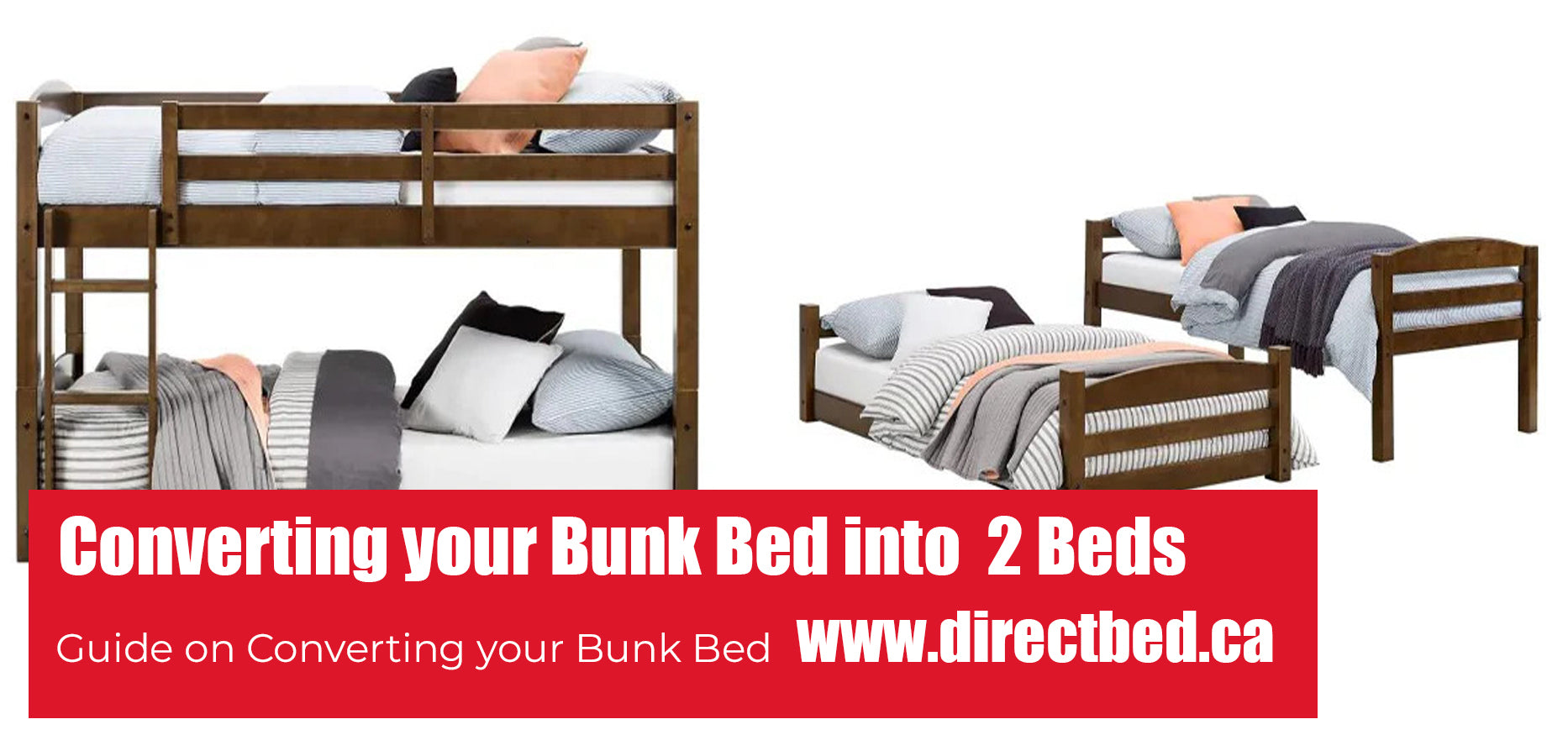
Credit: directbed.ca
Benefits Of Bunk Beds
Bunk beds offer many benefits for bedrooms with limited space. They help use the room better and add a playful touch. Bunk beds are practical and stylish. They work well in homes with kids or shared bedrooms.
Maximizing Floor Space
Bunk beds free up floor space by stacking beds vertically. This opens more room for toys, desks, or storage. Small rooms feel less crowded with bunk beds. More floor space means more room to move and play.
Creating A Fun Sleep Area
Bunk beds make bedtime more exciting for children. Kids often enjoy climbing and having their own space. The top and bottom beds create a cozy, special area. This can encourage good sleep habits and comfort.
Cost-effective Solutions
Converting two beds into a bunk bed saves money. It avoids buying a completely new bed set. Using existing beds reduces the cost of furniture. Bunk beds also cut costs on extra bedroom space.
Materials And Tools Needed
Turning two beds into a bunk bed needs the right materials and tools. These ensure the project is safe and sturdy. Prepare everything before you start. It saves time and effort. This section covers all essentials for your project.
Basic Tools Checklist
Gather common tools first. A drill is needed for screws. A saw helps cut wood to size. Sandpaper smooths rough edges. A tape measure keeps your cuts accurate. A screwdriver tightens screws. A level checks your work is straight. Clamps hold pieces while you work. These tools make the job easier and precise.
Choosing The Right Wood
Wood choice matters for strength and safety. Use hardwoods like oak or maple. They hold weight well and last long. Pine is cheaper but less strong. Avoid soft woods that can break easily. Choose wood pieces without cracks or knots. Smooth surfaces help avoid splinters. Proper wood keeps your bunk bed solid.
Safety Gear Essentials
Protect yourself during the build. Wear safety goggles to shield your eyes. Use work gloves to avoid cuts. A dust mask stops you from breathing sawdust. Ear protection helps when using loud tools. Proper gear keeps you safe and comfortable. Never skip safety for any reason.
Preparing The Beds
Preparing the beds is the first step in converting two beds into a bunk bed. This stage ensures both beds fit well together and are safe. Proper preparation helps avoid problems later during assembly.
Focus on checking each bed’s size and condition. Make sure surfaces are smooth and strong. Small repairs or adjustments can make a big difference.
Measuring And Assessing
Start by measuring the length, width, and height of both beds. Note any differences that could affect stacking. Check the bed frames and slats for damage or weakness. Confirm the beds are sturdy enough to hold weight safely. Write down all measurements for easy reference.
Removing Bed Legs
Most bunk beds need the lower bed to sit flat on the floor. Remove the legs from the bottom bed carefully. Use the right tools like a screwdriver or wrench. Keep all screws and parts safe for reassembly. Removing legs creates a solid base and makes stacking easier.
Cleaning And Sanding
Clean both beds thoroughly to remove dust and dirt. Use a damp cloth and mild soap if needed. After drying, sand all surfaces that will touch each other. Sanding smooths rough edges and helps paint or finish stick better. Check corners and joints for splinters or cracks. Clean and smooth beds will fit securely and look better.

Credit: expandfurniture.com
Building The Frame
Adding safety features is key when converting two beds into a bunk bed. Safety helps prevent falls and injuries. It also gives peace of mind to parents and kids. Simple steps can make the bunk bed secure and stable. Focus on guardrails, a sturdy ladder, and overall stability. Each part plays a role in keeping the bed safe.
Installing Guardrails
Guardrails protect the person on the top bunk from falling. Use strong wood or metal rails that fit the bed frame. The rails should cover the full length of the bed. Leave a small gap at the ends for easy access. Make sure the guardrails are high enough, at least 5 inches above the mattress. Secure them tightly with screws to avoid any movement.
Adding A Ladder
A good ladder helps climb up and down safely. Build a ladder with wide, flat steps for better footing. Attach the ladder firmly to the bed frame. Place the ladder at a comfortable angle, not too steep. Check the ladder for any sharp edges or loose parts. A well-fixed ladder reduces the risk of slips and falls.
Checking Stability
Stability keeps the bunk bed strong and balanced. Test the bed by gently shaking it from different sides. Tighten all screws and bolts regularly to prevent wobbling. Use corner brackets or braces for extra support. Place the bed on a flat, even surface. Stable beds reduce accidents and last longer.
Adding Safety Features
Finishing touches bring your bunk bed project to life. They make the bed safe, comfortable, and stylish. Pay close attention to these details for a polished look. Small steps can create a big impact on your new bunk bed.
Painting And Staining
Choose paint or stain that matches your room’s theme. Use non-toxic, child-safe products for safety. Sand the wood smooth before applying for a clean finish. Apply two coats for durability and even color. Let each coat dry fully to avoid smudges.
Adding Mattresses And Bedding
Pick mattresses that fit snugly on the bed frames. Choose firm mattresses to support body weight safely. Add soft bedding for comfort and warmth. Use fitted sheets to keep bedding in place. Select colors or patterns that brighten the room.
Decorating The Bunk Bed
Add fun pillows or themed blankets for personality. Hang soft, string lights for a cozy feel. Attach safety rails with decorative covers for style and safety. Use wall decals or small shelves nearby for toys or books. Personal touches make the bunk bed inviting and unique.

Credit: www.reinforcedbeds.co.uk
Finishing Touches
Maintaining your bunk bed is key to keeping it safe and sturdy. Regular care helps the bed last longer and stay comfortable. Small tasks done often prevent big problems later.
Regular Safety Checks
Check bolts and screws every month. Tighten any loose parts to avoid accidents. Look for cracks or broken slats in the frame. Make sure guardrails are secure and strong. Test the ladder to ensure it does not wobble.
Cleaning And Upkeep
Dust the bed frame weekly to keep it clean. Wipe surfaces with a damp cloth to remove dirt. Use mild soap for tough spots but avoid soaking wood. Wash bedding regularly to keep the sleeping area fresh. Clean the ladder and guardrails to prevent grime buildup.
Handling Repairs
Fix small cracks or chips immediately. Use wood glue or filler for minor damage. Replace broken slats or parts quickly to keep safety. If screws strip, use larger ones or inserts. For serious damage, consult a professional carpenter. Keep spare parts handy for quick fixes.
Frequently Asked Questions
How Do I Convert Two Beds Into A Bunk Bed?
To convert two beds into a bunk bed, secure the top bed frame above the bottom one using sturdy supports. Use safety rails and a ladder. Ensure the structure is stable and safe before use.
What Tools Are Needed To Build A Bunk Bed From Two Beds?
You need a drill, screws, brackets, measuring tape, and a saw. Safety gear like gloves and goggles is essential. These tools help securely join the beds and add safety features.
Is It Safe To Convert Two Separate Beds Into A Bunk Bed?
Yes, if you use strong materials and proper assembly techniques. Ensure the top bed has guardrails and the structure is stable. Regularly check for loose parts to maintain safety.
Can I Customize The Bunk Bed Design From Two Beds?
Absolutely. You can paint, add storage, or modify dimensions. Customizing improves functionality and matches your room’s style. Always keep safety and weight limits in mind.
Conclusion
Converting two beds into a bunk bed saves space and adds fun. It can make your room look neat and organized. Follow simple steps carefully to ensure safety. Use strong materials and check all connections often. This project suits families wanting more room without buying new furniture.
Enjoy the extra space for play or study. Give it a try and see how much room you gain. Small changes can make a big difference.