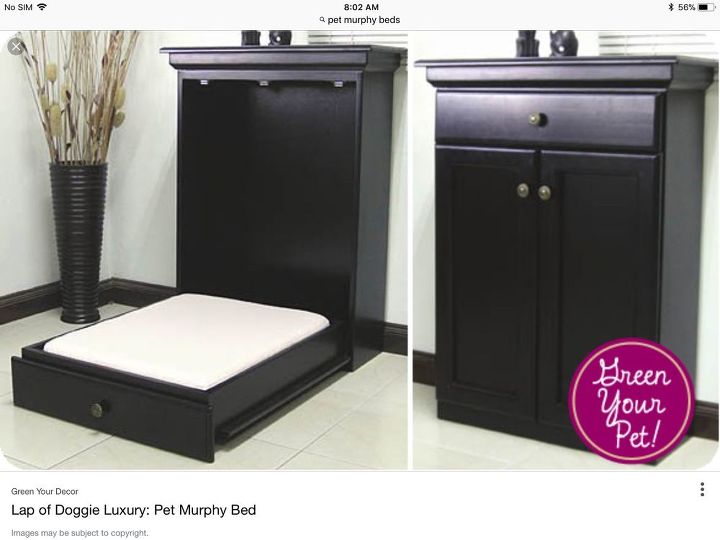
Are you looking for a smart way to save space in your toddler’s room? A toddler Murphy bed might be just what you need.
It’s a clever solution that gives your little one a cozy place to sleep without taking up too much room during the day. Imagine having extra floor space for playtime, while still having a safe bed ready when it’s time to rest.
In this guide, you’ll discover simple steps to build your own toddler Murphy bed. By the end, you’ll have everything you need to create a practical and stylish bed that fits perfectly in your child’s room. Ready to make your space work better for you and your toddler? Let’s get started!
Credit: www.hometalk.com
Choosing The Right Murphy Bed Design
Choosing the right Murphy bed design is key for a toddler’s room. It must be safe, practical, and fit the space well. This choice affects comfort and usability every day. The bed should blend with the room’s style and meet your child’s needs. Thoughtful design makes the room feel bigger and more organized.
Selecting Toddler-friendly Features
Safety is the top priority. Rounded corners prevent bumps and bruises. A smooth, easy-to-lift mechanism helps adults but stays secure from toddlers. Soft-close features avoid sudden slams. Choose designs with built-in guardrails for extra protection. Bright colors or fun shapes can make the bed inviting. Simple handles or grips make opening easy for parents.
Materials That Work Best
Choose sturdy, non-toxic materials. Solid wood or high-quality plywood offers strong support. Avoid materials with sharp edges or splinters. A smooth finish protects little hands and feet. Paints and varnishes should be safe and free from harmful chemicals. Lightweight metals can add durability without heavy weight. Materials should be easy to clean and maintain.
Sizing For Small Spaces
Measure the room carefully before choosing a size. Compact Murphy beds save floor space when folded. Consider bed height to allow enough clearance for folding. A twin or toddler-size bed fits best in small rooms. Keep some space around the bed for easy access. Choose designs that fold flat against the wall. This creates more play or storage area when the bed is up.

Credit: www.amazon.com
Gathering Tools And Supplies
Before starting to build a toddler Murphy bed, gather all tools and supplies. Having everything ready saves time and avoids interruptions. Knowing what you need helps the project go smoothly. Organize the space and prepare for assembly.
Essential Tools Checklist
Prepare basic tools for the build. A drill with drill bits is important. A screwdriver set with flathead and Phillips tips works well. Use a tape measure to get exact dimensions. A level helps keep the bed straight. Clamps hold parts firmly during assembly. Sandpaper smooths rough edges. Have a pencil for marking measurements.
Choosing Quality Hardware
Select sturdy and safe hardware pieces. Use strong hinges made for Murphy beds. Choose screws and bolts that fit tightly. Pick hardware with a smooth finish to avoid scratches. Opt for rust-resistant materials for durability. Good hardware ensures the bed is safe and lasts long.
Safety Gear For Assembly
Protect yourself while building the bed. Wear safety goggles to shield your eyes. Use gloves to protect your hands. A dust mask helps when sanding wood. Wear closed-toe shoes to avoid injury. Keep a first aid kit nearby, just in case. Safety gear keeps the project safe and comfortable.
Preparing The Workspace
Preparing the workspace is a key step before building a toddler Murphy bed. A clean and organized area helps you work safely and efficiently. It also protects your tools and materials from damage. Taking time to get the space ready makes the assembly process smoother and faster.
Clearing And Measuring The Area
Start by clearing the room where the Murphy bed will go. Remove furniture and objects that may block your work. Measure the wall space carefully. Check the height, width, and depth to ensure the bed fits well. Write down all measurements for easy reference.
Protecting Floors And Walls
Cover floors with drop cloths or old sheets. This prevents scratches and paint stains. Use painter’s tape to guard the edges of walls. Protect corners from bumps and dents. Keep cleaning materials nearby for quick spills.
Setting Up A Workstation
Create a dedicated spot for your tools and supplies. Use a sturdy table or workbench. Arrange screws, nails, and parts in small containers. Keep your measuring tape, hammer, and drill within reach. A tidy workstation saves time and reduces mistakes.

Credit: www.amazon.com
Building The Frame
Building the frame is the first big step in making a toddler Murphy bed. This part gives the bed its shape and strength. A strong frame keeps the bed safe and long-lasting. Focus on precise measurements and sturdy connections. Take your time and follow each step carefully.
Cutting Wood Pieces Accurately
Start by measuring each wood piece twice. Mark the cut lines clearly with a pencil. Use a saw that fits the wood size. Cut slowly and steadily to avoid mistakes. Smooth the edges with sandpaper after cutting. Accurate cuts make assembly easier and more stable.
Assembling The Base
Lay out the cut pieces on a flat surface. Join the pieces using wood screws or nails. Use a square tool to keep corners at 90 degrees. Tighten all connections firmly but do not split the wood. The base must hold weight without wobbling. Check for level before moving on.
Constructing The Bed Panel
Choose a solid wood panel for the bed surface. Attach wooden slats evenly for mattress support. Secure the panel to the base with strong hinges. Hinges should allow smooth folding and unfolding. Sand any rough spots to avoid splinters. The panel must fit the frame perfectly.
Installing The Folding Mechanism
Installing the folding mechanism is a key step in building a toddler Murphy bed. This part allows the bed to fold up and down easily. It needs careful attention to work safely and smoothly. Follow simple steps to attach the parts correctly. Check every move to avoid any problems later.
Attaching Hinges And Springs
Start by fixing the hinges on the bed frame. Use screws that fit tightly. Place the hinges where the bed will fold. Next, attach the springs. These help the bed open and close without heavy force. Make sure springs are strong but not too tight. Both parts must align perfectly for good balance.
Ensuring Smooth Operation
After attaching, move the bed up and down slowly. Watch for any sticking or hard spots. Lubricate hinges and springs with light oil if needed. Check that the bed folds evenly and without noise. Adjust the springs if the bed feels too heavy or too loose. Smooth motion means safer use.
Testing Safety Features
Test all safety parts before finishing. Check locks or latches that keep the bed in place when folded. Make sure they hold the bed firmly. Try to open the bed gently to confirm it stays secure. Safety stops or cushions can protect little fingers. Confirm the mechanism stops the bed from falling suddenly.
Adding Finishing Touches
Adding finishing touches to your toddler Murphy bed makes it safe and beautiful. These final steps help protect the wood and add fun details. A well-finished bed lasts longer and fits perfectly in your child’s room.
Sanding And Painting
Sanding smooths the wood surface. It removes rough spots and splinters. Use fine-grit sandpaper for a soft finish. Sand all edges and flat areas evenly.
Choose non-toxic paint or stain safe for children. Apply thin coats for an even look. Let each layer dry before adding the next. Painting adds color and protects the wood from damage.
Installing Handles And Locks
Handles make opening and closing the bed easier. Pick handles that fit small hands comfortably. Screw them securely into place.
Install child-safe locks to keep the bed closed when not in use. These locks prevent accidental openings. Make sure locks are easy for adults to operate but safe for toddlers.
Decorating For Fun
Decorate the bed to match your child’s style. Use stickers or decals that peel off easily. Add soft cushions or themed bedding for comfort.
Personal touches make the bed inviting. Let your toddler help choose colors or designs. This creates a special, cozy sleep space just for them.
Tips For Safe Use And Maintenance
Using a toddler Murphy bed safely is very important. This type of bed saves space but needs care. Proper use and regular checks keep your child safe. Maintenance helps the bed last longer and work well.
Follow simple steps to keep the bed safe for your toddler. Teach your child how to use it correctly. Watch for common problems and fix them fast. These tips help protect your little one and the bed.
Regular Inspection Checklist
Check the bed frame for loose screws or parts. Tighten any bolts that seem weak. Look at hinges for signs of rust or damage. Test the locking mechanism to ensure it holds firmly. Make sure the bed folds and unfolds smoothly. Inspect the mattress for tears or worn spots. Clean the bed area to avoid dust buildup. Regular inspections prevent accidents and keep the bed strong.
Teaching Toddlers Safe Operation
Show your toddler how to open and close the bed gently. Explain the importance of using both hands. Teach them to wait until the bed locks in place before climbing. Remind them not to jump on the bed. Make sure they know to ask for help if stuck. Keep the area around the bed clear of toys and clutter. Simple rules help toddlers use the bed safely every time.
Troubleshooting Common Issues
If the bed sticks or is hard to move, check for blockages. Clean any dust or dirt from the hinges. Tighten loose screws that may cause wobbling. Oil the hinges if they squeak or feel stiff. Replace worn parts immediately to avoid bigger problems. Listen for unusual sounds during operation. Early fixes keep the bed working well and safe.
Frequently Asked Questions
What Materials Are Needed To Build A Toddler Murphy Bed?
You need plywood, wood screws, hinges, a mattress, paint, and safety straps. Quality materials ensure durability and safety for toddlers. Basic tools like drills and saws are also necessary to complete the project efficiently.
How Do You Ensure Toddler Safety In A Murphy Bed?
Install secure locking mechanisms and safety straps to prevent accidental closure. Use smooth finishes to avoid splinters. Ensure the bed frame is sturdy and weight-tested for toddlers. Always supervise your child around the bed when in use.
What Size Mattress Fits A Toddler Murphy Bed?
A standard toddler mattress size is 28 by 52 inches. This size fits most Murphy beds designed for toddlers. Ensure the mattress is firm and hypoallergenic for your child’s comfort and safety.
Can I Build A Murphy Bed Without Professional Help?
Yes, with basic woodworking skills and proper instructions, you can build it yourself. Follow step-by-step guides and safety tips. Using quality materials and tools will help achieve a professional result.
Conclusion
Building a toddler Murphy bed saves space and adds fun. You can create a safe, cozy spot for your child to sleep. Follow clear steps and use sturdy materials. Take your time and check measurements carefully. A well-made bed lasts for many years.
Kids love having their own special place. This project brings comfort and style to any room. Try it yourself and enjoy the results. Simple, smart, and practical—a perfect addition to your home.