Are you ready to create a cozy, safe space for your toddler to sleep? Building a floor toddler bed frame is easier than you might think, and it gives you full control over the design and safety features.
Imagine your little one sleeping comfortably just inches from the floor, with no risk of falling from a high bed. In this guide, you’ll discover simple steps and practical tips to build a sturdy, stylish bed frame that fits perfectly in your child’s room.
Keep reading, and you’ll have the confidence to make a bed your toddler will love—and you’ll enjoy the satisfaction of building it yourself.
Benefits Of A Floor Toddler Bed
Choosing a floor toddler bed offers many benefits for both parents and children. It creates a safe and cozy space for toddlers to sleep and play. The design suits young children’s needs and helps their growth and development.
Parents find floor beds a practical option. Toddlers enjoy the freedom to move safely. This type of bed supports early independence and comfort.
Safety Advantages
Floor toddler beds reduce the risk of falls. Toddlers can get in and out without climbing. The low height keeps children close to the floor. This prevents injuries from jumping or falling off. Parents feel less worried about nighttime accidents.
Promotes Independence
Toddlers learn to move freely in their room. They can get out of bed by themselves. This builds confidence and self-reliance. Floor beds encourage toddlers to explore safely. It helps them develop better sleep habits early.
Cost-effectiveness
Floor toddler beds often cost less than traditional beds. They use fewer materials and simple designs. Parents save money on mattresses and bed frames. These beds last through toddler years comfortably. A smart choice for budget-conscious families.
Materials And Tools Needed
Building a floor toddler bed frame needs the right materials and tools. Choosing the correct wood type and size helps make a strong and safe bed. Using the right tools makes the process easier and faster. Some extra supplies help finish the project neatly and securely.
Wood Types And Sizes
Use solid wood like pine or oak for durability. Pine is soft, easy to cut, and budget-friendly. Oak is harder, lasts longer, and looks great. Choose 1×4 or 1×6 boards for the frame sides and slats. For the mattress support, use 1×3 or 1×4 slats spaced evenly. Avoid particle board or MDF, as they are less strong and less safe for children.
Essential Tools
Prepare a saw to cut wood pieces accurately. A power drill is needed for screws and holes. Use a screwdriver or drill bit for tightening screws. Sandpaper or a power sander smooths rough edges. A tape measure ensures precise measurements. Clamps hold pieces while assembling. A carpenter’s square helps keep corners at 90 degrees.
Additional Supplies
Get wood screws sized 1¼ to 1½ inches for strong joints. Wood glue adds extra strength between joints. Use non-toxic paint or sealant to protect the wood. Felt pads under legs prevent floor scratches. Safety gear like goggles and gloves protects your eyes and hands. A pencil helps mark measurements clearly on wood.
Preparing The Workspace
Preparing the workspace is the first step to building a floor toddler bed frame. A clean and organized area makes the project easier and safer. It helps you focus on the task without distractions. Taking time to set up properly saves time and frustration later.
Choosing A Suitable Area
Select a spacious spot to work on the bed frame. A flat surface like a garage floor or a large table works well. Make sure the area has good light. Natural light is best, but bright lamps work too. Avoid cramped or cluttered spaces to move freely.
Safety Precautions
Wear safety glasses to protect your eyes from dust and splinters. Use gloves to avoid splinters and cuts. Keep a first aid kit nearby. Clear the workspace of any tripping hazards. Keep children and pets away to prevent accidents.
Organizing Materials
Gather all tools and materials before starting. Arrange wood pieces, screws, and nails within easy reach. Use containers or small boxes to keep tiny parts together. Check that your tools like drills and screwdrivers are working well. This saves time searching for things later.
Credit: www.woodshopdiaries.com
Step-by-step Bed Frame Assembly
Building a floor toddler bed frame is easier than it seems. Follow simple steps to create a safe, sturdy bed for your child. This guide breaks the process into clear parts. Each part helps you build the frame correctly. Take your time and work carefully.
Cutting The Wood Pieces
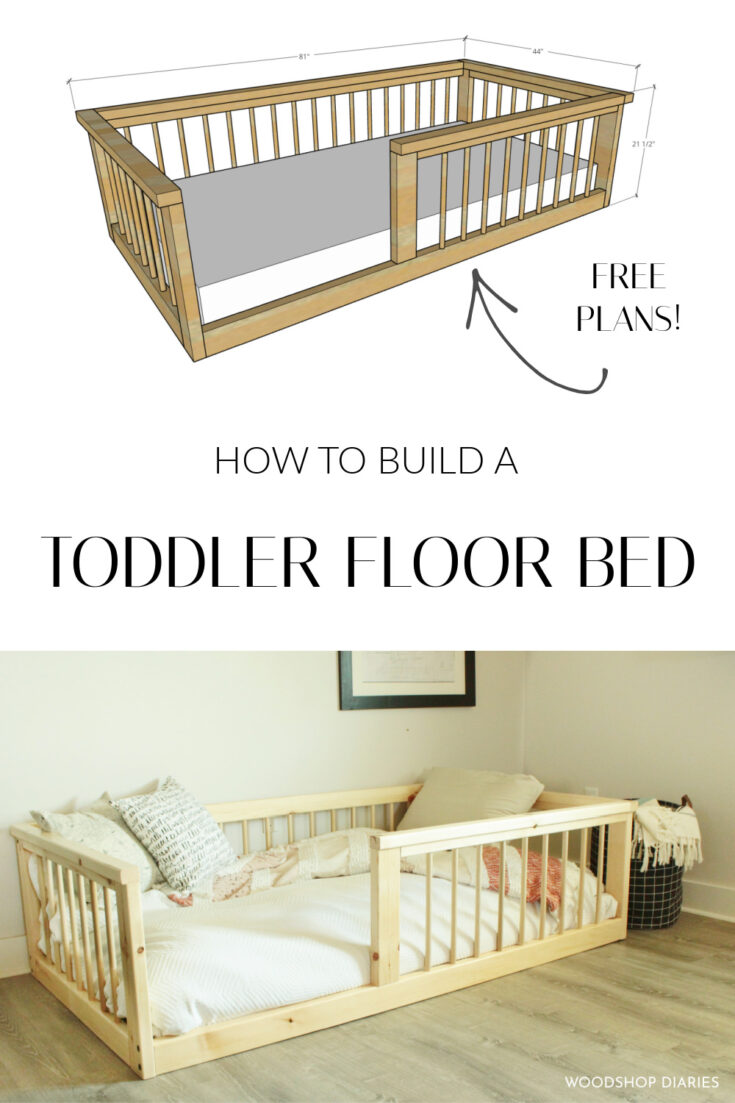
Start by measuring and marking the wood. Cut two long pieces for the bed sides. Cut two shorter pieces for the headboard and footboard. Cut enough slats to support the mattress. Use smooth, sanded wood to avoid splinters. Check each piece for the right size before moving on.
Assembling The Frame
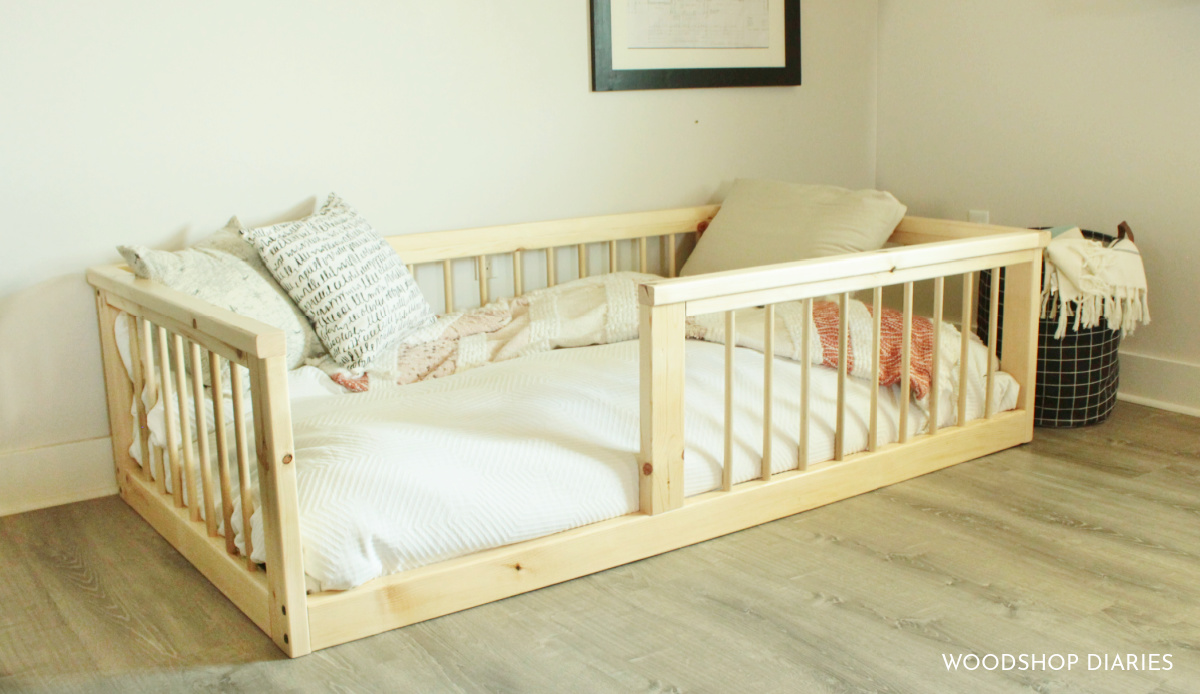
Lay the side pieces flat on the floor. Attach the headboard and footboard between them. Use wood screws to secure the corners tightly. Make sure the frame is square and level. Tighten all screws to prevent wobbling. The frame should feel strong and solid.
Securing The Slats
Place the slats evenly across the frame width. Leave small gaps for air circulation. Attach each slat with screws or nails. Check that all slats are secure and do not move. The slats hold the mattress and need to be firm. Test the frame by pressing down gently.
Finishing Touches
Customizing a floor toddler bed frame makes it unique and special for your child. It creates a cozy space that fits their personality and needs. Personal touches can also make bedtime more fun and comfortable.
Personalized Decorations
Paint the bed frame in your child’s favorite colors. Use stickers or stencils to add shapes, animals, or letters. Attach soft fabric or cushions to the edges for extra comfort. Let your child help choose the decorations to make it personal and exciting.
Functional Add-ons
Add small shelves or pockets for books and toys. Attach a nightlight for a soft glow during bedtime. Install guard rails to keep your child safe while sleeping. These extras make the bed practical and child-friendly.
Adjustable Features
Create a frame that grows with your child. Use screws and bolts that can be moved for height changes. Make the mattress support easy to adjust. Adjustable parts allow the bed to last through toddler years and beyond.

Credit: www.youtube.com
Credit: www.woodshopdiaries.com
Frequently Asked Questions
What Materials Are Needed To Build A Toddler Bed Frame?
You will need wood boards, screws, a drill, sandpaper, and non-toxic paint. Choose sturdy, safe materials suitable for toddlers. Proper tools help ensure a secure, smooth finish.
How Do I Ensure Toddler Bed Frame Safety?
Use rounded edges, secure joints, and non-toxic finishes. Check for stability and avoid small detachable parts. Safety prevents accidents and ensures comfortable use for toddlers.
What Is The Best Wood Type For A Toddler Bed?
Pine and hardwood are popular choices due to durability and ease of use. Pine is affordable and lightweight. Hardwood offers strength and longevity. Both are safe with proper finishing.
How Long Does It Take To Build A Toddler Bed Frame?
Building a toddler bed frame usually takes 4 to 6 hours. Time depends on experience and complexity of design. Allow extra time for sanding and painting for a smooth finish.
Conclusion
Building a floor toddler bed frame is a simple and fun project. It saves money and creates a safe space for your child. Follow the steps carefully to ensure strong and stable construction. Use the right materials and tools for best results.
This bed frame helps your toddler feel more independent and comfortable. Enjoy the process and take pride in your handiwork. Your child will love their new, cozy bed. Keep safety in mind at all times. Happy building!