If you’re thinking about moving your little one from a crib to a toddler bed, one question probably keeps popping up: how much weight can a toddler bed actually hold? You want to make sure your child is safe and comfortable as they grow.
Knowing the weight limit helps you pick the right bed that lasts longer and supports your child well. Keep reading to discover everything you need to know about toddler bed weight limits and how to choose the best option for your family.
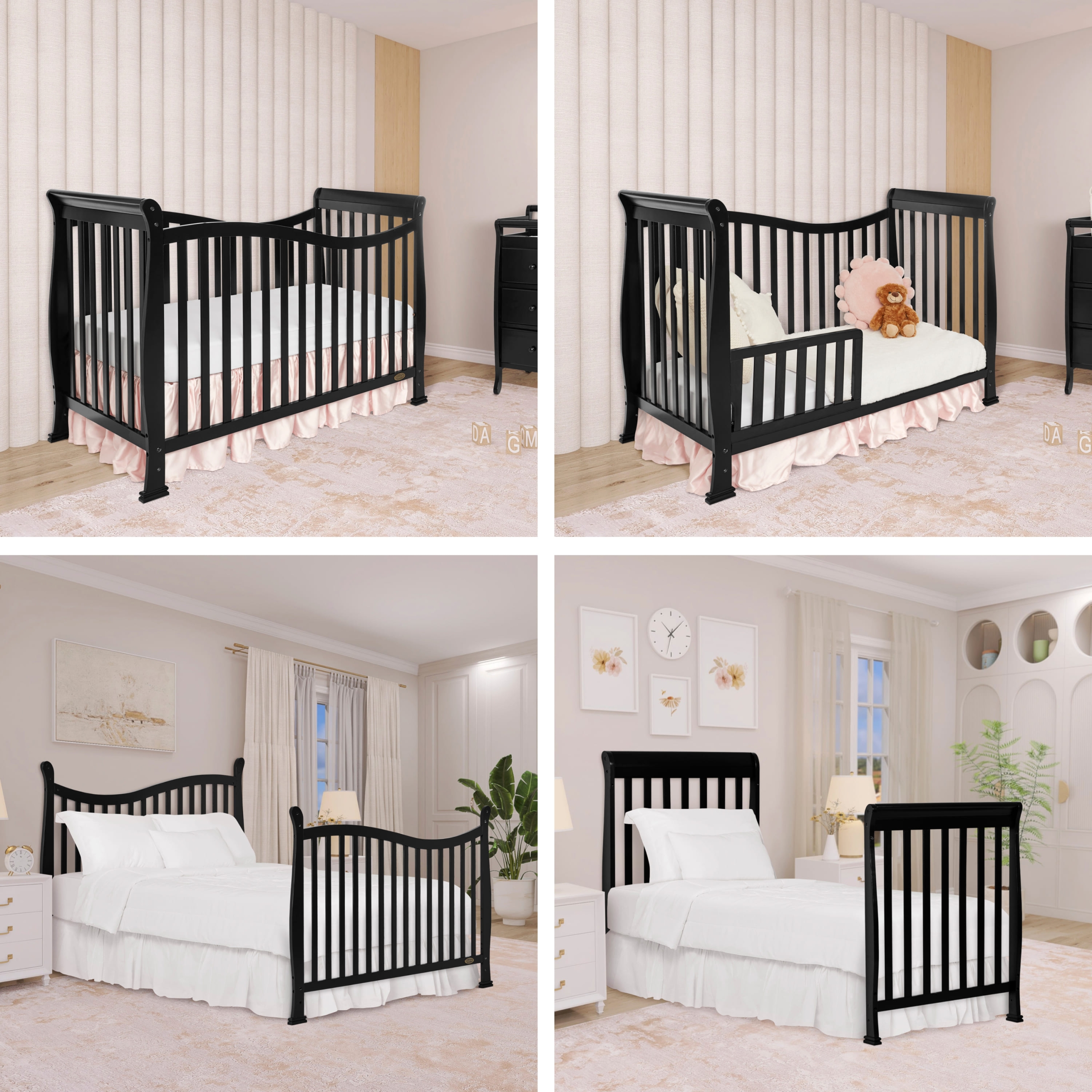
Credit: dreamonme.com
Toddler Bed Weight Limits
Toddler beds are designed to be safe and comfortable for young children. Knowing the weight limits helps ensure the bed lasts long and supports your child well. Weight limits vary depending on the bed’s design and materials. Understanding these limits can help you choose the right bed for your toddler’s needs.
Standard Weight Capacities
Most toddler beds support between 50 and 75 pounds. This range suits most children up to about 5 years old. Some beds have higher limits, supporting up to 100 pounds. Weight capacity depends on the bed’s frame, mattress, and safety features. Always check the manufacturer’s guidelines for exact numbers.
Factors Affecting Weight Limits
Material quality plays a big role in weight capacity. Solid wood frames often hold more weight than plastic or metal ones. The bed’s design also matters; sturdier designs offer better support. Mattress type and thickness can impact the overall strength. Frequent jumping or rough use can reduce the bed’s lifespan and weight tolerance.
Materials And Frame Strength
Materials and frame strength play a big role in how much weight a toddler bed can hold. The bed’s frame supports the mattress and the child. A strong frame means the bed lasts longer and stays safe. Different materials offer different levels of strength and durability. Understanding these can help you choose the right toddler bed.
Wood Vs Metal Frames
Wood frames are popular for toddler beds. They often look warm and natural. Solid wood like oak or maple holds weight well. Some wood frames use softer woods, which may not be as strong. Metal frames use steel or iron. These frames tend to be lighter but very sturdy. Metal frames resist bending and breaking better than some woods.
Wood frames can wobble if not well built. Metal frames usually stay firm under pressure. Both types can support an average toddler’s weight, but the exact limit depends on design.
Durability And Build Quality
The bed’s build quality affects how long it lasts. Strong joints and thick materials improve durability. Beds with screws and bolts hold better than those with glue alone. Check if the frame has reinforcements at stress points. A well-built bed resists wear and tear from active toddlers.
Frames with rough finishes or loose parts may fail sooner. Smooth edges and solid construction add safety. Durable beds handle jumping, climbing, and daily use without damage.
Safety Standards And Regulations
Safety standards and regulations play a big role in choosing a toddler bed. These rules ensure the bed can hold a child safely. They protect toddlers from accidents and injuries. Understanding these standards helps parents pick a strong and secure bed.
Certifications To Look For
Check for safety certifications on the bed label. Common marks include JPMA and ASTM. These certificates show the bed meets strict safety tests. They confirm the materials and design support a toddler’s weight. Certified beds undergo checks for durability and stability.
Compliance With Safety Guidelines
Toddler beds must follow safety guidelines set by authorities. These include limits on weight capacity and construction rules. Beds should have guardrails to prevent falls. Slats and gaps must be small to avoid trapping a child. Following these rules keeps the bed safe and reliable.

Credit: www.craft-child.com
Signs Of Wear And Tear
Toddler beds face daily use and can show signs of wear and tear over time. Noticing these signs early helps keep your child safe and comfortable. Regular checks on the bed’s condition are important.
Common Damage Indicators
Look for cracks or splits in the wood or frame. Loose screws or bolts can make the bed unstable. Worn or bent slats may no longer support weight properly. Check if the mattress support feels weak or uneven. Peeling paint or sharp edges can be a hazard. Listen for creaking sounds when the bed moves.
When To Replace The Bed
Replace the bed if it cannot hold weight safely anymore. If repairs do not fix looseness or cracks, it’s time for a new bed. A bed that wobbles or feels unsafe must be replaced immediately. Ensure the new bed meets current safety standards. Safety and comfort should always come first for your toddler.
Tips For Choosing The Right Bed
Choosing the right toddler bed takes more than just picking a cute design. It matters for safety and comfort. A good bed supports your child’s weight and fits their size well. This helps your child sleep better and grow healthy.
Here are important tips to find the best bed for your toddler. These focus on matching the bed to your child’s growth and choosing the right mattress and accessories.
Matching Bed To Child’s Growth
Pick a bed that fits your child’s current size. Toddlers grow fast. A bed too small will feel cramped. Too big can be unsafe. Check the bed’s weight limit. Make sure it can hold your child plus extra weight from movement. A sturdy frame lasts longer and handles rough play.
Consider beds that convert or adjust as your child grows. These save money and space. Adjustable beds can change from toddler size to twin or full size. This means one bed serves for many years.
Considering Mattress And Accessories
Choose a mattress made for toddler beds. It should be firm but comfortable. Soft mattresses can cause safety risks. Measure the bed frame before buying a mattress. A mattress that fits well prevents gaps. Gaps may trap little fingers or cause falls.
Use accessories like guardrails for safety. They stop toddlers from rolling out. Pick bedding made from breathable, hypoallergenic materials. This keeps your child cool and reduces allergies. Avoid heavy or bulky pillows. They can cause breathing problems.
Preventing Accidents
Preventing accidents with toddler beds is very important. Toddlers are active and curious. They need a safe space to sleep and play. A well-maintained bed reduces the risk of falls and injuries. Careful use helps keep your child safe every night.
Proper Assembly And Maintenance
Follow the manufacturer’s instructions carefully during assembly. Tighten all screws and bolts firmly. Loose parts can cause the bed to collapse. Check the bed regularly for damage or wear. Replace broken parts immediately. A sturdy bed supports your child’s weight safely.
Safe Usage Practices
Teach your child to use the bed gently. Avoid jumping or rough play on the bed. Keep heavy toys off the mattress. Use guardrails if the bed has them. Place the bed away from windows and sharp corners. These steps lower the chance of accidents.
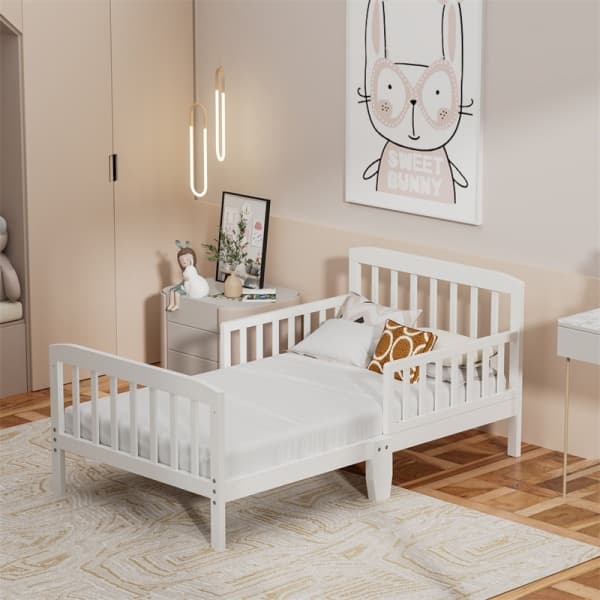
Credit: www.craft-child.com
Frequently Asked Questions
How Much Weight Can A Standard Toddler Bed Hold?
Most toddler beds support between 50 to 60 pounds. This weight limit suits typical toddlers and some preschoolers. Always check the manufacturer’s guidelines for exact weight capacity to ensure safety and durability.
Can A Toddler Bed Support Heavier Children?
Some toddler beds can hold up to 100 pounds. Look for models labeled with higher weight limits if your child is bigger. Choosing a sturdy frame and quality materials is essential for extra support.
When Should I Switch From A Toddler Bed To A Twin Bed?
Switch when your child exceeds the toddler bed’s weight limit or outgrows its size. Typically, this happens around ages 4 to 5. Moving to a twin bed provides more comfort and safety for older kids.
Are Weight Limits The Same For All Toddler Beds?
No, weight limits vary by brand and design. Some beds have metal frames, others wood, affecting strength. Always review product specifications before purchasing to match your child’s needs.
Conclusion
Toddler beds usually hold between 50 to 70 pounds safely. Always check the bed’s manual for exact weight limits. Choosing a sturdy bed helps keep your child safe and comfortable. Remember, weight limits protect your toddler and the bed’s structure.
Replace the bed once your child grows beyond its capacity. A good bed supports healthy sleep and restful nights. Simple steps like this make parenting easier and safer. Keep your little one cozy and secure every night.