Are you wondering how long to make toddler bed rails to keep your little one safe and comfortable? Getting the right size is more important than you might think.
Too short, and your child could roll right out. Too long, and the rails might take up too much space or feel unsafe. You’ll discover the perfect length for toddler bed rails that protect your child without crowding their bed.
Keep reading to find simple tips that make bedtime safer and easier for both you and your toddler.
Credit: www.walmart.com
Choosing The Right Bed Rails Size
Choosing the right size for toddler bed rails is important for safety and comfort. Bed rails that are too long or short can cause gaps or not fit well. Measuring and understanding standard sizes will help you pick or make the perfect rails for your toddler’s bed.
Measuring Your Toddler’s Bed
Start by measuring the length of the bed’s side where the rail will go. Use a tape measure from the head to the foot of the bed. Write down the exact length. Also, measure the height from the mattress base to the top edge of the bed frame. These numbers guide the size of the bed rails you need.
Standard Toddler Bed Rail Dimensions
Most toddler bed rails range from 28 to 40 inches long. The height usually varies between 5 and 10 inches. These sizes fit most toddler beds and mattresses. Choose a rail size close to your bed’s side length. This helps avoid gaps that could be unsafe for your child.
Adjusting For Mattress Thickness
Mattress thickness affects how the rail fits. Measure the mattress thickness from the bottom to the top. Add this number to the height of the rail. This ensures the rail will stand tall enough above the mattress surface. Proper height stops your toddler from rolling over the rail during sleep.
Materials And Tools Needed
Building toddler bed rails requires careful choice of materials and tools. The right wood and equipment ensure safety and durability. This section covers the types of wood and key tools needed for the project.
Types Of Wood And Safety Considerations
Choose wood that is strong yet smooth to avoid splinters. Pine and poplar are common choices. These woods are easy to work with and budget-friendly. Avoid softwood that breaks easily or hardwood that is too heavy.
Make sure the wood is untreated or uses non-toxic finishes. Paint or sealant should be safe for children. Sand all edges until smooth. This step protects your toddler from sharp corners and rough spots.
Essential Tools For Diy Bed Rails
Basic tools make the job easier and safer. You will need a saw to cut the wood to size. A drill helps in making clean holes for screws. Screwdrivers or a power driver secure the parts tightly.
Sandpaper or an electric sander smooths the surfaces. A measuring tape ensures accurate length for the rails. Clamps hold pieces steady while you work. These tools help create sturdy, safe bed rails for your toddler.
Step-by-step Bed Rail Construction
Building toddler bed rails takes careful steps. Each step ensures safety and comfort. Follow these simple instructions to create strong bed rails your toddler will love. The process is easy and clear.
Cutting Rails To Length
Measure the bed’s side carefully. Mark the wood pieces with a pencil. Use a saw to cut the rails to size. Make sure both rails are equal in length. This step sets the base for a perfect fit.
Sanding And Smoothing Edges
Sand all wood edges with fine-grit sandpaper. Smooth edges prevent splinters and sharp corners. Take your time to make every surface safe. This step keeps your toddler safe and comfortable.
Assembling The Rail Components
Align the cut pieces properly. Use screws or nails to join parts firmly. Check that the rails are straight and steady. Tighten all fasteners to avoid any loose parts. This step creates a strong, secure bed rail.

Credit: everestkitchennc.com
Installing Bed Rails Securely
Installing bed rails securely is crucial for your toddler’s safety. Proper installation prevents accidents and keeps your child comfortable. This section guides you through attaching rails, ensuring stability, and testing the setup.
Attaching Rails To The Bed Frame
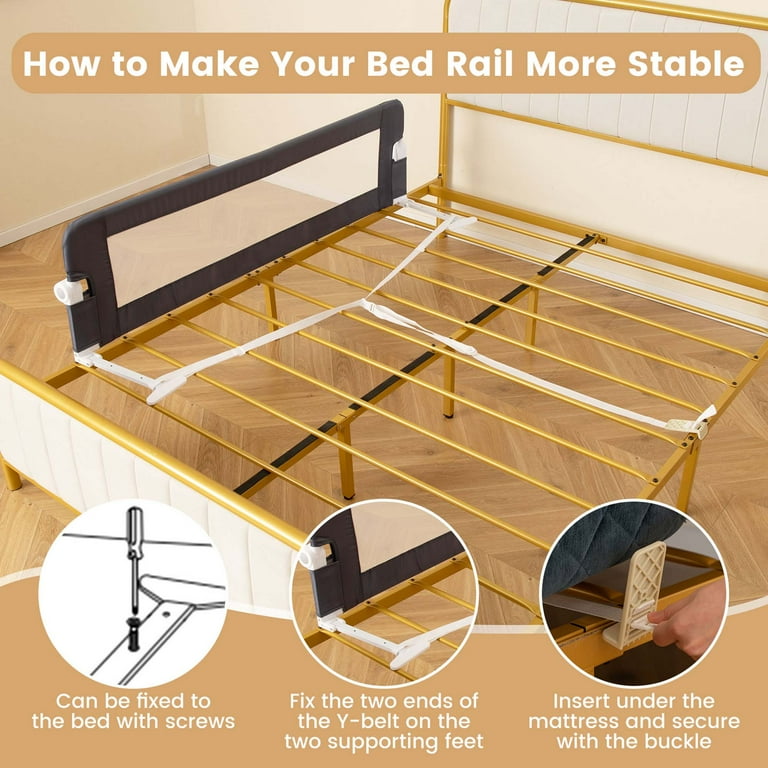
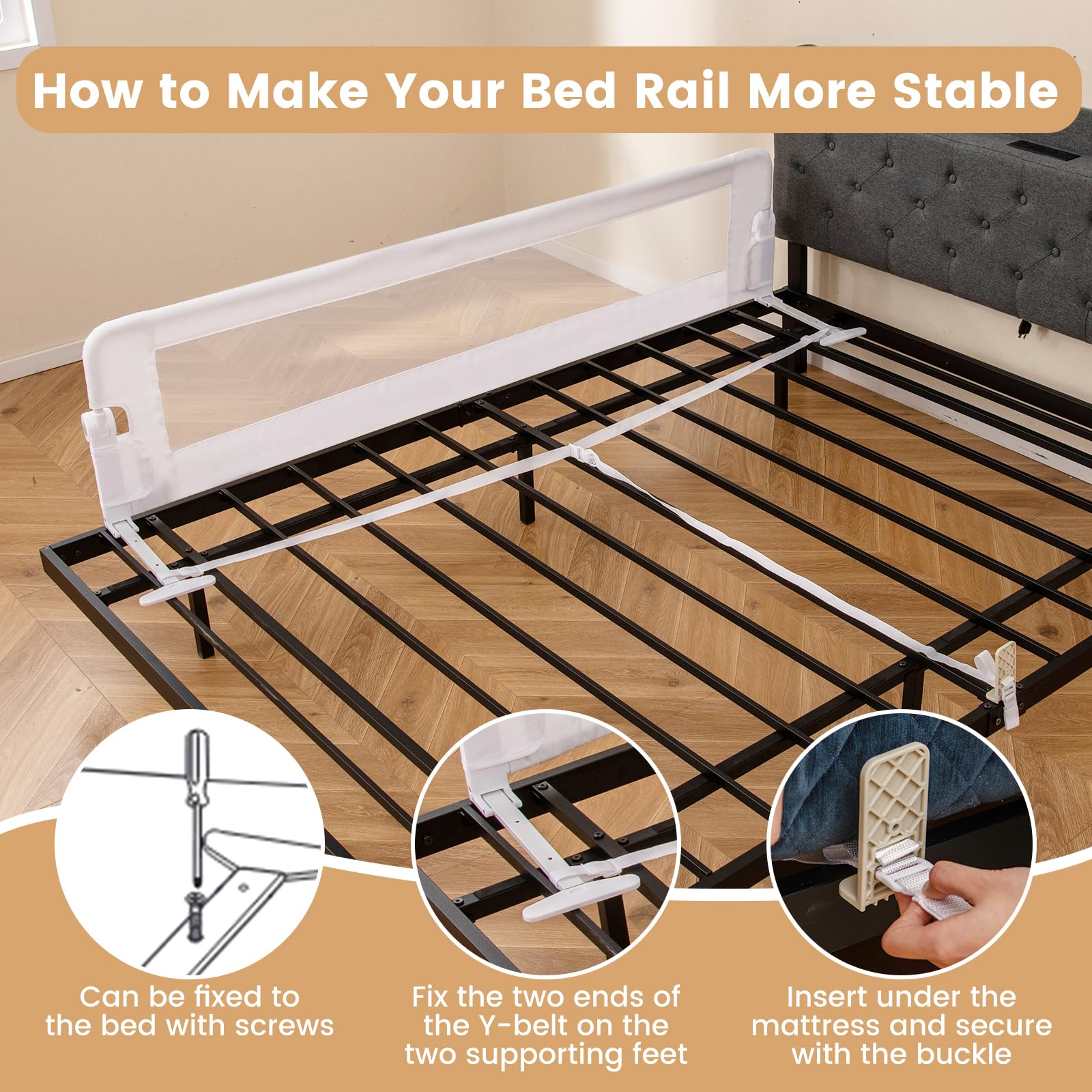
Start by aligning the bed rails with the frame edges. Use the screws or brackets provided with the rails. Tighten screws firmly but avoid over-tightening. Check if rails fit snugly against the bed frame. Adjust the position to prevent gaps where your child could get stuck.
Ensuring Stability And Safety
Make sure the rails do not wobble or shift when pushed. Use extra brackets if the rails feel loose. Check for sharp edges or rough spots on the rails. Sand any rough areas to protect your child’s skin. Confirm the rails are tall enough to stop your toddler from rolling out.
Testing The Bed Rails
Push and pull the rails gently to check firmness. Sit on the edge of the bed and move slightly to test stability. Watch for any movement or noise that signals looseness. Re-tighten screws if needed. Only use the bed once the rails feel secure and safe.
Customizing And Finishing Touches
Customizing and finishing touches make toddler bed rails both safe and stylish. These details protect your child and match the room’s look. Careful finishing also helps the rails last longer. Small changes can create a big difference.
Painting And Sealing
Choose non-toxic paint for safety. Bright colors or soft pastels add charm. Apply thin, even coats for a smooth finish. Let each layer dry fully before the next. Seal the paint with a clear, child-safe varnish. This protects against scratches and spills. Sealing also keeps wood safe from moisture. A well-sealed rail stays strong and clean.
Adding Padding Or Covers
Soft padding cushions sharp edges and corners. Use foam or fabric covers that fit snugly. Secure padding with strong tape or Velcro strips. Covers come in fun patterns and colors. They make the bed rail cozy and safe. Padding reduces the risk of bumps and bruises. Replace covers if they wear out or get dirty. This simple step boosts comfort and safety.
Safety Tips For Toddler Bed Rails
Safety is the top priority when using toddler bed rails. These rails protect toddlers from falling out of bed. Proper use helps prevent injuries. Following simple safety tips ensures the rails do their job well. Parents must know how to check and maintain the rails regularly. This keeps the sleeping area safe and secure for toddlers.
Avoiding Gaps And Entrapment Hazards
Check the space between the bed rail and mattress. Gaps can trap a toddler’s head or limbs. Keep the rails tight against the mattress. Use rails designed for the specific bed size. Do not use rails with large openings. Small gaps reduce the risk of entrapment. Always test the rail’s fit before use.
Regular Maintenance Checks
Inspect the bed rails often for loose parts. Tighten screws and bolts regularly. Look for cracks or broken pieces. Replace damaged rails immediately. Keep the rails clean and free of dust. Maintenance helps avoid accidents and keeps rails strong. Regular checks extend the life of the bed rails.
Credit: www.amazon.com
Frequently Asked Questions
How Long Should Toddler Bed Rails Be?
Toddler bed rails should be about 39 to 42 inches long. This length fits most toddler beds and provides sufficient protection from falls. Measure your bed frame before buying or making rails to ensure a secure fit and optimal safety for your child.
When Should I Install Toddler Bed Rails?
Install toddler bed rails as soon as your child transitions from a crib to a bed. This usually happens around 18 months to 3 years old. Rails help prevent falls and give your toddler a safer sleeping environment during this transition.
Can Toddler Bed Rails Be Too Long?
Yes, toddler bed rails can be too long, causing safety risks. Oversized rails may create gaps where a child can get stuck or fall. Always match the rail length to your bed’s dimensions to ensure safety and proper fit.
Are Toddler Bed Rails Necessary For Every Bed?
Toddler bed rails are essential if your child moves a lot during sleep. They provide a safety barrier to prevent falls. However, for beds low to the ground or with guardrails, additional rails may not be necessary.
Conclusion
Toddler bed rails keep your child safe during sleep. Choose the right length to fit the bed perfectly. Measure the bed’s sides before buying or making rails. Rails should stop your toddler from rolling off but not block easy exit.
Check rails often to ensure they stay secure and sturdy. Safety and comfort matter most in your toddler’s sleep space. Follow these tips for a safer, happier bedtime every night.