When choosing a bed for your little one, you probably wonder, “How much weight can a toddler bed hold?” This question matters more than you might think. You want to make sure the bed is safe and sturdy enough for your child to sleep, play, and grow comfortably.
Knowing the weight limit helps you avoid accidents and ensures your toddler’s bed lasts through their early years. Keep reading, and you’ll discover what you need to know to pick the right bed that supports your child’s needs perfectly.
Toddler Bed Weight Limits
Toddler bed weight limits are important for safety and comfort. Knowing these limits helps avoid damage and accidents. Each bed has a specific weight capacity set by the manufacturer. This limit keeps the bed stable and secure for your child.
Standard Weight Capacities
Most toddler beds support between 50 to 75 pounds. This range fits the average toddler’s weight and growth. Some beds may hold up to 100 pounds. Weight limits vary by bed size and design. Always check the label or manual for exact numbers. Staying within limits ensures the bed lasts longer.
Factors Affecting Weight Limits
Material quality affects the bed’s strength. Solid wood beds usually hold more weight than plastic or metal. Bed frame design also plays a role. Beds with more support beams are stronger. The mattress type can add to the total weight. Regular wear and tear may reduce capacity over time. Proper assembly is crucial for safety and durability.
Credit: dreamonme.com
Materials And Construction
Choosing the right materials and construction for a toddler bed affects its strength and safety. These beds must support a growing child safely. The frame material and build quality determine how much weight the bed can hold. Understanding the differences helps parents pick the best option for their child.
Wood Vs. Metal Frames
Wood frames are common in toddler beds. They offer a solid, natural feel and good support. Hardwoods like oak or maple are strong and last longer. Softwoods are lighter but less durable. Metal frames tend to be lighter and more modern. Steel or iron frames provide sturdy support and resist bending. Metal beds often have a sleeker look but may feel cold or noisy.
Durability And Safety Features
Durability depends on the quality of materials and how the bed is built. Look for beds with reinforced joints and thick slats. These parts help hold the child’s weight safely. Safety features include rounded edges and non-toxic finishes. These prevent injuries and protect from harmful chemicals. A well-built bed can hold up to 50 to 70 pounds comfortably. Always check the manufacturer’s weight limit before buying.
Choosing The Right Bed
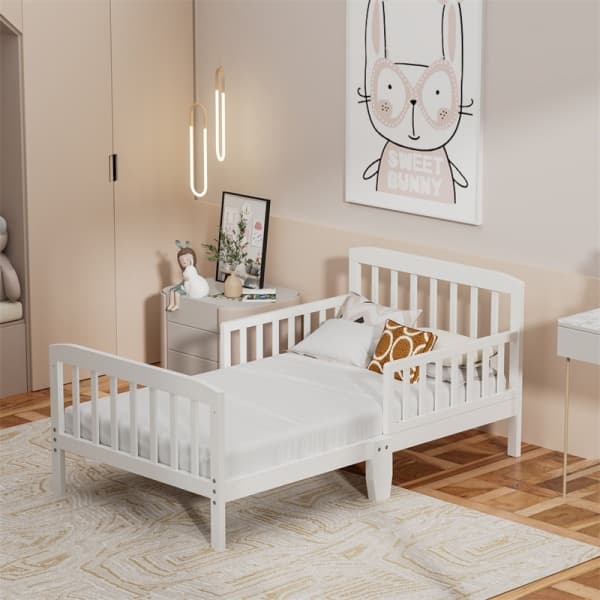
Choosing the right toddler bed is important for your child’s safety and comfort. The bed must support your child’s weight and fit their size well. Picking the right bed helps your child sleep better and grow safely.
Matching Bed To Child’s Size
Choose a bed that fits your child’s height and weight. A bed too small can feel cramped and unsafe. A bed too large may cause discomfort and wasted space. Check the bed’s weight limit to make sure it can hold your child safely. Toddlers grow fast. A bed that fits now might not fit in a few months.
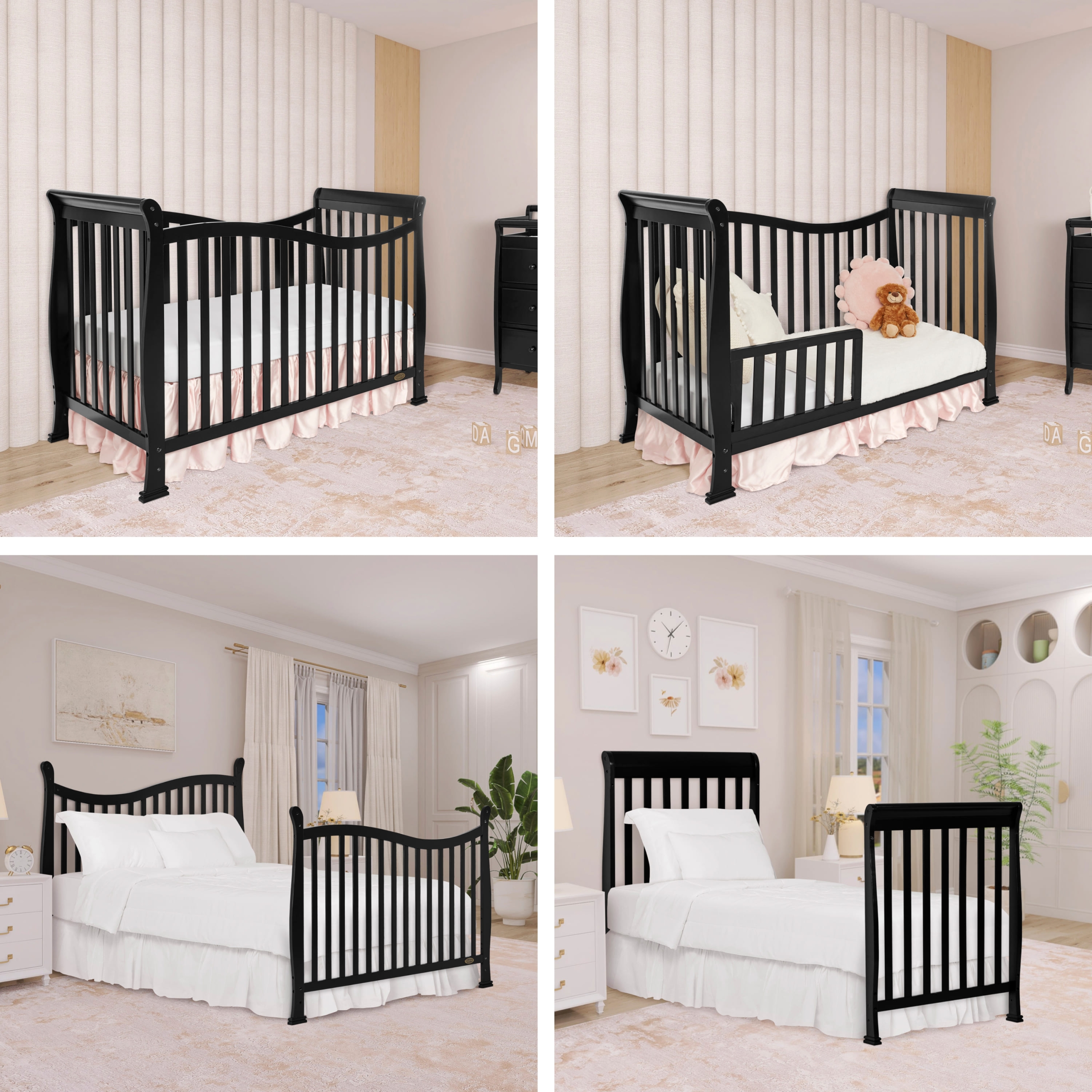
Adjustable And Convertible Options
Adjustable beds grow with your child. You can change bed size or parts as your child gets bigger. Convertible beds can switch from a toddler bed to a twin bed. These options save money and space. They offer good support for different weights. Look for sturdy frames and strong materials to ensure long-lasting use.
Signs A Bed Is Overloaded
Knowing the signs that a toddler bed is overloaded is very important. It helps keep your child safe. Overloading can cause damage that is hard to see at first. Watch for small problems before they become big ones. This section explains what to notice.
Structural Damage Indicators
Check the bed frame for cracks or splits in the wood. Loose screws or bolts show the bed is under stress. Listen for unusual creaking or squeaking sounds. These noises mean the bed parts are rubbing or bending. Look for bent metal parts or warped wood. A mattress that sinks too much could mean the bed is overloaded.
Safety Risks Of Overloading
An overloaded bed can break suddenly, causing injury. Falling from a broken bed can hurt your child badly. The bed may become unstable and tip over. Small parts can come loose and cause choking hazards. Overloading can also make the bed less comfortable for your toddler. Safety should always come first to protect your child’s health.
Maintenance Tips For Longevity
Maintaining a toddler bed well helps it last longer and stay safe. Simple care steps keep the bed strong and stable. Regular attention avoids big problems and costly repairs.
Follow easy maintenance tips to protect the bed’s weight capacity. These tips keep your child safe and comfortable every night.
Regular Inspections
Check the bed often for cracks or loose parts. Look at the frame, slats, and screws closely. Early spotting of damage stops accidents before they happen. Inspect the bed every few weeks for best results.
Tightening And Repairs
Tighten all bolts and screws regularly. Loose fittings reduce the bed’s strength and can cause wobbles. Use a screwdriver or wrench for tightening. Fix small cracks with wood glue or filler quickly. Replace broken parts to keep the bed reliable and safe.

Credit: www.craft-child.com
Safety Standards And Certifications
Safety standards and certifications ensure toddler beds hold weight securely. These rules protect children from accidents and injuries. Parents should choose beds that meet strict safety tests. Certified beds provide peace of mind and lasting use.
Key Safety Labels To Look For
Check for labels like JPMA (Juvenile Products Manufacturers Association). This label shows the bed passed safety tests. Another important mark is ASTM International. It means the product meets industry standards. Look for certifications on the product or packaging. They confirm the bed can safely hold your child’s weight.
Regulatory Bodies And Guidelines
Government groups create rules for toddler bed safety. The U.S. Consumer Product Safety Commission (CPSC) sets strong guidelines. They focus on mattress support, weight limits, and structure. The European Committee for Standardization (CEN) also sets rules. These organizations test beds to protect children. Following their guidelines keeps toddlers safe and secure.
Credit: www.craft-child.com
Frequently Asked Questions
What Is The Average Weight Limit For Toddler Beds?
Most toddler beds hold between 40 to 50 pounds. This range suits toddlers up to about 3 to 5 years old. Always check the manufacturer’s guidelines for exact limits.
Can Toddler Beds Support Heavier Children Safely?
Toddler beds are designed for light to moderate weight. Heavier children may exceed the bed’s capacity, risking damage or injury. Consider transitioning to a twin bed for heavier kids.
How Do Weight Limits Affect Toddler Bed Safety?
Exceeding weight limits can weaken bed frames and cause accidents. Staying within the limit ensures the bed remains sturdy and safe for your child’s sleep.
Are Weight Limits Different For Wooden Vs. Plastic Toddler Beds?
Yes, wooden beds often support more weight, up to 50 pounds. Plastic beds might have lower limits, around 40 pounds. Always verify the specific model’s weight capacity.
Conclusion
Toddler beds usually hold between 50 to 100 pounds safely. Always check the bed’s label for exact weight limits. Using the bed properly helps keep your child safe. Avoid jumping or standing on the bed to prevent damage. Choosing a sturdy bed supports your toddler’s growth and comfort.
A safe bed means better sleep and peace of mind. Keep weight limits in mind as your child grows. This helps you decide when to upgrade to a bigger bed. Safety first, comfort next—both matter for happy toddlers.