Are you wondering how to make your child’s transition from crib to bed smooth and safe? Converting a crib to a toddler bed is a smart way to save money and keep your little one comfortable in a familiar space.
But you might be unsure where to start or worried about doing it the right way. Don’t worry—this guide will walk you through every step, making the process simple and stress-free. By the end, you’ll feel confident turning your crib into the perfect toddler bed, helping your child take that important next step.
Keep reading to discover easy tips and clear instructions that anyone can follow.

Credit: davincibaby.com
Check Crib Compatibility
Checking if your crib is compatible with conversion is the first step. Not all cribs change into toddler beds. Knowing this saves time and effort. You want a safe and smooth transition for your child.
Start by seeing if your crib was made to convert. This helps avoid buying extra parts that don’t fit. It also stops you from using the crib in a way it wasn’t meant for.
Identify Convertible Cribs
Look for cribs labeled “convertible” or “3-in-1.” These often change from crib to toddler bed to daybed. Check the crib’s design for removable sides or extra bed rails. Convertible cribs usually have clear signs of changeability.
Older cribs may not be convertible. Avoid forcing parts to fit. This can cause damage or safety risks. If unsure, check the model number online for details. This confirms if your crib can become a toddler bed.
Review Manufacturer Instructions
Find the original instructions for your crib. Manufacturers list steps for conversion here. Follow these instructions carefully. They include which parts to remove or add.
Instructions also warn about weight limits and safety checks. Missing these could put your child at risk. If you lost the manual, visit the manufacturer’s website. Many provide downloadable guides.
Use only parts made for your crib model. Mixing parts may cause instability. Always double-check to make sure your crib is secure after conversion.
Gather Necessary Tools
Gathering the right tools is the first step to convert a crib to a toddler bed. Without proper tools, the process becomes harder and less safe. Having everything ready saves time and avoids frustration. Tools help in removing parts and assembling the new bed frame securely.
Start by knowing what tools you need. Then, prepare a safe and clean workspace. This makes the conversion smooth and safe for both you and your child.
List Common Tools Needed
Prepare these basic tools before starting:
- Screwdriver (Phillips and flathead)
- Allen wrench or hex key
- Adjustable wrench
- Hammer or rubber mallet
- Measuring tape
- Small container for screws and bolts
These tools cover most crib models. Check your crib’s manual for any special tools.
Prepare A Safe Workspace
Choose a clean, flat surface to work on. A large table or the floor works well.
Clear the area of clutter to avoid losing small parts. Good lighting helps see screws clearly.
Keep tools and parts organized. Use containers or small bowls for screws and bolts.
Make sure pets and children stay away during assembly. This prevents accidents and distractions.
Remove Crib Components
Removing crib components is the first step to convert a crib to a toddler bed. It makes the bed safer and easier to use for your child. Take your time to carefully remove parts without damaging them. Keep the screws and small pieces in a safe place for future use. Follow these simple steps to remove the right components.
Take Off Front Rail
The front rail acts as a guard for your baby while sleeping. To convert the crib, you need to remove this rail. Start by locating the screws or bolts holding the rail in place. Use a screwdriver or wrench to loosen and remove these fasteners. Gently lift the rail away from the crib frame. Set the rail aside for later use or storage.
Detach Mattress Support
The mattress support holds the mattress in place. It often has adjustable heights for infants and toddlers. To convert the crib, you may need to detach or lower this support. Locate the screws or brackets securing the mattress support. Use the correct tool to unscrew or unclip them carefully. Remove the support or adjust it to the toddler bed position. Ensure it is stable before placing the mattress back.
Attach Toddler Bed Rail
Attaching the toddler bed rail is an important step when converting your crib. The rail keeps your child safe by preventing falls. Proper installation ensures the rail stays firm and secure. Follow these clear steps to attach the rail correctly.
Align Toddler Rail Properly
Start by placing the toddler rail next to the crib side. Make sure it matches the crib’s height and length. Check that the rail fits snugly against the mattress edge. Proper alignment stops gaps where your child could get stuck. Take your time to position it evenly.
Secure With Screws And Bolts
Use the screws and bolts that came with the toddler rail kit. Insert them into the holes on the rail and crib frame. Tighten the screws firmly using a screwdriver or wrench. Avoid over-tightening, which can damage the wood. Check the rail’s stability by gently shaking it. Repeat if needed until the rail feels solid and safe.
Adjust Mattress Position
Adjusting the mattress position is an important step in converting a crib to a toddler bed. This ensures your child’s safety and comfort. You must set the mattress height correctly and check that the mattress fits well. These steps help avoid accidents and make the bed cozy for your toddler.
Set Mattress Height
Lower the mattress to the lowest setting. This prevents your toddler from climbing out easily. Use the crib’s mattress support system to adjust the height. Make sure the mattress sits firmly on the support. A lower mattress keeps your child safe during sleep and play.
Ensure Mattress Fits Securely
Check the mattress size matches the bed frame. It should fit snugly without gaps. Gaps can cause your toddler to get stuck or hurt. Press around the mattress edges to test for movement. A tight fit keeps the mattress stable and safe for your child.
Safety Checks
Safety checks are the first step in converting a crib to a toddler bed. They ensure the bed is secure for your child. Skipping these checks can lead to accidents or injuries.
Always take time to carefully check every part of the bed. This helps create a safe sleeping space for your toddler.
Inspect For Loose Parts
Look closely at all screws, bolts, and connectors. Tighten any loose parts firmly. Loose pieces can cause the bed to wobble or fall apart.
Check the mattress support and side rails. Make sure nothing moves or feels weak. Replace missing or damaged parts immediately.
Verify Stability
Push gently on the bed frame from different angles. The bed should not shake or tilt. A stable bed keeps your toddler safe while sleeping or playing.
Set the bed on a flat surface. Avoid placing it on uneven floors. Stability helps prevent falls and accidents during the night.
Add Toddler Bedding
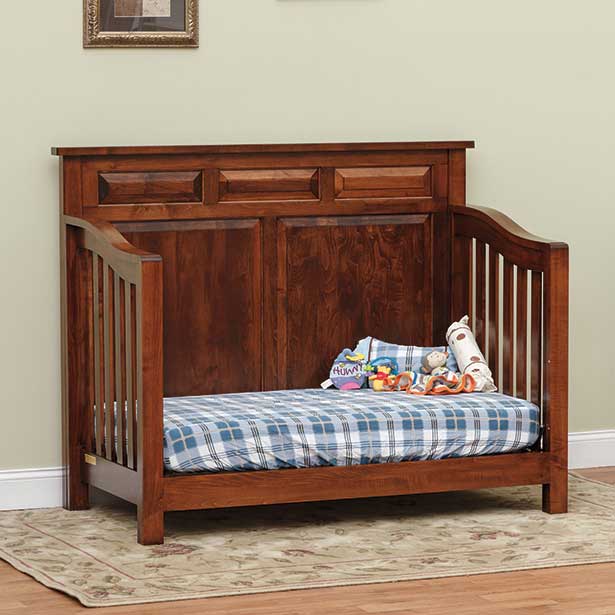
Changing a crib into a toddler bed means updating the bedding too. Toddler bedding keeps your child safe and cozy. It helps your little one feel excited about their new bed. Choosing the right mattress and bedding is important for comfort and safety.
Choose Appropriate Mattress
Pick a mattress that fits the toddler bed frame snugly. A mattress that is too thick can be unsafe. Look for firm mattresses made for toddlers. Avoid soft mattresses that can cause suffocation risks. The mattress should be easy to clean and durable. Measure the bed frame before buying the mattress to ensure a perfect fit.
Select Comfortable Bedding
Choose bedding made from soft, breathable fabrics. Cotton is a good choice for toddler bedding. Avoid heavy blankets or quilts that can cause overheating. Use fitted sheets that stay in place during sleep. Pick fun colors or prints your child will love. Bedding should be easy to wash and dry. Comfort helps your toddler feel safe and sleep well.
Credit: www.snydersfurniture.com
Tips For Transitioning
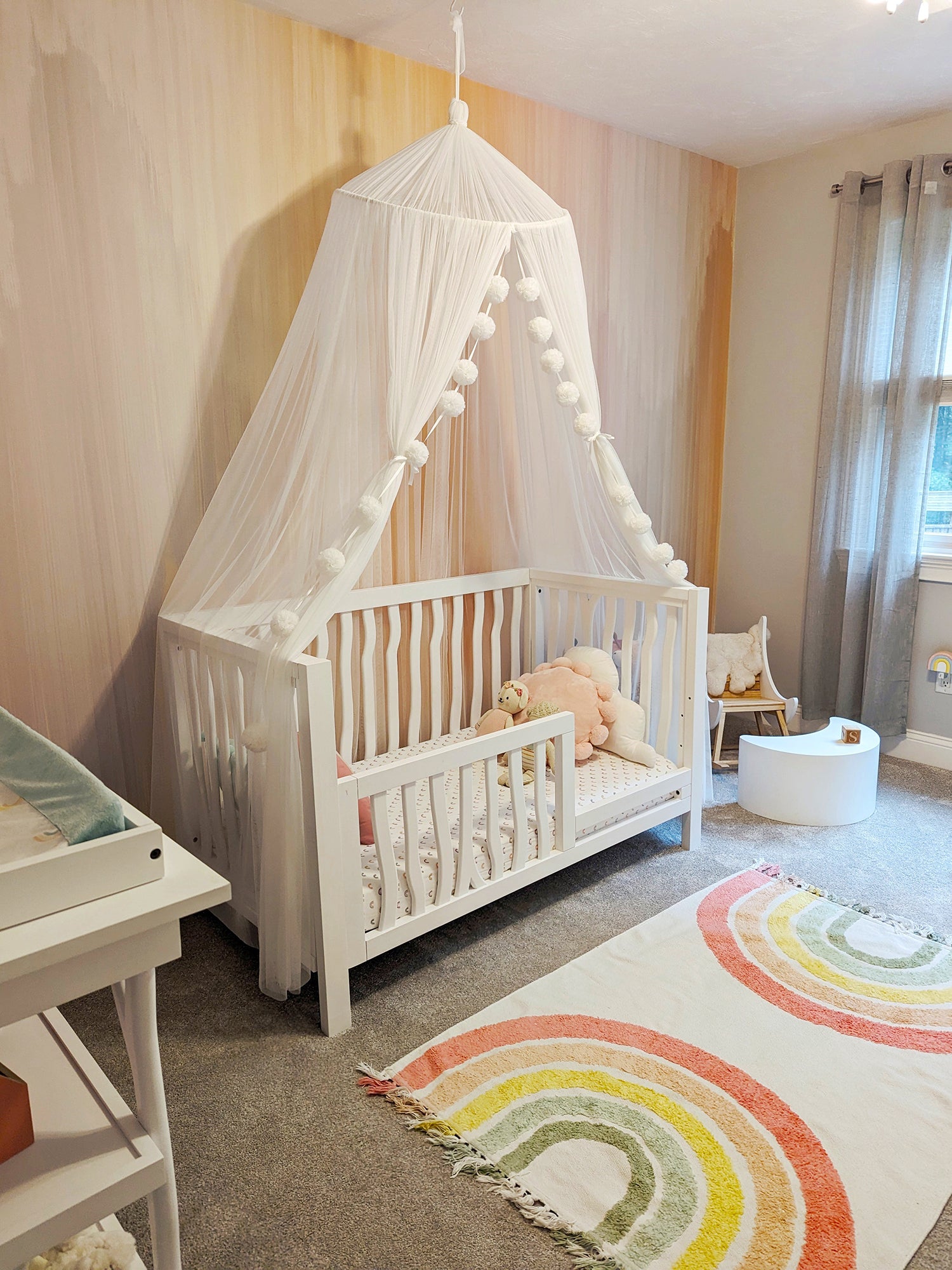
Changing your child’s bed can be a big step. It needs care and patience. These tips help your toddler feel safe and happy in the new bed. They make the change smooth and calm.
Follow these steps to help your child adjust quickly. It is about comfort and routine. Your toddler will soon love their new sleeping space.
Introduce Toddler To New Bed
Show the new bed during the day. Let your child touch and explore it. Read a book or play near the bed. This makes the bed familiar and less scary.
Talk about the bed in a happy way. Say things like “This bed is yours now.” Praise your child for trying it. Small rewards help build positive feelings.
Establish A Bedtime Routine
Create a simple, calm routine before bed. Bath, story, and cuddles work well. Do the same things in the same order each night. Routine gives your toddler a sense of safety.
Keep lights low and voices soft. Avoid exciting activities before sleep. This helps your child relax and fall asleep faster. A steady routine makes the new bed part of their day.
Credit: everestkitchennc.com
Frequently Asked Questions
How Do I Know When To Convert A Crib To Toddler Bed?
Convert your crib when your child is 18-36 months old. Signs include climbing out or needing more space. Safety and comfort are key factors to consider before converting.
What Tools Are Needed To Convert A Crib To Toddler Bed?
Typically, a screwdriver and Allen wrench are needed to remove the crib sides. Some models may require additional tools. Always check your crib’s manual for specific instructions and tools.
Is It Safe To Convert All Cribs To Toddler Beds?
Most cribs designed as convertible are safe to convert. Check the manufacturer’s guidelines to ensure your crib model supports conversion. Never attempt to convert a non-convertible crib.
How Do I Install The Toddler Bed Guardrails Properly?
Attach guardrails securely to prevent falls. Follow the instructions in your crib’s manual carefully. Ensure all screws and bolts are tight and stable before use.
Conclusion
Converting a crib to a toddler bed is simple and safe. Follow the steps carefully to remove crib sides. Use the right tools and parts for a secure fit. This change helps your child feel grown-up and comfortable. Always check the bed’s stability before use.
A smooth transition supports better sleep and independence. Keep your child’s safety as the top priority. Enjoy watching your little one explore their new bed.