Are you wondering how long your little one should stay in their toddler bed? Making the right choice can feel tricky, especially when you want your child to be safe, comfortable, and happy.
You might worry about when to switch to a bigger bed or if it’s time to say goodbye to the toddler bed altogether. This guide will help you understand the perfect timing, so you can make confident decisions that support your child’s growth and give you peace of mind.
Keep reading to discover the signs, tips, and expert advice that will make this transition smooth for both you and your toddler.

Credit: myfirstnursery.co.uk
When To Start Using A Toddler Bed
Choosing the right time to move your child to a toddler bed is important. It affects their comfort and safety. Understanding the signs and guidelines can help make this change smooth. This section explains when to start using a toddler bed.
Signs Your Child Is Ready
Your child may start climbing out of the crib. This is a clear safety concern. They might also ask to sleep in a “big kid” bed. Showing interest in independence matters. Nighttime potty training can be a sign too. Look for growing restlessness or discomfort in the crib.
Age Guidelines
Most children move to a toddler bed between 18 months and 3 years. Some may start earlier or later. Every child grows at their own pace. Use age as a rough guide, not a strict rule. Safety and readiness always come first.
Transitioning From Crib To Bed
Make the new bed inviting and familiar. Use favorite blankets or stuffed toys. Keep a consistent bedtime routine. Explain the change in simple words. Stay patient during the adjustment period. Praise your child for sleeping in the new bed.
Ideal Duration For Toddler Bed Use
Choosing how long to use a toddler bed is an important decision for parents. It affects comfort, safety, and the child’s sleep habits. Knowing the ideal duration helps create a smooth transition from crib to bed. This section explains the typical time frame and what to watch for.
Average Toddler Bed Usage Time
Most toddlers use their toddler bed between 1 and 3 years. Children often move to a regular bed around age 5. This varies by child and family preferences. The toddler bed fits well during the early years of independence. It provides a safe space without the high rails of a crib.
Factors Influencing Duration
Several things affect how long a toddler stays in their bed. Size and growth speed play a big role. Some kids outgrow the bed quickly. Others feel comfortable longer. Behavior is another key factor. If a child starts climbing out or refusing the bed, it might be time to change. Family routines and space also matter. Some parents switch beds to fit the room better or match the child’s needs.
Safety Considerations
Safety should guide the timing for bed changes. Ensure the toddler bed has guardrails to prevent falls. Check if the mattress fits snugly with no gaps. Watch for signs the child tries to climb out. This can cause injury. A bed that is too small or too large can be unsafe. Parents should regularly inspect the bed for wear and tear. Safe sleeping helps toddlers rest well and grow strong.
Signs To Move On From A Toddler Bed
Knowing when to move your child from a toddler bed is important for their comfort and safety. Toddlers grow quickly, and their needs change. Watching for certain signs can help you decide the right time to upgrade to a bigger bed. These signs include your child’s size, behavior, and safety concerns.
Child’s Growth And Size
Measure your child regularly. If they start to feel cramped or their feet hang off the bed, it may be time to move. A toddler bed is smaller than a twin bed and fits children up to about 40 inches tall. When your child grows beyond this, the bed might not support their body well anymore. A bigger bed will give them more space to sleep comfortably.
Behavioral Indicators
Watch how your child acts around their bed. If they try to climb out often, it could mean the bed is too small or feels unsafe. Some children resist bedtime or wake up at night because they are uncomfortable. Signs of restlessness or frequent waking may show they need a larger, more secure bed. Their growing independence might also make a bigger bed more suitable.
Safety Risks With Extended Use
Using a toddler bed for too long can cause safety problems. A small bed may not provide enough support, increasing the risk of falls or injuries. Bed rails on toddler beds may no longer fit properly for bigger children. Older kids may also try to jump or move around more, raising the chance of accidents. Switching to a larger bed with proper safety features can reduce these risks.
Credit: myfirstnursery.co.uk
Choosing The Right Bed For Your Toddler
Choosing the right bed for your toddler is important for their comfort and safety. A good bed helps your child feel secure and sleep well. It also makes the transition from a crib to a bed easier. Picking the right bed means thinking about size, style, and safety features. This choice affects how long your child will use the bed and how happy they feel in their room.
Types Of Toddler Beds
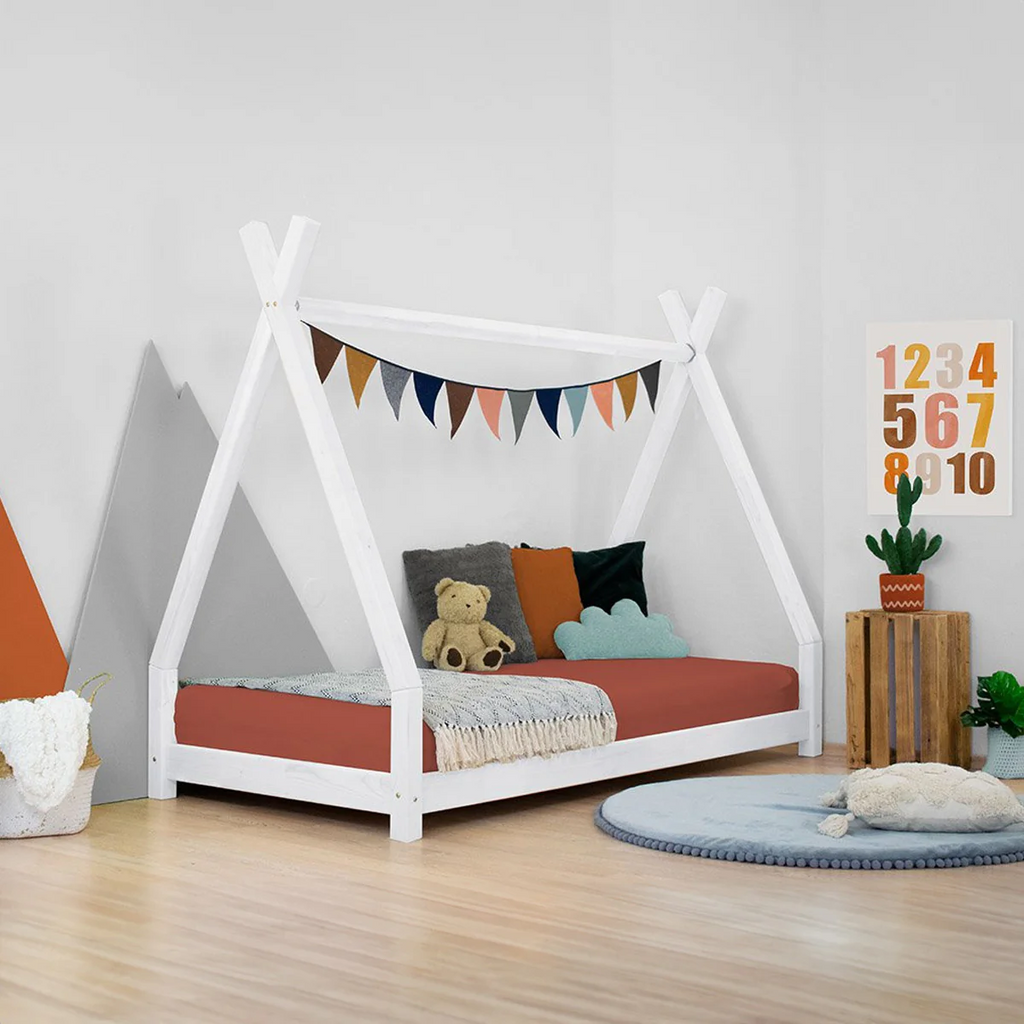
Toddler beds come in many styles. The most common is the low-to-the-ground toddler bed. It has rails to stop your child from falling out. Some beds look like small twin beds but are smaller in size. Convertible beds change from cribs to toddler beds. These save money because they grow with your child. There are also themed beds with fun shapes like cars or animals. These can make bedtime more exciting for your toddler.
Features To Look For
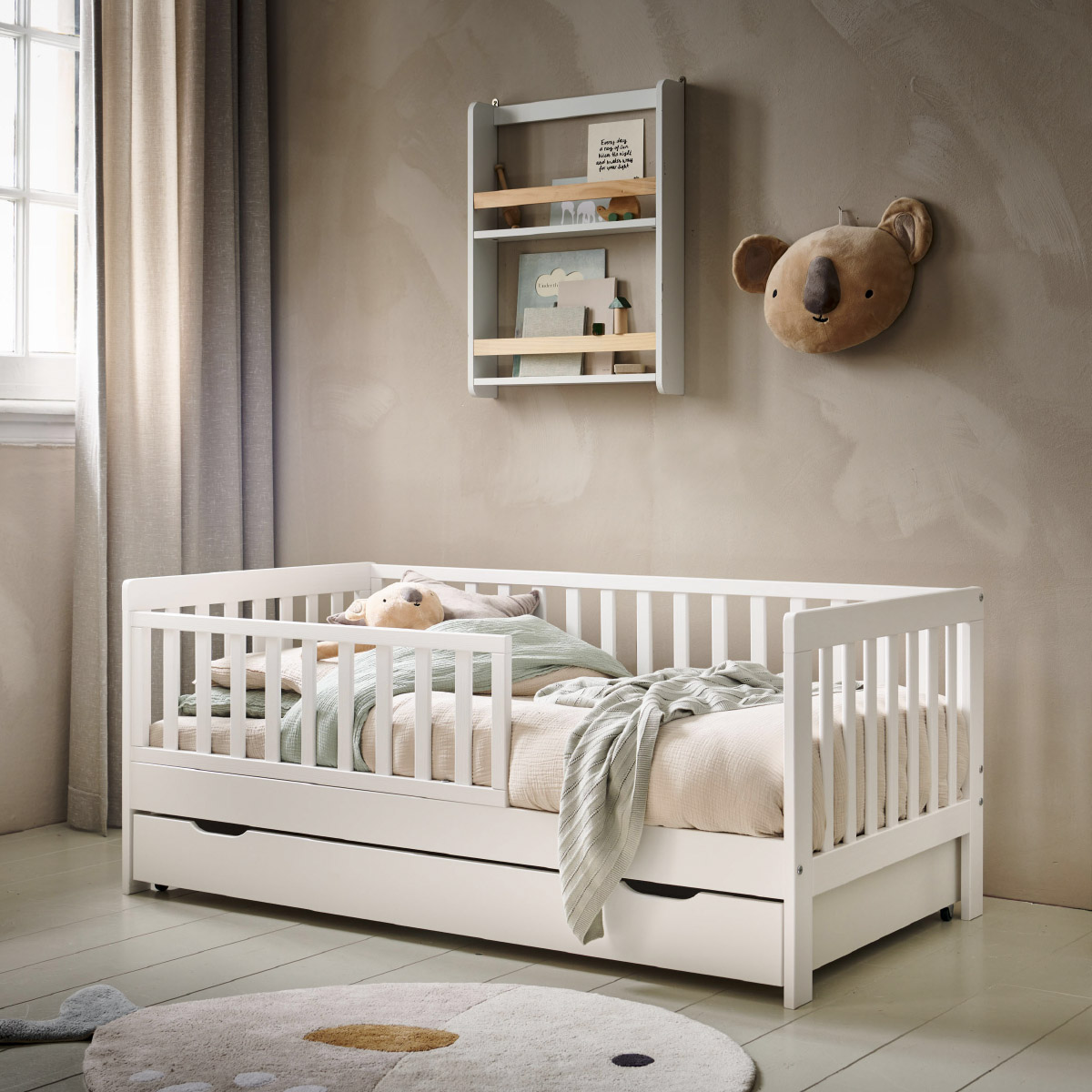
Safety is the top feature to check. Look for sturdy construction and smooth edges. Rails on the sides help prevent falls. The bed height should be low to the floor. This makes it easy for your toddler to get in and out. A mattress that fits snugly is important to avoid gaps. Also, check if the bed is easy to clean. Removable covers or washable fabrics are good choices.
Budget-friendly Options
Toddler beds do not need to be expensive. Many affordable options offer good quality and safety. Simple wooden or plastic beds can work well. Look for sales or second-hand beds in good condition. Some stores offer budget-friendly beds with basic features. Focus on safety and comfort rather than extra decorations. A plain bed can be just as good for your toddler’s sleep.
Making The Transition Smooth
Moving your child from a crib to a toddler bed is a big step. It brings new challenges and excitement. Making this change easy helps your child feel safe and happy. A smooth transition sets the stage for good sleep habits.
Preparing Your Child
Talk about the new bed several days before the change. Show your child the bed and let them touch it. Read books about moving to a big kid bed. Answer questions with simple, calm words. Let your child know this is a fun and safe step.
Creating A Comfortable Sleep Environment
Choose soft bedding your child likes. Keep familiar toys or blankets in the bed. Set the room temperature to a cozy level. Use a nightlight if your child feels scared. Make the room quiet and free from distractions.
Establishing A Bedtime Routine
Keep bedtime at the same time every night. Include calming activities like reading or singing. Avoid screens and loud noises before sleep. Give your child a hug or kiss goodnight. A clear routine helps your child know what to expect.
Credit: www.petiteamelie.co.uk
Common Challenges And Solutions
Moving your child to a toddler bed brings new challenges. These problems can disrupt sleep and cause stress. Knowing common issues helps parents stay calm and find good fixes. Below are some typical challenges and ways to handle them.
Dealing With Bedtime Resistance
Many toddlers say no to bedtime. They want to play or stay with parents. This is normal and part of growing up. Keep a calm routine to help your child feel safe. Use soft words and gentle reminders. Reading a favorite story can make bedtime nice. Praise your child when they stay in bed. This encourages good habits without force.
Managing Nighttime Wandering
Some toddlers leave their beds at night. They may feel scared or curious. Make the room safe to prevent accidents. Use nightlights to ease fears. Set clear rules about staying in bed. If your child wanders, quietly return them to bed. Repeat this calmly but firmly. Consistency helps toddlers learn the right behavior.
Handling Accidents And Setbacks
Accidents happen during potty training or sleep changes. Do not scold your child. Clean up quickly and show understanding. Use mattress protectors to keep the bed dry. Keep a spare set of sheets ready. Encourage your child by saying accidents are okay. This support helps build confidence and reduce stress.
Frequently Asked Questions
How Long Do Toddlers Typically Use A Toddler Bed?
Toddlers usually use a toddler bed from ages 2 to 5. This depends on the child’s growth and comfort. Transitioning to a regular bed happens when they outgrow the toddler bed size or show readiness for a bigger bed.
When Is The Right Time To Stop Using A Toddler Bed?
The right time is when your child exceeds the toddler bed’s weight or size limit. Also, if they climb out easily or need more space, it’s time to upgrade. Safety and comfort are key factors for this transition.
Can Toddlers Use A Bed Without Rails After A Toddler Bed?
Yes, toddlers can move to a bed without rails if they are steady sleepers. However, rails provide safety from falls. Consider your child’s ability to stay in bed before removing rails for safety reasons.
What Factors Influence How Long To Use A Toddler Bed?
Factors include your child’s age, size, sleeping habits, and safety needs. Also, consider the child’s comfort and ability to get in and out independently. Parental judgment based on these factors helps decide the duration.
Conclusion
Choosing how long to use a toddler bed depends on your child’s growth. Watch for signs of readiness to move to a bigger bed. Safety and comfort should guide your decision. Every child grows at their own pace. Keep checking if the bed still feels right.
Changing too early or too late can cause problems. Trust your instincts and your child’s needs. A smooth transition helps your child sleep better. Stay patient and flexible during this stage. Your child will soon enjoy a new sleeping space.