Are you wondering how high off the ground a toddler bed should be? If you want to keep your little one safe and comfortable, this is an important question.
The right height can make a big difference in preventing falls and helping your child get in and out of bed easily. You’ll discover exactly what to look for when choosing a toddler bed height. Keep reading to ensure your child’s sleep space is both cozy and secure.

Credit: www.etsy.com
Toddler Bed Height Basics
Toddler bed height is an important factor for safety and comfort. It helps toddlers get in and out of bed easily. The right height supports their independence and reduces the risk of falls. Understanding the basics of toddler bed height helps parents choose the best option.
Many toddler beds have similar height ranges. These heights suit most toddlers and fit well in typical bedrooms. Still, bed height can vary based on design and mattress thickness. Knowing these details guides better decisions.
Standard Height Measurements
Toddler beds usually stand between 10 and 14 inches off the ground. This height allows toddlers to climb in without help. It also keeps the bed low enough to prevent serious injury from falls. Most toddler beds are designed with safety in mind.
The mattress adds extra height, often 4 to 6 inches thick. This means the top surface where the child sleeps is slightly higher. Parents should measure the total height from the floor to mattress top. This total height affects ease of use and safety.
Factors Influencing Bed Height
Several factors affect toddler bed height. The bed frame style is one. Some frames are closer to the floor, while others have legs or storage underneath. This changes the overall height.
The mattress type also matters. Thicker mattresses raise the sleeping surface. Parents may choose foam or spring mattresses, which have different thicknesses. The child’s age and size influence bed height needs too. Smaller toddlers may need lower beds for safety.
Room layout and flooring type can impact bed choice. Beds on carpet might feel higher than on hard floors. Parents should consider these factors for the best fit.
Safety Risks Related To Bed Height
Choosing the right height for a toddler bed is very important. The bed’s height can affect your child’s safety while sleeping or playing. Toddlers are still learning to move safely. A bed too high can increase the risk of falls and injuries. Understanding these safety risks helps parents make better choices.
Fall Hazards
Toddlers can easily fall off beds that are too high. Their small bodies and quick movements increase this danger. Falls can cause bumps, bruises, or worse injuries. Beds without guardrails or with high frames raise the risk of falling. Nighttime movements make it harder for toddlers to stay safe on tall beds.
Injury Prevention Tips
Choose beds close to the floor to reduce fall risks. Use guardrails on both sides of the bed. Remove hard or sharp objects near the bed. Teach toddlers to climb in and out carefully. Place soft rugs or mats around the bed for cushioning falls. Check the bed’s stability regularly to avoid accidents.
Choosing The Right Bed Height
Choosing the right bed height for your toddler is important for safety and comfort. The bed should be low enough to prevent falls but high enough for easy access. The perfect height depends on your child’s age, skills, and the bedroom layout.
Age And Development Considerations
Toddlers grow fast and their needs change quickly. Younger toddlers need beds closer to the floor to avoid injury. Older toddlers who can climb and move well can handle slightly higher beds. Watch your child’s motor skills and confidence before deciding.
Room Setup And Accessibility
Think about the room’s space and furniture arrangement. A low bed fits small rooms better and reduces fall risks. Check if your toddler can easily get in and out without help. Keep the bed away from windows and sharp corners for extra safety.

Credit: www.anoet.com
Comparing Toddler Beds To Cribs And Twin Beds
Toddler beds fit between cribs and twin beds in a child’s sleep journey. They offer a safe and comfortable place for toddlers to sleep. Understanding the height differences and transition stages helps parents choose the right bed. This choice makes moving from crib to bed easier for toddlers and parents alike.
Height Differences
Cribs sit very low to the ground for safety and ease. The mattress is usually just a few inches off the floor. Toddler beds raise the mattress slightly higher than cribs. This height is still low enough to prevent falls. Twin beds are much higher, often two feet or more off the floor. This height suits older children but can be risky for toddlers. Toddler beds bridge the height gap between cribs and twin beds well.
Transition Stages
Moving from a crib to a toddler bed is the first big step. It helps toddlers get used to sleeping on a bigger bed. The lower height and guardrails keep toddlers safe and confident. Next, children move from toddler beds to twin beds. This stage happens when they outgrow guardrails or need more space. Both steps support growing independence and comfort. Toddler beds make the transition smooth and safe for little ones.
Additional Safety Features To Look For
Choosing the right toddler bed means more than just the height off the ground. Safety features play a big role in keeping your child secure during sleep. These features help prevent falls and accidents while your toddler adjusts to their new bed.
Guardrails And Bed Frames
Guardrails are key to stopping your toddler from rolling out of bed. Look for sturdy rails on both sides of the bed. The rails should be high enough to provide protection but low enough for easy access. Strong bed frames also keep the bed steady and reduce wobbling. Secure frames prevent tipping and keep your child safe all night.
Non-slip Surfaces
Non-slip surfaces help stop the bed from sliding on smooth floors. Pads or rubber feet under the bed legs add grip. A non-slip mattress or mattress cover keeps the mattress in place. These features reduce the chance of accidents caused by slipping or sliding. They give extra peace of mind for parents and toddlers alike.
Tips For Parents To Enhance Bed Safety
Ensuring your toddler’s bed is safe is very important. Small changes can prevent accidents and give you peace of mind. Here are some useful tips for parents to keep toddler beds safe and secure.
Proper Mattress Fit
A mattress should fit snugly inside the bed frame. Gaps between mattress and bed can cause your child to get stuck. Measure the mattress and bed frame carefully before buying. Choose a mattress that matches the bed size exactly. Avoid using mattresses that are too thick or too thin. A good fit helps prevent falls and injuries.
Regular Bed Maintenance
Check the bed often for loose screws or broken parts. Tighten bolts and screws to keep the bed steady. Look for cracks or splinters in wooden frames. Replace any worn or damaged parts quickly. Clean the bed regularly to keep it free from dust and dirt. Routine checks help keep the bed safe and long-lasting.
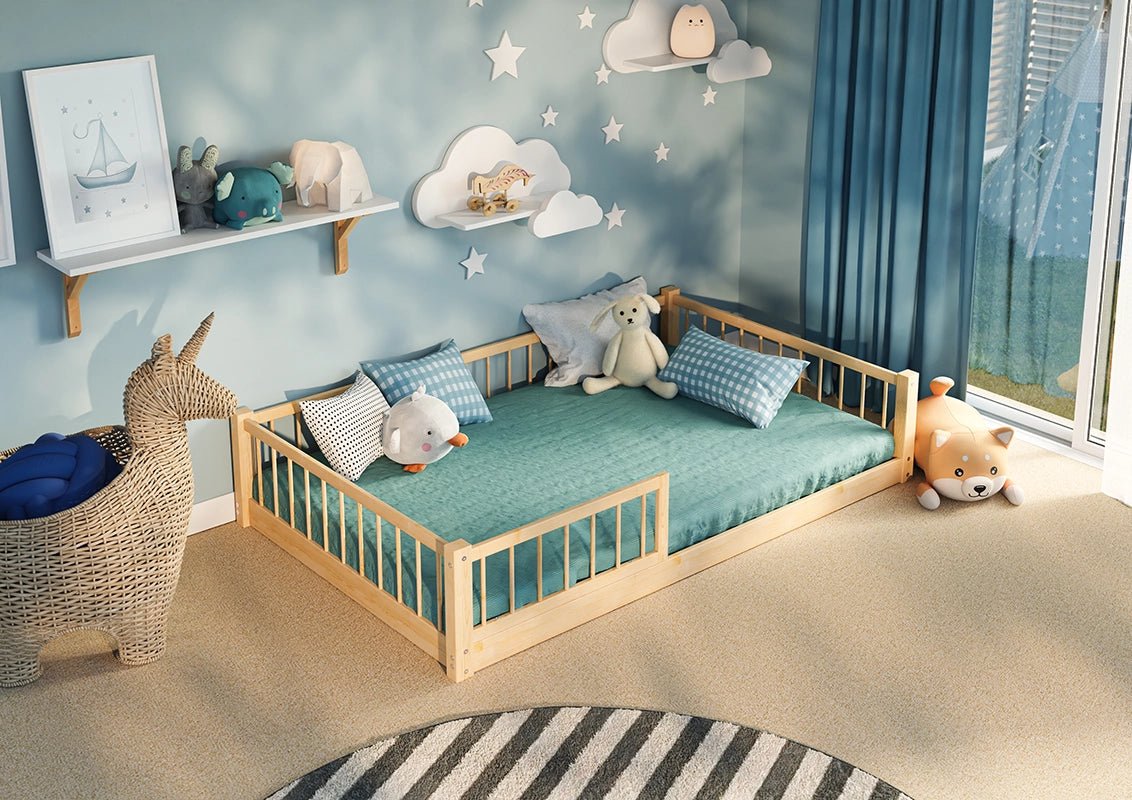
Credit: www.tjbystre.cz
Frequently Asked Questions
How High Is A Typical Toddler Bed From The Ground?
A typical toddler bed is about 7 to 14 inches off the ground. This low height helps toddlers climb in and out safely. It reduces the risk of injury if they roll out during sleep. The height varies slightly by brand and model.
Why Is Toddler Bed Height Important For Safety?
Toddler bed height is crucial for preventing falls and injuries. A lower bed means easier access and safer egress for toddlers. It also minimizes impact if the child falls out. Proper height supports independence and peace of mind for parents.
How Does Toddler Bed Height Compare To Crib Height?
Toddler beds are usually lower than cribs by about 5 to 10 inches. Cribs range from 18 to 24 inches high for mattress support. Toddler beds are designed for easy transition, making them more accessible and safer for young children.
Can Toddler Bed Height Affect A Child’s Sleep Quality?
Yes, the right bed height can enhance sleep quality. A comfortable height helps toddlers feel secure and independent. It allows easy movement, reducing sleep disturbances. Proper bed height encourages healthy sleep habits and confidence at bedtime.
Conclusion
Toddler beds stay low to keep kids safe and comfortable. Most beds are about 7 to 10 inches off the floor. This height helps toddlers get in and out easily. It also reduces the risk of falls. Choosing the right bed height supports better sleep and independence.
Always check the bed’s design before buying. Safety and comfort should come first. A low toddler bed makes the transition from crib smooth and simple. Small details make a big difference for your child’s rest.